I remember the first time I tried to paint a hallway. Big mistake. I thought, ‘How hard can it be?’ Turns out, pretty hard when water is involved. Specifically, when the cheap painters tape I’d used decided to go rogue. We’re talking about a question that might seem simple, but when you’re elbow-deep in a project, it’s anything but: can painters tape get wet? The answer, as I learned the hard way, is a resounding ‘it depends,’ and often, ‘not well.’
This isn’t about corporate jargon or fancy marketing claims. This is about what happens when you’re actually doing the work, and you hit a snag. What happens to that tape when a rogue drop of paint, a spilled drink, or a sweaty hand comes into contact with it? Let’s get real about it.
The Sticky Truth About Water and Tape
Alright, let’s cut to the chase. Can painters tape get wet? Technically, yes, it can. But whether it should is a whole different ballgame. Most standard blue painters tape, the kind most DIYers grab without a second thought, is made of paper. And paper, as we all know, doesn’t do well when it’s saturated. When water hits that paper backing, it weakens the adhesive, makes the tape brittle, and turns it into a soggy, unreliable mess.
I once spent a whole Saturday trying to tape off a bathroom before tiling. I was sweating, and naturally, my hands were a bit damp. I kept touching the tape to reposition it, and before I knew it, the edges were lifting. Then, during the grouting process, a little water splashed. Boom. The tape started to sag, and I ended up with faint grout lines on my freshly painted trim. Total nightmare. It’s not just about the tape itself; it’s about the adhesive too. Water can compromise the bond, making it less sticky or, worse, causing it to bleed under the edge.
Think of it like this: the paper acts as a carrier for the adhesive. Once that paper gets waterlogged, it loses its structural integrity. It’s like trying to hold a wet paper towel together – it just falls apart. The adhesive might still be sticky, but the backing it’s attached to is compromised. This leads to the dreaded paint bleed, or worse, the tape peeling off entirely mid-job. It’s frustrating, time-consuming, and can ruin a perfectly good paint job. So, while it’s not like the tape will dissolve on contact, getting it significantly wet is a recipe for disaster in most common scenarios.
Different Tapes, Different Wetnesses
Now, here’s where it gets a little more nuanced. Not all painters tape is created equal, and some are definitely more resistant to moisture than others. The cheap stuff you get at the dollar store? Forget about it. That’s usually the most basic paper tape, and it’s going to fail you the second a bead of sweat drips on it. However, there are specialty tapes designed for specific conditions, and some can handle a bit more moisture than your average blue tape.
For example, some tapes are labeled as ‘exterior’ or ‘heavy-duty.’ These often have a more solid backing, sometimes a plasticized paper or even a thin plastic film. These are designed to withstand outdoor elements, which can include humidity and light rain. If I’m painting a deck railing or some exterior trim, I’ll grab a tape that explicitly says it’s for outdoor use. It might cost a dollar or two more per roll, but it saves me the headache of having to redo work because the tape couldn’t handle a bit of dew.
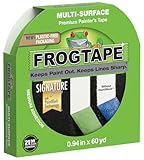
I’ve also used tapes with a different kind of adhesive, sometimes called ‘green’ tape or ‘multi-surface’ tape. These are often a bit more forgiving with slight moisture. The adhesive formulation is different, and the backing material can be a bit more resilient. However, and this is a big ‘however,’ even these aren’t waterproof. Spilling a cup of water on them or letting them sit in a damp environment for hours will still cause problems. It’s about managing expectations. Do they offer a little more grace than the basic blue tape? Sure. Are they a ticket to completely ignore moisture? Absolutely not.
What to Look for in Water-Resistant Tape
- Backing Material: Look for tapes with a thicker, sometimes plastic-coated paper or a thin plastic film backing.
- Labeling: ‘Exterior,’ ‘Heavy Duty,’ ‘Multi-Surface,’ or specific mentions of UV or moisture resistance are good indicators.
- Adhesive Type: While harder to discern, some specialty tapes have adhesives formulated for tougher conditions.
Here’s a quick comparison of what you might find:
| Tape Type | Typical Backing | Moisture Tolerance | Verdict |
|---|---|---|---|
| Basic Blue (Indoor) | Thin paper | Very Low | Avoid getting wet at all costs. |
| Green Multi-Surface | Slightly thicker paper | Low to Moderate | Can handle minor sweat or light splashes, but not prolonged exposure. |
| Exterior/Heavy Duty | Plastic-coated paper/Thin film | Moderate to High | Best option for outdoor projects or areas with higher humidity, but still not waterproof. |
The key takeaway here is that while some tapes are better with moisture, none are truly designed to be submerged or constantly exposed to significant amounts of water. You’re still dealing with paper-based or paper-adjacent materials for the most part. (See Also: Does Painters Tape Rip Paint Off Walls )
The Dreaded Paint Bleed: When Water Causes Havoc
This is the big one, isn’t it? The reason we use tape in the first place is to get clean, crisp lines. When painters tape gets wet, it’s often the precursor to a paint bleed. Why? Because the water saturates the tape’s backing, making it less of a barrier and more of a sponge. This allows the paint to seep underneath the edge of the tape and onto the surface you were trying to protect.
I remember one particularly infuriating incident where I was painting a dark accent wall in a bedroom. I used what I thought was good quality blue tape. I was careful, but I’d been working for hours, and some sweat was inevitable. Plus, the room was a bit humid from the recent rain outside. I didn’t think much of it. When I pulled the tape off the next day, I was devastated. Little feathered lines of dark paint had crept onto my pristine white trim. It looked messy, unprofessional, and I had to go back with a tiny brush and a lot of patience to fix it. That’s what happens when water compromises the tape’s seal.
The water can also affect the adhesive itself. Sometimes, getting the tape wet can make the adhesive tacky in a bad way, or it can cause it to lose its grip altogether. If the tape starts to lift, even slightly, paint can get under it. It’s a vicious cycle. Water weakens the tape, the tape lifts, paint gets under, and you’re left with a mess that’s harder to clean up than if you’d just been careful with a brush.
A few things contribute to this. Firstly, the quality of the tape. Cheaper tapes have thinner paper and less effective adhesive that breaks down faster. Secondly, the application. If the tape isn’t pressed down firmly and evenly, there are microscopic gaps that water can exploit. Thirdly, the amount of moisture. A few stray drops are one thing; a damp surface or a spilled drink is another. When it comes to preventing paint bleed caused by moisture, meticulous application and choosing the right tape are your best friends. And frankly, sometimes even then, it’s a gamble.
Contrarian Take: When ‘wet’ Tape Isn’t the End of the World
Okay, here’s where I might ruffle some feathers. Everyone says ‘don’t get painters tape wet, it’s ruined!’ And for the most part, they’re right. But I’ve found a few situations where a little bit of dampness isn’t the kiss of death, and it’s about how you handle it. This is especially true if you’re using a higher-quality tape designed for a bit more resilience.
My contrarian opinion? If you get a small amount of moisture on the tape – say, a few drops from a spray bottle you were using for a different part of the project, or a bit of sweat from your hand – and you catch it immediately, it’s not game over. The trick is to gently dab it dry with a clean, lint-free cloth. Don’t rub, just press. Then, immediately reinforce the edge by pressing down firmly with a putty knife or a dedicated tape smoothing tool. This can help re-seal any microscopic gaps that might have formed.
I did this when I was painting a very intricate piece of crown molding. I was working alone, and I’d already spent hours getting the tape perfectly placed. I accidentally knocked a small amount of water from my cleaning rag onto a section of the tape. My heart sank. But instead of peeling it all off and starting over (which would have taken another hour), I grabbed a microfiber cloth, gently blotted the area dry, and then used my plastic scraper to really press that edge down. I let it sit for a good hour before painting. When I pulled it off, the line was surprisingly clean. It wasn’t perfect, but it was far, far better than I expected.
This doesn’t mean you should go out and intentionally douse your tape. It’s about damage control in minor situations. The key factors are: the quality of the tape (better tapes are more forgiving), the amount of moisture (a spill is different from a few drops), and how quickly you react. If you can dry it immediately and re-seal the edge without smearing or tearing, you might be able to save it. But this is a high-risk maneuver. For most people, and for most projects, especially when dealing with a lot of water or prolonged dampness, the advice to keep it dry is solid. My experience is the exception, not the rule, and it requires careful attention and the right tools.
When to Use Specialty Tapes and Why
So, we’ve established that standard blue painters tape is pretty fussy about water. This is where specialty tapes come into play, and honestly, they’re worth considering if your project involves anything beyond a simple interior wall. (See Also: Does Masking Tape Work The Same As Painters Tape )
If you’re painting exterior surfaces, like siding, decks, or outdoor furniture, you absolutely need an exterior-grade tape. These are designed to withstand UV rays, temperature fluctuations, and, yes, moisture. They often have a more durable backing that won’t disintegrate in a light rain or heavy dew. I learned this lesson painting some Adirondack chairs; the cheap stuff looked like papier-mâché after two days. Switching to a tape labeled for exterior use made all the difference. The cost difference is minimal compared to the time and paint you’ll waste redoing the job.
Another situation where specialty tape shines is when you’re painting over delicate or previously finished surfaces. These tapes are often formulated with a gentler adhesive and a more resilient backing. They’re less likely to pull off paint or leave residue, and some offer better resistance to moisture than basic tapes. If you’re painting trim that’s already been painted a few times, or working on furniture with a varnish, a good quality multi-surface tape is your best bet. It provides a cleaner line and reduces the risk of damaging the underlying finish, even if a bit of dampness is present.
Finally, consider the environment. If you’re painting in a basement, a garage, or anywhere that tends to be more humid, even for indoor projects, a tape with better moisture resistance is a good idea. You might not be splashing water directly on it, but the ambient humidity can still affect standard tape over time, especially if it’s left on for an extended period. I once had to paint a bathroom with poor ventilation, and even though I was careful, the tape started to curl and lose its grip by the end of the second day due to the constant humidity. Upgrading to a tape that could handle it saved me from having to re-tape the entire room.
Specialty Tape Scenarios:
- Exterior Painting: Use tapes specifically labeled for outdoor use to withstand weather elements.
- Delicate Surfaces: Opt for multi-surface or delicate surface tapes with gentler adhesives and more resilient backings.
- High Humidity Environments: Choose tapes with enhanced moisture resistance to prevent failure due to ambient dampness.
Investing in the right tape for the job isn’t just about getting a good line; it’s about preventing headaches down the road. And when it comes to moisture, the standard blue tape is rarely the right choice for anything but the most basic, dry interior walls.
Practical Tips for Keeping Tape Dry and Lines Crisp
So, we’ve talked about whether painters tape can get wet (not well), what happens (paint bleed, failure), and what to look for (specialty tapes). Now, let’s get down to brass tacks: how do you actually keep your tape dry and your paint lines sharp, especially when moisture is a factor?
First and foremost, proper application is key, even with the best tape. Make sure the surface you’re taping is clean and dry. Any dust, grease, or existing moisture will compromise the adhesive bond.
Press the tape down firmly and evenly along the entire edge. Use a putty knife, a plastic scraper, or your fingernail to make sure there are no air bubbles or lifted edges. These are the entry points for moisture and paint.
If you’re using a premium tape, like some of the ones designed for delicate surfaces, you can even use a painter’s tape tool that comes with a built-in cutting blade and smoothing edge. It’s a bit of an investment, but it makes getting a perfect seal much easier.
When painting, apply thin, even coats. Thick, gloppy coats are more prone to dripping and running, increasing the chance of paint hitting your tape. If you notice any drips or runs near the tape line, address them immediately. Wipe them away gently with a damp cloth before they have a chance to soak into the tape or seep underneath. This is where immediate action can save you a lot of grief. (See Also: Does Painters Tape Peel Paint )
If you’re working in a humid environment or anticipate moisture, try to ventilate the area as much as possible. Open windows, use fans – anything to keep the air circulating and reduce dampness. This not only helps your paint dry faster but also minimizes the risk of moisture affecting your tape. I’ve learned to keep a small fan nearby when I’m painting in my garage, which can get quite damp.
And, importantly, don’t leave the tape on for longer than necessary. Most painters tapes are designed for a specific window of time before they start to degrade or become difficult to remove cleanly. Check the manufacturer’s recommendations. As soon as the paint is dry to the touch, or at least well-cured, it’s time to pull the tape. Pull it slowly and at a 45-degree angle, away from the painted surface. This minimizes the chance of the tape tearing or pulling fresh paint with it.
Faq Section
Can You Use Painters Tape If It Rained Overnight?
Generally, no. If the tape or the surface it’s applied to is still damp from rain, the tape’s adhesive will be compromised. This can lead to poor adhesion, lifting, and paint bleed. It’s best to wait until everything is completely dry before applying or leaving painters tape in place.
What Happens If Painters Tape Gets Wet with Paint?
If painters tape gets wet with paint, especially over a prolonged period or if the paint is thin, it’s likely to cause paint bleed. The liquid paint can seep under the tape’s edge, ruining the clean line you were trying to achieve. It can also weaken the tape’s backing, making it sag or peel.
Is There a Waterproof Painters Tape?
No, there isn’t truly a ‘waterproof’ painters tape in the sense of being completely submersible or impervious to all liquids indefinitely. However, there are specialty tapes designed with more water-resistant backings (like exterior or heavy-duty tapes) that can tolerate more moisture and humidity than standard indoor tapes.
Can I Wash Painters Tape?
No, you cannot wash painters tape. Washing it would saturate the paper backing, destroying its adhesive properties and structural integrity. If the tape gets dirty, it’s best to use a new piece.
Final Verdict
So, to circle back to our main question: can painters tape get wet? The short, blunt answer is that you really, really don’t want it to. While some specialty tapes can handle a bit more dampness than others, getting standard painters tape wet is a fast track to frustration, messy paint lines, and extra work. It compromises the adhesive, weakens the backing, and opens the door for the dreaded paint bleed.
My advice? Treat all painters tape like it’s made of tissue paper when it comes to moisture. If you’re working in a humid environment, dealing with exterior surfaces, or just know you’re prone to a little sweat while you work, invest in a tape that’s built for it. It’s a small price to pay for a clean finish.
Next time you’re prepping a job, take a moment. Look at the tape. Think about the conditions. And make a conscious choice about whether that roll of blue tape is really up to the task, or if it’s time for something a little tougher. Because nobody wants to spend hours fixing a mistake that a five-dollar roll of better tape could have prevented.