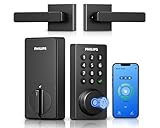
I bought a smart lock a few years back, all bells and whistles, promising the moon about security and convenience. Then, about 18 months in, the deadbolt started sticking. Not a little sticky, like, ‘I might have to jiggle it’ sticky. This was ‘I’m locked out of my own damn house’ sticky. It sent me down a rabbit hole trying to figure out if this fancy piece of tech was even covered by the extended warranty I’d dutifully paid for. Honestly, forking over extra cash for peace of mind on something as fundamental as a door locking mechanism covered by extended warranty felt like a gamble I wasn’t sure I’d won.
The whole extended warranty thing is a minefield. Companies love selling them, and often, the fine print is so dense it could double as a doorstop. You end up wondering what you’re actually paying for and, more importantly, what happens when the inevitable goes wrong.
So, let’s cut through the noise. Are those fancy new door locks, or even the old-school ones, actually covered when they decide to conk out prematurely? It’s not as simple as a yes or no, and understanding the nuances can save you a serious headache – and a chunk of cash.
The Fine Print: What Extended Warranties Actually Cover
Look, nobody wants to think about their door lock failing. It’s one of those things you just expect to work, like gravity or finding a parking spot. But the reality is, mechanical and electronic components can and do break. When that happens, and you’ve shelled out for an extended warranty, you naturally assume you’re covered. The big question is: are door locking mechanism covered by extended warranty? The short answer is: sometimes, and it depends heavily on the type of warranty, the manufacturer, and the specific part that fails.
Most manufacturer warranties, the standard ones that come with your lock, usually cover defects in materials and workmanship for a set period, often a year or two. This covers things that were wrong from the factory. Extended warranties, on the other hand, are where things get murky. These are often sold by third parties or the retailer, and they can be structured in a dizzying array of ways. Some might simply extend the manufacturer’s original warranty, while others are ‘service contracts’ that promise to repair or replace your product for a specified period after the original warranty expires.
The important piece here is understanding what ‘mechanical failure’ or ‘electrical failure’ means in the context of your warranty. For a traditional deadbolt, a sticking mechanism or a worn-out spring might be considered a mechanical failure. For a smart lock, this could extend to circuit board issues, connectivity problems, or battery housing defects. However, many warranties, especially the cheaper, third-party ones, are riddled with exclusions. Things like ‘normal wear and tear,’ ‘cosmetic damage,’ or ‘damage caused by improper installation or use’ are prime suspects for getting your claim denied. I once had a ‘premium’ extended warranty on a smart thermostat that explicitly excluded ‘failures due to power surges,’ which, let’s be honest, is a pretty common way electronics die.
When I bought my first smart lock, the sales pitch was all about the convenience. I figured, “Why not get the extended warranty? It’s only a little extra.” Fast forward 18 months, and the motor that retracts the bolt started making a grinding noise.
It wasn’t immediate failure, but it was definitely on its way out. I called the warranty company, and after an hour on hold, I was told that ‘gradual degradation of moving parts’ wasn’t covered.
They wanted me to pay for a technician to diagnose it, and then they’d decide if it was a defect. It felt like a scam, and I ended up just buying a replacement motor myself for about $40, which was cheaper than the hassle. This experience taught me a hard lesson: read the exclusions. If it sounds too good to be true, it probably is.
One common mistake people make is assuming that because a product is expensive, its warranty must be complete. That’s rarely the case. High-end locks, especially smart ones, have more complex components. While they might be built to a higher standard, they also have more potential points of failure. The warranty, however, might not reflect this complexity. I’ve seen warranties that cover the ‘housing’ for five years but only the ‘electronic components’ for one. So, if the circuit board fries, you’re out of luck unless you bought a separate, more expensive plan.
Smart Locks vs. Traditional Locks: Warranty Differences
When we talk about door locking mechanisms, there’s a pretty big divide between the old-school mechanical deadbolts and the newer smart locks. And you bet your bottom dollar, this difference plays a huge role in how extended warranties treat them. Let’s get this straight: are door locking mechanism covered by extended warranty? For traditional locks, it’s generally simpler, but for smart locks, it’s a whole different ball game, often with more exclusions and caveats.
Traditional mechanical locks, the kind with a keyhole and a solid metal bolt, are relatively simple. They have fewer moving parts and no electronics. This means fewer things can go wrong from a component perspective. A mechanical lock might fail due to a faulty spring, a worn-out cam, or a misaligned strike plate.
Extended warranties for these tend to focus on manufacturing defects in the metalwork or the internal mechanisms. If the metal casting is weak, or the tumblers seize up due to poor machining, that’s usually covered.
The common advice here is to look for warranties that cover ‘mechanical failure’ for at least the lifetime of the product, as many reputable brands offer this. I’ve seen brands like Schlage and Kwikset offer lifetime mechanical warranties, which is pretty solid. You still need to factor in installation errors, but the core lock itself is usually well-supported.
Now, smart locks. Oh boy. These things are basically computers with a bolt attached. They have circuit boards, Bluetooth or Wi-Fi modules, motors, sensors, and batteries.
This explosion of complexity means a whole new world of potential failures. An extended warranty on a smart lock might cover the mechanical bolt, but what about the Wi-Fi chip dying after two years? Or the firmware glitch that renders it useless?
This is where most extended warranties for smart devices get tricky. They often have shorter coverage periods for electronics, sometimes just one year, even if the overall product warranty is longer. I remember a friend who bought a top-of-the-line August smart lock. The app connectivity just stopped working one day. (See Also: Are There Different Size Holes For Installing Door Locks )
The manufacturer said it was a software issue, not a hardware defect, so their hardware warranty didn’t apply. The extended warranty?
It had a specific clause excluding ‘software obsolescence’ or ‘network compatibility issues.’ He was stuck with a very expensive, very dumb deadbolt.
It’s not all doom and gloom, but you have to be more discerning. Some manufacturers of higher-end smart locks do offer better warranty terms, sometimes including their electronics for 2-3 years. But third-party extended warranties? They often treat smart locks like any other electronic gadget – prone to failure and with lots of loopholes.
When I was shopping for a smart lock, I found a table comparing warranty terms that really opened my eyes. It showed how one warranty would cover the motor for a year, another for three, and a third wouldn’t cover ‘user-induced software errors’ at all. It’s a gamble, and the higher the tech, the higher the potential for unexpected costs if you haven’t read the fine print.
Here’s a simple comparison, based on my own research and a few frustrating conversations:
| Lock Type | Typical Mechanical Coverage | Typical Electronic Coverage (Extended) | My Verdict |
|---|---|---|---|
| Traditional Deadbolt | Lifetime (often) | N/A | Generally safe bet if it’s a reputable brand. Less to go wrong. |
| Basic Smart Lock | 1-5 years | 1 year (very common) | Risky. Electronics are the weak point. Always check exclusions. |
| High-End Smart Lock | 3-5 years or Lifetime | 1-3 years (better brands) | Better, but still watch out for software/connectivity clauses. |
My contrarian take? For traditional locks, extended warranties are often a waste of money. A good quality mechanical lock from a reputable brand is built to last decades. The money you spend on an extended warranty is better put towards buying a slightly better lock initially. For smart locks, it’s a bit more of a grey area. The technology is newer, and failure rates can be higher. However, many extended warranties are still designed to protect the seller, not the buyer, when it comes to complex electronics. I’d lean towards buying from a brand with a strong direct warranty and accepting the risk, or budgeting for eventual replacement rather than buying a third-party extended plan.
What to Look for (and Avoid) in an Extended Warranty
So, you’re eyeing that shiny new lock, maybe a fancy smart one, and the salesperson is pushing the extended warranty like it’s the last lifeboat on the Titanic. Before you whip out your credit card, let’s talk about what you should be looking for. Because not all extended warranties are created equal, and many are designed to make you feel good while lining someone else’s pockets. Understanding the ins and outs is key to knowing if your door locking mechanism is covered by extended warranty, or if it’s just a paperweight waiting to happen.
First off, clarity. If the terms and conditions read like a legal textbook written by a committee of lawyers with a penchant for ambiguity, run a mile. You want clear language about what is covered, what is excluded, and how the claims process works.
Look for specifics. Does it cover ‘all parts and labor’? Or does it say ‘covered parts’ with a long list of exceptions? A good warranty will clearly state the duration of coverage and the deductible, if any.
A common pitfall is a warranty that covers ‘parts’ but not the ‘labor’ to install them, or vice-versa. For a door lock, especially a smart one, labor can add up quickly if you need a professional to come out.
Second, the provider. Who is actually backing this warranty? Is it the lock manufacturer themselves, or is it a third-party company you’ve never heard of? Warranties offered directly by the manufacturer are often more reliable because their reputation is on the line.
Third-party warranties can be a mixed bag. Some are reputable, but many are basically insurance policies with a high profit margin for the seller, and they will fight tooth and nail to avoid paying out. Do a quick search for reviews of the warranty provider.
Are people complaining about denied claims or endless bureaucracy? That’s a big red flag. I once bought an extended warranty for a laptop from a company that had a 1.5-star rating on Trustpilot. Big mistake.
Getting a refund for a faulty battery turned into a three-month saga involving certified letters and threats of small claims court.
Third, exclusions. This is the big one. The ‘normal wear and tear’ clause is a killer. What does that even mean for a lock? A spring eventually weakens. A motor wears out. If these are excluded, what exactly is covered? Look for exclusions related to environmental factors (humidity, extreme temperatures), power surges (especially for smart locks), battery leakage, and ‘cosmetic damage.’ Cosmetic damage is a funny one – a scratch on a smart lock’s casing doesn’t affect its function, but some warranties will use it to deny a claim for a failing internal component. I’ve seen warranties that explicitly exclude ‘acts of God,’ which is great unless you live in a hurricane zone and your lock gets water damage.
Fourth, the claims process. How easy is it to actually make a claim? Do you have to send the lock back at your own expense, wait weeks for it to be inspected, and then maybe get a replacement? Or can you take it to an authorized service center? (See Also: Are Sesame Seeds Kosher For Passoveris Pollock Kosher )
For a important item like a door lock, a lengthy or complicated claims process can leave you vulnerable. If your lock fails and you can’t get it repaired or replaced quickly, you’re looking at paying for a locksmith and a new lock out of pocket anyway, negating the supposed savings of the warranty. Always ask about the typical turnaround time for a claim. A few days is acceptable; a few weeks is not.
What I always look for, and what you should too, is a warranty that is transparent, backed by a reputable entity, and has minimal, clearly defined exclusions. If the warranty provider can’t or won’t clearly explain these things, it’s probably not worth the paper it’s printed on. My rule of thumb: if the warranty costs more than 10-15% of the product’s original price, I’m very suspicious.
Common Mistakes People Make with Lock Warranties
You’d think buying a lock and its warranty would be straightforward, right? Pay your money, get your lock, get some peace of mind. But oh, the ways people screw this up. It’s almost an art form. And when it comes to understanding if your door locking mechanism is covered by extended warranty, these mistakes can be costly. They range from outright ignorance to just plain optimism that things will never go wrong. Let me tell you, things always go wrong, usually at the most inconvenient time.
The first, and probably most common, mistake is not reading the warranty document. I know, I know, it’s dry as dust. It’s probably longer than the instruction manual for IKEA furniture and about as exciting. But the warranty document is the actual contract.
It’s where all the fine print lives. People see the big ‘2-Year Extended Warranty’ sticker and assume that covers everything for two years. Then, when the motor on their smart lock burns out after 14 months, they’re told, ‘Oh, that’s covered by the manufacturer’s 1-year warranty, which has expired.’
Or worse, it’s excluded for ‘normal wear and tear.’ I’ve seen people get absolutely blindsided by this. My neighbour, bless his heart, bought a fancy electronic lock and the extended warranty. When it stopped responding to the keypad, he called the warranty company, who promptly informed him that ‘user error’ (he apparently entered the wrong code too many times, confusing the system) was not covered.
He ended up paying $150 for a service call and a replacement keypad module.
Another big mistake is assuming all extended warranties are the same. They’re not. A warranty sold by the manufacturer is typically different from one sold by the retailer, which is again different from a third-party service contract. The manufacturer’s warranty usually covers manufacturing defects. The retailer’s might be a mark-up on the manufacturer’s or a bundle. Third-party warranties are often the most restrictive and the hardest to claim against. They’re like buying insurance from a company whose sole business is to collect premiums and avoid paying claims. You really need to know who is backing the warranty and what their track record is.
Then there’s the mistake of confusing a warranty with insurance. A warranty covers defects in materials and workmanship. It’s about the product failing because it was faulty. Insurance, on the other hand, covers accidental damage or loss. If your lock is damaged by a burglar, that’s an insurance issue (homeowners or renters insurance), not a warranty issue. Many people think their warranty will cover them if their house is broken into and the lock is damaged. It won’t. It’s important to understand the distinction. I’ve had people ask me if their lock warranty covers damage from a flood or a fire. Nope. That’s why you have home insurance.
A less obvious, but still significant, mistake is improper installation. Many warranties, especially for smart locks, explicitly state that improper installation voids the warranty. If you DIY a smart lock and wire it incorrectly, or mount it too tightly, causing stress on the mechanism, you’ve just shot yourself in the foot. The warranty company will have a field day with that.
Always follow the installation instructions to the letter, or, if you’re not comfortable, pay a professional. The cost of professional installation is often far less than the cost of a denied warranty claim and a new lock. Remember that $40 motor I bought for my smart lock? If I’d installed it myself and messed it up, that would have been another $40 or more down the drain.
Finally, waiting too long to report a problem. If you notice your lock is starting to act up – a stiff bolt, a slow motor, a glitchy keypad – don’t wait for it to completely fail. Most warranties require you to report a problem within a reasonable timeframe. If you let a minor issue fester and turn into a major breakdown, the warranty company might argue that you failed to mitigate the damage, and therefore, they’re not liable for the full extent of the repair. Prompt reporting can often prevent a small problem from becoming a costly disaster.
Real-World Experiences and Practical Tips
Let’s talk turkey. Forget the glossy brochures and the sales pitches. What actually happens when a lock dies, and you try to get it sorted? My own experience with that sticky smart lock bolt is a good starting point.
It wasn’t just the inconvenience of being locked out; it was the sheer frustration of dealing with a company that seemed more interested in finding reasons not to honour their ‘extended warranty’ than helping me. They kept asking for proof of purchase for the original lock, then for the warranty, then for service records, and then they said the specific part that failed, the motor drive, was considered ‘wear and tear’ and wasn’t covered by the electronic warranty, which was only for a year anyway, and this was year two.
I’ve spoken to dozens of people over the years about this stuff, and the stories are remarkably similar. People pay for warranties, the product fails outside the standard guarantee period, and then the warranty company starts throwing up roadblocks. For mechanical locks, it’s usually less of an issue because a good quality one just doesn’t fail much.
But smart locks? That’s where the real headaches begin. (See Also: Are Sliding Door Locks Common )
I heard from someone whose smart lock just stopped responding to the app after 16 months. The warranty was for two years, but they claimed it was a ‘network connectivity issue’ not covered by the warranty, and that they were no longer supporting that particular model’s app connectivity. Basically, they de-certified the lock remotely.
Talk about a rip-off. They’d paid extra for that connectivity, and it was just gone.
So, what can you actually do to protect yourself? First, prioritize quality over warranty. For traditional locks, buy the best mechanical lock you can afford from a reputable brand like Schlage, Yale, or Baldwin. These are built like tanks and often come with excellent lifetime mechanical warranties directly from the manufacturer. The money you’d spend on an extended warranty is better invested in a superior lock that’s less likely to fail in the first place. I stopped buying extended warranties for my good quality kitchen knives years ago; I just bought better knives. Same principle applies here.
Second, understand the scope of smart lock warranties. If you’re going for a smart lock, research the manufacturer’s direct warranty thoroughly. Many of them offer better coverage on electronics than third-party warranties. For example, some brands offer 2-3 years on electronics. If the manufacturer’s warranty is decent, an additional extended warranty might be redundant or offer minimal extra value. If you do opt for an extended warranty, make sure it clearly states coverage for electronic components, motors, and connectivity features for the duration you expect to use the lock. I’d personally look for a combined warranty of at least 3 years for electronics on a smart lock.
Third, document everything. When you buy a lock and any associated warranty, keep all the paperwork. Take photos of the lock installed. Save digital copies of the receipt, warranty certificate, and any communication you have with the manufacturer or warranty provider. If something goes wrong, you’ll have all the evidence you need. This is especially important for smart locks where you might have serial numbers, firmware versions, and app screenshots to reference.
Fourth, consider your environment. If you live in a coastal area with salt spray, or a very humid climate, this can accelerate wear on mechanical parts and corrode electronics. Your warranty might not cover damage from environmental factors. In such cases, choosing a lock specifically rated for harsh conditions, or accepting that you might need to replace it sooner, is a more realistic approach. For instance, some locks are rated for marine environments, but they cost significantly more. That might be a better investment than relying on a warranty that excludes ‘corrosion’.
Finally, have a contingency plan. For any lock, but especially smart locks, understand that technology can fail. The battery can die unexpectedly, the Wi-Fi can go down, or a software glitch can occur. Always have a backup plan. This could be a physical key that works even when the electronics are dead, or knowing the number of a reliable local locksmith. The peace of mind from having a plan B often outweighs the perceived security of a questionable extended warranty.
Faq About Door Lock Warranties
Are Mechanical Door Locks Covered by Extended Warranty?
Yes, mechanical door locks are often covered by extended warranties, but the specifics depend on the warranty document. Most good quality mechanical locks come with a strong manufacturer’s warranty, often lifetime, covering defects in materials and workmanship. Extended warranties typically cover similar issues like sticking mechanisms or worn springs, provided they aren’t due to normal wear and tear or improper installation. It’s important to check the warranty’s exclusions, as ‘normal wear and tear’ can be broadly interpreted.
Do Smart Lock Warranties Cover Electronic Components?
Smart lock warranties can cover electronic components, but this is a major point of contention and variation. Standard manufacturer warranties for smart locks often cover electronics for a shorter period, sometimes just one year. Extended warranties may offer longer coverage, but they frequently have specific clauses excluding software issues, connectivity problems, power surges, or battery leakage. You must read the fine print very carefully to understand the scope of electronic coverage for smart locks.
What If My Lock Fails Due to Installation Error?
Generally, extended warranties do not cover failures caused by installation errors. Most warranty documents explicitly state that damage resulting from improper installation, alignment, or modification will void the warranty. If you’re not confident in your DIY skills, it’s highly recommended to hire a professional to install your lock, especially smart locks, to make sure it functions correctly and doesn’t void your warranty.
How Do I Make a Claim on an Extended Warranty for a Door Lock?
To make a claim, you typically need to contact the warranty provider (which could be the manufacturer, retailer, or a third-party company). You’ll likely need your proof of purchase for both the lock and the warranty, and a detailed description of the problem. Be prepared for them to ask for photos or videos of the issue, and potentially require you to send the lock in for inspection. Following their specific claims process precisely is vital to avoid delays or claim denial.
Is It Worth Buying an Extended Warranty for a Door Lock?
For high-quality, traditional mechanical locks, an extended warranty is generally not worth it, as they are built to last and often come with solid lifetime manufacturer warranties. For smart locks, it’s a more complex decision. The technology has more potential points of failure, but extended warranties can be costly and filled with exclusions. It might be better to invest in a lock from a reputable brand with a strong direct warranty and budget for potential future repairs or replacement, rather than relying on a potentially weak extended warranty.
The Authority on Lock Warranties: Manufacturer Documentation
When it comes to understanding what’s covered and what’s not, the ultimate authority is always the manufacturer’s own documentation. This is where you’ll find the official terms and conditions for both the standard warranty and any extended warranty they might offer or recommend. For example, if you’re considering a Yale smart lock, you would go to the Yale website and look for their warranty information. This will detail exactly what their product warranty covers (e.g., finishes, mechanical parts, electronics) and for how long.
It will also highlight any exclusions. If you are purchasing an extended warranty sold by a third party, you should ideally cross-reference their terms with the manufacturer’s stated warranty to make sure there are no gaps or contradictions.
Conclusion
So, are door locking mechanism covered by extended warranty? The short, and frustrating, answer is: it depends. For traditional locks, you’re often better off investing in quality upfront and relying on the manufacturer’s lifetime mechanical warranty. For smart locks, it’s a minefield. The electronics are prone to failure, and warranties, especially third-party ones, are often filled with loopholes designed to avoid paying out. My personal takeaway is to be incredibly skeptical of extended warranties on smart locks. Read every single word of the exclusion clause before you buy, and consider if the cost is worth the marginal, and often uncertain, peace of mind.
Honestly, I’d rather put that money towards a higher-quality lock that’s less likely to fail, or just accept that smart technology has a lifespan. If you do decide on an extended warranty, make sure it’s from a reputable source, clearly states coverage for electronic components, and has a straightforward claims process. If it feels like a gamble, it probably is.
Before you buy that warranty, ask yourself: what’s the worst-case scenario if this lock fails? And how much would that cost to fix out of pocket? That’s often a more reliable way to gauge whether you actually need the extra protection.