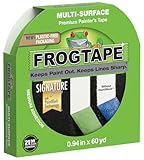
Alright, let’s cut to the chase. You’re staring at a roll of blue painter’s tape and a stack of Ram Board, wondering if they’re the dynamic duo you need for your floor protection project. I’ve been there, staring at a mess of scraped floors after a renovation, wishing I’d just used the right stuff. So, can one use blue painters tape with Ram Board? My short answer, after wrestling with it on more than one job site, is: it depends, and usually, you’re better off with something else.
It’s tempting, right? That blue tape is everywhere, cheap, and readily available. You think, ‘It’s tape, it’ll stick!’ But the reality of protecting something valuable, like a newly installed floor or a pristine subfloor, is less about convenience and more about reliability.
Why You Might Think Blue Tape Is the Answer (and Why It’s Usually Not)
Look, I get it. Blue painter’s tape has a reputation. It’s supposed to be ‘low tack,’ meaning it won’t rip the paint off your walls when you remove it. This ‘gentle’ nature makes people think it’s the perfect choice for delicate surfaces like finished floors or even subfloors that you don’t want to mar before the final flooring goes down. You’re thinking about the Ram Board, that heavy-duty cardboard stuff used to protect floors during construction or renovation. It’s tough, it’s thick, and it needs to be secured. So, the logic goes: if blue tape is gentle on walls, it should be gentle on Ram Board and the surface underneath.
I’ve seen people use it to tack down the edges of Ram Board, especially in smaller rooms or around tricky corners. The idea is to create a temporary barrier that’s easy to lift and reposition if needed. It seems like a no-brainer for DIYers who don’t want to invest in specialized floor protection tape. You might even have a half-used roll sitting around from painting the trim, and it feels wasteful to buy a whole new roll of something else. Plus, the blue color often feels ‘professional,’ doesn’t it? Like you’re using actual painter’s tape for a painting-adjacent task. It’s a familiar friend in the toolkit.
However, the problem isn’t usually that blue tape is too strong; it’s that it’s often not strong enough or not sticky enough in the long run, especially when dealing with something as substantial as Ram Board. Ram Board is designed to withstand foot traffic, dropped tools, and general construction chaos. It’s a bit heavy.
Blue tape, with its low adhesion, struggles to maintain a secure grip on this material for extended periods, particularly if there’s any moisture or significant temperature fluctuations on site. I remember one job where I used blue tape to secure Ram Board in a high-traffic hallway during a remodel.
Within two days, I was stepping on loose edges because the tape had started to peel away. It wasn’t a disaster, but it was annoying, and it meant I had to keep going back to press it down again.
The ‘low tack’ feature is great for painted drywall, but the underside of Ram Board can be surprisingly varied. Some of it has a slight coating, some is just raw cardboard. Blue tape might adhere okay initially, but its adhesive isn’t formulated for the kind of sustained grip needed to keep heavy sheeting perfectly flat and secure underfoot for weeks. It’s like trying to hold a heavy blanket in place with a piece of tissue paper. It might work for a minute, but don’t expect it to last.
The Real Deal: What Works Best for RAM Board
If blue painter’s tape is a maybe-leaning-no, what’s the actual solution when you need to secure Ram Board? My go-to, and what I’ve seen most pros use reliably, is heavy-duty construction tape. Think of the stuff that looks like heavy-duty packing tape but is much thicker and tackier, or specialized floor protection tape. These tapes are designed to adhere strongly to a variety of surfaces, including cardboard, wood, and even concrete, and they’re built to withstand more abuse than your average masking tape.
One of the best options is a good quality duct tape, but not the cheap, flimsy kind. I’m talking about the stuff that’s thick, fibrous, and has a really aggressive adhesive.
It might leave a bit of residue if you leave it on for months and months, especially on certain finished surfaces, but for temporary floor protection over Ram Board, it’s usually a solid performer. Just be mindful of the surface you’re taping to.
Taping Ram Board directly to a newly finished hardwood floor with aggressive duct tape? That’s a recipe for disaster. You want to tape the Ram Board seams together and secure the Ram Board to itself or to a sacrificial layer if it’s going directly on something precious.
My personal favorite for a slightly more refined approach is often a good quality floor protection tape. Brands like Ram Board themselves make specific tapes designed for their products. (See Also: Does Painters Tape Pull Off Paint )
These are usually a bit wider, often in a neutral color like grey or white, and have an adhesive that’s strong but typically removes cleanly from most common subfloors and even some finished floors when removed within a reasonable timeframe (think days to a few weeks, not months). They’re designed to hold the Ram Board down, prevent tripping hazards from lifted edges, and keep seams sealed against spills. It’s more expensive than blue tape, sure, but the peace of mind and the reduction in hassle are worth it.
I once spent an entire afternoon trying to scrape off residue from cheap duct tape I’d used on a project, and it taught me a valuable lesson about buying the right tool for the job.
Another option, especially if you’re just taping seams of Ram Board together rather than securing it to the floor, is a strong packing tape. Again, not the cheapest, thinnest stuff. You want something with a good plastic backing and a strong solvent-based adhesive that will hold. This is a good compromise if you’re primarily concerned about keeping the Ram Board panels butted up tight against each other to prevent debris from getting in between.
The key takeaway here is that the tape needs to be strong enough to hold down a relatively heavy, somewhat rigid material and resist peeling or tearing from foot traffic and potential impacts. Blue tape, with its low tack and often paper backing, just isn’t engineered for that kind of duty.
Common Mistakes When Taping RAM Board (and How to Avoid Them)
So, you’ve decided to try blue painter’s tape with Ram Board, or you’ve picked up some other tape and you’re wondering if you’re doing it right. Let’s talk about the screw-ups I’ve seen – and frankly, the ones I’ve made myself – so you don’t have to. The biggest mistake, as we’ve touched on, is using tape that simply doesn’t have enough grab.
Blue tape is the prime offender here. It’s designed for a temporary hold on clean, painted surfaces. Ram Board, especially if it’s been sitting around, can have dust and a slightly textured surface.
The low-tack adhesive on blue tape just can’t get a good purchase. Within a day or two, especially in a high-traffic area, you’ll find yourself tripping over lifted edges. It’s frustrating and defeats the whole purpose of floor protection.
Another common mistake is taping only the seams of the Ram Board together and not securing the edges to the floor (or a protective layer underneath). If you’re just taping the seams, you’re preventing dirt and debris from getting between the boards, which is good.
But if the edges of the Ram Board are curling up, you’ve still got a tripping hazard and a potential entry point for spills to seep underneath. You need to make sure the Ram Board stays flat. For this, a stronger tape that adheres to the subfloor (or whatever you’re protecting) is usually necessary.
If you’re taping directly to a finished floor (which I generally advise against unless absolutely necessary and using a very specific, floor-safe tape), you have to be extra cautious.
I remember a job where I was protecting a client’s engineered hardwood. I used Ram Board and thought a good quality general-purpose duct tape would be fine to secure the edges. Big mistake. The tape held the Ram Board down, but when it came time to remove it, it left behind a sticky, gummy residue that took hours of careful scraping and cleaning to get rid of, and even then, I worried I’d dulled the finish slightly. The client was less than thrilled. Since then, I’m much more judicious about the tape I use directly on finished surfaces, and I always do a small test patch in an inconspicuous area first.
Related to that is the assumption that all tapes are created equal. They’re not. Cheap duct tape might save you a few bucks upfront, but the adhesive can be inferior, dry out, or leave a stubborn residue. Conversely, a super-aggressive construction tape might be too strong for certain surfaces, potentially damaging them upon removal. You need a tape that balances adhesion strength with clean removability for the specific surface you’re protecting. This is where a dedicated floor protection tape shines, as it’s formulated with these factors in mind. It’s about finding the right balance for your specific situation. (See Also: Does Painters Tape Rip Paint Off Walls )
Finally, people often don’t use enough tape. They think a few strips here and there will do. For Ram Board, especially in larger rooms or areas with irregular shapes, you need to be generous with the tape. Run it along all seams, and if you’re securing the edges, do it at regular intervals – every 12-18 inches is a good rule of thumb. Overlapping tape is fine. The goal is to create a continuous, secure barrier. Cutting corners on tape is just asking for trouble, leading to lifted boards, spills, and potential damage that costs far more than a few extra feet of tape.
Real-World Use: When Blue Tape might Be Okay
Okay, I’ve been pretty down on blue painter’s tape for securing Ram Board. And for the most part, I stand by that. It’s generally not the right tool for the job when you need serious, long-lasting hold. However, are there any scenarios where it wouldn’t be a complete disaster? Let’s be brutally honest here. If you’re in a situation where:
1. The surface underneath is extremely durable and forgiving: We’re talking about bare concrete that you’re going to grind and re-pour anyway, or a very old, rough subfloor that you’re planning to rip out and replace entirely. In these cases, a bit of residue or a minor surface scuff from tape removal might be inconsequential. You’re not worried about damaging anything.
2. The Ram Board is only down for a very short time: We’re talking a few hours, maybe one overnight. If you’re just laying it down to protect the floor for a specific, short-duration task like moving heavy furniture across a room once, and you’ll be pulling it all up immediately after, blue tape might hold long enough. It’s not ideal, but it’s less risky than if it’s down for days or weeks.
3. **You’re only taping seams together, not securing to the floor:** If your primary goal is to prevent Ram Board panels from shifting relative to each other and you are NOT relying on the tape to keep the Ram Board flat against the subfloor, blue tape might suffice. This is usually the case when the Ram Board is being held down by weight (like cabinets being installed on top) or is itself secured by other means. The tape is just acting as a temporary seam binder.
4. You’re using it in conjunction with other, stronger fasteners: Perhaps you’re using the blue tape as a secondary reinforcement on top of a more solid fastening method, or you’re using it on edges that will have something heavy placed on them almost immediately. It’s not the primary hold, but a little extra help.
Even in these scenarios, I’d still approach it with caution and a healthy dose of skepticism. I’ve learned the hard way that ‘short time’ can easily turn into ‘longer than expected,’ and ‘not worried about residue’ can become ‘oh crap, that’s going to be a nightmare to clean.’ My personal experience leans heavily towards using tapes specifically designed for floor protection or heavy-duty construction when Ram Board is involved. The cost difference is usually marginal compared to the potential headaches, damage, or project delays caused by tape failure. It’s the kind of thing where you might get away with it once, but the one time you don’t, you’ll wish you’d just bought the right stuff.
Alternatives and When to Splurge
Alright, let’s talk about what you should be using instead of blue tape, and when it’s actually worth shelling out a few extra bucks. We’ve already mentioned heavy-duty construction tape and specialized floor protection tape. These are your primary contenders. Construction tape, like a good quality Gorilla Tape or a strong, fibrous duct tape, is generally quite effective.
It has a strong adhesive that can handle the rigors of a job site. The downside?
It can sometimes leave a sticky residue, especially if left on for an extended period or if the surface underneath is particularly sensitive. I once used a heavy-duty tape on a client’s recently refinished oak floor (don’t ask, it was a desperate situation) and had to spend hours with Goo Gone and a plastic scraper to get it all off.
It worked, but it was nerve-wracking.
This is where dedicated floor protection tape really shines. Companies like Ram Board, Trimaco, and others offer tapes that are specifically formulated to adhere strongly to their floor protection products while being removable from most common subfloors and even some finished floors without leaving residue. (See Also: Does Masking Tape Work The Same As Painters Tape )
These tapes are often wider, which means you use less of it to cover the same area, and they have a more predictable adhesion and removal profile. They are typically grey, white, or clear. While they cost more per roll than a standard roll of blue tape, the peace of mind and the reduction in post-project cleanup time are often well worth the investment.
For projects where the floor is already finished or where cleanliness and zero damage are most important, I absolutely recommend splurging on this type of tape. It takes a lot of the guesswork out of the equation.
Consider the overall cost of your project. If you’re installing a new hardwood floor that cost thousands of dollars, or if you’re a contractor whose reputation is on the line, spending an extra $10-$20 on the right tape to make sure that floor stays pristine is a no-brainer. It’s a small percentage of the total cost that can prevent a huge potential loss. Think about the time you’ll save not having to deal with tape residue or touch-ups. Time is money, especially on a job site.
What about other options? Some contractors use staples or even screws to secure Ram Board, especially around the perimeter. This is obviously not for use on finished surfaces, but on a raw subfloor, it’s a very secure method. However, it does involve tools and a bit more effort. For most DIYers and even many professionals, tape is the preferred method for its speed and ease of use.
Ultimately, when deciding whether to splurge, ask yourself: What’s the worst-case scenario if the tape fails? If the answer involves significant damage, costly repairs, or a very unhappy client, then it’s time to spend the extra money on tape that’s designed for the job. Blue painter’s tape is fantastic for its intended purpose – painting trim without getting paint on the walls. For anything more demanding, like securing Ram Board, you’re usually better off with a more solid solution.
Can I Use Regular Duct Tape on RAM Board?
Yes, you can use regular duct tape on Ram Board, but be cautious. High-quality, heavy-duty duct tape with a strong adhesive can work well for securing Ram Board seams and edges. However, it has a higher potential to leave behind sticky residue, especially on sensitive surfaces or if left on for extended periods. Always test in an inconspicuous area first if taping directly to a finished floor. For most applications, a dedicated floor protection tape is a safer bet.
Will Blue Painter’s Tape Damage My Floor If I Use It on RAM Board?
Blue painter’s tape itself is unlikely to damage most floors directly, as it’s designed to be low-tack. The primary issue is that its adhesive is usually not strong enough to reliably hold Ram Board down, leading to lifted edges and potential tripping hazards. If the tape fails and spills seep under the Ram Board, that could damage your floor. Also, if left on for a very long time or under certain conditions, even low-tack tape can sometimes leave a faint outline or a mild residue.
How Do I Remove Tape Residue From My Floor After Using RAM Board?
If you encounter tape residue after removing Ram Board, the method of removal depends on the type of floor and the type of tape used. For most residue, a mild solvent like Goo Gone or WD-40, applied to a soft cloth, can work wonders. For stubborn residue, a plastic scraper (never metal on finished floors) can help gently lift it. Always test any cleaning solution in an inconspicuous spot first to make sure it doesn’t damage your floor’s finish. For aggressive construction tape residue, you might need to be more patient and repeat the process.
What Is the Best Tape for RAM Board Seams?
The best tape for Ram Board seams is one that provides a strong, reliable bond to prevent panels from shifting or allowing debris to get between them. Options include heavy-duty construction tape, dedicated floor protection tape (often made by companies like Ram Board or Trimaco), or strong packing tape. The choice often depends on how long the Ram Board will be in place and what surface it’s laid on. Floor protection tape is generally the safest and most effective for long-term use and clean removal.
Can One Use Blue Painters Tape with RAM Board for a Short Period?
In very specific, short-duration scenarios, blue painter’s tape might hold Ram Board in place. This is generally limited to a few hours and only if the tape is applied to a clean, smooth surface and the Ram Board isn’t subjected to significant traffic or stress. It’s still not recommended, as the tape’s low tack means it can easily peel or fail unexpectedly. If you need protection for even a day, a stronger tape is highly advisable to avoid potential damage or inconvenience.
Final Thoughts
So, to circle back to the original question: can one use blue painters tape with Ram Board? My honest take, after years of on-the-ground experience, is that it’s a gamble you rarely want to take. While it might seem like a convenient, cheap option, the low adhesion and questionable staying power of blue tape often lead to more problems than they solve when it comes to securing a material like Ram Board.
You’re far better off investing in a proper heavy-duty construction tape or, ideally, a specialized floor protection tape. The small extra cost upfront will save you headaches, potential damage, and time spent cleaning up messes or re-taping loose edges. Think of it as buying insurance for your floors during your project.
My advice? For your next project involving Ram Board, skip the blue tape for securing it. Grab a roll of something designed for tougher jobs. Your floors will thank you, and you’ll have one less thing to worry about while you’re busy with the main event of your renovation or build.