So, you’ve tweaked your knee. Maybe you took a tumble, maybe you just pushed it too hard at the gym, or maybe you’re just getting older and things creak more than they used to. You’re looking around the house, desperation setting in, and you spot that roll of blue stuff on the workbench. The question pops into your head: can painters tape work to wrap a knee? I’ve been there, staring at solutions that aren’t quite solutions, and I can tell you right now, the answer is… complicated, and probably not what you want to hear.
It’s the kind of hack that sounds plausible. It sticks, it’s flexible, it’s readily available. But just because you can do something doesn’t mean you should. I’ve wasted my fair share of cash on gear that promised the moon and delivered… well, sticky disappointment. Let’s talk about why this particular DIY bandage might be a bad idea.
The Sticky Truth: Why You Shouldn’t Rely on Blue Tape for Your Knee
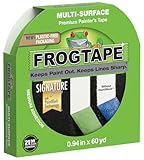
Alright, let’s cut to the chase. Can painters tape work to wrap a knee? Technically, yes, it will stick to your skin and provide some semblance of compression or support. But that’s like saying a rubber band can fix a leaky pipe – it might hold for a bit, but it’s a temporary, often messy, and potentially damaging fix. I learned this the hard way after a particularly embarrassing incident involving a sprained ankle and a roll of that ubiquitous FrogTape. I was convinced I was being clever, a real MacGyver of musculoskeletal support.
I’d just finished a ridiculously ambitious landscaping project that involved a lot more bending and twisting than my then-unprepared body was ready for. My ankle swelled up like a balloon, and of course, it was late Sunday afternoon.
The local pharmacy was closed, and my sports medicine cabinet was… barren. That blue tape, usually reserved for masking trim, seemed like a stroke of genius. I wrapped my ankle, feeling a smug sense of resourcefulness. For about an hour, it felt okay.
Then, the itching started. The tape, designed to adhere to painted surfaces and release cleanly, decided my skin was a permanent fixture. By the time I peeled it off (a process that involved a significant amount of swearing and probably took a layer of skin with it), my ankle was redder, angrier, and felt even worse than before. Lesson learned: tape for painting is not tape for people.
The core issue is the adhesive. Painters tape uses a pressure-sensitive adhesive formulated to bond to surfaces like drywall, wood, and metal, but to release without damaging the paint. This means it’s designed for a relatively short contact time and a surface that doesn’t have the delicate structure of skin. When you apply it to your skin, especially over a joint like a knee that moves and sweats, that adhesive can start to break down, lose its grip, or worse, become incredibly tenacious and irritating. Think about how it sometimes leaves residue on trim – that’s the kind of ‘stickiness’ we’re dealing with, but now it’s on your flesh.
What to Look for in Actual Knee Support (and Why Tape Isn’t It)
When you’ve actually injured yourself, you need support that’s designed for the job. I’ve gone through my fair share of braces and wraps over the years, from the cheap neoprene sleeves that do basically nothing to the heavy-duty hinged monstrosities that make you feel like a cyborg. The key is understanding what you actually need. (See Also: Does Painters Tape Rip Paint Off Walls )
For a mild tweak, like a bit of soreness after a long hike or a slight twist, a simple compression sleeve is often enough. These are usually made from breathable, elastic fabrics like spandex or nylon blends. They offer gentle, uniform pressure, which can help reduce swelling and provide proprioceptive feedback (that’s your brain getting a better sense of where your knee is in space, which helps prevent further injury). They’re comfortable enough to wear for extended periods and don’t typically cause skin irritation. I’ve got a couple of favorites that cost me around $25 each, and they’ve seen me through countless dusty trails and awkward landings.
If you’re dealing with something more serious – a ligament strain, a meniscus issue, or significant swelling – you’re probably looking at a more solid brace. These can range from wraps with adjustable straps that offer targeted compression to full-blown hinged braces that limit range of motion. The materials are usually more substantial, often incorporating breathable mesh panels and sometimes even gel or foam padding for extra comfort and support. A good quality hinged brace can set you back a few hundred bucks, but for serious instability or post-surgery recovery, it’s money well spent. I remember needing one after a particularly nasty soccer tackle; the difference it made in feeling secure while walking was night and day.
The biggest difference, and why tape fails, is breathability and designed-for-skin adhesion. Athletic tape, kinesiology tape, or even good old-fashioned medical wrap like Coban – these are all designed to work with your body. They allow for some air circulation, they’re hypoallergenic (or at least much less likely to cause a reaction), and their adhesives are formulated for temporary, secure adherence to skin. Painters tape? Not so much. Its adhesive is aggressive enough for paint but too harsh and not breathable enough for prolonged skin contact, especially on a joint that flexes and sweats.
Common Mistakes When Trying to Bandage Yourself Up
Look, I get the impulse. You’re hurt, you’re at home, and you want to fix it now. This is where people often make mistakes, and not just with painters tape. The desire for a quick fix can lead to more problems than it solves. Here are a few I’ve seen, and a couple I’ve made myself:
- Too Tight, Too Soon: This is probably the most common error. When you’re in pain, you might think tighter means more support. Wrong. Wrapping an injury too tightly can restrict blood flow, leading to numbness, tingling, and even tissue damage. It can also cause the bandage to dig in painfully, making things worse. I once wrapped my wrist so tight with athletic tape that I lost feeling in my fingers for a good hour. Scary stuff.
- The Wrong Material: Like we’ve discussed with painters tape, using materials not meant for skin contact is a recipe for disaster. This also applies to things like duct tape (please, for the love of all that is holy, do not duct tape your knee). While it’s strong, the adhesive is brutal, and it’s completely non-breathable.
- Ignoring the Underlying Issue: A bandage is a temporary tool. It’s not a cure. Relying on any kind of wrap, tape or otherwise, to mask pain while you continue to do whatever caused the injury in the first place is a classic mistake. You’re just delaying the inevitable and potentially causing more damage. I had a friend who hobbled around for weeks with a sprained ankle, just re-taping it every day, only to end up needing surgery because he’d torn a ligament further.
- Not Seeking Professional Advice: For anything more than a minor ache, trying to self-diagnose and self-treat can be risky. A doctor or physical therapist can tell you exactly what’s wrong and recommend the best course of action, including the right type of support. My own experiences with minor sprains were manageable with home care, but when I really tore my Achilles tendon, I ignored the pain for too long, thinking I could just tape it up. That was a nearly year-long recovery I could have shortened significantly by seeing someone sooner.
These aren’t just theoretical missteps. They’re based on seeing friends struggle and, frankly, from my own clumsiness and impatience. The intention might be good, but the execution can be seriously flawed when you’re improvising with the wrong tools.
Real-World Use Cases (and Why They Don’t Apply to Your Knee)
Painters tape is amazing for certain things. It’s brilliant for masking edges when you’re painting trim, creating clean lines on walls, or protecting surfaces from light overspray. I’ve used it to hold down a template for a stencil project, and it worked perfectly – it stayed put long enough for me to do the job and then peeled off without leaving a mess on the wood. It’s also surprisingly handy for holding small parts together temporarily while glue dries or for bundling up cables that are threatening to take over your desk.
There’s also a niche use where painters tape might be considered in a very indirect way for skin, but it’s not for support. For example, some artists use it to create a sort of barrier for specific paint effects or to hold stencils in place on non-delicate surfaces. But even then, they’re usually mindful of how long it’s on and the surface type. And it’s certainly not for any kind of therapeutic application. (See Also: Does Masking Tape Work The Same As Painters Tape )
The key difference is the duration of contact and the stress placed on the adhesive. When you’re painting a room, the tape might be on for a few hours, or maybe a day or two. It’s not being stretched, compressed, or subjected to sweat and movement. A knee wrap, however, is expected to stay on for hours, potentially through physical activity, and it’s constantly being flexed and stretched with every step or bend. The forces involved are completely different. The adhesive on painters tape simply isn’t designed to handle that kind of dynamic stress on skin.
I remember trying to use it to secure a dressing after a nasty paper cut on my finger. It seemed like a good idea at the time, but within an hour, the edges were peeling, and the adhesive was getting all over the actual bandage, making it useless. It just doesn’t have the staying power or the skin-friendliness for anything that’s going to be on your body for more than a few minutes, let alone a joint that’s constantly in motion. For anything that needs to stay put on skin, you need something specifically designed for that purpose, like medical adhesive or kinesiology tape. Even those have their limitations, but they are light-years ahead of blue tape for this application.
DIY Knee Support: What Actually Works (and What Doesn’t)
Let’s talk about what you can do when you’re in a pinch and need some knee support, besides resorting to sticky blue stuff. My philosophy is simple: if it’s designed for the human body, it’s usually a better bet. If it’s designed for a wall, probably not.
Here’s a quick rundown of common DIY-ish options and my verdict on them:
| Method | Pros | Cons | Verdict |
|---|---|---|---|
| Painters Tape | Sticks (sort of). Readily available. Cheap. | Skin irritation, poor adhesion over time, not breathable, leaves residue, can damage skin. | Terrible. Stick to painting. |
| Athletic Tape (Sports Tape) | Good adhesion, provides compression and stability, relatively breathable. | Can be expensive for frequent use, can still cause skin irritation for some, requires careful application. | Good. A solid option for minor support and stability if applied correctly. |
| Kinesiology Tape (K-Tape) | Designed for skin, breathable, allows full range of motion, can aid lymphatic drainage, lasts for days. | Requires proper application technique to be effective, can be pricey, not for major instability. | Excellent for pain relief and minor support, but not structural bracing. |
| Elastic Bandage (ACE bandage) | Provides compression, adjustable tightness, widely available and inexpensive. | Can loosen over time, can be applied too tightly, not very breathable, can bunch up. | Decent for temporary, mild compression. Needs frequent readjustment. |
| Neoprene Sleeve (Basic) | Provides warmth and mild compression, comfortable for extended wear. | Offers very little actual support, can be hot and sweaty, some people are sensitive to neoprene. | Okay for minor aches and warmth, but not for injury support. |
The takeaway here is that while the elastic bandage is a classic for a reason (and often found in first-aid kits), athletic tape and kinesiology tape are the real MVPs when you’re talking about tape-like solutions for the body. I’ve used athletic tape for basketball and sprained fingers more times than I can count, and while it’s a bit of a pain to get off, it works. K-tape, on the other hand, is what my physical therapist recommended for my persistent runner’s knee. It felt weird at first, like nothing was happening, but after a few hours, the dull ache was noticeably better. It’s not about brute strength; it’s about targeted support and allowing your body to heal.
The temptation to use painters tape is strong because it’s right there. But the reality is, the materials and adhesives are fundamentally different. Think of it this way: would you use a garden hose to fix a leaky faucet? Maybe in a dire emergency, but you wouldn’t rely on it, and you’d expect a mess. The same logic applies here. Stick to what’s made for the job, or at the very least, something that’s designed with human skin in mind. Your knee will thank you.
FAQ (See Also: Does Painters Tape Peel Paint )
Can Painters Tape Be Used for Sprains?
No, painters tape should not be used for sprains. While it is adhesive, it’s designed for surfaces like walls and trim, not delicate human skin. Its adhesive can be too harsh, leading to irritation, rashes, or even skin tears when removed. It also lacks the breathability and flexibility needed for proper joint support, potentially worsening the injury by restricting blood flow or not providing adequate stability.
Is Painters Tape Safe for Skin Contact?
Painters tape is generally not considered safe for prolonged or therapeutic skin contact. It’s formulated to adhere to inanimate objects and release cleanly from painted surfaces, not to withstand the dynamic stresses and perspiration of the human body. Allergic reactions and skin irritation are common, and its adhesive can be difficult and painful to remove without causing damage.
What Is the Difference Between Painters Tape and Athletic Tape?
The primary difference lies in their intended use and adhesive formulation. Painters tape is for painting, designed to protect surfaces and create clean lines, with an adhesive that is moderately strong but intended for easy removal. Athletic tape is specifically designed for sports injuries, offering stronger adhesion, better flexibility, and some breathability to provide support and stability to joints and muscles without excessively irritating the skin.
Can I Use Regular Tape to Wrap My Knee?
It is strongly advised against using regular tape, such as duct tape or packaging tape, to wrap your knee. These tapes have adhesives that are far too aggressive for skin and are completely non-breathable, posing significant risks of skin damage, severe irritation, and restricted circulation. Always opt for medical-grade tapes or bandages designed for skin contact and injury support.
What Kind of Tape Is Good for Wrapping a Knee?
For wrapping a knee, you should consider athletic tape, kinesiology tape (k-tape), or a cohesive elastic bandage (like Coban). Athletic tape offers solid support and stability, while k-tape is excellent for pain relief and promoting movement with less restriction. Cohesive bandages provide gentle compression and are easy to apply. Always make sure the product is safe for skin contact and suited to the severity of your knee issue.
Can Painters Tape Work to Wrap a Knee?
While painters tape will technically stick to your skin, it is a very poor choice for wrapping a knee. Its adhesive is too harsh for prolonged skin contact, leading to irritation and potential damage upon removal. Furthermore, it lacks the breathability and flexible support required for a joint like the knee. The risks of skin injury and inadequate support far outweigh any perceived benefit. Therefore, the answer to can painters tape work to wrap a knee is a definitive no for any practical or safe application.
Final Verdict
So, to circle back to the burning question: can painters tape work to wrap a knee? My honest, no-bones answer is: don’t do it. I’ve been down that road of thinking I could outsmart a problem with household items, and it usually ends with more pain, more mess, or a trip to the store anyway. Your knee deserves better than a product designed for masking paint lines.
There are plenty of affordable, readily available options specifically made for supporting injured joints, from simple compression sleeves to actual athletic tape. Investing a few dollars in the right product will save you a lot of potential heartache and skin irritation. Seriously, that blue tape is great for its intended purpose, but when it comes to your body, stick to the stuff that’s actually been tested and approved for skin contact.
If your knee is bothering you, take a few minutes to find a proper elastic bandage or, better yet, go to the pharmacy and pick up some athletic tape or a basic knee sleeve. It’s a small step that makes a world of difference in comfort and healing. Don’t let a DIY impulse turn a minor tweak into a bigger problem.