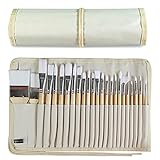
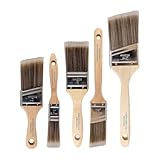
I remember the first time I bought a cheap pack of nylon brushes. They were bright yellow, promised a smooth finish for anything, and cost about five bucks for a dozen. What a joke. Within an hour, the bristles were splayed out like a startled cat’s fur, leaving more streaks than paint on the wall. It was a painful lesson in how ‘cheap’ often means ‘expensive’ in the long run. So, are nylon paint brushes good? Let’s cut to the chase: it depends entirely on what you’re painting and what you expect.
For certain jobs, they’re perfectly fine, even great. For others, they’re a recipe for frustration and a waste of your time and money. I’ve spent years slapping paint on walls, furniture, and the occasional wonky birdhouse, and I’ve learned a thing or two about what actually works. This isn’t going to be some corporate fluff piece telling you everything is amazing. We’re going to talk about the real deal.
When Nylon Brushes Actually Shine (and When They Don’t)
Look, nobody is going to convince me that a $2 pack of nylon brushes is going to give you a flawless cabinet finish. That’s just not how it works. But that doesn’t mean they have absolutely no place in your toolkit. I’ve found that for broad, less fussy applications, nylon can be surprisingly capable. Think of painting the back of a shed, the inside of a utility closet you’ll never really look at, or maybe even a quick coat on a fence post. These are jobs where a perfectly smooth, brush-stroke-free finish isn’t the top priority, and where you might be using thicker, water-based paints.
Water-based paints, like latex and acrylics, are where nylon brushes really show their strengths. Because they are synthetic, nylon bristles don’t absorb water like natural bristles do. This means they don’t get soft and mushy, and they hold their shape better when you’re working with these types of paints.
They also tend to be more durable against the chemicals in water-based paints, which can break down natural bristles over time. So, if you’re slapping primer on a large drywall project or painting your kids’ clubhouse, a decent quality nylon brush can actually get the job done without a fuss.
I’ve even used them for applying wood stain to outdoor furniture when I didn’t want to spend a fortune on a dedicated brush that would likely get trashed anyway. The key is ‘decent quality’ – you still need to avoid the absolute cheapest options.
The common advice you’ll find online often lumps all nylon brushes together, but that’s a mistake. There’s a huge difference between a flimsy, mass-produced brush and one made with better quality synthetic filaments. The better ones will have more filaments, a more consistent taper, and a better ferrule (the metal part that holds the bristles).
These distinctions matter. If you’re painting anything with a bit more detail or a surface that requires a really smooth, professional look, nylon brushes can quickly become a liability. They can leave those tell-tale brush marks, they don’t hold as much paint as a good natural bristle brush for oil-based paints, and they can feel less controlled. I once tried to paint some intricate trim with a cheap nylon brush, and it was a nightmare.
The bristles were too floppy, and I ended up with paint in places it absolutely should not have been. That’s when I learned that for fine detail, you need something more suited to the task.
What to Look for (and What to Avoid Like the Plague)
Alright, so you’ve decided you need a nylon brush for a job. What separates the good from the truly awful? First off, feel the bristles. A good nylon brush will have bristles that feel firm but have a slight flex to them. They shouldn’t feel stiff like a wire brush, but they also shouldn’t feel like wet spaghetti. There should be a bit of spring in them. Next, look at the density. A brush packed with bristles is generally better. Run your finger through them – if you can see straight through to the other side easily, it’s probably not a great brush. More filaments mean better paint pickup and a smoother lay-off.
Pay attention to the ferrule, too. This is the metal band that holds the bristles to the handle. It should be snug, without any gaps or wobbling. Cheap brushes often have thin, flimsy ferrules that can corrode or loosen, sending bristles into your paint.
A good ferrule will be made of stainless steel or a similar durable metal, and it should be crimped securely onto the handle. As for the handle itself, it should feel comfortable in your hand. You’ll be holding it for a while, so ergonomics matter. (See Also: Can Acrylic Paint Go In An Air Brush )
I’ve had brushes where the handle felt awkward, and it made the whole painting process more tiring than it needed to be. Consider the angle of the bristles too. Angled brushes are fantastic for cutting in around trim and corners, and nylon is good for this because it holds its shape well.
Here’s a contrarian opinion for you: some people swear by using the same brush for everything. I think that’s a recipe for disaster. If you’re using a good quality, expensive natural bristle brush for oil-based paints, you absolutely do NOT want to use it for latex.
The water in latex paint will ruin natural bristles. Conversely, if you’re using a good synthetic brush, using it for oil-based paints can be tricky because they don’t hold oil-based paint as well and can be harder to clean thoroughly. My rule of thumb is to have dedicated brushes for different paint types. For water-based paints, a good synthetic brush – nylon or polyester – is your friend.
For oil-based paints, you want natural bristles. Trying to cut corners here usually ends up costing you more in frustration and potentially a ruined finish. You also want to avoid brushes that shed.
If you see loose bristles in the store, put it back. Seriously. I’ve spent way too much time picking tiny hairs out of freshly painted surfaces.
A Real-World Comparison: When Nylon Wins
Let’s break down some common painting scenarios and see where nylon brushes land. This isn’t an exhaustive list, but it covers the situations where I’ve personally relied on nylon and found it to be a solid choice. It’s all about matching the tool to the job, and sometimes, nylon is the right tool.
| Paint Type | Surface/Task | Nylon Brush Verdict | Why |
|---|---|---|---|
| Water-Based (Latex, Acrylic) | Interior walls, ceilings, trim (general application) | Good to Excellent | Holds shape, easy to clean, durable against water. |
| Water-Based | Exterior siding, fences, sheds | Good | Handles rougher surfaces, cost-effective for large areas. |
| Water-Based | Cabinet doors, furniture (high gloss finish) | Fair to Poor | Can leave visible brush strokes, less control for fine detail. |
| Oil-Based (Enamels, Varnishes) | Interior walls, trim, furniture | Poor | Doesn’t hold oil-based paint well, difficult to clean, bristles can become gummy. |
| Oil-Based | Metal railings, outdoor structures | Poor | Same reasons as above. Natural bristles are far superior. |
| Stains (Water-based) | Decking, fences, outdoor furniture | Good | Durable, holds stain adequately, easy cleanup. |
| Primers (Water-based) | Drywall, plaster, general surfaces | Good to Excellent | Picks up primer well, lays it down evenly. |
As you can see from the table, the primary advantage of nylon brushes lies with water-based coatings. This is also where a lot of DIY painting happens. When you’re just trying to get a coat of paint on a wall without spending a fortune, a good nylon brush is a sensible option. I’ve painted entire rooms with nothing but a decent quality nylon brush and roller, and the results were perfectly acceptable for a living space. The key, as I keep harping on, is ‘decent quality.’ A $1 brush is a $1 brush, no matter the material.
The real downfall of nylon comes when you’re dealing with oil-based paints and varnishes. These are thicker, often solvent-based, and require a brush that can handle the viscosity and the cleaning solvents.
Natural bristles are porous and absorb oil-based products better, allowing for a smoother application and easier cleanup. Trying to force a nylon brush to do that job is like trying to scoop soup with a fork – it’s just not designed for it. I learned this the hard way when I tried to paint a wooden chest with an oil-based enamel using a nylon brush. It was streaky, the brush got all stiff and weird even after cleaning, and the final finish looked… well, homemade.
It was a mess.
Common Mistakes That Make Nylon Brushes Seem Terrible
One of the biggest mistakes people make with nylon brushes is using them for the wrong type of paint. As I’ve hammered home, they’re best for water-based. If you try to use them with oil-based paints or varnishes, you’re setting yourself up for failure. The paint won’t flow properly, the bristles can get gummed up and stiff, and cleaning them afterwards is a nightmare. This is probably why so many people have a negative opinion of nylon brushes – they’re trying to use them for tasks they’re not suited for. It’s like complaining that a screwdriver is a terrible hammer; it’s not the tool’s fault, it’s how it’s being used. (See Also: Can Acrylic Paints Be Used In An Aqua Brush )
Another common error is buying the absolute cheapest brushes available. I’m talking about those multi-packs you find at the discount store for pennies on the dollar.
These brushes are often made with low-quality filaments that splay out after minimal use, they shed bristles like crazy, and they offer very little control. You end up using more paint, spending more time trying to fix mistakes, and the finished product looks shoddy. It’s far better to invest a bit more in a mid-range or even a good quality nylon brush. You’ll get better performance, they’ll last longer (if cared for), and you’ll actually enjoy the painting process a bit more.
I once spent $15 on a single, well-made nylon brush for a specific trim job, and it performed better than a dozen of those cheap ones combined. That’s value.
Not cleaning your brushes properly is another surefire way to ruin them, regardless of material, but especially for synthetics. If you’re using water-based paint, you need to rinse the brush thoroughly with water until the water runs clear. Then, reshape the bristles and let it dry completely.
For oil-based paints (which you really shouldn’t be using with nylon anyway, but if you insist), you need mineral spirits or a brush cleaner. Once you’ve cleaned them, don’t just jam them bristles-down into a jar to dry. Reshape them and lay them flat or hang them to dry with the bristles pointing down. This helps maintain the shape of the bristles.
I’ve seen people just rinse a brush and shove it back in its packaging, bristles all bent. That’s a fast track to a brush that’s only good for scrubbing grout.
Putting Nylon Brushes to the Test: My Experience
I’ve got a few stories that really cement my feelings about nylon brushes. Years ago, I was helping a friend paint her new garage. It was a massive space, all bare drywall and concrete floors.
We were using a standard water-based interior paint, and she’d bought a huge pack of cheap nylon brushes, thinking she was being economical. We ended up tossing most of them within the first day because they just couldn’t handle the work. The bristles feathered, they left lines, and they basically made the job ten times harder.
We ended up running to the hardware store and picking up a few decent quality nylon angled brushes for cutting in, and some wider flat ones for the walls. The difference was night and day.
The better brushes made cutting in sharp lines a breeze, and the paint laid down much more smoothly. That experience taught me that while nylon can be good, you absolutely have to choose wisely.
Then there was the time I decided to repaint an old wooden garden bench. It was weathered, and I wanted a bright, durable finish. I decided to go with a water-based exterior enamel. I grabbed one of my go-to synthetic angled brushes – a good quality nylon one that cost me maybe $12. (See Also: A Brushes Digital Painting )
For the broad surfaces, I used a roller, but for getting into the nooks and crannies of the carved details, that brush was brilliant. It held the paint well, it didn’t drip excessively, and it laid down a smooth, even coat that dried to a tough finish. Because it was a quality brush, I could clean it up meticulously, and it’s still in my toolbox, ready for the next project of this type. That’s the difference quality makes.
You pay a little more upfront, but you get a tool that performs, lasts, and doesn’t make you want to throw it out the window.
Honestly, the biggest surprise for me has been how well some of the better-quality synthetic brushes handle certain water-based stains. I used a water-based deck stain on my patio furniture last summer, and the nylon brush I chose really impressed me. It picked up the stain effectively without becoming overloaded, and it spread evenly, allowing me to work the product into the wood grain without leaving lap marks.
The cleanup was just as easy as with paint. It made a job I usually dread feel manageable.
So, while I’m usually the first one to tell you to spend your money on good natural bristles for oil-based or high-end finishes, don’t discount a decent nylon brush for those everyday water-based tasks. Just do your homework and feel the bristles.
Frequently Asked Questions About Nylon Paint Brushes
Are Nylon Paint Brushes Good for Latex Paint?
Yes, generally speaking, nylon paint brushes are excellent for latex and other water-based paints. They are designed to resist water absorption, which prevents the bristles from becoming soft and losing their shape. This allows for better control and a smoother application of latex paints. They are also easier to clean after using water-based products.
Can I Use Nylon Brushes for Oil-Based Paint?
It’s generally not recommended. While you can use nylon brushes for oil-based paints, they are not ideal. Natural bristles are much better suited for oil-based products because they absorb the paint more effectively, leading to a smoother finish. Nylon brushes tend to not hold oil-based paint as well, can be difficult to clean thoroughly, and the solvents used can sometimes damage the synthetic filaments over time, making them less durable.
How Do I Clean a Nylon Paint Brush?
For water-based paints, rinse the brush thoroughly with warm water until all the paint is removed and the water runs clear. Gently work the bristles to make sure all residue is gone. Reshape the bristles with your fingers and lay the brush flat or hang it to dry, bristles down. For oil-based paints (again, not recommended for nylon), use mineral spirits or a specialized brush cleaner, following the same rinsing and reshaping steps, but with the appropriate solvent. Always clean brushes immediately after use.
What Is the Difference Between Nylon and Natural Bristle Brushes?
Natural bristle brushes, typically made from hog hair, are best for oil-based paints, varnishes, and stains. They absorb and hold these thicker products well, providing a smooth, even finish. Nylon and other synthetic brushes (like polyester) are best for water-based paints (latex, acrylics). They are more durable, resist water, and hold their shape better. They are also easier to clean after water-based applications. Synthetics are generally less expensive than high-quality natural bristles.
When Should I Use a Nylon Brush Over a Natural Bristle Brush?
You should use a nylon brush whenever you are painting with water-based paints, such as latex or acrylics. This includes interior walls, ceilings, and general household painting. They are also a good choice for applying water-based stains on decks or outdoor furniture when you want an economical and easy-to-clean option. Basically, if it’s water-based, a good nylon brush is likely your best bet for a reasonable finish without breaking the bank.
Conclusion
So, are nylon paint brushes good? The short answer is: for water-based paints, yes, they absolutely can be. Don’t let the cheap, flimsy ones fool you; there are some genuinely capable nylon brushes out there that can make your life easier and your paint jobs look great, especially on walls and general surfaces. They won’t replace the need for a high-quality natural bristle brush for oil-based finishes or certain fine woodworking projects, but for the everyday tasks involving latex or acrylics, a decent synthetic brush is often all you need.
My advice? Invest in a few good quality nylon brushes for your water-based projects rather than a massive pack of the cheapest option. Feel the bristles, check the ferrule, and if it feels solid and has some ‘snap’ to it, it’s probably worth a shot. Clean them well, and you might be surprised at how much use you get out of them. It’s about picking the right tool for the job, and for a lot of jobs, a good nylon brush fits the bill perfectly.
Next time you’re at the paint store, take a closer look at the synthetic options. You might just find your new go-to brush for all those water-based painting endeavors.