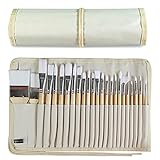
I remember staring at a bin full of dried-up paint brushes after a particularly messy DIY session. My mind immediately went to the trash can, but then a little voice in the back of my head whispered, ‘Wait a minute… can these actually be recycled?’ It’s one of those questions that seems simple, but the answer is anything but. We’ve all bought those cheap multipacks that feel like cardboard after one use, and the thought of adding them to landfill feels… wrong. So, let’s cut through the confusion and figure out if paint brushes are recyclable.
The honest truth is, most of the time, the answer is a resounding ‘no,’ at least not in your standard curbside bin. But that’s not the whole story. Like a lot of things in the world of DIY and crafting, it’s complicated, and what you do with them depends on where you live and how much effort you’re willing to put in.
The Grim Reality: Why Most Brushes End Up in the Bin
Let’s get this out of the way: if you’re thinking about tossing your used paint brushes into the blue bin with your cardboard and plastic bottles, stop. Just… stop. The vast majority of paint brushes, no matter how much you’ve loved them (or how much you hated them), are not accepted in your typical municipal recycling program.
And honestly, I can see why. Think about what a paint brush is made of.
You’ve got the handle, usually wood or plastic. Then you have the ferrule, that metal band holding everything together, often aluminum or tin-plated steel. And then, the star of the show, the bristles – synthetic nylon, polyester, animal hair like hog or badger, or even natural fibers like boar.
When you’ve got a mix of materials, especially with dried-on paint, it becomes a nightmare for recycling facilities. They’re not equipped to separate wood from metal from plastic from dried paint. It’s a composite mess.
I once tried to be ‘that person’ – the one who meticulously cleans every single brush, hoping to extend its life and maybe, just maybe, find a way to recycle it. I spent a good hour scrubbing a synthetic brush after a latex paint job. It looked clean, mostly. But then I looked at the little metal ferrule, the plastic handle, and the slightly splayed bristles.
Even with all that effort, it was still a mixed-material item with residual product. My local recycling center specifically lists ‘mixed materials’ as a no-go.
So, into the trash it went. It felt like a defeat, but also a pragmatic acceptance of how things work.
Trying to force these items into a system they weren’t designed for just contaminates the good stuff and makes everyone’s job harder.
The real problem, beyond just the mixed materials, is the paint itself. Even if you wash a brush as thoroughly as possible, there are always microscopic paint particles clinging to the bristles and trapped in the ferrule. This residue can contaminate other recyclables. Imagine a bunch of oily rags or paint-covered brushes mixed in with your paper. It’s not going to end well. So, the default answer, the one that keeps the system running smoothly, is that your average, everyday paint brush is destined for the landfill. It’s a harsh truth, but knowing it is the first step to making better choices, or at least understanding why we can’t just ‘recycle’ everything. (See Also: Can Acrylic Paint Go In An Air Brush )
The ‘clean Brush’ Myth and What to Do Instead
Okay, so we’ve established that your standard brush probably isn’t going in the blue bin. But what about the advice you sometimes hear about thoroughly cleaning brushes and then recycling them? Let’s call this the ‘clean brush myth,’ because while cleaning is key for brush care and reuse, it doesn’t magically make them recyclable in most places.
I’ve heard people say, “Just wash it till the water runs clear!” and then toss it in the recycling. I tried that once with an old oil-based paint brush after a particularly stubborn varnish job.
I used mineral spirits, scrubbed for what felt like an eternity, and the water did eventually run mostly clear. But was it truly clean enough to fool a sorting machine? I doubt it. And even if it was, the sheer effort involved made me question the point.
My honest experience with this approach is that it’s a lot of work for a very uncertain outcome. You might get lucky if you live in a place with incredibly advanced recycling capabilities, but for 99% of us, that ‘clean’ brush is still a mixed-material item with residual paint dust. The better approach, the one that actually works and feels less like wishful thinking, is to focus on two things: first, extending the life of your brushes through proper care and cleaning (using them until they’re truly worn out), and second, seeking out specialized recycling programs if they exist.
For brushes that have reached the end of their usable life, the most practical advice is to dispose of them responsibly. If you used water-based paints (latex, acrylic), make sure the brush is as dry as possible before bagging it and putting it in the regular trash. If you used oil-based paints or solvents, you need to be more careful.
Check your local waste disposal guidelines. Many municipalities have hazardous waste collection days or drop-off sites for items like leftover paint, solvents, and brushes used with them. Treating these items as hazardous waste is the responsible thing to do, preventing potentially harmful chemicals from leaching into the environment. It’s not ‘recycling’ in the traditional sense, but it’s the correct way to manage waste that can’t go through the normal channels.
When the Bristles Fly: Exploring Alternative Disposal and Reuse
So, if the recycling bin is a no-go and the trash bin feels like a last resort, what else can you do with those tired paint brushes? This is where things get a bit more creative, and honestly, more satisfying. The first and most obvious alternative is reuse.
A good quality brush, with proper cleaning and care, can last for years, even decades. I’ve got a couple of badger hair brushes that belonged to my grandfather.
They’re probably older than I am, and with a bit of a soak and a good rinse, they still lay down a beautiful coat of paint. The trick is to clean them immediately after use. For water-based paints, that means rinsing with warm water until all paint is gone, then working in a little soap (dish soap works fine), rinsing again, and then shaping the bristles and letting them dry hanging bristles-down, or laid flat.
For oil-based paints, you’ll need a solvent like mineral spirits or turpentine. Again, rinse until the solvent runs clear, then wash with soap and water. It takes a few extra minutes, but you save money and keep a tool in good condition. (See Also: Can Acrylic Paints Be Used In An Aqua Brush )
When a brush is truly beyond saving for painting, don’t just toss it. Think about other uses. Old, stiff brushes can be great for applying wood glue, cleaning grout, scrubbing hard-to-reach places, or even for crafting projects where precision isn’t most important. You can cut down the bristles to a shorter length if they’re splayed and unruly, making them more manageable for detailed tasks. I’ve seen people use them for applying wax to furniture or even for creating textured effects in art. It’s about looking at the object not just as a ‘paint brush’ but as a tool with potential.
For those brushes that are truly worn out, beyond repair, and have no other practical use, we circle back to responsible disposal. The key is to know your local regulations. Some areas have specific rules for household waste. If you’re in doubt, contact your local sanitation department or waste management provider. They can tell you whether to bag it, if it needs to go to a special drop-off, or if it can go in the regular trash. It’s not as glamorous as recycling, but it’s the right thing to do to minimize environmental impact. The idea that we can recycle everything is a nice thought, but the reality of mixed materials means we have to be pragmatic and informed.
The Experts Weigh in: What Do the Pros Say?
When you’re trying to get a definitive answer on something like ‘are paint brushes recyclable,’ it’s often a good idea to see what the people who deal with waste and recycling on a larger scale have to say. I’ve looked at a few local council websites and waste management company guidelines, and the consensus is pretty clear: most standard paint brushes are not recyclable through typical household collection services. They cite the mixed materials (wood, plastic, metal, bristles) and the presence of residual paint as the primary reasons. Some specifically mention that even if cleaned, the microscopic paint particles are an issue.
However, there’s a growing awareness around hard-to-recycle items. Organizations like TerraCycle offer mail-in programs for various household waste streams that aren’t accepted curbside. While I haven’t seen a widespread ‘paint brush recycling’ program specifically advertised by them, they do have programs for things like paint tubes and aerosol cans. It’s worth checking their site to see if any specific programs might apply or if they have partnered with paint manufacturers to create take-back initiatives in certain regions. These specialized programs are often the only way to truly recycle items like paint brushes if you’re committed to keeping them out of landfill.
The advice from painting professionals themselves often leans heavily on brush care and maintenance. They emphasize investing in good quality brushes that can be cleaned and reused hundreds of times. The lifespan of a brush is a direct counterpoint to the disposable mindset that often leads to these ‘recycling’ questions. If a brush is cared for, it’s less likely to be discarded prematurely. When a brush is finally retired, the professional advice usually falls back to checking local hazardous waste disposal options, especially if oil-based paints or solvents were used. They understand that the materials and the product residue make them unsuitable for standard recycling streams. It’s a practical approach: if it can’t be recycled, handle it safely.
Common Mistakes and Misconceptions About Brush Disposal
One of the biggest mistakes people make is assuming that if something could theoretically be broken down, it is recyclable. This is a dangerous oversimplification. Just because a brush is made of wood and metal doesn’t mean it’s automatically recyclable. The machines at sorting facilities aren’t smart enough to distinguish between a clean wooden handle and a paint-covered one attached to metal and bristles. The mixed materials are the primary barrier. I’ve seen people carefully separate wooden handles from the metal ferrules, thinking they’ve cracked the code. While that’s a nice gesture, it’s usually unnecessary effort because the entire item is generally not accepted, regardless of your efforts to deconstruct it.
Another common misconception is believing that if you wash out all the visible paint, the brush is ‘clean’ enough for recycling. As I mentioned earlier, microscopic paint particles remain. These are often enough to contaminate other materials or to trigger rejection at a sorting facility. Think of it like trying to recycle a greasy pizza box; even if you scrape off most of the cheese, the grease is still there and can ruin the paper fibers. The same principle applies to paint brushes. The residue is the killer.
Then there’s the ‘out of sight, out of mind’ approach. People just chuck them in the nearest bin without thinking about the environmental impact. This is where the effort comes in.
If you want to be more responsible, you have to do a little research. Is there a local hazardous waste collection event? Can you take them to a specific paint store that accepts old brushes?
Ignoring these questions means you’re contributing to landfill waste unnecessarily. I’ll be honest, sometimes the most convenient option is the trash can, but knowing that it’s not ideal is important. The real goal is to minimize the number of brushes you throw away by taking better care of them and by understanding the limitations of recycling programs. (See Also: A Brushes Digital Painting )
A Practical Comparison: Brush Types and Their Disposal Fates
Let’s break down some common types of paint brushes and what you’re likely to do with them when they’re done. This isn’t a definitive guide for every single municipality, but it gives you a general idea of what to expect.
| Brush Type | Common Materials | Recyclability Verdict (General) | Best Practice Disposal |
|---|---|---|---|
| Synthetic Bristle Brush (Nylon, Polyester) | Plastic/Synthetic Bristles, Metal Ferrule, Plastic/Wood Handle | Generally No (Mixed Materials, Residual Paint) | Clean with water/mild soap for reuse. Dispose in regular trash when worn out. For oil-based paints, check hazardous waste guidelines. |
| Natural Bristle Brush (Boar, Horsehair) | Natural Animal Hair Bristles, Metal Ferrule, Wood Handle | Generally No (Mixed Materials, Residual Paint) | Clean thoroughly with appropriate solvent (water for latex, mineral spirits for oil-based). Dispose in regular trash when worn out. Specialized cleaning is key. |
| Artist’s Fine Detail Brush (Sable, Synthetic) | Natural (Sable) or Synthetic Bristles, Metal Ferrule, Wood/Plastic Handle | Generally No (Similar to above) | Meticulous cleaning is most important for reuse. If truly worn out, dispose in regular trash. Can be good for small, non-painting tasks. |
| Foam Brush | Foam Head, Plastic/Cardboard Handle | Generally No (Foam is often not recyclable, mixed materials) | Dispose in regular trash. They are cheap and disposable by nature. Best for single-use or short-term projects. |
| Wire Brush (for cleaning/prep) | Metal Bristles, Metal/Plastic Handle | Potentially Yes (if ALL metal and no plastic/paint residue), but unlikely through curbside. | Check with metal scrap recyclers. Many will take all-metal items. If it has a plastic handle, it’s usually trash. |
As you can see, the ‘No’ is pretty consistent for curbside recycling. The key takeaway is to focus on making brushes last as long as possible through proper cleaning and maintenance. When they are truly finished, the responsible action is to dispose of them correctly, which often means regular trash or hazardous waste collection, depending on the paint used. It’s a bit of a bummer, I know, but it’s the practical reality of how our waste systems work. Don’t feel guilty about the trash bin; feel helped by making informed choices about care and disposal.
Faq: Are Paint Brushes Recyclable?
Can I Recycle Paint Brushes with Latex Paint on Them?
No, generally you cannot recycle paint brushes with latex paint on them. Even after washing, microscopic paint particles and the mixed materials (bristles, ferrule, handle) make them unsuitable for standard recycling programs. The best practice is to clean them thoroughly for reuse or dispose of them in your regular trash once dry.
What About Oil-Based Paint Brushes? Can They Be Recycled?
Oil-based paint brushes are even less likely to be recyclable due to the hazardous nature of the solvents used for cleaning. These brushes, along with any solvent residue, should ideally be taken to a household hazardous waste collection facility or event. They are not suitable for curbside recycling or even regular trash in many areas.
Are New, Unused Paint Brushes Recyclable?
Unused paint brushes are still typically not recyclable through curbside programs for the same reasons as used brushes: mixed materials. While they don’t have paint residue, the combination of plastic/wood/metal and bristles makes them difficult to process. Your best bet is to keep them for use or donate them if they are still in good condition.
What Should I Do with Old Paint Brushes That Are Falling Apart?
If old paint brushes are falling apart and are no longer usable for painting, they should be disposed of responsibly. For water-based paint brushes, dispose of them in your regular trash. For oil-based paint brushes, check your local hazardous waste disposal guidelines. Avoid putting them in recycling bins.
Is There Any Special Program for Recycling Paint Brushes?
While not common, some specialized recycling programs or manufacturer take-back initiatives might exist in certain regions, often through companies like TerraCycle or specific paint brands. It’s worth checking with your local waste management authority or looking for such programs online, but don’t count on them being readily available everywhere.
Final Verdict
So, the big question: are paint brushes recyclable? The short, blunt answer is: usually, no. They’re a classic example of an item made from too many different materials, all bound together with sticky, dried paint, to be easily processed by standard recycling facilities. My advice? Focus your energy on keeping your good brushes in service for as long as possible. Clean them well, and they’ll serve you faithfully for years.
When they finally give up the ghost, understand that for most of us, they’ll end up in the trash, especially if they were used with water-based paints. If you used oil-based paints or solvents, do your homework and find out where your local hazardous waste drop-off is. It’s not glamorous, but it’s the responsible path forward. Being a good DIYer isn’t just about making things look pretty; it’s also about dealing with your waste thoughtfully.
Next time you finish a project, take a moment to assess your brushes. Can they be cleaned up for another go? If not, know where they’re going next. This small bit of research and care makes a difference, even if it’s just a little one.