
You’re staring at your laptop, the dreaded moment of truth has arrived: you need to swap out a battery, upgrade RAM, or maybe just clean out that dust bunny colony threatening to overheat the whole operation. And then you see it – a tiny screw head, looking suspiciously different from the ones you’ve got rattling around in your toolbox.
The question echoes in your mind, probably while you’re already holding a perfectly good Phillips head screwdriver: can i use normal screws on a laptop? I’ve been there, fumbling in the dim light of a desk lamp, wondering if a slightly-too-big screw was going to strip the threads on my precious portable computer.
Let’s cut to the chase: it’s usually a bad idea. But why? And what happens if you ignore that nagging doubt?
Why Laptop Screws Are Not Your Average Screws
Look, I get it. You’ve got a perfectly good set of screwdrivers, probably bought for a DIY furniture project or assembling some IKEA monstrosity. They’ve served you well for years. So when it comes to those minuscule fasteners inside your laptop, the instinct is to grab what you know. But here’s the blunt truth: laptop screws are a breed apart. They’re not just smaller; they’re designed with a level of precision that your generic hardware store screws just can’t match. Think of it like trying to use a sledgehammer to crack a walnut – you might get there eventually, but you’ll probably smash the walnut (and maybe your hand) in the process.
The primary difference lies in their dimensions and thread pitch. Laptop screws are almost always metric, and they’re incredibly fine-threaded. This means there are more threads per inch (or millimeter, really), allowing them to grip securely in the thin plastic or metal casing of a laptop without requiring deep threads.
Standard screws, on the other hand, have coarser threads. Force one of those into a laptop’s threaded insert, and you’re basically re-cutting those threads. This can weaken the material, make the screw difficult to remove later, and, in the worst-case scenario, strip the threads entirely, leaving you with a loose screw that can’t be properly secured.
I learned this the hard way with an old Acer Aspire. I managed to jam a slightly-too-large screw into a chassis hole, and not only did it refuse to tighten, but the next time I needed to open that section, the hole was basically ruined. I ended up having to use a dab of super glue to hold a plastic bracket in place, which was a less-than-ideal fix.
Beyond size and thread pitch, the materials are also different. Laptop screws are typically made from hardened steel to withstand repeated insertions and removals without deforming. They’re also often coated to prevent corrosion and reduce friction. Regular screws might be softer steel, or even brass, which can bend or strip more easily.
And don’t even get me started on the heads. While many laptop screws use Phillips or Torx heads, the exact size and depth of the recess are important.
Using a slightly worn or the wrong-sized screwdriver can quickly turn a precise fit into a stripped mess. It’s the difference between a surgeon’s scalpel and a butter knife – both cut, but only one is built for delicate, intricate work.
The Scary Realities of Using the Wrong Screw
So, you’ve got a screw that looks kinda like it might fit. Maybe it’s just a millimeter longer, or the threads seem close enough. What’s the worst that can happen?
Famous last words, right? Well, the “worst” can range from minor annoyances to catastrophic failures. Firstly, there’s the immediate physical damage. Forcing a screw that’s too long can punch through the other side of a circuit board, damage delicate components, or even puncture the screen assembly if you’re working on the bottom case. (See Also: How To Fix Eyeglasses Arm Without Screw )
I once saw a buddy’s laptop screen get a faint line etched across it because he used a screw that was just 2mm too long on the hinge mechanism. It wasn’t a gaping hole, but it was a permanent blemish.
Then there’s the electrical side of things. Laptops are packed tighter than a rush-hour subway car. A screw that’s too long or made of the wrong material could potentially short-circuit components if it bridges a gap between two conductive surfaces. While most internal laptop screws are not conductive in the same way a loose wire might be, the risk is there, especially if you’re improvising with non-standard fasteners. The common advice is to always use screws that are the same length and type as the originals. This isn’t just some arbitrary rule; it’s born from countless people making the mistake you’re contemplating right now.
Even if you manage to get a screw in without immediate disaster, there are long-term consequences. As I mentioned, stripped threads are a major headache. That one hole you mangled might mean a particular panel can never be reassembled securely. This can compromise the structural integrity of the laptop, making it more prone to damage from drops or stress. It can also lead to rattling noises, or worse, allow dust and debris to enter the chassis more easily, exacerbating cooling issues. If you’re thinking, ‘well, I’ll just be super careful,’ that’s a noble thought, but the tiny tolerances inside a laptop leave almost no room for error. It’s like trying to thread a needle in a hurricane.
What to Look for: The Devil Is in the Details
Okay, so you’ve decided against using those old drywall screws. Smart move. Now, what should you be looking for? The key is specificity. Laptop manufacturers use a variety of screw types, but they generally fall into a few categories based on their head type, size (diameter and length), and thread pitch. The most common head types you’ll encounter are Phillips (often very small #000 or #00 sizes), Torx (security Torx, often with a center pin, sizes like T5 or T6), and sometimes Pentalobe (those star-shaped ones Apple loves). The important thing is to match the driver bit to the screw head exactly. Using a worn bit or one that doesn’t seat properly is a fast track to stripping.
Length is also most important. Screws are measured in millimeters, and even a millimeter or two difference can be significant. Manufacturers often have different lengths for different parts of the chassis. For example, screws holding the bottom case might be longer than those securing the keyboard deck or internal components.
It’s important to keep track of which screw came from where. This is where a magnetic mat with labeled compartments or even just taking photos as you go can be a lifesaver.
The thread pitch is the number of threads per unit of length. Laptop screws have very fine threads, meaning they are closely spaced.
Trying to force a screw with a coarser thread pitch will not work and will likely damage the receptacle.
If you’re replacing lost or damaged screws, your best bet is to find a reputable electronics repair parts supplier. Many of these sites allow you to search by laptop model or screw type.
You can often buy kits specifically designed for your laptop model, which is the safest and easiest option. These kits usually contain all the correct screws, sorted and labeled. I recently had to replace a few lost screws on a Lenovo ThinkPad, and buying a specific replacement kit for that model cost me about $15, which felt like a bargain compared to the potential cost of damaging the laptop. Sometimes, you might need to measure the old screw if you still have it, using calipers for precise measurements of diameter and length.
Online guides or forums dedicated to your specific laptop model can also be invaluable resources for identifying the correct screw specifications. (See Also: How Measure Metric Computer Screws )
| Screw Type | Typical Laptop Use | Opinion/Verdict |
|---|---|---|
| Metric Fine Thread | Almost all internal and external chassis screws | Key. These are what you need. Look for exact matches. |
| Standard Coarse Thread (e.g., wood screws, machine screws) | Rarely, if ever, used in laptops | Absolutely Not. Will strip threads and likely damage casing. |
| Self-Tapping Screws | Sometimes in plastic housings, but usually specific types | Risky. Only use if identical to original. Can create excessive stress. |
| Screws of Incorrect Length | Anywhere | High Risk. Can damage internal components or puncture casing. |
When Improvisation might Be Okay (but Probably Isn’t)
Now, I know what some of you are thinking. ‘But what if it’s just a temporary fix? What if I just need to hold this one piece on for a day or two?’ And to that, I say: I’ve lived that life, and it rarely ends well. The temptation to just jam something in there is strong, especially when you’re frustrated. However, the reality is that ‘temporary’ often becomes ‘permanent’ when you’re dealing with something as intricate as a laptop. If you absolutely must improvise because you’re in a remote location with zero access to proper parts, here’s what you need to consider, though I still advise against it.
Firstly, the material matters. If you’re forced to use a screw that isn’t the exact type, try to find one that is made of a similar hardness. You don’t want a screw that’s so soft it strips immediately, nor one that’s so hard it chews up the threads in the laptop’s casing. Secondly, the length is important. Err on the side of caution – a screw that’s too short is less damaging than one that’s too long. If a screw is too short, it simply won’t hold securely, which is an annoyance. If it’s too long, it can cause physical damage internally, which is a disaster. You’d be better off taping it down temporarily than risking internal damage.
The biggest offender in the ‘improvisation’ category is often the common household screw. They’re too big, too coarse, and made for different applications.
Another common mistake is using screws from other electronics that aren’t the same brand or model. While a screw from a desktop PC might seem similar, its dimensions could still be off enough to cause problems in a laptop.
My contrarian take here is that everyone says ‘just buy the right screws,’ and while that’s always the best advice, there are genuinely rare, desperate situations. However, the cost of failure – a damaged motherboard, a cracked casing, or a dead laptop – far outweighs the minimal cost of buying the correct screws. The only time I’ve seen ‘improvisation’ work without major incident is when someone used a very similar screw from a different component of the same laptop model that was known to be interchangeable. Even then, it was a calculated risk.
The Key Tool Kit for Laptop Screws
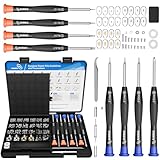
If you’re going to be doing any kind of work on your laptop, whether it’s a simple battery swap or a more involved upgrade, you absolutely need the right tools. Trying to force the wrong tool onto the wrong screw is a recipe for stripped heads and frustration. The cornerstone of any laptop repair toolkit is a precision screwdriver set. These aren’t your dad’s chunky screwdrivers; they are designed for small, intricate work. Look for sets that include a variety of bits, especially those tiny Phillips head sizes (#000, #00, #0), Torx (T4, T5, T6, T8 are common), and potentially Pentalobe bits (for Apple devices).
A good set will also have magnetic tips. This is a big deal.
Laptop screws are minuscule and love to vanish into the abyss of your carpet or desk. A magnetic tip helps you pick them up, hold them steady while you insert them, and prevents them from falling into the guts of your laptop. I’ve spent way too many hours with a flashlight and a magnet searching for a dropped screw.
Invest in a decent magnetic screwdriver set; it will save you time and sanity. Beyond screwdrivers, consider a plastic spudger or opening tool.
These are non-metallic wedges that you use to gently pry open laptop casings without scratching or damaging the plastic. Metal levers can easily mar the finish, and you don’t want to add cosmetic damage to the list of potential problems.
An anti-static wrist strap is also a must-have, especially if you’re working on sensitive components like the motherboard or RAM. Static discharge can fry these parts in an instant, and it’s not something you can see or feel. (See Also: How To Adjust Eyeglass Screw )
It’s a cheap piece of mind. Finally, a small container or magnetic mat to organize your screws is invaluable. As I mentioned, keeping track of which screw goes where is important.
A magnetic project mat with grids or labeled sections allows you to place screws in their corresponding spots as you remove them. This prevents the confusion of trying to figure out if that slightly longer screw belonged on the left side or the right. For example, iFixit’s magnetic project mat is a popular choice for a reason.
It’s simple, effective, and prevents the ‘which screw goes where?’ panic.
Faq: Addressing Your Burning Laptop Screw Questions
Can I Use a Slightly Longer Screw on My Laptop?
Generally, no. Using a screw that is even a millimeter or two longer than the original can cause significant damage. The extra length can punch through circuit boards, damage internal components, or even puncture the chassis or screen assembly. Always use screws of the exact specified length for each location.
What If I Stripped the Threads on My Laptop?
If you stripped the threads in the plastic or metal casing, you have a few options, none ideal. You can try using a slightly larger screw if the casing material allows and the new screw won’t cause other damage. Alternatively, you might be able to use a thread repair kit designed for plastic, or in some cases, a tiny amount of strong adhesive like super glue or epoxy to secure the component, though this makes future disassembly very difficult. Your best bet is to avoid stripping them in the first place by using the correct screwdriver and screws.
Where Can I Buy Replacement Laptop Screws?
You can find replacement laptop screws from specialized online electronics parts retailers. Many sites allow you to search by laptop make and model to find exact matches. You can also purchase general laptop screw kits, but make sure they include the types and sizes relevant to your device. Websites like eBay, Amazon, and dedicated repair parts suppliers are good places to start.
Are Laptop Screws Magnetic?
The screws themselves are typically made of steel, which is a ferromagnetic material, meaning they can be attracted to a magnet. However, they are not usually magnetized themselves. This is why using a magnetic-tipped screwdriver is so helpful – it allows you to pick up and manipulate these small, non-magnetic screws easily.
Final Thoughts
So, to circle back to the original question: can i use normal screws on a laptop? The resounding, no-nonsense answer is: don’t. The risks of damage – from stripping threads to puncturing delicate electronics – far outweigh any perceived convenience or cost savings of using generic hardware.
Your laptop is a precision instrument, and it deserves precision tools and fasteners. If you’re opening your device, the best advice I can give you is to invest in a quality precision screwdriver set and, if needed, source the exact replacement screws for your specific model. It might seem like a small detail, but it’s one that can save you a lot of headaches and potentially expensive repairs down the line.
Next time you’re faced with a tiny screw, remember this: the right tool for the job isn’t just about making things easier; it’s about preventing disaster. Do yourself a favor and use the right screws.
![AXTH 25-in-1 Small Precision Screwdriver Set, Professional Magnetic Mini Repair Tool Kit for Phone, Computer, Watch, Laptop, Macbook, Ring Doorbell, Eyeglass, Electronic, [Bearing Steel] Screw Driver](https://m.media-amazon.com/images/I/518YlLmPTcL._SL160_.jpg)
