
Right, so you’ve decided to tackle that aging iPhone 6. Maybe the battery’s shot, or you’re feeling brave and want to see what’s inside. You’ve got the toolkit, you’ve watched a video, and then… bam. You hit a screw that just will not budge. You can’t screw out screws in iPhone 6 models like you might expect, and it’s one of the most infuriating roadblocks you can hit when trying to repair or upgrade these older phones.
It’s not just you. Those tiny Pentalobe screws, combined with age, grime, or the dreaded over-tightening from a previous repair, can turn a simple job into a wrestling match. Don’t go Hulk-smashing your device just yet. There are ways to get those stubborn screws out without turning your iPhone into a paperweight.
Those Infamous Pentalobe Screws and Why They Stick
Let’s talk about the elephant in the room, or rather, the tiny screw at the bottom of your iPhone 6. Apple decided, for reasons that still baffle me sometimes, to use Pentalobe screws. These aren’t your standard Phillips or Torx heads; they have a unique five-pointed star shape. The main problem isn’t just the shape itself, but the quality of the screwdrivers you often get in cheap repair kits. Many are made of soft metal that rounds off the screw head on the first stubborn attempt.
And then there’s age. An iPhone 6 has been around for a while. Those screws have been subjected to temperature changes, moisture (even just from sweaty hands), and the general wear and tear of being in a pocket.
This can lead to corrosion or gunk getting into the screw head, basically cementing it in place. I remember my first time trying to open an iPhone 6 for a battery swap. I’d bought a cheap kit online, and after about three tries on the first screw, I saw the Pentalobe bit starting to deform. Panic set in.
I thought, ‘Great, I can’t screw out screws in iPhone 6 if my tool is garbage.’ I ended up having to order a higher-quality set and some isopropyl alcohol to try and dissolve whatever was jamming it.
The Pentalobe size for the iPhone 6 is P2, for what it’s worth, but knowing the size doesn’t help if your tool is made of cheese. The common advice is to use the right tool for the job, and that’s absolutely true here. But it’s also about patience and understanding that these screws can be a real pain. You’re dealing with very small, precise components. Applying too much force, or the wrong kind of force, is the quickest way to strip the head or damage the surrounding logic board.
Here’s a breakdown of what makes these screws such a nightmare:
| Issue | Why it’s a Problem | My Verdict |
|---|---|---|
| Pentalobe Head Shape | Unique, requires specific bit; easily stripped by cheap tools. | Annoying, but manageable with good tools. |
| Tiny Size | Easy to lose, easy to damage the surrounding casing. | Standard for small electronics, but requires delicate handling. |
| Corrosion/Gunk | Age, moisture, and residue can effectively ‘weld’ screws in place. | The real villain for stuck screws. Needs a solvent or careful manipulation. |
| Cheap Tool Quality | Bits deform easily, leading to stripped screw heads. | The #1 reason people fail. Don’t skimp here. |
| Over-tightening | Previous repairs or manufacturing can leave screws excessively tight. | Requires significant torque or alternative removal methods. |
The reality is, if you’re reading this, you’ve probably already experienced the frustration. You’ve tried turning, jiggling, maybe even a bit of percussive maintenance (which I do NOT recommend, by the way). The key is to stop, reassess, and use the right approach. Trying to force it is the most common mistake, and it usually ends with a stripped screw head, making the problem exponentially worse.
When the Tiny Screwdriver Just Isn’t Enough
So, your standard-issue, five-point screwdriver from that $10 toolkit isn’t cutting it. You’ve tried applying more pressure, maybe even wiggling it slightly, but the screw head just spins uselessly or, worse, starts to show damage. This is where people start to panic, thinking they’ve permanently damaged their phone. The truth is, usually, you haven’t. You just need to escalate your tactics slightly. It’s not about brute force; it’s about smart force and the right materials.
One of the best things you can do when a screw is being stubborn is to use a bit of penetrating oil or even a tiny drop of isopropyl alcohol (90% or higher is best). The idea is to get the liquid into the threads and break down any gunk, corrosion, or even adhesive that might be holding it captive.
Let it sit for a few minutes. Seriously, just leave it be. I’ve found that a tiny drop of electronic contact cleaner also works wonders, dissolving any residue. (See Also: How To Fix Eyeglasses Arm Without Screw )
You don’t need to drown the phone; just a small amount right around the screw head is enough. After letting it soak, try your screwdriver again. Often, it will come out with significantly less effort.
Another trick is to make sure your screwdriver bit has the absolute best possible grip on the screw head. If the bit itself looks even slightly worn, toss it. Get a high-quality P2 bit, preferably one with a magnetic tip. The magnet helps keep the screw from falling out once it’s loose, and a good quality bit will have sharper, more defined points that engage better with the screw head. Sometimes, pressing down firmly while turning slowly can make all the difference. The downward pressure makes sure the bit is seated as deeply as possible, minimizing the chance of slipping and stripping the head further.
If the head is already slightly damaged, you might need to try a different approach. A rubber band can sometimes help. Place a wide, thick rubber band over the screw head, then press your screwdriver firmly into the rubber band and screw head. The rubber can fill in minor gaps and provide enough friction to turn the screw. It’s a surprisingly effective trick for slightly rounded-out heads. I’ve used this method more times than I care to admit on various electronics, not just iPhones.
What about those times when the screw head is so mangled that even a rubber band won’t work? This is where things get a bit more serious. You might need to consider a micro screw extractor set. These are tiny metal bits with a reverse thread.
You drill a small pilot hole into the stripped screw head (carefully!) and then use the extractor to unscrew it.
This is a last resort, as it’s irreversible and can damage the surrounding components if you’re not extremely careful. I only recommend this if you’ve exhausted all other options and are prepared for the potential risk.
It’s definitely not for the faint of heart, and the margin for error is razor-thin on a device as delicate as an iPhone 6.
The Tools of the Trade: What You Actually Need
Look, we’ve all been there: you need one specific screw, and the cheapest toolkit you can find online has a million bits, most of which you’ll never use. But that one bit you do need? It’s probably made of pot metal that rounds off after two screws. When you’re dealing with tiny, delicate electronics like an iPhone 6, the quality of your tools isn’t just a recommendation; it’s a must. You can’t screw out screws in iPhone 6 if your Pentalobe bit is a joke.
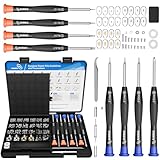
Let’s be clear. You need a Pentalobe P2 screwdriver. That’s the specific size for the two bottom screws on an iPhone 6. But don’t just buy any Pentalobe driver. Invest in a decent set. Brands like iFixit are well-regarded for a reason. Their bits are made of hardened steel, which means they’re far less likely to strip or deform. The handle often has better grip and ergonomics, allowing for more controlled torque. A good driver will feel solid in your hand, not flimsy.
Beyond the Pentalobe driver, what else is actually useful? A set of small Phillips head screwdrivers (PH000, PH00) is also key, as the internal screws are often Phillips. A spudger (a plastic prying tool) is invaluable for gently separating components without causing damage. Tweezers, especially fine-tip ones, are a must for handling tiny screws and cables. A suction cup is helpful for lifting the screen. And, as mentioned before, a small bottle of high-purity isopropyl alcohol (90%+) and some cotton swabs can help clean up gunk.
Here’s a more practical look at key tools and why they matter: (See Also: How Measure Metric Computer Screws )
| Tool | Purpose | Why it’s Important | My Recommendation |
|---|---|---|---|
| Pentalobe P2 Screwdriver | Bottom external screws | Specifically designed for iPhone 6 screws; quality matters immensely. | High-quality, hardened steel bit (e.g., iFixit). |
| Phillips #000 / #00 Screwdriver | Internal component screws | Most internal screws are Phillips; precise sizes prevent damage. | A precision set with multiple sizes. |
| Spudger | Prying, disconnecting cables | Plastic is less likely to scratch or damage components than metal. | Having a few with different tip shapes. |
| Fine-Tip Tweezers | Handling small screws, connectors | Precision is key when dealing with tiny parts. | Anti-static, non-magnetic if possible. |
| Suction Cup | Lifting the display assembly | Provides a stable grip without damaging the glass. | A small, solid one. |
| Isopropyl Alcohol (90%+) | Cleaning contacts, loosening gunk | Effective solvent for adhesive and minor corrosion. | A small bottle for electronics. |
People often think they can get by with whatever they have in a junk drawer. That’s a surefire way to end up in a situation where you can’t screw out screws in iPhone 6, or worse, you strip them and create a much bigger problem. A decent toolkit might cost you $30-$50, but it will save you headaches, potential damage, and the cost of replacing a phone because you tried to save a few bucks on screwdrivers.
Common Mistakes That Lead to Stripped Screws
This is where I get to vent a little. I see so many people online, and even friends in person, make the same dumb mistakes when they’re trying to fix their phones. It’s like they’re actively trying to make the problem worse. The most common mistake, hands down, is using the wrong screwdriver bit. I’ve seen people try to jam a tiny Phillips head into a Pentalobe screw. It’s like trying to fit a square peg in a round hole, except the peg is made of butter and the hole is made of titanium.
Secondly, and this is a big one, is applying too much force without proper engagement. You think you need to muscle it out, but if the screwdriver isn’t seated perfectly, you’re just grinding the edges of the screw head down. It’s like trying to turn a doorknob with a worn-out key. The key isn’t turning the knob; it’s just scraping away at the metal. Always make sure the screwdriver bit is fully engaged. Sometimes, you might need to gently push down on the screwdriver while turning very slowly. This firm, steady pressure is key.
Another mistake is not cleaning the screw head or the screwdriver bit. Dust, grime, or even a tiny bit of dried adhesive can prevent the bit from getting a solid purchase. Before you even touch a screw, take a quick look. If there’s visible debris, clean it off. A quick wipe with a microfiber cloth or a blast of compressed air can make a surprising difference. This is especially true if you’re dealing with a screw that’s been exposed to the elements or has had liquid spilled on it.
Here are the top blunders to avoid:
- Using the Wrong Screwdriver Type: Trying to force a Phillips into a Pentalobe or using a generic bit.
- Excessive Force Without Engagement: Turning hard when the screwdriver isn’t seated properly, leading to stripping.
- Neglecting Screw Head Cleaning: Not removing debris that prevents proper bit engagement.
- Over-Rotation: Spinning the screwdriver endlessly when the screw is already loose but stuck, which can damage threads.
- Skipping the Penetrating Agent: Not using alcohol or a cleaner on stubborn, corroded screws.
- Using Low-Quality Tools: Cheap screwdrivers are more likely to deform, ruining both the tool and the screw.
People often get impatient. They see the tiny screws and think it should be easy. But electronics repair, especially on older devices like the iPhone 6, requires patience and precision. When you’re tempted to just jam something in there and turn hard, take a breath. Step back. Re-evaluate your tool and your technique. It’s far better to spend an extra 10 minutes trying the right way than to spend hours trying to fix a stripped screw.
Practical Tips for Stubborn Screws (and When to Quit)
Alright, you’ve tried the basics, and you’re still stuck. You can’t screw out screws in iPhone 6 even with a good tool. This is where you need to think a bit outside the box, but still within the world of ‘not destroying your phone’. One tactic I’ve found surprisingly effective for screws that are just starting to strip is applying heat. Not a blowtorch, obviously. A hairdryer on a medium setting, aimed at the area around the screw for about 30 seconds to a minute, can sometimes soften any adhesive or corrosion. Let it cool for a moment, then try your screwdriver again. The thermal expansion and contraction can break the bond holding the screw.
If the screw head is visibly damaged, you might consider using a very fine-grit sandpaper or even a metal file to gently try and create a better surface for your screwdriver. This is risky. You need to be incredibly precise and only do it if you have a steady hand. The goal is to create a slightly flatter or straighter edge on the screw head for the bit to grip. Again, this is a last-ditch effort before resorting to more drastic measures.
What about those times when the screw just spins and spins, but never comes out? This usually means the threads inside the iPhone have been stripped, or the screw has cross-threaded. In this case, the screw is effectively fused to the casing. You might be able to carefully pry the component it’s attached to away from the screw, leaving the screw behind. It won’t be ideal, but it might allow you to proceed with your repair. This is often the case with the internal Phillips screws, rather than the Pentalobes.
When should you just stop? This is important. If you’ve tried the above, and you’re seeing metal shavings, the surrounding plastic or metal casing is starting to bend or crack, or you’re getting genuinely frustrated and angry, it’s time to walk away. Seriously. Go for a walk, have a cup of tea, and come back later with fresh eyes. Continuing when you’re angry is how you make irreversible mistakes. For some people, especially if the phone has sentimental value or contains important data, it might be worth taking it to a professional repair shop. They have specialized tools and experience dealing with these exact problems.
A professional might use a micro-welder to re-attach a damaged screw head, or a specialized laser cutter to remove a completely fused screw. These are not DIY solutions. But if you’re at your wit’s end, it’s a viable option. Don’t let a few stubborn screws defeat you, but also know your limits. For most users, the best advice is to get good tools, be patient, and use a little bit of solvent. If that doesn’t work after a couple of tries, re-evaluate if the repair is worth the potential damage. (See Also: How To Adjust Eyeglass Screw )
People Also Ask:
What Size Is an iPhone 6 Pentalobe Screw?
The Pentalobe screws on the iPhone 6 are size P2. This is a specific five-pointed star shape. You’ll need a Pentalobe P2 screwdriver to remove them. Using anything other than the correct size and type of screwdriver will likely strip the screw head, making it much harder to remove.
How Do You Remove a Stripped iPhone Screw?
Removing a stripped iPhone screw can be tricky. First, try using a rubber band between the screwdriver and the screw head to gain extra grip. If that doesn’t work, a tiny drop of penetrating oil or electronic cleaner can help loosen it. For severely stripped screws, a specialized micro screw extractor set might be necessary, but this is a last resort and requires extreme caution to avoid damaging the phone.
Can You Use a Regular Screwdriver on an iPhone 6?
No, you cannot use a regular Phillips or flathead screwdriver on the two bottom screws of an iPhone 6. These are Pentalobe screws, which have a unique five-pointed star shape. You absolutely need a Pentalobe P2 screwdriver designed for iPhones. Regular screwdrivers will not fit and will likely strip the screw head if you try to force them.
What Happens If You Strip an iPhone Screw?
If you strip an iPhone screw, the head will become damaged, making it impossible to get a good grip with the correct screwdriver. This can prevent you from opening the device, and if it’s a important screw, it can render the phone unusable until the stripped screw is removed. It significantly increases the difficulty and risk of further damage during any repair attempt.
How Do You Fix a Stripped Screw Hole in a Phone?
Fixing a stripped screw hole in a phone is generally not possible in the traditional sense of ‘fixing the hole’ because the threads are part of the phone’s internal structure or casing. The focus is on removing the stripped screw. If the screw is removed but the threads are damaged, sometimes a slightly larger screw of the same type can be used, or a tiny amount of thread locker applied to a new screw. However, for delicate phone components, this is often best left to professionals or avoided entirely.
When to Call It Quits and Get Professional Help
I’ve been there. I’ve spent hours hunched over a tiny device, sweating, cursing, and contemplating throwing my entire toolkit across the room. Sometimes, no matter how good your tools are, how much patience you have, or how many YouTube tutorials you’ve watched, a screw is just plain stuck. It’s a humbling experience, but it’s important to recognize when you’re out of your depth.
If you’ve tried all the sensible tricks – good quality Pentalobe bits, isopropyl alcohol, rubber bands, gentle heat – and the screw is still not budging, or worse, the head is now a mangled mess, it’s time to consider professional help. The risk of causing further, irreparable damage to your iPhone 6 increases exponentially with every minute you spend fighting a stubborn screw without a clear path forward. You could damage the logic board, crack the screen further, or strip threads in the casing itself.
Think about the cost. A professional repair shop specializing in phone repairs might charge anywhere from $20 to $75 to remove a single stubborn screw, depending on the complexity and their hourly rate. Compare that to the potential cost of buying a replacement iPhone 6 (which can still fetch a decent price if you’re selling parts) or paying for a full-blown motherboard repair. Often, the professional fee is well worth the peace of mind and the avoidance of further damage.
Don’t let your pride get in the way. If you’re not a seasoned electronics repair technician, attempting to extract a completely fused screw with advanced methods like drilling or using a Dremel tool is incredibly risky. The margin for error is millimeters. You could easily obliterate a important component. It’s a sign of intelligence, not failure, to know when to hand a problem over to someone with the right experience and equipment. Your goal is to fix your phone, not to prove you can conquer a screw.
Conclusion
So, if you’re wrestling with a screw that just won’t turn on your iPhone 6, take a deep breath. The most common reason you can’t screw out screws in iPhone 6 is a combination of cheap tools and a lack of patience. Invest in a quality Pentalobe P2 driver, use a bit of isopropyl alcohol to help loosen things up, and apply firm, steady pressure.
If those simple steps don’t work, and you start seeing damage to the screw head, don’t push it. You might need to resort to slightly more advanced, but still DIY-friendly, methods like the rubber band trick. But always remember that there’s a point where the risk of further damage outweighs the potential reward of fixing it yourself.
Ultimately, knowing when to stop and seek professional help is part of being a smart tinkerer. Sometimes, a few bucks paid to an expert saves you a lot of grief and a potentially ruined device. Good luck with your iPhone 6!
![AXTH 25-in-1 Small Precision Screwdriver Set, Professional Magnetic Mini Repair Tool Kit for Phone, Computer, Watch, Laptop, Macbook, Ring Doorbell, Eyeglass, Electronic, [Bearing Steel] Screw Driver](https://m.media-amazon.com/images/I/518YlLmPTcL._SL160_.jpg)
