I remember staring at a spaghetti junction of wires behind an old entertainment center, a tangled mess of black, red, and blue. My buddy, who’d done this a thousand times, grabbed a roll of tape, wrapped it around a connection, and moved on. I asked, ‘You got any green tape?’ He just grunted, ‘Why would I?’ That’s when it hit me: most people don’t even think about the color of electrical tape, let alone if electrical wire tape can be green. It seems like a silly question, but trust me, there’s more to it than just aesthetics.
I’ve wasted enough money on gadgets and gizmos that promised the moon and delivered dust. My journey through the world of electrical work, from simple home repairs to more complex projects, has taught me what’s hype and what’s helpful. And sometimes, the most straightforward questions have surprisingly nuanced answers.
The Obvious Question: Can Electrical Wire Tape Be Green?
Let’s cut to the chase: yes, absolutely, electrical wire tape can be green. It’s not some mythical unicorn of the electrical world. You can walk into any decent hardware store or order online, and you’ll find rolls of green electrical tape. It’s manufactured just like red, blue, yellow, or black tape. The manufacturing process for electrical tape, regardless of color, involves impregnating a stretchy vinyl or rubberized fabric with a pressure-sensitive adhesive. The pigments are added during the manufacturing of the vinyl film itself. So, if a manufacturer wants to make green tape, they just add green pigment. Simple as that.
The real question isn’t if it can be green, but why it often is, and if that color serves a specific purpose. For a long time, I just grabbed whatever color was cheapest or looked the most durable. My go-to was usually black or grey because they felt… substantial. I figured a darker color meant it was tougher, which, as it turns out, is mostly nonsense. The vinyl itself is the insulator; the color is just pigment. I once bought a roll of bright orange tape that felt flimsy, but it held up just as well as any other. It was the material and the adhesive, not the hue.
So, if you’re staring at a bunch of wires and thinking, ‘Man, I wish I had some green tape for this,’ rest assured, it exists. But before you go on a quest for the perfect shade of emerald for your wiring project, let’s talk about why color even matters in the first place. It’s not just about making things look pretty, although I’ve certainly been tempted to color-code my wires to match my meticulously organized tool drawer.
The availability of green tape is really about industry standards and, frankly, sometimes just market availability. You’ll see specific colors used more often for certain applications, and green is one of those colors that has carved out its niche. It’s not the most common color for general-purpose wiring, which tends to be black, red, or blue, but it’s definitely out there.
Why the Different Colors? It’s Not Just for Show
This is where it gets interesting, and frankly, where I see a lot of DIYers and even some seasoned pros tripping up. They assume color is just a random choice, or worse, they don’t think about it at all. For years, I was one of those people. I’d see a red wire, wrap it with black tape, and move on. It usually worked fine, but it wasn’t the smartest way to do things. The real reason for color-coding in electrical work, and thus for colored electrical tape, is safety and identification. It’s a visual language that helps prevent mistakes.
Think about it: if every wire was the same color, and every connection looked identical, how would you know which wire was live, which was neutral, and which was ground without testing every single one? It would be a nightmare. Standards exist to make our lives, and more importantly, our electrical systems, safer. Green is one of those colors that has a pretty well-established role.
The most common use for green electrical tape, or green wire insulation for that matter, is for grounding conductors. In North America, and many other parts of the world, green (or green with a yellow stripe) is the universal indicator for a safety ground wire.
This wire is there to provide a path for electricity to flow safely to the ground in case of a fault, preventing shocks. So, if you see green tape on a wire or a connection, it’s almost always signifying a ground connection. Using green tape to mark a ground wire is a practice that anyone working with electricity should be aware of. It’s a quick visual cue that can save a lot of confusion and potential danger.
Now, here’s where my contrarian streak kicks in. Some people argue that any color tape will do for marking grounds as long as you’re consistent within your own project. I disagree. (See Also: Are Some Electrical Tape Made Of Cloth )
While consistency is key, deviating from universally recognized color codes is a recipe for disaster, especially if someone else has to work on your wiring later, or if you’re working on a system that’s already partially wired. Imagine a future you, or a future electrician, trying to trace a fault. They see a green wire and instinctively know it’s ground.
If you’ve wrapped a hot wire with green tape because it was the only roll you had, you’ve just created a dangerous misrepresentation. It’s like painting a stop sign green – it breaks the established rules and introduces confusion where clarity is most important.
| Color | Common Use/Significance | My Verdict |
|---|---|---|
| Black | Often used for hot/live conductors in AC circuits. | My default for years. Functional, but can be confused with other colors if not careful. |
| Red | Often used for hot/live conductors, sometimes in specific circuits like 240V or alternative hot lines. | Good for distinguishing between different hot lines. |
| Blue | Typically used for neutral conductors in some systems, or for specific circuit types. | Less common for general use, but useful if following a strict color code. |
| Green | Safety ground conductor. Universally recognized. | Key for ground connections. Never use for anything else. A must for safety. |
| Yellow | Sometimes used for hot conductors, or with green for a green/yellow stripe for grounding. | Can be useful for distinguishing specific hot lines. |
| White | Typically used for neutral conductors. | Standard for neutrals. |
| Orange | Often used for specific voltage systems or as an alternative hot conductor color. | Can be useful for high-voltage or specific industrial applications. |
The Nitty-Gritty: What to Look for in Electrical Tape
Okay, so you know green tape exists and why it’s important for grounds. But not all electrical tape is created equal. I’ve grabbed cheap, off-brand rolls that felt like glorified plastic wrap. They stretched too easily, lost their adhesion after a few months, and looked like a sad, wrinkled mess. Then there are the rolls that are a pain to unroll, tear unevenly, and leave a sticky residue that’s a nightmare to clean up. You don’t want that. You need tape that’s actually designed for the job.
When you’re buying electrical tape, especially if you’re looking for specific colors like green, pay attention to a few things. First, the material. Most good electrical tape is made from vinyl. It needs to be flexible enough to conform to irregularly shaped wires and connections without wrinkling or tearing, but also tough enough to withstand abrasion and environmental factors. It should have good stretch – you want to be able to pull it taut around a wire, and it should hold its shape and tension without snapping back aggressively.
Second, the adhesive. This is important. A good electrical tape will have a strong, pressure-sensitive adhesive that sticks well when applied but doesn’t become impossible to remove or leave gunk behind. I’ve had tape that felt sticky out of the package, but once wrapped, it barely held on. Conversely, I’ve wrestled with tape that felt like cement, making it impossible to unwrap cleanly if I needed to make a change. Look for tape that specifies good adhesion, temperature resistance, and dielectric strength. Dielectric strength is basically how well it insulates against electrical current. For standard household voltages, you don’t need super-specialized tape, but you want something that meets basic safety standards.
Third, thickness. Thicker tape generally offers better insulation and abrasion resistance, but it can also be bulkier to work with. For most home electrical work, a standard thickness (often around 7-8 mils, or about 0.18-0.20 mm) is perfectly adequate. If you’re working in a high-vibration environment or somewhere where the wires might get a lot of physical abuse, you might consider a thicker tape. I once had a project where a wire was rubbing against a metal chassis, and I had to wrap it with multiple layers of heavy-duty tape to prevent it from wearing through. That was a lesson learned about considering the physical environment, not just the electrical aspect.
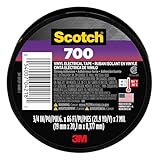
And finally, the brand. While I’m not one to blindly trust brand names, some brands have built a reputation for quality in the electrical supplies world. Brands like 3M, Scotch (which is a 3M brand), or even reputable tool manufacturers often offer reliable electrical tape. I tend to stick with brands I know have a track record. I bought a generic roll once for about half the price, and it was a complete waste of money. It started peeling within a year. That was a lesson learned: sometimes, paying a bit more upfront saves you the cost and hassle of doing the job twice.
Common Mistakes and What Not to Do
Mistake number one, which I’ve already touched on, is using the wrong color tape for the wrong purpose. If a standard calls for green for ground, don’t wrap your hot wire with it. It’s like putting a warning label on a product that says ‘fragile’ and then using it to ship bowling balls.
It defeats the purpose of standardized coding. I learned this the hard way when I was in a hurry and needed to splice a quick extension cord.
I used black tape on the ground wire because I ran out of green and figured, ‘Who’s gonna know?’ A few months later, I was fixing something else on that same cord, and my heart sank when I saw that green-taped wire. Thankfully, nothing bad happened, but it was a stark reminder that safety standards aren’t suggestions. (See Also: Can Electrical Tape Be Used On Hot Radiator Hose )
Another common blunder is using the wrong type of tape altogether. Duct tape? Masking tape? Packing tape? Absolutely not. These tapes aren’t designed to be electrical insulators. They degrade under electrical load, can melt, crack, or become conductive, and will not provide the necessary protection. I’ve seen people try to ‘make do’ with what they have, and it’s terrifying. Electrical tape is specifically formulated to handle voltage and temperature fluctuations. Using anything else is like trying to stop a bullet with a pillow.
Over-taping or under-taping is also a pitfall. Some people wrap a connection so many times it looks like a giant avocado, creating a bulky, awkward mess that can get snagged. Others barely wrap it, leaving too much exposed wire or a weak seal. The goal is to create a secure, insulating barrier that covers all exposed conductors and is snug but not overly bulky. Typically, overlapping the tape by about half the width of the tape with each wrap, and extending the tape a bit onto the insulation of the wires being joined, provides good coverage. You want it to look neat and secure, not like a mummy’s bandage.
Not cleaning the wires before taping is another overlooked error. If there’s dirt, grease, or corrosion on the wire, the tape won’t adhere properly. This can lead to the tape loosening over time, exposing the conductor and creating a safety hazard. Before you tape any splice or connection, give the wires a quick wipe-down with a clean cloth, maybe even a bit of isopropyl alcohol if they’re greasy. It makes a surprising difference in how well the tape adheres and lasts.
Finally, not testing the connection after taping is a huge mistake. Just because you taped it doesn’t mean it’s electrically sound. Always use a multimeter or a voltage tester to confirm that your connection is good and that there are no shorts or open circuits before you restore power. I learned this the hard way when I thought I’d perfectly spliced a new outlet, only to find out later that one of my connections was loose. The whole thing sparked and tripped the breaker. A quick test beforehand would have saved me the trouble.
People Also Ask: Can Electrical Wire Tape Be Green?
What Color Is Electrical Tape for Ground Wires?
Electrical tape for ground wires is almost universally green. In many electrical codes and standards, green (or green with a yellow stripe) is the designated color for safety ground conductors. This is a important visual cue to identify the wire that provides a path for fault current to safely dissipate into the earth, protecting people from electric shock.
Is Green Tape Safe for Electrical Work?
Yes, green electrical tape is safe for electrical work, provided it is a tape specifically designed for electrical applications (e.g., vinyl electrical tape) and is used for its intended purpose, which is typically marking ground connections. It offers the same insulating properties as other colors of electrical tape from reputable manufacturers.
What Do Different Colors of Electrical Tape Mean?
Different colors of electrical tape are used to signify different types of wires and their functions, aiding in identification and safety. While specific codes can vary slightly by region or application, common associations include: black or red for hot/live wires, white or blue for neutral wires, and green for ground wires. Some colors like orange might be used for specific high-voltage applications or alternative hot lines.
Real-World Applications and Practical Tips
Beyond just marking ground wires, green electrical tape can find its way into other niche applications where color-coding is beneficial, though less universally standardized. For instance, in some industrial settings or for specific custom projects, green might be used to denote a particular circuit type or a control wire. However, it’s important to understand the local electrical codes and any specific project requirements before assigning a color to a function that isn’t the standard ground identification. If you’re unsure, stick to the established norms.
When you’re applying tape, especially on a curved surface or a complex junction, think about how you’re wrapping. Start a little before the connection point and end a little after, overlapping the tape as you go.
The idea is to create a smooth, insulating sheath. Don’t pull so hard that the tape thins out excessively, as this compromises its strength and insulating properties. A firm, consistent tension is best. I remember trying to tape a particularly awkward joint in a tight space once, and I ended up with a lumpy, uneven mess. (See Also: Can Duct Tape Conduct Electricity )
It took me three tries to get it right, and on the third try, I realized I was trying to force it instead of working with the shape of the wires.
For outdoor or high-moisture applications, consider using a tape that specifically advertises UV resistance and water resistance. Standard vinyl tape will degrade over time when exposed to the elements. I learned this the hard way with some outdoor lighting I installed. The connections I’d taped with regular electrical tape started looking chalky and brittle after a couple of years, and I had to re-do them with a more solid, weather-resistant tape. That cost me time and money I didn’t have to spare.
If you’re doing any kind of low-voltage wiring, like for your home network or alarm system, color-coding can still be helpful. While the stakes are lower than with mains voltage, having a clear system for identifying different data or signal wires can prevent headaches down the line if you need to troubleshoot or expand your system. Green tape can be useful here if you’ve decided to use it for a specific category of low-voltage wiring, as long as you document it.
One practical tip I always follow: buy more tape than you think you’ll need. Electrical tape can be surprisingly versatile, and you’ll find yourself using it for more than just wiring splices. It’s great for temporarily securing wires, labeling things, or even for minor repairs on tools or equipment. Having a few rolls in different colors on hand means you’re always prepared. I always keep a roll of green, black, and red in my toolbox. It covers most of my bases for standard wiring tasks.
The Future of Wire Identification
While colored electrical tape has been around for ages and remains a primary tool for wire identification, the world of electrical work is always evolving. We’re seeing more and more pre-insulated connectors and wire management systems that simplify the process. However, tape still holds its place for many applications, especially for repairs, custom work, and situations where a flexible, adaptable solution is needed. The role of green tape, specifically for grounding, is unlikely to change because it’s such a deeply ingrained safety standard. You can’t just switch that out overnight.
The technology behind the tape itself is also improving. Manufacturers are developing tapes with better adhesion, higher temperature ratings, and enhanced resistance to chemicals and UV exposure. There’s also a push towards more environmentally friendly materials, though finding a truly ‘green’ electrical tape in terms of composition that meets all the rigorous safety standards can be a challenge. For now, the primary ‘green’ aspect we’re talking about is its function in electrical safety identification.
One area where innovation might impact tape use is in smart homes and advanced automation. As systems become more complex, the need for clear, unambiguous wire identification becomes even more most important. While digital identification methods might emerge, the simple, tangible nature of color-coded tape is hard to beat for immediate visual recognition in a crowded junction box or behind a wall panel. It’s a universally understood language for electricians and DIYers alike.
So, when it comes to the question of can electrical wire tape be green, the answer is a resounding yes. And more importantly, that green color often signifies something vital: safety. It’s a small detail, but in the world of electricity, small details can make all the difference between a safe, functional system and a dangerous problem. Don’t underestimate the power of a colored stripe or a carefully wrapped layer of tape.
Verdict
So, can electrical wire tape be green? Yes, it absolutely can, and in most cases, when you see green tape on a wire, it’s there for a very good reason: to mark a safety ground. It’s not just for looks; it’s a important part of electrical safety signaling. Don’t just grab any old color if you’re dealing with grounding; stick to the green to keep things clear and safe.
My personal journey through the world of wires has shown me that while the color of tape might seem trivial, adhering to established color codes can prevent serious confusion and potential hazards down the line. It’s one of those simple, inexpensive steps that contribute to a safer electrical environment for everyone.
Next time you’re working with electrical connections, take a moment to consider the colors. Are you using green tape for ground? Are your hot wires clearly identified? It’s a small effort that pays big dividends in safety and ease of future maintenance.