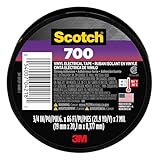
I remember staring at a tangle of wires behind an old stereo cabinet, a single piece of unraveling vinyl tape clinging precariously to a connection. The wire was frayed, and the tape was… well, pathetic. It was one of those moments where you realize some jobs demand the right tool, and cheaping out has consequences. So, can I substitute other kinds of tape for electrical tape? It’s a question I’ve heard a lot, and frankly, it’s one that makes my eye twitch a little, because the answer is usually a resounding ‘no,’ unless you really know what you’re doing and accept the risks.
Most folks just want to patch something up quickly, and that’s understandable. But electrical tape isn’t just about holding things together; it’s about safety, insulation, and durability in conditions that other tapes simply can’t handle. Let’s break down why that flimsy masking tape or duct tape you’re eyeing is a terrible idea for anything involving electricity.
Why Messing with the Wrong Tape Is a Bad Idea
Look, I’ve been there. You’ve got a loose wire, maybe a frayed cord on a lamp, and you reach for the nearest roll of tape. It feels like a quick fix, right? Wrong.
The first time I learned this the hard way was with a cheap toaster oven that had a bit of a short. I wrapped it with what I thought was ‘good enough’ tape.
A few weeks later, the smell of ozone and a small, smoky puff told me otherwise. Thankfully, no fire, but the lesson was learned: when it comes to anything electrical, you absolutely cannot just grab any old tape off the shelf.
Electrical tape is specifically engineered for a reason. It’s designed to be non-conductive, meaning it won’t let electricity pass through it.
This is its primary job – to insulate wires and connections, preventing shocks and short circuits. Most other tapes, like duct tape, masking tape, or even packing tape, are not designed with electrical insulation in mind.
They conduct electricity, meaning wrapping a live wire with them is like putting a conductive ribbon around a live circuit. That’s asking for trouble, plain and simple. Furthermore, electrical tape is made to be durable and resistant to a range of temperatures and environmental factors.
It stays flexible, doesn’t crack easily, and adheres well without leaving a sticky, gunk-filled mess behind when you eventually need to do the job properly. Cheap imitations or the wrong type of tape will likely degrade, get brittle, or melt, exposing the wire and creating a hazard all over again, often sooner rather than later.
What Makes Actual Electrical Tape So Special?
Electrical tape is a pretty specific product, and it’s not just about the color. The stuff you’re supposed to use, typically vinyl, is chosen for a few key properties.
First and foremost is its dielectric strength. This is a fancy way of saying how much voltage it can withstand before it breaks down and lets electricity through.
Good quality electrical tape has a high dielectric strength, meaning it can handle a significant electrical charge safely. You won’t get that from your average roll of Scotch tape.
Secondly, it’s formulated to be stretchy and conformable. This allows you to wrap it tightly around irregular shapes, like wire splices or connectors, creating a smooth, continuous layer of insulation without gaps or bubbles. It’s also designed to stick to itself really well, creating a self-sealing, protective layer that doesn’t peel off or loosen up over time, even with movement or temperature changes. (See Also: Can I Use Electrical Tape To Connect Wires )
Think about it: wires flex, they get bumped, they’re in environments that might be damp or warm. Other tapes just aren’t built for that kind of abuse. Masking tape gets gummy and falls apart. Duct tape leaves a residue that’s a nightmare to clean and its adhesive isn’t designed for long-term electrical contact.
Even heavy-duty tapes like Gorilla Tape, while strong, are not insulated and can compromise the safety of an electrical connection. The pliability of true electrical tape is also a big deal.
You can stretch it as you wrap, and it conforms snugly, making sure no air pockets. This is vital for preventing moisture ingress and for maintaining a consistent insulation barrier. It’s this combination of dielectric strength, flexibility, and self-adhesion that makes proper electrical tape the only real choice for electrical work.
Anything else is a gamble with your safety and your equipment.
Common Substitutes and Why They Fail
Let’s talk about the tape you might be tempted to use instead. The most common one that comes to mind is duct tape. Everyone has duct tape, right?
It’s the universal fix-it-all. But when it comes to electrical work, duct tape is a big fat NO. Its adhesive is formulated for general-purpose sticking, not for high-voltage insulation. It’s also not particularly stretchy, meaning it won’t conform well to wires.
Worse, the adhesive can degrade over time, especially with heat, and it leaves a sticky, gooey residue that’s a pain to remove. Then there’s masking tape or painter’s tape.
This stuff is designed to be temporary and easily removable from surfaces like walls. It’s made of paper and a weak adhesive. It offers virtually zero electrical insulation and will fall apart or conduct electricity if things get dicey. It might hold two wires together loosely for a few minutes, but it’s not a solution.
Packing tape, clear or brown, is another tempting option because it’s strong and widely available. However, it’s made of plastic film, which is generally not a good electrical insulator, and its adhesive is designed for cardboard, not electrical connections. It can melt, become brittle, or simply fail to provide the necessary protection. Even some of the more aggressive “heavy-duty” tapes, like certain fabric-backed tapes, aren’t rated for electrical use.
They might be strong, but they’re not non-conductive. The core issue with all these substitutes is that they lack the specific engineering for electrical safety. They don’t have the dielectric strength, the temperature resistance, or the long-term adhesive stability required for insulating electrical connections. Using them is like trying to put out a grease fire with water – you’re making the problem worse.
When can You Use Something Else (and What to Look For)
Okay, so I’ve been hammering home that you shouldn’t use other tapes. But are there any exceptions? Very, very few, and only if you are extremely diligent and understand the limitations. For low-voltage, non-important applications, you might get away with a tape that has some insulating properties, but it’s still a compromise.
For example, if you’re just tidying up a few low-voltage speaker wires that aren’t exposed to much stress or heat, you could potentially use a good quality vinyl electrical tape that isn’t specifically branded as ‘electrical’ but has similar properties. However, it’s a slippery slope. The temptation to use it on something more significant will always be there. The only time I’d even consider something other than true electrical tape is if I absolutely, positively cannot get actual electrical tape and the application is so low-stakes it’s almost trivial – think bundling a few USB cables together that aren’t plugged into anything, or securing a loose wire temporarily while you go buy the right stuff. (See Also: Can Electrica Tape Catch On Fire )
If you must use an alternative, look for tapes that explicitly state they are non-conductive or have a decent dielectric strength rating. This is rare outside of actual electrical tape. Some rubber-based or silicone tapes designed for splicing or high-temperature applications might have some insulating properties, but they are often expensive and overkill for simple wire wrapping.
My rule of thumb, and the one I stick to religiously, is this: If it’s not designed and marketed as electrical tape, don’t use it on an electrical connection. The few dollars saved are not worth the potential fire hazard, shock, or equipment damage. I learned this with a cheap set of fairy lights that had a dodgy connection; I wrapped it with regular tape, and well, let’s just say the whole string of lights ended up in the bin. Buy the right tape.
It’s cheap, it’s effective, and it keeps you safe.
Real-World Scenarios: What I Use and When
I’ve got a toolbox that’s seen better days, filled with tools and supplies I’ve acquired over years of tinkering. Among the essentials, there are always a few rolls of proper electrical tape. I’ve got the standard black vinyl stuff from 3M – it’s reliable and I trust it. I also keep a roll of the higher-grade, thicker vinyl tape for situations where I need a bit more insulation or protection, like on outdoor extension cords that might get a bit banged up.
When I’m working on anything involving mains voltage – like fixing an appliance cord, splicing a wire on a power tool, or even just making sure a junction box is sealed up tight – it’s always dedicated electrical tape. I’ve never once thought, “You know what would work here? Duct tape!” The thought just doesn’t occur because the risk is too high. I’ve seen the aftermath of shoddy electrical work, and it’s rarely pretty.
Small fires, melted plastic, and the smell of burnt insulation. It’s not worth the gamble. For general-purpose bundling of non-electrical cables, like network cables or audio leads, I’ll use hook-and-loop straps or plastic zip ties. They’re neater and easier to remove if I need to change something.
If I need to tape something that’s near electronics but not on them, like securing a loose panel or reinforcing a cable housing, I might use a strong fabric tape, but never on the wires themselves. The key is understanding the function. Electrical tape’s primary function is insulation. If the tape you’re considering doesn’t fulfill that primary function, it’s not the right tape.
It’s that simple. My rule is to always have a fresh roll of good quality electrical tape readily accessible. It’s one of those cheap items that prevents much more expensive and dangerous problems.
Practical Tips and Common Mistakes to Avoid
Here are some pointers to make sure you’re using electrical tape correctly and avoiding common pitfalls. First off, always clean the surface of the wire or connection you’re taping. Dirt, grease, or old adhesive can prevent the tape from sticking properly, compromising the insulation.
Secondly, stretch the tape as you apply it. This not only makes sure a tighter, more secure wrap but also activates the adhesive and helps create that self-sealing effect.
Don’t just slap it on loosely. Overlap each wrap by at least half the width of the tape.
This creates a continuous, smooth barrier. If you’re taping a splice, keep wrapping a bit onto the insulation of the original wires on either side to make sure complete coverage. (See Also: Can I Substitute Duct Tape For Electrical Tape )
Another mistake I see people make is using tape that’s too old or has been stored poorly. Electrical tape can dry out, become brittle, or lose its stickiness. If the tape feels stiff or cracks when you try to stretch it, toss it and get a new roll. Don’t try to salvage it.
Finally, understand the limits. Standard electrical tape is great for most common household wiring and low-voltage applications. For extremely high-voltage situations or extreme temperatures, you might need specialized tapes like high-temperature silicone tape or vulcanizing tape. But for 99% of DIY electrical fixes, good quality vinyl electrical tape is all you need.
Always check the voltage rating of the tape if you’re unsure, though most standard electrical tapes are rated for up to 600 volts, which covers most common household circuits. It’s better to buy a quality brand like 3M, Scotch, or Gardner Bender than to save a few bucks on a no-name brand that might fail when you least expect it. A cheap roll of electrical tape costs maybe a couple of bucks.
The damage from a short circuit or a shock can cost you thousands, or worse.
| Tape Type | Pros for Electrical Use | Cons for Electrical Use | Verdict |
|---|---|---|---|
| Standard Vinyl Electrical Tape | Excellent insulation, flexible, self-adhering, temperature resistant. | Can degrade in extreme UV exposure over long periods. | The Gold Standard. Always the best choice. |
| Duct Tape | Strong adhesive, water-resistant (temporarily). | Conductive, poor insulation, adhesive degrades with heat, leaves residue. | Never. A fire waiting to happen. |
| Masking/Painter’s Tape | Easy to remove, cheap. | Non-insulating, paper base degrades quickly, not durable. | Absolutely Not. Offers zero protection. |
| Packing Tape | Strong film, readily available. | Plastic film is not a reliable insulator, can melt, adhesive not for electrical use. | No Way. Fails to insulate and protect. |
| Gorilla Tape (Heavy Duty) | Very strong adhesive, durable. | Conductive, not designed for electrical insulation, can be hard to remove. | Dangerous Substitute. Strong but not safe for electrical work. |
| Silicone/Rubber Splicing Tape | Excellent insulation, very flexible, waterproof, high-temp resistance. | More expensive, can be trickier to apply neatly than vinyl. | Excellent Alternative. Great for demanding situations but often overkill for basic needs. |
People Also Ask:
Can I Use Electrical Tape on Wire Nuts?
No, you should not use electrical tape as a substitute for wire nuts. Wire nuts are designed to mechanically secure and electrically connect wires together. Electrical tape is for insulating exposed wire conductors, not for joining them. While you might wrap tape over a properly made wire nut connection for added protection against moisture or abrasion, the tape itself doesn’t make the connection or provide the mechanical security needed. Always use the correct wire nut for the gauge and number of wires being joined.
Is Duct Tape Safe for Electrical Wire?
Absolutely not. Duct tape is not designed for electrical insulation. It is conductive to some degree, and its adhesive can degrade quickly when exposed to heat or electrical current, leading to a dangerous situation. Using duct tape on electrical wires can result in shocks, short circuits, and fires. Always use proper electrical tape, which is specifically designed to be non-conductive and withstand electrical and environmental stresses.
What Can I Use If I Don’t Have Electrical Tape?
If you absolutely cannot get electrical tape and are in a bind for a very temporary, low-stakes fix, your options are extremely limited and risky. Some rubber-based or silicone splicing tapes might offer some insulation, but they are specialized. For most situations, if you don’t have electrical tape, you don’t have a safe substitute. The best advice is to stop work and go get the correct electrical tape. Trying to use household tapes like duct tape, packing tape, or masking tape is dangerous and will likely lead to more problems than it solves.
What Is the Difference Between Electrical Tape and Vinyl Tape?
Often, the terms are used interchangeably because the most common type of electrical tape is made of vinyl. However, “vinyl tape” is a broader category. True electrical tape is a specific formulation of vinyl (or sometimes rubber or silicone) that is engineered for dielectric strength, flexibility, and adhesion suitable for electrical insulation. Not all vinyl tapes are electrical tapes; for instance, some vinyl tapes are used for general-purpose sealing or marking. When you buy “electrical tape,” you’re getting a product tested and rated for safe electrical insulation. If a tape is just labeled “vinyl tape,” you need to check its specifications to see if it’s rated for electrical use.
Conclusion
So, the short, blunt answer to ‘can i substitute other kinds of tape for electrical tape?’ is a hard, resounding no for any job that actually matters. I’ve seen the shortcuts people take, and I’ve learned from my own mistakes and the mistakes of others. The few dollars you save by grabbing duct tape or masking tape are not worth the risk of a fire, a shock, or damaging your electronics. Electrical tape is cheap, it’s effective, and it’s designed for one purpose: to keep electricity where it belongs.
When you’re dealing with wires, circuits, or anything that carries a current, the right tool for the job isn’t just about convenience; it’s about safety. Electrical tape provides that insulation and protection that nothing else on your shelf can reliably offer. Think of it as paying for peace of mind. It’s a small price to pay for keeping yourself and your home safe.
Next time you’re tempted to reach for something other than actual electrical tape, take a moment. Ask yourself if that frayed wire is worth the gamble. Grab a fresh roll of good quality electrical tape. Your future self, and anyone else who might come into contact with your handiwork, will thank you.