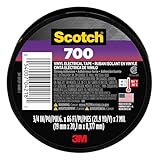
I remember staring at that split radiator hose, coolant slowly seeping out onto the garage floor. It was a Saturday afternoon, and the local auto parts store was already closed. Panic set in. My brain, desperate for a quick fix, latched onto a thought: ‘What about that roll of electrical tape in the toolbox?’ It seemed like a miracle cure, pliable and sticky. But can electrical tape be used on hot radiator hose? I had to find out, and I wasn’t about to experiment on my own car without some serious contemplation.
The sheer number of temporary car fixes people try is staggering. Some are brilliant, some are downright dangerous. Electrical tape, with its rubbery texture, feels like it should hold. But the heat and pressure involved in a cooling system are no joke. This isn’t like taping up a leaky pipe under the sink.
The Temptation of the Quick Fix: Can Electrical Tape Be Used on Hot Radiator Hose?
Let’s get straight to it: the short answer is NO. Well, not reliably, not safely, and definitely not as a long-term solution. I’ve seen enough botched repairs to know that some materials just aren’t cut out for the brutal environment under your hood, and electrical tape is one of them.
Radiator hoses operate under significant heat and pressure. We’re talking about coolant that can reach well over 200 degrees Fahrenheit (93°C), and the system is pressurized to prevent boiling. Electrical tape, while flexible, is basically made of PVC and rubber-based adhesive. It’s designed for insulating electrical wires, not for withstanding the thermal shock and constant flexing a radiator hose endures.
Think about it – the adhesive will soften and likely fail under sustained heat, and the tape itself will become brittle and crack with the temperature fluctuations and the engine’s vibrations. I once saw a guy try to patch a pinhole leak with electrical tape on a hot summer day. Within an hour, the tape had sagged, the adhesive was oozing, and the leak was worse than before.
It was a sticky, coolant-covered mess. It looked like a failed science experiment, and it left him stranded.
People often confuse the flexibility of electrical tape with its ability to seal under pressure and heat. It’s a common mistake.
You might get it to hold for a few minutes, maybe even an hour or two if you’re lucky and the damage is minor. But relying on it for anything more is asking for trouble. The rubber in radiator hoses is specifically engineered to handle extreme temperatures and pressures without degrading. Electrical tape simply doesn’t have that kind of resilience.
It’s a product for low-voltage, low-heat applications. Trying to use it on a radiator hose is like trying to use a teacup to bail out a sinking ship – it’s the wrong tool for the job, no matter how determined you are.
The real danger isn’t just the inconvenience of another breakdown. A failing radiator hose can lead to rapid overheating, which can cause severe engine damage – think warped cylinder heads or a blown head gasket. That’s thousands of dollars in repairs, all because of a few bucks saved on a proper hose or clamp. My uncle, bless his heart, once tried to use duct tape on a radiator hose. He swore it would work. It didn’t. The coolant ate through the adhesive within a mile, and he ended up needing a tow truck and a new radiator. That’s a cautionary tale I often bring up when people ask about temporary fixes.
What Really Happens When You Try Electrical Tape on a Hot Hose
So, what’s the science behind why electrical tape fails so spectacularly on a hot radiator hose? It all comes down to material properties. Electrical tape’s adhesive is typically a synthetic rubber or a silicone-based compound.
While these can be quite strong at room temperature, they have a relatively low softening point. When that coolant starts circulating at 200°F (93°C) or more, the adhesive begins to lose its tackiness.
It basically melts or becomes gooey, and the tape can no longer grip the hose surface. This is exacerbated by the pressure inside the cooling system, which is constantly pushing outward against any seal you try to create. The PVC backing of the tape also becomes more pliable, but not in a good way.
It loses its structural integrity and can stretch or deform, further compromising any seal.
Then there’s the thermal cycling. Your engine heats up, cools down, heats up, cools down. Each cycle puts stress on the tape.
The PVC can become brittle when cold and then soften significantly when hot. This constant expansion and contraction will break down the tape’s structure over time. Vibration from the engine also plays a role, constantly shaking the tape and working at the adhesive bond. (See Also: Can I Use Electrical Tape To Connect Wires )
It’s a recipe for failure. You might get away with it for a short, slow drive to a repair shop, but even then, it’s a gamble. I once had a hose start leaking on a slow crawl through a residential area.
I thought, ‘Okay, I’ll just wrap it tight with electrical tape, and it should hold.’ Within ten minutes, I saw a faint mist of coolant starting to appear.
The tape hadn’t completely failed, but it was already showing signs of giving up. That was a wake-up call for me about how quickly these materials degrade under stress.
The common advice you’ll find online – ‘wrap it tight, overlap generously’ – is like telling someone to hold a dam together with toothpicks. It might buy you a few minutes, but it’s not a solution.
The pressure in the cooling system is designed to be contained by specific rubber compounds and solid hose clamps. Trying to substitute that with something as flimsy as electrical tape is inherently flawed.
You’re not addressing the root cause of the problem, which is a damaged hose that needs replacement. It’s a stop-gap measure at best, and a dangerous one at worst. Think of it like putting a band-aid on a broken bone – it covers the surface, but it does nothing to fix the underlying issue.
Radiator Hose Repair Materials: What Actually Works
Since electrical tape is a definite ‘no,’ let’s talk about what does work, or at least what offers a better chance of a temporary fix if you’re truly stranded and need to limp home. There are specialized radiator hose repair tapes and epoxies on the market. These are designed with materials that can withstand higher temperatures and pressures. They are typically made of a strong, flexible fiberglass or silicone material impregnated with a high-temperature adhesive or resin.
Think of them as heavy-duty, emergency repair kits. I’ve used a product called ‘Repairit QuickMend’ in a pinch, and while it’s not a permanent fix, it held up well enough for me to get my truck to a mechanic about 50 miles away. It involved wrapping the hose tightly with a self-fusing silicone tape, which forms a solid, rubber-like patch.
Another option, though still temporary, is using a segment of a larger-diameter hose as a sleeve, clamped over the damaged section. You’d need to cut away the damaged part of the original hose cleanly, slide the larger hose section over the intact ends, and then secure it with sturdy hose clamps on both sides. This creates a reinforced section.
I’ve had to do this once when a hose developed a crack near the engine block. I found a piece of thicker exhaust tubing that fit snugly over the coolant hose, and then used two heavy-duty radiator hose clamps. It felt much more secure than any tape job.
The key here is to have the right size sleeve and strong clamps. It’s not pretty, but it can get you to safety.
Here’s a quick rundown of emergency options, from worst to best (in terms of reliability):
| Material | Pros | Cons | Verdict |
|---|---|---|---|
| Electrical Tape | Readily available, flexible | Low heat/pressure resistance, adhesive failure, brittle when old | Avoid at all costs. Dangerous and ineffective. |
| Duct Tape | Strong adhesive (initially), readily available | Adhesive softens significantly with heat, fabric backing degrades, not designed for pressure | Slightly better than electrical tape but still a terrible idea. |
| Specialized Hose Repair Tape/Epoxy | Designed for high temps/pressure, often effective for temporary repair | Requires specific product, can be messy, still not permanent | Best temporary fix option. Use as a last resort. |
| Hose Sleeve with Clamps | Creates a solid mechanical fix, can be very secure if done right | Requires finding a suitable sleeve and proper clamps, cutting the hose | Excellent temporary fix if materials are available. |
The overarching theme is that a proper radiator hose is a important safety component. It’s not the place to get overly creative with household or electrical supplies. The cost of a new hose is minuscule compared to the potential damage and danger caused by a failed temporary fix.
The ‘people Also Ask’ Corner: Addressing Common Worries
Can You Temporarily Fix a Radiator Hose?
Yes, you can temporarily fix a radiator hose in an emergency, but the methods are limited and carry risks. The goal is always to limp to a safe place or a repair shop, not to create a permanent solution. Specialized radiator hose repair kits, which often involve self-fusing silicone tape or epoxy, are designed for this purpose and are the most reliable temporary fix. Another method is using a larger diameter hose as a sleeve over the damaged section, secured with strong clamps. Avoid using standard electrical tape or duct tape, as they are not designed to withstand the heat and pressure of a cooling system and are likely to fail, potentially causing further damage or leaving you stranded.
What Can I Use If I Don’t Have a Radiator Hose?
If you don’t have a proper radiator hose and are in an emergency situation, you’ll need to improvise with materials that can withstand heat and pressure as much as possible. A section of a larger, reinforced hose (like a heavy-duty industrial hose if available) can sometimes be adapted. Self-fusing silicone tape, designed for high-temperature applications, can create a temporary seal. Some mechanics might even use specialized repair epoxies or even a metal pipe section with solid clamping if it can be made to fit securely. However, it’s important to understand that any substitute is a compromise and should only be used to get you to immediate professional help. Never assume an improvised fix is safe for extended use. (See Also: Can Electrica Tape Catch On Fire )
How Much Does It Cost to Replace a Radiator Hose?
The cost to replace a radiator hose can vary quite a bit, but generally, it’s a relatively inexpensive repair. The hose itself typically costs between $15 and $50, depending on the make and model of your vehicle and whether you opt for an OEM (Original Equipment Manufacturer) part or an aftermarket one. Labor costs for replacement usually range from $40 to $100 if you take it to a mechanic, as it’s a fairly straightforward job that often takes less than an hour. So, you’re typically looking at a total cost of anywhere from $55 to $150 for a professional replacement, though some luxury vehicles or complex systems might push the upper end of that range.
What Is the Best Temporary Fix for a Leaking Radiator Hose?
The best temporary fix for a leaking radiator hose involves materials designed for high heat and pressure. Specialized radiator hose repair tapes, often made of self-fusing silicone, are a good option. These tapes bond to themselves, creating a solid, smooth rubber-like patch that can withstand some heat and pressure. Another effective temporary fix is using a hose sleeve – a section of a larger, compatible hose that slides over the damaged area and is secured tightly with two heavy-duty hose clamps. Both methods are intended only to get you to a repair shop, not for long-term use. Always prioritize safety and replace the hose as soon as possible.
The ‘overrated’ and the ‘wrong’ Advice You’ll Find
I’ve seen it all. Websites, forums, even some supposed ‘mechanics’ online will tell you electrical tape will work in a pinch.
They’ll say to wrap it tight, overlap, maybe even use some sort of sealant underneath. This advice is not just bad; it’s actively dangerous. Electrical tape is designed for electrical insulation, not for the extreme conditions found in a car’s cooling system.
The heat alone will break down the adhesive and the tape itself. Then you’ve got pressure. That cooling system is pressurized, and that pressure will find any weakness, which the electrical tape will certainly provide.
The result is often a more spectacular failure than if you’d done nothing, leaving you stranded and potentially with a much more expensive engine repair on your hands.
Another piece of advice I hear sometimes is to use JB Weld or other metal epoxies on hoses. While JB Weld is tough stuff, it’s designed for metal or rigid surfaces.
It won’t flex with the hose, and it will likely crack and detach as the hose expands and contracts with temperature changes and engine vibration. It’s rigid, and radiator hoses need to be flexible.
Trying to force a rigid repair onto a flexible component is a recipe for failure. It might hold for a few minutes, or if the damage is minuscule and the hose isn’t under much stress, but it’s a gamble you shouldn’t take. I once tried a high-temperature epoxy on a small crack in a heater hose, and within a week, it had split right next to the epoxy patch. The flexibility issue is real.
The common thread here is that people are trying to solve a problem with the wrong tools. They see a leak and think ‘sticky stuff’ or ‘hard stuff’ will fix it. They don’t consider the operating environment: 200+ degrees Fahrenheit, significant pressure, constant vibration, and flexing.
When something fails on your car, especially in the cooling system, it’s rarely just about plugging a hole. It’s about maintaining a seal under dynamic conditions. So, when you hear advice that sounds too good to be true, or too simple, question it.
Does it account for the heat? The pressure? The movement? If not, it’s probably wrong.
The only truly ‘right’ advice is to replace the damaged component with a part designed for the job.
When a Hose Fails: My ‘almost Disaster’ Story
I’ll never forget the time I was on a road trip, about three hours from home, heading to a remote camping spot. The weather was brutal – well over 100°F (38°C) outside. I was cruising along, windows down, enjoying the drive, when I noticed the temperature gauge start to creep up. Not just a little, but climbing steadily. Then came the sweet smell of coolant. Red flag. I pulled over immediately, popped the hood, and there it was: a small but persistent leak at the connection point of the lower radiator hose. It was dripping onto the hot engine block, creating that tell-tale steam and smell.
My mind immediately went to the spare tire well. Did I have a spare hose? No. Did I have any repair tape? Nope. What I did have was a half-used roll of industrial-grade electrical tape I’d used for some wiring on a trailer a few months back. It was thick, black, and felt substantial. ‘This has got to work,’ I thought. I cleaned the hose as best I could with a rag, then proceeded to wrap that connection point TIGHTLY with the electrical tape, several layers thick, overlapping generously. I even wrapped it up the hose a few inches. It looked pretty solid. I felt a surge of pride, thinking I’d outsmarted the situation. (See Also: Can I Substitute Duct Tape For Electrical Tape )
I started the engine, and the leak seemed to have stopped. The temperature gauge came back down to normal. I drove for about 20 miles, feeling smug.
Then, on a slight incline, the temperature started climbing again. I could feel the engine working harder. I glanced down, and the tape was visibly bulging.
The adhesive was clearly softening and starting to ooze. Within another 5 miles, the tape ripped open with a hiss, and coolant sprayed everywhere.
Steam billowed from the engine bay. I was left stranded on the side of a dusty highway in 100-degree heat, with no cell service and a rapidly overheating engine.
It took me nearly three hours to get a tow truck. That day taught me a brutal, and expensive, lesson: electrical tape is NOT a radiator hose repair solution.
Ever. The repair cost me more in tow fees and a premium for an emergency hose replacement than a new hose would have cost me at home, plus a lot of wasted time and a very uncomfortable wait.
Faq: Common Questions About Radiator Hose Repairs
Can Electrical Tape Be Used on Hot Radiator Hose?
No, electrical tape should not be used on a hot radiator hose. It is not designed to withstand the high temperatures and pressure found in a car’s cooling system. The adhesive will soften, and the tape will likely fail, leading to a coolant leak and potential engine overheating.
What Is the Best Material to Temporarily Patch a Radiator Hose?
The best temporary materials for patching a radiator hose are specialized radiator hose repair tapes (often self-fusing silicone) or using a segment of larger hose as a sleeve, secured with strong hose clamps. These options offer a more solid, albeit temporary, solution than common household tapes.
How Long Can a Temporary Radiator Hose Repair Last?
A temporary radiator hose repair is not meant for long-term use and should only last long enough to get you to a repair shop. Depending on the method and the severity of the damage, it might hold for a few hours or a few dozen miles, but failure is always a risk. It’s important to replace the hose as soon as possible.
What Happens If a Radiator Hose Bursts?
If a radiator hose bursts, your engine will rapidly lose coolant, leading to overheating. This can cause severe damage to engine components like the cylinder head, head gasket, or even the entire engine block. It’s a important failure that requires immediate attention, and driving with a burst hose can lead to very expensive repairs.
Should I Try to Fix a Radiator Hose Myself or Take It to a Mechanic?
Replacing a radiator hose is a relatively simple DIY task for many people, but if you’re uncomfortable with car repairs or don’t have the necessary tools (like hose clamp pliers), it’s best to take it to a mechanic. Attempting a repair incorrectly can lead to leaks or further damage. However, for a straightforward replacement, the cost difference between DIY and professional service is often significant.
Final Thoughts
So, to circle back to the burning question: can electrical tape be used on hot radiator hose? My honest, hard-earned answer is a resounding and emphatic no. It’s a dangerous gamble that rarely pays off and often leads to bigger problems. Those roadside emergency kits might have fancy-sounding tapes, but standard electrical tape is simply not up to the task. It’s designed for delicate electrical work, not for the fiery, pressurized environment under your hood.
If you find yourself with a leaky hose miles from anywhere, your best bet is to use a proper temporary repair kit if you have one, or rig up a sleeve with clamps. But even then, treat it as a race against time to get to the nearest town or mechanic. Don’t push your luck. A cheap hose replacement now is a lot cheaper than a toasted engine later.
Your car’s cooling system is too important to trust with flimsy fixes. Always have a plan B, and know when to call for a tow truck. It’s better to spend a little on a tow than a lot on major engine repairs because you tried to save a few bucks with the wrong materials.