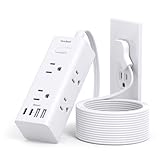
I remember staring at a pile of extension cords, each one promising the world for my garden setup. Green ones, black ones, heavy-duty ones… and a nagging feeling that I was just adding more plastic to the planet’s growing junk drawer. It made me wonder: are there emvironmentally any safe extension cords out there, or are we all just plugging into a problem?
Most of us grab the cheapest, most readily available cord without a second thought. But if you’re starting to think about your footprint, the materials and manufacturing behind these everyday items matter.
Let’s cut through the greenwashing and figure out what’s actually good for the planet when you need a little extra juice.
What Makes an Extension Cord ‘unsafe’ for the Planet?
Look, the reality is that most extension cords are made from materials that aren’t exactly nature’s best friends. We’re talking PVC (polyvinyl chloride) for the outer jacket, which is a real pain to recycle and can release nasty chemicals when it’s produced or disposed of.
Then there’s the copper wire inside, which is great for conductivity but mining it has its own environmental impact. The sheer volume of plastic used in these things is staggering. Think about it: every single one is a bundle of plastic and metal, shipped across the globe, often to end up in a landfill after a few seasons of use.
I’ve personally trashed more than a few that frayed or just stopped working, and each time I felt that little pang of guilt. It’s not just about the cord itself, either. The manufacturing process, the energy used to make it, the packaging it comes in – it all adds up.
We’re so used to these things being disposable that we don’t often stop to consider the lifecycle of a cheap extension cord. It’s a throwaway item for most people, and that’s the core of the environmental problem. The common advice is to just buy a heavy-duty one so it lasts longer, but what if it’s still made of the same problematic plastics?
That’s where the real question of sustainability comes in, and it’s a lot more complicated than just picking a different color.
The Search for Greener Materials and Manufacturing
So, if PVC is the boogeyman, what are the alternatives? This is where things get a bit murky because true ‘eco-friendly’ extension cords are still a niche market. You’ll see terms like ‘recycled plastic’ thrown around, which is a step in the right direction, but you need to dig deeper.
Are they using post-consumer recycled plastics? What percentage? Some manufacturers are exploring bio-based plastics, but these are still pretty experimental for heavy-duty applications like outdoor extension cords. (See Also: Can Extension Cords Be Thriwn Away )
They might be fine for a small indoor lamp, but can they withstand the elements and the power demands of a lawnmower? I haven’t seen enough real-world proof yet.
The best you’re likely to find right now is a cord that uses a higher percentage of recycled materials in its jacket and insulation, and maybe even a manufacturer that’s transparent about their energy sources for production. Some companies are trying to reduce the amount of plastic overall, perhaps by using thinner but still durable jackets, or by designing cords that are easier to repair. Another angle is the packaging.
Many cords come wrapped in plastic, then stuffed into a cardboard box. Look for brands that use minimal, recyclable packaging. It’s a small thing, but it’s part of the overall environmental impact. I once bought a cord that came in a plain paper bag, no plastic wrap, no extra ties.
It felt like a breath of fresh air, even though the cord itself was pretty standard. This is where you have to be a bit of a detective, because ‘green’ can mean a lot of things, and not all of them are truly sustainable.
What to Look for: Beyond the ‘green’ Label
Okay, so you’re not going to find a corn-based extension cord powering your leaf blower anytime soon. The real question is what practical steps can you take to minimize your impact when buying an extension cord?
First, check the material. Look for cords that explicitly state they use recycled content in the jacket and insulation.
If they just say ‘vinyl’ or ‘plastic,’ assume it’s standard PVC and try to find something else. Second, consider the length. Do you really need 100 feet for that one spot, or would 50 feet suffice? Every extra foot is more material.
I’ve fallen victim to buying way too long a cord, then having it coiled up for years, taking up space and being a general nuisance. Third, think about durability. A cord that’s built to last, even if it’s not made of unicorn tears, is more environmentally friendly than one that will need replacing every year. Look for thicker gauge wire (lower gauge number means thicker) for the amperage you need, UV resistance for outdoor use, and solid, well-molded connectors.
Weatherproof outlets are also a big plus for outdoor use, as they prevent damage and extend the life of the cord. When I look at cords, I’m checking for things like reinforced prongs, a solid feel to the jacket, and good strain relief where the cord meets the plug. These might seem like minor details, but they translate to a longer lifespan. (See Also: Can Extension Cords Short Out )
Finally, try to buy from brands that have some commitment to sustainability, even if it’s just through their packaging or energy policies. It’s a small signal, but it shows they’re at least thinking about it.
Common Extension Cord Mistakes That Hurt the Planet
The biggest mistake people make is not thinking about it at all. They just buy the cheapest, brightest orange cord they see. That’s mistake number one.
Another common blunder is buying a cord that’s the wrong gauge for the job. Undersized cords can overheat, become a fire hazard, and burn out prematurely. This means you have to buy another one sooner, creating more waste. I learned this the hard way when I tried to power a small shop vac with a wimpy cord.
It just sputtered and died, and I’m pretty sure the cord got dangerously hot. Then there’s the issue of outdoor vs. indoor cords.
Using an indoor cord outside is a recipe for disaster. They’re not built to handle moisture, UV rays, or temperature fluctuations, so they degrade quickly and need replacing. This is a huge source of waste.
People also often store them improperly, leaving them tangled or exposed to the elements when not in use, which significantly shortens their life. I used to just shove mine in a corner of the garage, but now I try to coil them neatly and store them under a bit of cover. Lastly, and this is a big one for me, people don’t consider repairability.
Most cords are sealed units. If a plug gets damaged or the cord frays slightly, it’s usually easier to just buy a new one.
This ‘disposable’ mentality is the root of the problem for so many consumer goods.
My Own Oops Moment: The Tale of the Overrated ‘eco’ Cord
I’ll tell you about a time I thought I was being a genius eco-warrior. I found this extension cord online that was heavily marketed as being made from ‘recycled ocean plastic.’ The pictures looked good, it was a nice shade of blue, and the price wasn’t outrageous. I was sold. (See Also: Can Extension Cords Be Use With Electric Heaters )
I imagined this cord literally saving turtles and cleaning up the Pacific. So, I used it for my outdoor Christmas lights. It worked fine for the season. The next year, I pulled it out, and the jacket was brittle.
It had a weird, almost chalky feel to it, and a few spots looked like they were starting to crack. I was annoyed, to say the least. It hadn’t even lasted two full seasons of mild use.
I ended up having to replace it with a standard, heavy-duty cord that I knew would last. The ‘eco’ part was a gimmick; the material, while recycled, clearly wasn’t suitable for long-term outdoor durability. It overpromised and underdelivered, and I ended up with a useless piece of plastic that likely wouldn’t be easily recycled anyway. It taught me a valuable lesson: don’t just trust the buzzwords.
You need to look at the specs, read reviews from people who have actually used it for a while, and understand that sometimes, the most environmentally friendly option is the one that lasts the longest, even if it’s not explicitly branded as ‘green.’ That experience cost me about $40 and a lot of disillusionment.
Practical Tips for Greener Extension Cord Use
So, let’s get down to brass tacks. If you need an extension cord and want to be a bit kinder to the planet, here’s what I’d do:
- Buy the Right Length: Seriously, measure. Don’t buy 50 feet if 20 will do. This reduces material usage.
- Choose Heavy-Duty (but check the specs): A well-made, heavy-duty cord will last longer, meaning fewer replacements. Look for 12-gauge or 10-gauge wire for higher power needs.
- Look for Recycled Content: If you see a cord advertising a percentage of recycled material in its jacket or insulation, that’s a good sign. Research the brand if you can.
- Prioritize Durability Features: For outdoor use, look for UV resistance, water resistance, and reinforced connectors. These features extend the life of the cord, reducing waste.
- Proper Storage is Key: Coil your cords neatly, avoiding kinks and sharp bends. Store them in a dry place, out of direct sunlight. A cord reel can be a good investment for longer cords.
- Inspect Regularly: Before each use, especially for outdoor cords, give it a quick once-over. Look for cracks, frays, or exposed wires. Address minor damage if possible, or retire it safely.
- Consider Repair: While most cords aren’t designed for easy repair, if a plug is loose, a qualified electrician might be able to fix it. It’s often cheaper and greener than buying new.
- Responsible Disposal: When a cord is truly beyond repair, don’t just toss it in the trash. Check with your local recycling center to see if they accept electronic waste or specific types of cables. Some manufacturers might have take-back programs.
Here’s a quick rundown of what to prioritize:
| Feature | Environmental Benefit | My Verdict |
|---|---|---|
| Recycled Content | Reduces demand for virgin materials. | Good, but check percentage and type. |
| Durability (Gauge, Jacket) | Longer lifespan = less waste. | Important. Often the most ‘eco’ factor. |
| UV/Weather Resistance | Prevents premature degradation outdoors. | Key for outdoor use. |
| Reinforced Connectors/Strain Relief | Reduces breakage points. | Adds to lifespan. |
| Minimal, Recyclable Packaging | Less landfill waste from the start. | A nice bonus. |
| Brand Sustainability Claims | Indicates company awareness. | Be skeptical, verify if possible. |
Final Verdict
So, are there emvironmentally any safe extension cords? The short answer is: it’s complicated, and ‘perfect’ is hard to find. Most cords will have some environmental cost due to the materials and manufacturing involved. However, by being a more discerning consumer, you can definitely make better choices.
Focus on durability. A well-made cord that lasts for years is inherently more environmentally sound than a cheap one that needs replacing annually. Look for those signs of quality construction and be wary of purely marketing-driven ‘green’ claims without substance.
Ultimately, treating your extension cords with care, storing them properly, and disposing of them responsibly when they reach the end of their (long) life will have a bigger impact than obsessing over every single plastic molecule. It’s about making informed decisions and extending the usable life of what you already own.