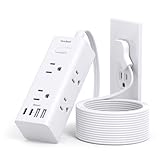
Alright, let’s cut to the chase. You’ve got a chilly critter, a new heating pad, and… a cord that just doesn’t quite reach the outlet. The question on your mind is, ‘can extension cords be used on pet heating pads?’ I’ve been there. I remember eyeing that perfectly placed heating pad for my rescue kitten, only to realize the nearest plug was a good ten feet away. My first instinct was, ‘Sure, why not?’ but then that little voice of caution kicked in. We’ve all heard the horror stories, and when it comes to our furry (or scaly, or feathered) family members, safety is king.
This isn’t a topic to gloss over with vague assurances. We need real talk about what’s safe and what’s a ticking time bomb. So, let’s break down the risks, the best practices, and whether that extension cord is a legitimate solution or a disaster waiting to happen.
When a Cord Just Isn’t Long Enough
Look, I get it. You buy a pet heating pad, you envision it placed just so – maybe nestled in a dog bed in the corner, or tucked into a reptile enclosure where the plug is inconveniently on the opposite side. And then you unbox it, and BAM. The cord is barely three feet long. It’s like they design these things to be just shy of functional without rigging up some elaborate power strip situation. This is where the whole idea of using extension cords with pet heating pads starts to creep in. You’re not trying to be reckless; you’re trying to make the darn thing work in the spot you need it to.
The fundamental issue is that pet heating pads are designed to operate within specific electrical parameters. They generate a consistent, controlled heat. When you introduce an extension cord, you’re adding another variable into that electrical equation. Not all extension cords are created equal, and the quality and gauge of the wire can significantly impact how electricity flows. A thin, cheap cord might not be able to handle the consistent draw of a heating pad, potentially overheating itself, the heating pad’s cord, or both. This is a major fire hazard, and one that’s incredibly easy to overlook if you’re not thinking about the electrical load.
I learned this the hard way with a cheap space heater years ago. I plugged it into an old, slightly frayed extension cord I found in the garage. It seemed fine for a while, but then I noticed the cord was warm to the touch. A few days later, I smelled something burning.
Thankfully, I was home and unplugged it before it became a catastrophe, but the plastic on the extension cord had actually started to melt. That experience burned the lesson into my brain: power-hungry appliances and questionable cords are a recipe for disaster. Pet heating pads, while typically lower wattage than a space heater, are still designed for continuous use.
They need a stable, direct power source to function safely and effectively.
The temptation to use an extension cord is strong, especially when the alternative feels like sacrificing prime placement for your pet’s comfort. However, understanding the electrical principles at play, and more importantly, the real-world risks, is key to making the right decision. It’s not just about distance; it’s about the integrity of the entire electrical connection.
The Real Risks: More Than Just a Fire Hazard
Okay, so everyone talks about fire hazards, and yeah, that’s the big one. But there are other, less obvious ways using an extension cord with a pet heating pad can go sideways. Think about your pet itself. Dogs chew. Cats bat at things. Reptiles might investigate a dangling cord. If that cord is an extension cord, it might not be built to the same safety standards as the original cord on the heating pad. Some extension cords are designed for intermittent use, not for carrying a steady electrical current for hours on end, day after day. This consistent load can cause internal wires to degrade or overheat, and a compromised cord is a chewed cord waiting to happen.
And what happens if your pet does chew on an extension cord plugged into the wall? We’re talking electrocution. It’s grim, but it’s a possibility you have to consider. The original cord on a pet heating pad is usually designed with a certain degree of chew resistance or safety features. Adding a standard extension cord bypasses those original safeguards. It’s like putting a flimsy cover over a safety gate – it looks like it’s doing the job, but it’s not built for the real stress.
I had a cockatiel once who was an absolute menace with cords. He’d hop out of his cage and immediately start nibbling. I’d have to put little plastic guards on everything. If I’d had a heating pad that needed an extension cord in that scenario, and the bird decided to investigate the extension cord? I shudder to think. It’s not just about the heat; it’s about the electrical current itself being accessible and potentially dangerous if compromised. (See Also: Can Extension Cords Short Out )
Furthermore, the connection point between the heating pad’s plug and the extension cord’s female end is a common failure point. If it’s loose, gets wet (think humidity in a terrarium, or spilled water from a pet bowl), or is simply poorly made, it can arc, overheat, or create an unreliable connection. This inconsistency in power delivery can also affect the heating pad’s thermostat, potentially leading to it overheating or not heating at all, which defeats the purpose and still carries risks. The goal is a stable, safe, and consistent heat source for your pet, and an extension cord often introduces too much variability and risk to achieve that reliably.
What to Look for (when You really Need More Length)
Let’s say you’ve weighed the risks, and you’re still staring at that outlet across the room. What if there’s a safer way? The general consensus, and frankly, my own experience, leans heavily towards avoiding standard household extension cords altogether for pet heating pads. However, if you absolutely must extend the reach, you need to be incredibly deliberate about the type of cord you use. Forget those cheap, thin cords you use for a lamp or a Christmas tree. You need something heavy-duty, specifically designed for appliances that draw consistent power.
The key here is the ‘gauge’ of the wire. Wire gauge is a measurement of its thickness. A lower gauge number means a thicker wire, which can handle more amperage (electrical current) and power with less resistance and less heat buildup. For something like a pet heating pad, which is designed for prolonged use, you’re generally looking for an extension cord that’s at least 14-gauge, and preferably 12-gauge if you can find it. These are thicker, more solid cords. Always check the packaging or the cord itself for the gauge rating. Many appliance-specific extension cords are also designed with features like reinforced blades and better insulation.
Another important factor is the ‘rating’ of the extension cord. It should be rated for the amperage or wattage of your heating pad. Most pet heating pads are in the 50-150 watt range, but it’s always best to check the specifications on your pad. Your extension cord needs to be rated to handle at least that much power, and ideally, have a good buffer. Overloading a cord is a fast track to overheating and potential fire.
Finally, consider the cord’s construction. Is it designed for indoor use? Is it kink-resistant? Does it have a grounding plug (three prongs)? A three-prong plug is important for safety as it provides a path to ground for electricity, which can prevent shocks. Avoid any cord that looks worn, frayed, has exposed wires, or feels excessively warm when used with a different appliance. If you wouldn’t trust it for a household appliance, don’t trust it for your pet’s heating pad. Sometimes, a direct connection is the only genuinely safe option, and looking for heating pads with longer cords or strategically placing power strips away from your pet’s immediate reach becomes the better choice.
Real-World Use: When It Worked (and When It Didn’t)
I’ve got a friend, Sarah, who’s got a whole setup for her rescued ball python. The enclosure is massive, and the only sensible place for the heat mat was on one side, but the thermostat plug was on the other. For months, she used a heavy-duty, 14-gauge outdoor-rated extension cord. It was thick, felt solid, and she specifically chose it because it was designed to handle outdoor lights, which are on for long periods. She said it worked without a hitch, and the cord never got more than slightly warm, even after hours of use. The key for her was the quality and gauge of the cord, and keeping it tucked away where the snake couldn’t reach it.
On the flip side, I also know someone who, bless their heart, tried to make it work with a standard, thin indoor extension cord for their rabbit’s hutch. The rabbit, of course, discovered the cord. It wasn’t plugged in at the time, thankfully, but the chewing was extensive. The outer insulation was completely gone in sections. Imagine if that had been live! It’s a stark reminder that pets can and will interact with cords, and that a cheap extension cord offers zero protection and can become a hazard itself. That incident made them invest in a heating pad with a much longer cord and reconfigure their whole setup to be closer to an outlet.
Here’s a table summarizing some common scenarios and my verdict on them:
| Scenario | Type of Extension Cord Used | Verdict |
|---|---|---|
| Chilly kitten needs supplemental heat in a large dog bed, outlet is far away. | Thin, lightweight indoor cord (e.g., 18-gauge) | Big NO. High risk of overheating and fire. Not rated for continuous load. |
| Reptile enclosure heating mat placement requires extending cord. | Heavy-duty, 14-gauge or 12-gauge cord, rated for appliance use. | Risky, but potentially viable IF cord is quality, correctly rated, kept out of reach, and connection is secure. Direct connection preferred. |
| Outdoor dog house, outlet is on the opposite wall. | Outdoor-rated, heavy-duty, GFCI protected extension cord. | Still generally not recommended. Outdoor cords have different considerations (weatherproofing, etc.) but core risk of overheating and pet interaction remains. Longer corded heating pads are better. |
| Small animal cage with specific placement needs. | No extension cord. Heating pad placed near outlet or reconfigured. | Best Practice. Prioritizing safety over perfect placement. |
My personal stance is that if you have to ask ‘can extension cords be used on pet heating pads?’, the safest answer is generally ‘no, not without significant, specific precautions and understanding the risks involved’. The effort and potential cost of finding the right heavy-duty cord, making sure it’s correctly rated, and then managing it safely around your pet often outweighs the convenience. It’s much better to look for a heating pad with a longer cord, use a high-quality, multi-outlet power strip (placed safely away from the pet), or even explore alternative heating methods if direct outlet access is impossible.
Common Mistakes and How to Avoid Them
The biggest mistake people make is assuming all extension cords are created equal. They look similar enough, right? Wrong. That cheap, thin cord you use for a desk lamp is not designed for the sustained electrical draw of a heating pad. Using one is like trying to power a car with a bicycle chain – it’s not built for the job and it will fail, potentially catastrophically. Always, always, always check the gauge and wattage/amperage rating. If it’s not clearly labeled as heavy-duty and capable of handling the load, don’t use it. (See Also: Can Extension Cords Be Use With Electric Heaters )
Another common pitfall is the connection itself. A loose plug, a frayed socket on the extension cord, or even just a poorly fitting connection can lead to arcing, sparks, and excessive heat. This is especially true if the connection point gets dirty or damp. I’ve seen people wrap tape around a loose connection – that’s a band-aid on a bullet wound. If the connection isn’t solid, it’s a hazard. Make sure the plug on the heating pad fits snugly into the extension cord’s receptacle, and that the extension cord’s plug fits securely into the wall outlet. No wiggling, no sparks, no warmth at the connection points.
Then there’s the placement issue. Even if you use a heavy-duty extension cord, if it’s lying where your pet can chew on it, get tangled in it, or drag it around, you’re asking for trouble. Pets are curious and have teeth. A cord that’s just lying on the floor is an invitation for investigation.
This is why many people opt for cord protectors or conduit, but even those aren’t foolproof. The safest approach is to make sure the extension cord (if you absolutely must use one) is routed through walls, secured out of reach, or otherwise inaccessible to your pet. This often means more work than just plugging something in, which leads back to the question of whether it’s worth the hassle and risk compared to finding a different solution.
Finally, and this is a sneaky one, people sometimes forget to check the condition of the extension cord itself. Even a heavy-duty cord can degrade over time, especially if it’s been stored improperly, kinked, or run over. Always inspect your extension cord before plugging anything into it, especially a pet appliance. Look for any signs of damage to the outer jacket, the plug, or the receptacle.
If it looks even slightly suspect, it’s time to replace it. For pet heating pads, I’d err on the side of caution so much that I’d probably just buy a new heating pad with a longer cord if the existing one was too short, rather than risk it with an extension cord. It’s not worth the peace of mind you lose.
Are Extension Cords Truly Necessary? Alternatives to Consider
Honestly, in most cases, the answer to ‘can extension cords be used on pet heating pads?’ should be a resounding ‘try not to!’ The risks are significant, and the number of things that can go wrong are numerous. It’s always better to find a solution that doesn’t involve adding an intermediary like an extension cord. The most straightforward alternative is to simply purchase a pet heating pad that comes with a longer cord. Many manufacturers now offer models with cords that are 6, 8, or even 10 feet long, which solves the distance problem without introducing new electrical risks. While these might cost a bit more upfront, the peace of mind and safety they provide are well worth it.
Another excellent option is a high-quality power strip. Instead of a single outlet, a power strip gives you multiple sockets. This can be a lifesaver if you have several items that need to be plugged in near your pet’s area.
The key here is to choose a surge-protected power strip with a thick, sturdy cord and a grounded plug. Importantly, place the power strip away from your pet’s enclosure or living space. Run the heating pad’s original cord directly to the power strip, but make sure the strip itself is not within reach, chew-distance, or likely to be knocked over by your pet.
This still requires some careful routing, but it’s generally safer than an extension cord because the power strip is designed to handle multiple devices and often has built-in safety features.
For reptiles, in particular, there are specialized heating solutions that might negate the need for an extension cord altogether. Things like ceramic heat emitters (CHEs) or radiant heat panels can be mounted higher up and wired directly, or run through thermostats with shorter cords that are easier to manage. These often offer a more naturalistic heat source as well. Similarly, for small animals, you can explore heated mats that are designed to be placed under the cage, or heating pads that are integrated into the bedding itself, often with built-in safety mechanisms and sufficient cord length. (See Also: Are Outdoor Extension Cords 10 Or 12 Gauge )
If you’re dealing with a unique situation, like a large outdoor dog kennel, you might need to consult with a qualified electrician. They can advise on safely extending power to that area, perhaps through dedicated outdoor-rated wiring, which is a far cry from plugging into a basic extension cord. My rule of thumb is this: if the solution requires more than a simple plug-in, it’s time to re-evaluate. Safety for your pet should always be the top priority, and that often means choosing the most direct and solid power connection possible. Don’t let a too-short cord compromise your pet’s well-being.
Can I Use a Regular Household Extension Cord for a Pet Heating Pad?
Generally, no. Standard household extension cords are often too thin and not designed for the continuous electrical load of a pet heating pad. This can lead to overheating, melting, and a significant fire hazard. It’s best to avoid them entirely.
What Kind of Extension Cord Is Safest for a Pet Heating Pad, If Any?
If you absolutely must use one, opt for a heavy-duty extension cord that is at least 14-gauge, preferably 12-gauge. It must be rated to handle the wattage or amperage of your heating pad and be designed for continuous use with appliances. Always inspect it for damage and keep it out of your pet’s reach.
Are Pet Heating Pads Safe to Plug Into Power Strips?
Yes, a high-quality, surge-protected power strip is generally safer than a single extension cord. Make sure the power strip has a sturdy cord, is rated for the load, and is placed where your pet cannot access or chew on it.
What Are the Risks of Using an Extension Cord with a Pet Heating Pad?
The primary risks include overheating of the cord leading to fire, potential electrocution if the cord is damaged or chewed by the pet, and unreliable heating performance from the pad due to inconsistent power delivery.
Should I Buy a Longer Extension Cord or a New Heating Pad?
Buying a new pet heating pad with a longer cord is almost always the safer and more reliable option. It eliminates the risks associated with extension cords and makes sure a direct, intended power connection for your pet’s safety and comfort.
Final Thoughts
So, can extension cords be used on pet heating pads? While technically possible with the absolute right heavy-duty cord and extreme caution regarding placement and condition, my honest advice is to steer clear if at all possible. The margin for error is slim, and the consequences of that error are severe. It’s just not worth the gamble with your pet’s safety.
The best course of action is to prioritize direct connections. Look for heating pads with longer cords, strategically place your power strips safely away from your pets, or explore alternative heating solutions designed for your specific pet’s needs. Your furry, feathered, or scaled friend deserves a safe and consistently warm environment, and that starts with a reliable power source.
Before you even think about plugging in that extension cord, ask yourself: Is there a simpler, safer way? In almost every case, the answer is yes. Prioritize peace of mind and direct power for your beloved companion.