I was on a trip to Montreal a few years back, absolutely buzzing to get my hands on some tech I’d been eyeing. Plugged in my phone charger, and… nothing. Zilch. Nada. It turns out, despite being neighbors, when it comes to electrical outlets, things aren’t quite as simple as just plugging and playing. So, are Canada outlets the same as us? The short answer is a bit more complicated than most people realize, and it’s something you need to know before you pack your bags or order that new gadget.
Most people assume it’s a no-brainer. We’re practically the same country, right? But there are subtle, yet important, differences that can leave you with a dead battery and a serious headache.
The Voltage vs. Plug Shape Dance
Alright, let’s get this out of the way first: the biggest difference, and the one that trips most people up, isn’t usually the plug shape itself. In North America, both Canada and the United States operate on a standard voltage of 120 volts. This is fantastic news because, for the most part, your everyday electronics like phone chargers, laptop power bricks, and most small appliances will work just fine in either country. You won’t fry them by plugging them in like you might if you took a US appliance to, say, Europe where the voltage is typically 230-240 volts.
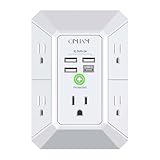
The common misconception is that Canada uses European-style plugs or a completely different system. That’s mostly a myth for standard household outlets. The plugs you’ll find in a typical Canadian home are the familiar Type A and Type B plugs – the same ones you see everywhere in the US. Type A has two flat parallel pins, and Type B has those plus a grounding pin. So, if your device has one of these plugs, it will physically fit into a Canadian outlet. That’s the good news. But like I said, it’s not the whole story, and there’s a reason I learned this lesson the hard way in that Montreal hotel room.
My mistake was thinking that because the plug fit, everything else was fine. I was trying to charge a hairdryer I’d brought from home. It fit, it plugged in, but it just… hummed.
It barely got warm. I ended up having to buy a cheap one from a local drugstore, which was a hassle and an unnecessary expense. This highlights the subtle differences. While the voltage is the same, there are nuances in how power is delivered and what kind of outlets you might encounter, especially in older buildings or specific industrial settings.
The real issue isn’t always the plug, but the socket it’s going into and the power it’s meant to deliver. It’s less about a fundamental incompatibility and more about variations that can still cause problems for certain devices.
When the Plug Fits, but the Power Doesn’t Quite
This is where my hairdryer incident comes into play. While the voltage is generally the same at 120V, the amperage (which is the amount of electrical current flowing) and the circuit protection can sometimes differ.
Most modern electronics, especially those with switching power supplies (like your phone charger or laptop), are designed to handle slight variations in voltage and amperage. They’re ‘universal’ in that sense for North America. But devices that draw a lot of power, or are less sophisticated in their power regulation, can be more sensitive. Think high-wattage appliances like hair dryers, curling irons, or even some power tools.
They are designed for a specific load on the circuit, and while the voltage might be the same, the circuit’s capacity or how it’s wired could be a contributing factor to why something doesn’t perform as expected.
I’ve also heard stories from folks who brought over older, less forgiving appliances from the US to Canada and found they either didn’t work or overheated. The reverse can also be true. It’s not a constant problem, but it’s a risk. Imagine bringing a specialized piece of kitchen equipment or a vintage stereo system. You’d want to be absolutely sure it can handle the Canadian electrical grid without blowing a fuse or, worse, damaging the device itself. It’s the kind of thing that isn’t advertised widely because for 95% of people and 95% of devices, it’s a non-issue. But for that other 5%, it can be a real pain. (See Also: Are All Gfci Outlets 20 Amp )
The key takeaway here is that while the physical plug might look identical and the voltage rating is the same, there’s an underlying infrastructure that can have subtle variations. It’s not like comparing a Type A plug to a Type G (the UK plug) where it’s an obvious physical barrier. It’s more of an operational difference. For your average traveler with a phone and a laptop, you’re almost certainly fine. But if you’re shipping something over, or bringing an appliance that you rely on heavily, it’s worth a little more investigation. I learned that lesson by buying a useless hair dryer, and I’d rather you didn’t make the same expensive mistake.
The Outlet Variation You Might Not Expect
Okay, so we’ve established that the plug shape is generally the same (Type A/B). We’ve also touched on voltage (120V). But what about the outlets themselves? While the standard residential outlets are indeed the same, there’s a bit of a wild card: older buildings. In Canada, like in the US, there’s a push towards modernizing electrical infrastructure, but you can still find older homes or commercial buildings that might have slightly different configurations or, more commonly, outlets that are just plain worn out. This isn’t an ‘are Canada outlets the same as us’ issue in terms of design, but more a maintenance one.
Additionally, there’s the specific case of GFCI (Ground Fault Circuit Interrupter) outlets. These are the ones with the ‘Test’ and ‘Reset’ buttons. You find them in bathrooms, kitchens, garages, and outdoors in both countries for safety. They function identically. However, you might encounter variations in how circuits are protected. Some older Canadian installations might have different breaker box setups or types of breakers compared to a brand-new US build, but this is getting into the weeds of electrical code, which is complex and varies even within countries.
The more practical point for a traveler is that sometimes, even if the outlet is physically the same, the connection might be a bit looser if it’s an older outlet. This can lead to intermittent power or devices not staying plugged in securely. It’s a minor annoyance, but it happens. My advice? If you’re staying somewhere and a plug feels loose, try a different outlet. Often, newer renovations or newer buildings will have up-to-code, snug outlets. It’s not a fundamental difference in the type of outlet, but a difference in its condition or the overall wiring standards that have evolved over time in both countries.
A Quick Comparison Table: Us vs. Canada Electrical Outlets
| Feature | United States | Canada | Verdict |
|---|---|---|---|
| Voltage | 120V | 120V | Same. No adapter needed for voltage. |
| Frequency | 60 Hz | 60 Hz | Same. No issue for electronics. |
| Plug Type | Type A / Type B | Type A / Type B | Same. Plugs are physically interchangeable. |
| Amperage/Circuit Load | Varies by circuit/device | Varies by circuit/device | Generally compatible, but high-draw devices can be sensitive. |
| Outlet Condition | Varies by age/maintenance | Varies by age/maintenance | Older outlets in both countries can be loose. Modern standards are similar. |
| GFCI/AFCI Protection | Common in modern builds | Common in modern builds | Functionality is the same for safety. |
| Overall Compatibility | High | High | For most consumer electronics, effectively the same. |
As you can see from the table, for the vast majority of consumer electronics, you’re in the clear. The differences are subtle enough that they rarely cause a problem for the average person. The main thing to remember is that while the plugs are the same, the underlying electrical system can have minor variations. This is why that hairdryer gave me grief. It was less about the plug and more about how the circuit in that specific hotel was handling a high-demand appliance. It’s a distinction that matters if you’re bringing something that’s a power hog or particularly sensitive.
Common Mistakes People Make
The biggest blunder people make is assuming total compatibility without any caveats. They see the plug fits and think, “Great, I’m good to go!” Then they’re surprised when their device doesn’t work, or works poorly. This usually happens with higher-wattage appliances or electronics that are older or less solid in their design. It’s like having a key that fits the lock but the tumblers are slightly off – it might turn, but it won’t open the door properly, or it might jam.
Another mistake is not considering the specific type of outlet. While most homes and hotels use standard Type A/B outlets, you might encounter different configurations in industrial settings, older public buildings, or even some specialized commercial spaces. However, for a traveler in Canada heading to the US (or vice versa), this is extremely rare.
The common mistake is more about the performance of the device than a physical inability to plug it in. I once saw someone try to use a US-specific appliance in Canada and it just wouldn’t power on. They were convinced it was a plug issue, but it turned out the appliance had a very specific internal power requirement that the Canadian circuit, while the same voltage, didn’t quite meet in terms of stability for that particular device.
A related error is relying on a cheap, universal adapter without understanding its limitations. These adapters often just change the plug shape, not the voltage or amperage.
While Canada and the US are largely the same on those fronts for common use, these adapters don’t help if there’s a subtle incompatibility in power delivery. They’re more for bridging the gap between drastically different plug types (like US to UK). (See Also: Are All Outlets In Garage Need To Be Gfi )
So, if you’re looking at an adapter, make sure it’s not just for plug shape but also considers voltage/amperage if there’s any doubt about your device’s compatibility across borders. Honestly, for Canada and the US, you rarely need an adapter at all, which makes the subtle differences even more confusing when they do pop up.
My Personal ‘almost Disaster’ Story
I’ll never forget the time I was setting up for a small outdoor event in upstate New York, not too far from the Canadian border. I needed to power a portable sound system and a few lights. I’d borrowed some gear from a friend who lived just across the border in Ontario. Everything looked identical – the plugs, the cables, the units themselves. I plugged everything in, cranked up the music, and within about ten minutes, the sound system started crackling and cutting out. The lights flickered erratically. My friend, who was helping me set up, looked panicked. He said, ‘It’s never done this before!’
We spent a frantic half-hour troubleshooting. We swapped cables, checked connections, and tried different outlets. Nothing seemed to fix it.
Finally, I remembered my Montreal hotel incident. I asked him, ‘Is this gear specifically designed for Canadian power grids, or could it be a US model?’ He admitted it was a mix-and-match situation he’d put together over the years.
Turns out, the amplifier in the sound system was a bit older and, while it looked like it could handle 120V, it was designed for a very specific, stable power draw that the US grid, in that particular location, just wasn’t providing consistently for that older piece of equipment. The circuits were fine, the voltage was right, but the quality of the power delivery was just different enough to cause issues with his sensitive amplifier. We had to scramble to find US-spec gear, which was a massive inconvenience and almost ruined the start of the event.
It was a stark reminder that ‘same voltage’ doesn’t always mean ‘identical power.’
What to Look for and Practical Tips
So, how do you avoid my hairdryer and sound system nightmares? The simplest rule for are Canada outlets the same as us? For most modern, common electronics (phones, laptops, tablets, chargers, camera batteries), the answer is a resounding YES, they are the same. You don’t need an adapter, and they will work perfectly fine. These devices have sophisticated power supplies that handle minor fluctuations with ease. They are designed for the North American standard, which both countries adhere to for voltage and frequency.
Where you need to be a bit more careful is with high-wattage appliances or older, less sophisticated electronics. If you’re bringing a powerful hair dryer, a curling iron, a coffee maker that draws a lot of power, or specialized audio/visual equipment, it’s wise to do a quick check.
Look at the label on the device itself or on its power cord. It will usually state the voltage and wattage.
If it specifically says “120V only” and doesn’t mention a wider voltage range (like “100-240V”), that’s your cue to be cautious. For these items, especially if they are older or you’re unsure about their robustness, you might consider purchasing one in the country you’re visiting. It’s often cheaper and less hassle than dealing with a malfunctioning device. (See Also: Are Backstab Connections Reliable On Gfci Outlets )
Here are a few practical tips:
- Check the Label: Always look for the voltage and wattage rating on your device. If it’s a universal adapter type (100-240V), you’re golden. If it’s strictly 120V and high-wattage, proceed with caution.
- When in Doubt, Buy There: For something like a hair dryer or a basic kitchen appliance, it’s usually best to buy it locally if you have any doubts about compatibility. They are readily available and not prohibitively expensive.
- Older Buildings Can Be Fickle: If you’re staying in an older hotel or rental, be aware that outlets might be worn or wiring might be less stable. This is true in both countries, but it’s worth noting.
- Focus on Frequency: Both Canada and the US use 60 Hz frequency, so this is not a point of difference like it is when comparing North America to Europe (50 Hz).
- GFCI Outlets Function Identically: The safety outlets with the buttons work the same way for safety purposes in both countries.
The official standards body for electrical safety in Canada is Underwriters Laboratories of Canada (ULC), which works closely with its US counterpart, Underwriters Laboratories (UL). Products sold in both countries often carry both UL and ULC marks, indicating they meet rigorous safety and performance standards for both markets. This is a good indicator of compatibility.
The Faq: Your Burning Questions Answered
Are Canada Outlets the Same as Us Outlets for Charging Phones?
Yes, absolutely. Phone chargers are almost universally designed to work on a wide range of voltages (100-240V) and frequencies, and both Canada and the US use the standard 120V and 60Hz. Your standard USB charger will work perfectly fine in either country without any adapter.
Do I Need a Voltage Converter for Canada If I’m From the Us?
No, you do not need a voltage converter. Both Canada and the United States operate on a standard 120-volt electrical system. The voltage is the same, so your devices designed for the US will work without a converter.
Will My Us Hair Dryer Work in Canada?
It might, but it’s not guaranteed. While the voltage is the same (120V), hair dryers are high-wattage appliances and can be sensitive to variations in power delivery or circuit load. Some US hair dryers might work fine, while others might be underpowered, overheat, or not function correctly. It’s often safer to buy a local one if you have any doubts.
Can I Use My Us Laptop Charger in Canada?
Yes, you can. Laptop chargers are almost always designed with universal voltage input (100-240V), making them compatible with electrical outlets in both Canada and the US. You won’t need any adapters or converters.
Are There Any Plug Differences at All?
For standard household outlets, no. Both countries use the Type A (two flat pins) and Type B (two flat pins and a round grounding pin) plugs and sockets. You will not need a plug adapter to physically connect your devices in Canada if they are from the US, or vice versa.
Verdict
So, to circle back to the question: are Canada outlets the same as us? For the most part, yes, especially when it comes to the physical plugs and the voltage your everyday electronics run on. The Type A and Type B plugs are identical, and the 120-volt standard means you won’t fry your phone charger by simply plugging it in across the border.
However, it’s not a black-and-white answer. The subtle differences in power delivery, circuit load handling, and the condition of older outlets mean that high-draw or sensitive devices might occasionally misbehave. My personal blunders with a hairdryer and a sound system taught me that while compatibility is high, it’s not 100% foolproof for every single appliance.
My final advice? For your portable electronics, you’re almost certainly good to go. For anything that hums loudly or draws a lot of juice, consider it a coin flip. If you have a important need for that device, buying a replacement locally might save you a lot of headaches. It’s one of those things where the vast majority of the time, it’s a non-issue, but being aware of the potential for minor hiccups can save you a lot of trouble.