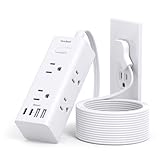
I remember the first time I tried to power my portable saw from the garage. It was a drizzly Saturday, and the extension cord I grabbed was probably older than my truck. Within ten minutes, sparks flew, the circuit breaker tripped, and my DIY dreams went down the drain. That’s when I started asking myself, are outdoor extension cords waterproof? It’s not just about not getting shocked; it’s about whether the damn thing will even work when you need it most.
Most people see a thick, yellow cord and assume it’s good to go for any weather. Big mistake. The reality is far more nuanced, and frankly, a lot of what’s out there is just glorified trash waiting to short out on you. Let’s cut through the marketing fluff and talk about what actually matters when you need reliable power outside, rain or shine.
Don’t Get Tricked: What ‘waterproof’ Really Means for Cords
Look, nobody’s building a submarine power cable for your garden lights. When we talk about whether outdoor extension cords are waterproof, we’re really asking if they can handle exposure to the elements without turning into a fire hazard or just dying. The short answer is: very few are truly waterproof, but many are water-resistant or weather-resistant to varying degrees. This is where the marketing gets you. You see a cord advertised for ‘outdoor use’ and assume it’s good for a monsoon. Nah. It usually means it can handle a bit of moisture, maybe some light rain, but not submersion or prolonged downpours.
The key lies in the construction. A proper outdoor extension cord will have a thick, durable outer jacket made from materials like PVC or rubber. This jacket is the first line of defense. It needs to be tough enough to resist nicks, cuts, and abrasion, which can expose the inner wires.
Inside, the insulation on the individual wires also plays a role. Better cords use higher-grade insulation that doesn’t degrade quickly when exposed to UV rays from the sun or fluctuations in temperature. The connectors – the male plug and the female receptacle – are just as important.
Many outdoor cords have rubberized or plastic caps over the female end to seal it when not in use. This is a good start, but it’s not foolproof. I’ve seen water seep into poorly designed connectors even with caps on, especially after a few seasons of use.
Think of it like a raincoat. A cheap one might keep you dry in a sprinkle, but you’ll be soaked in a real storm. An outdoor extension cord is similar. It needs to be rated for the conditions you’re going to throw at it.
The National Electrical Manufacturers Association (NEMA) has classifications, and the Ingress Protection (IP) rating system is also helpful, though less common on consumer-grade cords. An IP rating like IP65 or higher usually indicates good protection against dust and water jets, which is what you’d want for serious outdoor use. But honestly, most folks just buy what looks heavy-duty. I learned the hard way that ‘heavy-duty’ doesn’t always mean ‘weatherproof’.
My first ‘heavy-duty’ cord gave up the ghost after one damp autumn, leaving my shop vac useless during a messy basement cleanup. The label said ‘outdoor’, but clearly, it wasn’t built for anything more than a gentle dew.
What to Actually Look for (and What to Ignore)
When you’re standing in the aisle, staring at a wall of cords, what separates the good from the frankly dangerous? First off, forget about those super cheap, brightly colored cords that feel flimsy. They are almost certainly not built to last outdoors. You need to look for cords specifically labeled for ‘outdoor use’ or ‘heavy-duty outdoor use’. But even then, read the fine print. Some labels are more marketing than substance.
The gauge of the wire is a big deal for performance, but it’s also an indicator of quality for outdoor use. Thicker wire (lower gauge number) generally means a more solid cord, and these are often built with better insulation. Look for 12-gauge or even 10-gauge cords if you need to run power over longer distances or to high-draw appliances like mowers or saws. These are less likely to overheat and are usually built with tougher jackets.
Now, let’s talk about the connectors. This is where a lot of failure happens. Look for cords with molded plugs and receptacles. (See Also: Can Extension Cords Short Out )
These are less prone to separating or letting moisture seep in. Some high-end cords have reinforced, gasketed receptacles that seal around the plug when it’s inserted. These are a good investment if you plan on using the cord regularly in wet conditions. I once bought a cord that had screw-on caps for the female end.
Sounded clever, right? Wrong.
The threads were cheap plastic, they stripped after a few uses, and water got in. Total waste of money.
Pay attention to the plug itself too. A solid, one-piece plug is generally better than a two-piece one that can come apart.
Here’s a contrarian take: While many people swear by bright orange or yellow cords for visibility, I find that a plain black or dark grey cord made of a high-quality, thick rubber composite often holds up better and looks less garish in a backyard setting. The bright colors sometimes come with cheaper, more brittle plastic. It’s about the material and construction, not just the color. The common advice is ‘bright is safe,’ but I’d rather have a safe, durable cord that I can still see, than a flimsy bright one that fails.
Here’s a quick rundown of what I’d prioritize:
| Feature | Why It Matters (My Take) | Verdict |
|---|---|---|
| Heavy-Duty Gauge (12/10 AWG) | More power, less voltage drop, often better insulation and jacket. | Must-have for serious work. |
| Thick, Flexible Jacket (PVC/Rubber) | Resists damage, UV, and moisture ingress. Flexibility is key for handling. | A must for outdoors. |
| Molded Connectors | Less likely to break or allow water in compared to assembled ones. | Big plus for durability. |
| Reinforced/Gasketed Receptacle | Seals out water and debris when plugged in. | Excellent if you can find it and afford it. |
| UL/ETL Certification | Indicates it’s been tested for safety standards. Doesn’t guarantee waterproofness, but it’s a baseline. | Standard requirement. |
| Bright Color | Visibility is good, but not at the expense of build quality. | Optional, prioritize build over color. |
Common Mistakes That Lead to Cord Calamity
I’ve made enough mistakes with outdoor extension cords to fill a small landfill. One of the biggest blunders is thinking that because a cord is rated for outdoor use, it’s invincible. I’ve had cords exposed to direct sunlight for years start to crack and become brittle, even though they were technically ‘outdoor’ rated. UV rays are a silent killer of plastic and rubber. They degrade the material over time, making it susceptible to damage and water ingress. So, even if your cord is built tough, try to store it out of direct sunlight when it’s not in use. A simple storage bin in the garage or shed makes a world of difference.
Another common mistake is using the wrong gauge cord for the job. You might have a great outdoor-rated cord, but if it’s too thin for the appliance you’re powering or the distance you’re running it, it can overheat. This heat can damage the insulation, compromising its ability to resist moisture. Overheating is also a fire risk.
People often think ‘it’s just for a few hours,’ but if the cord is struggling, it’s struggling. I learned this the hard way trying to power a small electric heater during a particularly cold camping trip. The cord got noticeably warm, and I dismissed it.
The next morning, part of the insulation was melted. Thankfully, no fire, but it was a stark reminder that overloading any electrical component, especially one facing the elements, is a bad idea.
And then there’s the classic ‘set it and forget it’ approach. People leave their outdoor extension cords plugged in and lying on the ground all year round. Rain, snow, ice, mud, leaves – they all sit on and around the cord. This constant exposure, especially where the female end connects to the appliance, can lead to corrosion and water damage over time. (See Also: Can Extension Cords Be Use With Electric Heaters )
Even if the cord itself is reasonably water-resistant, the connection points are often the weakest link. I’ve seen plugs corrode so badly they become impossible to unplug or, worse, create a short circuit. It’s best practice to disconnect and store your outdoor extension cords properly when they’re not in active use. A little bit of maintenance goes a long, long way.
Finally, and this is a big one for anyone who’s ever tried to use a cord in a pinch: never, ever use a standard indoor extension cord outdoors, no matter how short a time or how light the rain. The insulation is not designed for outdoor exposure; it’s brittle, it’s not UV resistant, and it’s a recipe for disaster. I’ve seen people do it, and I’ve wanted to scream. That cheap indoor cord is probably going to fail spectacularly, and not in a way that’s easily fixable. It’s not worth the risk of shock or fire.
Common Mistakes Summary
- Assuming ‘outdoor rated’ means ‘invincible’ against UV and long-term exposure.
- Using the wrong gauge cord, leading to overheating and insulation damage.
- Leaving cords plugged in and exposed to the elements year-round without maintenance.
- Using indoor extension cords for any outdoor application.
Real-World Use: When and Where They Actually Work
So, where do these ‘weather-resistant’ outdoor extension cords actually shine? They are invaluable for any task that takes you away from a wall outlet. Think about powering up your lawnmower, hedge trimmer, or leaf blower. These are tools you use outside, and they need a reliable power source. A good outdoor extension cord can handle the vibrations of a mower, the occasional brush against a bush, and perhaps some light mist from a sprinkler or morning dew.
Outdoor lighting is another huge one. Stringing lights for parties, holiday decorations, or just to illuminate your patio? A proper outdoor cord can be run along fences, tucked under eaves, or even buried shallowly (though check local codes for burial depth and cord type if you plan on that). They are designed to withstand the general humidity and temperature swings of being outside. I’ve had my patio lights plugged into the same outdoor cord for three years now, and it’s been through hot summers, rainy autumns, and even a few frosty nights. Still going strong.
For temporary setups, like powering speakers for a backyard BBQ, running a fan on the deck during a heatwave, or even setting up a projector for an outdoor movie night, a good outdoor extension cord is your best friend. They are built to handle being unrolled and rerolled, stepped on occasionally (though try to avoid that!), and exposed to the general environment. The key is that for these applications, you’re usually not submerging them or exposing them to a direct, high-pressure blast of water for extended periods.
However, this is where the ‘waterproof’ versus ‘water-resistant’ distinction really bites. If you’re planning on using something like a submersible pump in a pond, or need to power equipment that will be directly exposed to heavy rain or standing water for long durations, you need more than just a standard outdoor extension cord. You’ll need specialized submersible cords or heavy-duty, industrial-grade cables with much higher IP ratings and specific certifications for submersion. Most consumer-grade ‘outdoor’ cords will fail in those situations. I learned this the hard way when trying to rig up a temporary fountain feature in a kiddie pool. The cord I used, though labeled ‘outdoor,’ got waterlogged and quit after a few hours submerged. Lesson learned: context matters.
Consider this: a cord powering a Christmas light display might get rained on for a few hours, but then it’s protected by an overhang or covered by snow. A cord powering a pond pump is literally underwater. The demands are vastly different. Always match the cord’s capabilities to the specific environmental challenges it will face. For the average homeowner doing yard work or setting up outdoor decor, a quality outdoor extension cord will serve you well. For anything more extreme, you’re looking at a different class of equipment.
When Submersible Is the Only Option
Alright, so we’ve established that most ‘outdoor’ extension cords are really just water-resistant, not truly waterproof. This is a important distinction, especially if your application involves actual submersion in water. For things like pond pumps, pool filters, ornamental fountains that sit in water, or even certain types of outdoor machinery that might operate in very wet conditions, a standard outdoor extension cord simply won’t cut it. You need something specifically designed for submersion.
What makes a cord submersible? It’s a whole different ball game in terms of construction and materials. These cords typically have a much thicker, smooth jacket made from specialized rubber compounds that are formulated to be completely impervious to water penetration. The insulation on the conductors inside is also designed to withstand constant contact with water without degrading. The connectors are the most important part. Submersible cords often use waterproof, sealed connectors that are designed to prevent any water from reaching the electrical contacts, even when fully submerged. Sometimes, these connectors are permanently molded to the cable, or they might use solid, threaded waterproof sealing systems.
One key indicator for submersible cords is their IP rating. While an IP65 rating means protection against dust and low-pressure water jets, you’ll want to look for much higher ratings like IP67 or IP68. An IP67 rating means the cable can be submerged in water up to 1 meter for 30 minutes without harmful effects. An IP68 rating means it can handle submersion beyond 1 meter, often to depths specified by the manufacturer. These ratings are not just arbitrary numbers; they are backed by testing and are key for safety when dealing with electricity and water.
I remember trying to power a small aeration pump for a temporary outdoor fish tank setup. I used what I thought was a high-quality outdoor cord. Within a week, the receptacle started to corrode, and the pump started acting up. I ended up buying a dedicated submersible pump cable, and the difference was night and day. The cable felt heavier, the rubber was softer and more pliable, and the molded connector was completely sealed. It wasn’t cheap, but it worked flawlessly without any of the corrosion or performance issues I’d experienced before. If your cord is going to be in the water, don’t mess around with anything less than a fully submersible-rated cable. (See Also: Are Outdoor Extension Cords 10 Or 12 Gauge )
This isn’t just about convenience; it’s about safety. Water and electricity are a deadly combination. Using a cord that isn’t rated for submersion in a wet environment is asking for trouble. It can lead to short circuits, equipment damage, and, most importantly, electrocution. So, if your project involves anything that will be underwater, do your homework and invest in the right equipment. Standard outdoor extension cords are fine for surface-level protection from rain and splashes, but for anything deeper, it’s a whole different category of cable you need.
Practical Tips and Storing Your Gear
Alright, let’s wrap this up with some practical advice. You’ve bought yourself a decent outdoor extension cord, or you’re about to. Now what? First, always inspect your cord before each use. Look for any cuts, nicks, abrasions, or signs of cracking on the jacket. Check the plugs and receptacles for damage or corrosion. If you see anything suspicious, don’t use it. It’s not worth the risk. A small problem can quickly become a big, dangerous one.
When using the cord, try to avoid running it over high-traffic areas where it could be repeatedly driven over by vehicles or stepped on by heavy boots. If you have to run it across a path, use a cord protector or a ramp designed for electrical cables. It might seem like overkill, but it significantly extends the life of your cord and prevents damage. Also, make sure the connection to your appliance is secure and, if possible, shielded from direct rain or falling debris. Some appliances have built-in strain relief or covers for their power inlets, which are helpful.
Proper storage is king. When you’re done with the cord, coil it neatly. Avoid sharp bends or kinks, which can damage the internal wires. Many cords come with a Velcro strap or a plastic tie to keep them coiled. Use it. Then, store the coiled cord in a dry place, away from direct sunlight and extreme temperatures. A plastic storage bin with a lid is ideal. This protects it from dust, moisture, and UV damage. Don’t just leave it lying on the garage floor or tossed in a corner. Think of it like storing your good hiking boots or your boxing gloves – they need a bit of care to last.
Here’s a tip I picked up from a contractor friend: for really long cords, consider investing in a cord reel. They aren’t just for tidiness; they also help prevent tangles and kinks, and many are designed with durable frames suitable for outdoor storage. They make deployment and storage much faster and easier, and they protect the cord from damage during handling. It’s a bit of an upfront cost, but if you use extension cords frequently, it pays for itself in cord longevity and convenience.
Finally, remember that even the best outdoor extension cord has a lifespan. Materials degrade over time. If a cord is several years old, shows signs of wear, or has been through a lot of abuse, it might be time to replace it, even if it seems to be working fine. Safety first, always. For the average user, a good quality, weather-resistant outdoor cord will be perfectly adequate for most tasks. Just remember the difference between resisting moisture and being truly waterproof, and store your gear with care.
Frequently Asked Questions About Outdoor Extension Cords
Are All Outdoor Extension Cords Waterproof?
No, not all outdoor extension cords are waterproof. Most are designed to be water-resistant or weather-resistant, meaning they can withstand some exposure to rain, moisture, and humidity. True waterproof cords, capable of being submerged, are a specialized type and are less common for general consumer use.
What Does the Ip Rating Mean for Extension Cords?
The IP (Ingress Protection) rating indicates how well a device is protected against foreign objects and moisture. For extension cords, a higher IP rating (like IP67 or IP68) generally means better protection against water, with IP68 signifying suitability for prolonged submersion beyond specified depths.
Can I Leave an Outdoor Extension Cord Plugged in All Year?
While an outdoor-rated cord can withstand the elements better than an indoor one, it’s not recommended to leave it plugged in and exposed year-round. Constant exposure to UV rays, moisture, dirt, and temperature fluctuations can still degrade the cord over time. Proper storage in a dry place when not in use will significantly extend its lifespan and maintain its safety.
What’s the Difference Between Outdoor and Heavy-Duty Outdoor Extension Cords?
A ‘heavy-duty outdoor’ extension cord typically indicates a thicker gauge wire (lower AWG number like 12 or 10), a more solid outer jacket material (like thick rubber or heavy-duty PVC), and often better-designed connectors. These are built to handle higher power loads, longer distances, and more demanding environmental conditions than a standard ‘outdoor’ cord.
Verdict
So, to cut to the chase: are outdoor extension cords waterproof? Mostly, no. They’re built to be tough, to handle a splash, a bit of rain, and general outdoor wear and tear. But if you need to dunk it in a pond, you’re looking at a whole different league of specialized, submersible cables. For most of us – powering the lawnmower, running some patio lights, or setting up for a barbecue – a good quality, weather-resistant cord is what you need, and it will serve you well if you treat it right.
Don’t skimp on quality. A cheap cord might save you a few bucks upfront, but it’ll likely fail when you need it most, potentially causing damage or worse. Invest in a reputable brand with a decent gauge and a solid-feeling jacket. And remember to store it properly when you’re done. A little bit of care goes a long way in making sure your outdoor extension cords are reliable season after season.
Next time you’re wrestling with a power cord in the rain, take a moment to appreciate its resilience. And if it’s failing you, you know exactly why. It’s time to upgrade.