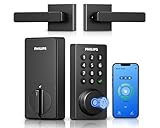
I remember the first time I tried to install one of those fancy digital deadbolts. Seemed simple enough, right? Just a few screws and a new era of keyless convenience. Well, let’s just say my initial enthusiasm faded faster than a cheap phone battery. After wrestling with instructions that read like a cryptic crossword and a few moments of genuine panic wondering if I’d just turned my front door into a glorified biscuit tin, I started to wonder: are key code door locks more secure, or am I just trading one set of worries for another?
I’ve spent years fiddling with hardware, both for my own sanity and for projects that probably paid for themselves eventually. I’ve seen my fair share of overhyped gadgets and underserviced promises. So, when it comes to whether these electronic locks are actually tougher than your old-school key, I’ve got some dirt to dish.
The Real Deal on How Keypads Work (and Don’t)
Alright, let’s get down to brass tacks. How do these electronic door locks actually function? Most of them work on a pretty simple principle: a keypad that, when you punch in the right sequence of numbers, sends a signal to a motor or solenoid inside the lock mechanism. This motor then retracts or extends the deadbolt, letting you in or securing your home. It’s basically a tiny robot doing the work your thumb used to do on a metal key.
The complexity kicks in with the electronics. You’ve got circuit boards, batteries (usually AA or 9V, and they do die, trust me), and often some kind of wireless communication for smart home integration or remote access. Some higher-end models even have biometric scanners for fingerprints, but for the most part, we’re talking about PIN codes.
Here’s where the security question really starts to bite. A traditional pin tumbler lock, like the one on your old deadbolt, relies on a series of pins of varying lengths being pushed up by the key to align perfectly, allowing the cylinder to turn. It’s a mechanical marvel, but it’s also vulnerable to picking by someone with the right tools and skill. A key code lock, on the surface, seems to sidestep this entirely. No physical key means no lock picking, right? Well, not exactly. The vulnerability shifts from the mechanical cylinder to the electronic brain and the human element.
Think about it: what’s the weakest link? Often, it’s the code itself. If your code is 1234, or your birthday, or your anniversary year, you’ve just handed over the keys. Even a slightly more complex code can be guessed or brute-forced if the lock doesn’t have any safeguards against repeated incorrect entries. Many have a lockout feature – after, say, five wrong attempts, it’ll freeze for a few minutes. That’s good, but it’s a reactive measure, not a preventative one.
Another angle to consider is the physical construction. While the mechanism might be different, the physical deadbolt itself still needs to be solid. A cheap, flimsy deadbolt can be kicked in or pried open regardless of what’s operating it. So, while the entry method changes, the fundamental physical resistance of the door and frame remains most important. I once saw a ‘smart’ lock on a door that felt like it was made of balsa wood – the lock might have been high-tech, but the door was a joke. The lock’s security rating means zilch if the door itself is a weak point.
The battery is another mundane yet very real concern. I’ve had one of these locks go dead on me in the middle of a freezing January evening. Fumbling with a 9V battery and a tiny screwdriver in the dark, with the wind howling, is not my idea of a good time. Having a backup key option is something I’d never skip after that experience. Some models have a hidden keyhole, while others expect you to have the physical override key accessible in an emergency. It’s a trade-off between convenience and a backup plan for when convenience fails.
When Convenience Becomes a Security Headache
Let’s talk about the real-world implications of adopting these keyless entry systems. The primary draw, obviously, is convenience. No more fumbling for keys in the rain, no more worrying if you left them inside. You can grant temporary access to a dog walker or a cleaner with a specific code, and then revoke it just as easily. This flexibility is genuinely useful, and I’ve certainly enjoyed the ability to let my partner in when they’ve forgotten their keys, or to give a temporary code to a visiting friend without having to meet them at the door.
However, this convenience comes with its own set of potential headaches, and frankly, some of them are less “headache” and more “full-blown migraine.” My first real “uh oh” moment came after a contractor finished some work at my house. I’d given them a temporary code, assuming they’d only use it while they were on-site.
Turns out, they didn’t bother to delete it. A few weeks later, I got a notification on my phone (yes, some of these things connect to Wi-Fi!) that the lock had been activated.
My blood ran cold. I rushed home, expecting the worst, only to find nothing amiss. But the thought that a stranger, who could have had access, was wandering around my house? That’s a chill that stays with you.
This highlights a important point: managing access codes is an ongoing task, not a set-it-and-forget-it deal. If you’re the type of person who forgets to change the oil in your car, you’re going to have a bad time with a smart lock. You need to be diligent about creating strong, unique codes for everyone and revoking them when they’re no longer needed. The common advice is to change your primary code periodically, and I now wholeheartedly agree. It feels like a chore, but the alternative – potential unauthorized access – is far worse.
Another issue I’ve encountered is the reliability of the technology itself. Batteries die, as I mentioned. Firmware glitches can occur, sometimes rendering the lock unresponsive or, in rare cases, even making it less secure. I’ve read reports of certain models being susceptible to remote hacking, though often these are older or less reputable brands. The idea of someone hacking into my front door lock from their laptop is enough to make me double-check my Wi-Fi password religiously.
Then there’s the physical security aspect again. While the electronic part might be secure, the physical cylinder or deadbolt mechanism still needs to be top-notch. I once tested a lock that had a very sophisticated electronic interface, but the actual bolt it controlled felt flimsy. It was like putting a high-security vault door on a cardboard box. For the cost of some of these units, you expect solid construction all the way through, not just in the part that lights up.
The “People Also Ask” question about whether you need a Wi-Fi connection for these locks is a good one. Not all of them do. Many operate solely on Bluetooth or Z-Wave, which are local communication protocols. Wi-Fi is usually for the ‘smart’ features: remote locking/opening from anywhere, integration with voice assistants, and push notifications. If you just want keyless entry without the online connectivity, you can often save some money and avoid the potential Wi-Fi-related security vulnerabilities. I opted for a Z-Wave model for my main entry and it’s been perfectly fine for everyday use, with the peace of mind that it’s not directly accessible from the open internet. (See Also: Are Airplane Doors Locked During Flight )
What to Look for: Beyond the Fancy Buttons
So, you’ve decided you want to ditch the keys. Good. But before you grab the first shiny gadget you see, let’s talk about what actually makes a key code door lock worth your money and your peace of mind. It’s not just about the number of digits you can program or whether it comes in brushed nickel. This is where you need to be a bit of a detective.
First off, the deadbolt mechanism itself. This is the heart of the operation. Look for locks that specify their ANSI/BHMA grade. Grade 1 is the highest security rating for residential use, meaning it’s been tested to withstand brute force attacks, as well as repeated use over a long period. Grade 2 is decent, and Grade 3 is what you’ll find on most builder-grade locks – probably not what you want for your main entry. Don’t let a slick interface fool you; if the bolt is weak, the whole thing is compromised. I’ve seen very few key code locks that are poorly built physically, but it’s worth checking reviews specifically for reports of the bolt bending or being easy to pry.
Next, consider the power source and battery life. Most use AA batteries, which are readily available. Some use 9V, which are a bit more fiddly. Importantly, does it have a backup keyhole? I cannot stress this enough. There will be a time when the battery dies, or the electronics glitch. Having a physical key override is your safety net. If a lock only relies on electronics, I’d steer clear for any primary entry point. Look for how many battery cycles it’s rated for and how it alerts you when the battery is low. Most will blink a light or beep, but some are better at giving you advance warning than others.
Connectivity is another big factor, and it’s where things get complicated. Do you need Wi-Fi?
Or is Bluetooth or Z-Wave enough? Wi-Fi offers the most convenience for remote control and smart home integration, but it also introduces potential cybersecurity risks if the lock’s firmware isn’t updated or if your home network is compromised. Bluetooth and Z-Wave are more localized.
Z-Wave, in particular, is commonly used in smart home security systems because it creates a mesh network, extending its range and reliability. If you’re already invested in a smart home ecosystem (like Samsung SmartThings or Hubitat), a Z-Wave lock might be the easiest to integrate. If you just want to ditch keys and don’t care about controlling it from your office, a Bluetooth-only model might suffice and be simpler.
Consider the user interface for programming. Some locks have intricate button sequences or require you to connect to an app just to add a new code. Others are more intuitive. I once spent an embarrassing amount of time trying to program a simple guest code on a lock, only to discover I needed to download a specific app that was poorly designed. Look for reviews that mention ease of setup and management. The ability to create temporary or scheduled access codes is a big plus for convenience and security if you have people coming and going.
Finally, think about the brand reputation and warranty. Stick to well-known brands that have a track record in home security. Brands like Schlage, Kwikset, Yale, and August are generally reliable. They usually offer better support and have more solid security protocols. A good warranty can also offer some peace of mind, though it won’t help if your door is kicked in.
Here’s a quick comparison of some common types, with my personal take:
| Lock Type | Pros | Cons | My Verdict |
|---|---|---|---|
| Basic Keypad (Battery Only) | Simple, no Wi-Fi needed, generally cheaper. | Limited features, no remote access, battery dependent. | Good for renters or those who want keyless but not ‘smart’. |
| Bluetooth Smart Lock | Keyless entry via phone, some app features, no Wi-Fi needed for basic use. | Range limited to Bluetooth, phone needs to be nearby for some functions. | Convenient for daily use if you always have your phone. |
| Wi-Fi Smart Lock | Full remote control, voice assistant integration, notifications. | Relies on Wi-Fi, potential cybersecurity risks, usually more expensive. | Best for total control and smart home integration, but be vigilant. |
| Z-Wave/Zigbee Smart Lock | Integrates with smart home hubs, reliable mesh network, often more secure than direct Wi-Fi. | Requires a compatible smart home hub. | My preferred choice for smart home users prioritizing reliability and security. |
Common Mistakes and How to Avoid Them
I’ve made my share of blunders with these electronic locks, and I’ve seen others make similar rookie errors. Learning from them can save you a lot of frustration and, more importantly, a lot of potential security breaches. The biggest mistake I see people make is treating them like they’re completely foolproof or, conversely, so fragile that they’re useless.
One of the most common pitfalls is using weak or easily guessable PIN codes. I’ve heard stories of people using 1234, 0000, or their birth year. That’s like leaving your door wide open. Even if the lock has a lockout feature after multiple incorrect attempts, someone determined might still be able to crack it or, more likely, observe you entering the code. My rule of thumb: make it at least six digits, mix numbers and avoid sequential patterns or obvious personal information. If you can, use the “randomize” feature some apps offer. It might take a second longer to enter, but that’s a small price to pay.
Another massive mistake is neglecting the batteries. I’ve been there, stuck outside in the cold because my lock decided to give up the ghost. Most electronic locks give you some warning – a blinking light, a low-battery chirp. But if you ignore it or if the battery dies unexpectedly, you’re in trouble. My advice? Keep a spare set of fresh batteries handy, especially if you live in an area with extreme weather. And for goodness sake, if your lock has a physical key override, know where that key is and make sure it’s not locked inside your house!
Installation is another area where people stumble. While many are designed for DIY, not all are created equal. Some require precise alignment, and if you force it, you can damage the internal components, leading to reliability issues down the line. If you’re not comfortable with basic DIY, or if the instructions look like a foreign language, just pay a locksmith or a handyman.
It’s far cheaper than dealing with a faulty lock or having to replace it because of a bad installation. I once spent three hours trying to get a new lock perfectly aligned because the door frame had warped slightly over time. It was infuriating, and in the end, I just called a pro who had it done in 20 minutes.
Then there’s the complacency that can set in. You install a fancy new lock, and you feel secure. (See Also: Are Combination Door Locks Safe )
But security is an ongoing process. If you have a smart lock connected to Wi-Fi, you need to keep its firmware updated.
Manufacturers release updates to patch security vulnerabilities. If you’re not connecting to your Wi-Fi network regularly, you might miss these updates. Also, be mindful of who you give codes to.
If you’ve given a guest code to a friend who’s no longer staying with you, or a contractor who’s finished their job, delete that code. It’s the digital equivalent of not changing your locks after a roommate moves out. This is a point often missed by users, leading to potential unauthorized access later on.
Finally, people sometimes overlook the physical security of the door and frame itself. A high-security electronic lock on a flimsy door or a poorly installed frame is a waste of money. The lock is only as strong as the weakest point in the entire system. Make sure your door is solid, the frame is sturdy, and the strike plate is reinforced. This is one of those fundamental truths that applies to all locks, electronic or not.
Are Key Code Door Locks More Secure? The Honest Answer
So, to finally answer the burning question: are key code door locks more secure? The answer, like most things in life, is complicated. It’s not a simple yes or no. They can be more secure, but only if you understand their strengths and weaknesses, and actively manage them. They are certainly more convenient, and that convenience is a huge selling point. But convenience can breed laziness, and laziness is a security risk.
A traditional deadbolt is vulnerable to physical attacks like picking, bumping, or drilling. A well-made electronic lock, particularly one with a high ANSI/BHMA grade and solid physical construction, can resist these attacks just as well, if not better, than its mechanical counterpart. The absence of a traditional keyhole eliminates the most common method of surreptitious entry for skilled burglars. This is a definite plus. For instance, my current front door lock, a Grade 1 rated smart deadbolt, feels incredibly solid and secure when engaged. The digital interface is responsive, and the mechanical bolt is substantial.
However, key code locks introduce a new set of vulnerabilities. The electronic components can be susceptible to hacking, though this is rarer with reputable brands and up-to-date firmware. More commonly, the security is compromised by human error: weak PIN codes, failure to revoke temporary access codes, or ignoring low-battery warnings. I’ve had a few unnerving moments where I wasn’t sure if a temporary code had been deactivated, leading to a quick check-in on my phone. It’s a constant vigilance that traditional locks don’t demand in the same way.
The counter-argument to the hacking concern is that most burglars aren’t sophisticated hackers. They’re opportunists. They’ll try the door, look for an opened window, or try to force entry. A lock that presents a digital interface rather than a visible keyhole can be a deterrent in itself, making it look like a more complex system to bypass. But if your code is simple, that deterrent is nullified. It’s a bit like having a fancy alarm system but leaving the front door opened.
Another factor is the overall system. If your smart lock is integrated into a secure smart home network, it can be very safe. If your Wi-Fi is poorly secured or your router is out of date, then the lock is only as secure as your network. This is a point that is often overlooked by consumers, who might think the lock is an isolated system. The security of your home network is most important when you have connected devices.
The real advantage of key code locks lies in their audit trail and temporary access capabilities. Knowing who entered and when, and being able to grant or revoke access remotely, is a level of control you simply don’t get with a traditional key. For families, for rental properties, or for people who frequently have guests or service providers, this granular control is invaluable. It allows for a proactive approach to security that goes beyond just physical resistance.
Ultimately, a key code door lock can be more secure than a traditional lock, primarily by eliminating the vulnerability of physical lock picking and offering advanced features for access management. But this increased security is contingent on diligent management of codes, regular maintenance (especially batteries), strong network security if connected, and choosing a high-quality lock with a solid physical mechanism. If you’re looking for a set-and-forget solution, stick with a good old mechanical deadbolt. If you’re willing to put in a little effort to manage its features, a key code lock offers a compelling blend of modern convenience and enhanced security potential.
Practical Tips for Living with Keypad Locks
Alright, you’ve taken the plunge, or you’re seriously considering it. You’ve read about the tech, the potential pitfalls, and the convenience. Now, how do you actually make these things work for you without turning your life into a security movie? Here are some practical, no-nonsense tips I’ve picked up from actually using these things day in and day out.
First and foremost: master your codes. This isn’t negotiable. Don’t use your birthday, your anniversary, or anything easily guessable like 1111 or 1234. Make them long enough – six digits is a minimum, eight is better. Mix numbers, and avoid obvious patterns. If your lock has a feature to create temporary or scheduled codes, use it religiously for guests, contractors, or dog walkers. And immediately delete or disable codes when they are no longer needed. I’ve gotten into the habit of writing down codes for people who need them, and then setting a calendar reminder on my phone to delete them a week later. It sounds like overkill, but I’d rather have a mild annoyance than a security breach.
Manage your batteries like a hawk. Most electronic locks will give you a warning when the battery is low, but don’t wait for it. Keep a spare set of fresh batteries nearby.
If you have a smart lock, you can often check the battery level via the app. If you have a basic model, make it a habit to check it every few months. (See Also: Are Keyless Door Locks Secure )
I try to swap out my main entry lock batteries every six months, regardless of whether the indicator says they’re low. It’s a cheap piece of insurance against being locked out. And again, know where your physical override key is.
Seriously. Put it in a secure but accessible place that doesn’t involve being inside the locked house.
Understand your lock’s connectivity. If it’s a Wi-Fi lock, make sure your home Wi-Fi is secure. Use a strong password for your router, keep the router firmware updated, and consider segmenting your network if you’re really paranoid. If you don’t need remote access, consider a Bluetooth or Z-Wave lock. These are generally less vulnerable to direct internet-based attacks. I chose a Z-Wave lock for my main door because I wanted smart home integration without the direct Wi-Fi vulnerability, and it’s been rock solid.
Regularly update firmware. If you have a smart lock, make sure you’re connecting to the app periodically to download and install any available firmware updates. These often contain security patches that protect against new vulnerabilities. It’s a bit like patching your computer software – you might not think it’s necessary until a problem arises.
Test your lock physically. The electronics are only half the story. Does the deadbolt extend and retract smoothly? Does it feel solid? Is the door frame strong enough to resist forced entry? A weak door frame or strike plate can render even the most secure electronic lock useless. I periodically check that the bolt fully engages and that there’s no excessive wiggle room in the strike plate. It’s about looking at the whole system, not just the fancy keypad.
Have a backup plan for failure. Beyond the physical key, think about what you’ll do if the lock completely fails. Can you get in through another entrance? Do you have a neighbor you can trust with a spare key to a different entry point? It’s rare, but being prepared for the unlikely event can save you a lot of stress. I have a hidden key for the back door, just in case the front door lock decides to go on strike.
Finally, read the manual and understand your specific model’s features. Don’t just slap it on and assume you know how it works. Take 15 minutes to read through the instructions. Understand how to add users, how to delete users, how to check battery status, and what all the blinking lights mean. It’s boring, yes, but it’s the difference between feeling in control and feeling like a confused victim of your own technology. I learned this the hard way after struggling with a feature for weeks, only to find out it was explained clearly on page 3 of the manual.
Why Do Some Smart Locks Have a Fingerprint Scanner?
Fingerprint scanners offer an even faster and more convenient way to access your home, eliminating the need to remember or enter a code. For many, it’s the ultimate in keyless convenience. However, the technology is still evolving, and while generally reliable, it can sometimes be affected by moisture, dirt, or wear on your fingers. Plus, the underlying security still relies on solid encryption and secure data storage for the fingerprint templates.
Can a Key Code Door Lock Be Hacked?
Yes, like any electronic device, key code door locks can theoretically be hacked. However, reputable manufacturers invest heavily in security protocols and firmware updates to protect against common vulnerabilities. Most hacking attempts on consumer-grade locks are either very sophisticated and targeted, or they exploit human error (like weak codes or insecure Wi-Fi networks) rather than directly breaking the lock’s internal security. Keeping firmware updated and securing your home network are the best defenses.
How Do I Reset My Key Code Door Lock If I Forget the Code?
Most key code door locks have a master reset procedure, often involving pressing a small button on the interior side of the lock while it’s powered on, or by removing and reinserting the batteries while holding down a specific button. You’ll need to consult your lock’s specific manual, as the exact process varies significantly by brand and model. Sometimes, you might need the original master code or even a physical key to perform a reset.
Are Key Code Door Locks Reliable in Extreme Weather?
Generally, yes, reputable key code door locks are designed to withstand a range of temperatures and weather conditions. However, extreme cold can impact battery performance, causing them to drain faster or fail prematurely. It’s always a good idea to have a backup plan and perhaps keep spare batteries in a warmer location if you live in a very cold climate. Water ingress can also be an issue for lower-quality locks, so checking the IP (Ingress Protection) rating if available can be helpful.
Conclusion
After wrestling with my own digital deadbolts and seeing how they perform in the real world, I can say this much: are key code door locks more secure? It’s a mixed bag, but leaning towards a definite ‘potentially, with caveats.’ They eliminate the age-old vulnerability of picking, which is huge. But they introduce new ones that demand your attention.
The convenience is undeniable, and the granular control over who enters your home is a powerful security feature in its own right. However, this convenience is a double-edged sword. It requires you to be diligent about code management, battery life, and keeping your connected home network safe. If you’re the type to set a password and never change it, or ignore software updates, you’re probably better off with a solid mechanical lock.
Ultimately, the decision comes down to your lifestyle and your willingness to engage with the technology. A well-chosen, well-maintained key code door lock from a reputable brand offers a compelling upgrade in both convenience and security. Just don’t be the person who gets locked out because they ignored the blinking battery light.
So, to finally settle the debate: are key code door locks more secure? Yes, they can be, but it’s not an automatic upgrade. They get rid of lock picking but add the need to manage codes and batteries. My experience has taught me that the human element is still the weakest link, whether you’re using a physical key or a digital PIN.
If you’re willing to be vigilant about your codes, keep those batteries fresh, and make sure your home network is secure, then a key code door lock can offer a significant boost in convenience and a different, often more manageable, type of security. For me, the ability to grant temporary access and have an audit trail has proven invaluable, making the occasional battery swap or code review a worthwhile trade-off.
My honest advice? If you’re leaning towards a key code lock, pick a reputable brand, opt for a model with a physical key backup, and commit to treating it like the important security device it is – not just a fancy gadget.