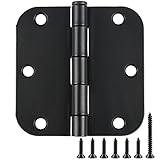
I remember staring at this massive, supposed-to-be-sleek lucite door for my new walk-in closet. The salesperson raved about its modern, minimalist vibe. Then came the installation day, and my stomach dropped. Suddenly, all I could see were these chunky, brass hinges sticking out like a sore thumb against the crystal-clear acrylic. It made me wonder, are hinges visible in a lucite door? The short answer is, it depends entirely on what kind of hinges they decide to slap on it. My initial excitement turned into pure buyer’s remorse in about ten minutes.
The Naked Truth About Lucite Doors and Their Hardware
Let’s get this straight: when you picture a ‘lucite door,’ you’re probably imagining that pure, uninterrupted sheet of clear acrylic, right? Like a modern art installation that just happens to open and close.
I know I was. That’s what they sell you on.
But the reality of how those panels are attached to a frame, or even just mounted within an opening, often involves hardware. And this hardware, folks, is where the illusion shatters. The biggest shocker for me was realizing that many manufacturers, to save a buck or just because it’s easier, will use standard door hinges. You know, the kind you see on any old wooden door in your grandma’s house.
These are almost universally surface-mounted, meaning they physically protrude from the door and frame. On a solid, opaque door, you barely notice them. On a clear lucite door? They’re practically screaming for attention.
I’ve seen them in brushed nickel, polished chrome, black, and even some garish gold. None of them truly blend in. They break up the clean lines, create visual clutter, and can make that expensive-looking lucite feel suddenly… cheap. It’s like putting racing stripes on a luxury sedan; it just doesn’t fit the aesthetic.
My first lucite door had these thick, visible barrel hinges that looked like they belonged on a garden shed. The contrast was jarring, and it took away from the whole point of having a clear door in the first place – to create an open, airy feel.
When ‘invisible’ Hinges Aren’t So Invisible
So, you’re thinking, ‘Okay, but surely there are invisible hinges for clear doors, right?’ Yes, they exist. They’re often called ‘concealed’ or ‘mortise’ hinges, and they are designed to sit within the edge of the door and frame. When done perfectly, they can make it look like the door is just floating in place.
This is the dream. However, there are a few catches.
First, they’re significantly more expensive. We’re talking a jump in cost that can make you wince. Second, they require precision installation. If the cuts into the lucite aren’t perfect, or if the frame isn’t perfectly aligned, even concealed hinges can become visible.
I once saw a custom-made lucite shower door where the installer got the mortise slightly wrong. The hinge was still mostly hidden, but you could see a tiny sliver of metal peeking out at a weird angle. It was like a poorly set prosthetic tooth. (See Also: A Box Without Hinges Key )
It’s also worth noting that some concealed hinges, while less visible, still have a small mechanism or pin that might catch the light. So, while they’re a massive improvement over surface-mounted ones, don’t expect absolute magic.
The lucite material itself can magnify any imperfections. A tiny scratch on a traditional hinge might go unnoticed, but on a clear door, it can become a focal point.
One of my biggest gripes with manufacturers is their lack of transparency here. They’ll show you gorgeous product photos of lucite doors with no visible hardware, and then you get the bill, and it’s for standard, ugly hinges.
My Mistake: Assuming ‘modern’ Meant ‘sleek’
Here’s where I really screwed up. I was ordering a set of sliding lucite doors for a room divider. The online description used words like ‘minimalist design’ and ‘unobtrusive.’ I saw these terms and my brain just translated that to ‘no ugly hardware.’
Big mistake. I didn’t specifically ask about the hinge type. I assumed that for a modern, clear material, they would use the sleekest possible option. When the delivery truck pulled up, I was ecstatic.
Then, the installers started working, and I saw it – the same old, chunky, silver hinges I’d tried to avoid. They weren’t even painted to match the frame; they were just… silver. It was a classic case of ‘assuming makes an ass out of you and me.’ The doors themselves were beautiful, the acrylic was thick and clear, but those hinges were a constant visual annoyance.
They completely ruined the intended effect of smooth integration with the room. I ended up calling the company, furious, and they offered to replace the hinges for an additional charge. It cost me another $250 to get slightly less offensive, brushed nickel surface-mount hinges.
It was a hard lesson: always, always specify the hinge type, and don’t trust vague marketing copy. You need to know if they’re surface-mount, concealed, or some other specialized type. I learned the hard way that ‘modern’ can still mean ‘uses hardware that looks like it came off a toolbox.’
What to Look for When Buying Lucite Doors
So, how do you avoid my painful lesson? When you’re looking at lucite doors, whether for cabinets, room dividers, shower enclosures, or even just decorative panels, you need to be hyper-vigilant about the hardware. Here’s my checklist:
| Hardware Type | Visibility | Pros | Cons | My Verdict |
|---|---|---|---|---|
| Surface-Mount Hinges (Standard Butt Hinges) | Highly Visible | Cheapest, Easiest to Install | Aesthetically Unappealing on Clear Doors, Can Feel Cheap | Avoid Unless Budget is Extremely Tight and Aesthetics Don’t Matter |
| Concealed Hinges (European Style, Mortise) | Mostly Hidden | Sleek, Modern Look, Clean Lines | More Expensive, Requires Precise Installation, May Still Have Minor Visible Parts | The Best Option for a Truly Smooth Look, Worth the Extra Cost |
| Specialty Hinges (e.g., Pivot Hinges) | Varies (Often Visible but Stylized) | Can Offer Unique Design Options, Modern Feel | Can Be Expensive, May Require Specific Frame Types | Consider if the Design Complements the Space, but Vet Visibility Carefully |
Beyond the hinge type, pay attention to the finish. If you opt for surface-mount hinges, a finish that matches your surrounding hardware (like brushed nickel or matte black) is less jarring than a contrasting shiny chrome. But honestly, nothing beats the look of properly installed concealed hinges. Also, check the thickness of the lucite. (See Also: Are Integrated Washing Machine Door Hinges Standard )
Thicker acrylic (1/4 inch or more) tends to look more substantial and less prone to flexing, which can sometimes make even well-installed hinges look a bit precarious. If you’re working with a custom fabricator, ask for samples of the hardware they plan to use. Hold them up against a clear piece of acrylic yourself. Don’t just take their word for it.
The key is proactive questioning and not being afraid to ask for what you want, even if it costs a bit more. The ‘people also ask’ question about whether lucite scratches easily is also relevant here; while not directly about hinges, it highlights that lucite is a material that demands care, and visible, bulky hardware can make it feel less precious.
I had another encounter with what I thought were ‘hidden’ hinges on a set of custom lucite cabinet doors in my home office. These were smaller doors, meant to conceal some unsightly shelving. The supplier assured me they used ‘high-quality, discreet hinges.’ What arrived were these tiny, spring-loaded hinges that were indeed mortised into the edges.
On the surface, they looked good. But here’s the twist that caught me off guard: they had a very specific opening range. They didn’t open flat against the adjacent cabinet side, like a normal hinge.
Instead, they stopped at about a 90-degree angle. This meant that to actually access the shelves inside, you had to reach around the slightly ajar door. It felt incredibly awkward and inefficient. It made me realize that ‘hidden’ doesn’t always mean ‘functional.’
The hinge mechanism, while small, was still a physical barrier. It made me think about how the entire design of a clear door hinges on every single component. The common advice to ‘just get concealed hinges’ is good, but it’s not the whole story. You need to understand how those concealed hinges operate.
Do they allow for a full range of motion? Do they require any special framing that might become visible? I’ve also seen instances where the clear acrylic itself has been routed out to accommodate a hinge, and if that routing isn’t perfectly smooth or is too deep, it can create a frosted or distorted area around the hinge, making it more noticeable than a simple surface-mount.
It’s a subtle point, but with lucite, the details matter immensely. The clarity of the material means that any imperfection, any shortcut, is amplified.
Contrarian View: When Visible Hinges Might Be Okay
Okay, I’m usually all about that smooth, invisible look. But I have a contrarian take: sometimes, visible hinges on a lucite door can actually work, provided they are intentionally chosen and integrated into the overall design. Everyone screams about making them disappear, but what if you lean into it? I saw a set of industrial-style lucite doors in a loft apartment that used beefy, black metal strap hinges.
They were completely visible, unapologetically so. But they matched the exposed ductwork, the metal shelving, and the overall raw, unfinished aesthetic of the space. In that context, they didn’t look out of place; they looked like a deliberate design choice. They added to the character of the room. (See Also: Are Hinges Wheeels )
It was like saying, ‘Yeah, this is a modern material, but it’s in a space that celebrates function and a bit of grit.’ So, my advice here is: if you’re going for a super-modern, minimalist, gallery-esque vibe, then absolutely, chase those concealed hinges and budget for them. But if your space has a more eclectic, industrial, or even a bold, statement-making design, don’t automatically dismiss visible hinges. Look for hardware that has a strong design of its own – something with a unique shape, a striking finish, or a solid construction that feels intentional rather than an afterthought.
The key is that the hinges become a feature, not a flaw. It’s about making them part of the narrative, not something to hide. I’ve also seen polished brass hinges on a bright white or pale blue lucite door that looked surprisingly chic, especially in a more traditional or art deco-inspired setting. It’s all about context and intent.
So, while my default is ‘hide them,’ I’ve learned that sometimes, letting them be seen can be the right move, provided you’re thinking about it from the start.
Can You See Screws in a Lucite Door?
Generally, yes, you can see screws if they are part of visible hardware like surface-mount hinges. The screws are what hold those hinges together and attach them to the door and frame. If the hinges are concealed within the door and frame material, then the screws used for their installation are also hidden from view, maintaining the clean aesthetic.
Are There Hinges That Don’t Show on Acrylic Doors?
Yes, there are. These are typically called concealed or mortise hinges. They are designed to be installed within the edges of the acrylic panel and the frame, so they are not visible from the front or side when the door is closed. However, the installation requires precise routing and alignment to make sure they remain truly hidden.
What Kind of Hinges Are Best for Clear Doors?
The best kind of hinges for clear doors, in terms of aesthetics, are concealed hinges. They offer the most smooth look by hiding the hardware. However, surface-mount hinges can be used if budget is a concern or if the visible hardware is part of an intentional design choice, but they will be visible.
How Do You Install Hinges on Lucite?
Installing hinges on lucite requires care due to its brittle nature. For surface-mount hinges, you typically drill pilot holes and use screws. For concealed hinges, precise routing or mortising into the edges of the lucite is necessary, often requiring specialized tools and techniques to avoid cracking or damaging the material. Professional installation is highly recommended for concealed hinges.
Verdict
So, the big question of whether are hinges visible in a lucite door isn’t a simple yes or no. It’s a question of choice and execution. If you want that pure, unbroken expanse of acrylic, you need to be incredibly deliberate about your hinge selection and installation. Don’t let vague marketing terms lull you into a false sense of security. Get specific about hinge types and finishes.
My personal journey with these doors has taught me that while concealed hinges are the gold standard for a minimalist look, they come with a higher price tag and require expert installation. If you’re on a tighter budget, or if your design leans towards something more industrial or eclectic, visible hinges can be a design element rather than a flaw, provided they’re chosen thoughtfully.
Before you order anything, get a quote that explicitly details the type and finish of the hinges. And if you’re unsure, ask for a sample or a clear photo of the hardware installed on a similar piece. Your future self, staring at that door every day, will thank you for the extra due diligence.