I remember the first time I tried to fix a wobbly cabinet door. The hinge looked simple enough, but when I went to the hardware store, I was hit with a wall of jargon: ‘butt hinge,’ ‘surface mount,’ ‘concealed,’ and then the dreaded ‘one-piece vs. two-piece.’ What the heck was the difference, and which one was actually going to stop my door from slamming shut like a drum solo? It turns out, this isn’t just about aesthetics; the right hinge type can make a world of difference in how your project functions and lasts. So, are one or two piece hinges better? Let’s cut through the noise.
I’ve spent more weekends than I care to admit wrestling with hardware, and I’ve seen my fair share of cheap, flimsy hinges give up the ghost far too soon. Others, though, have been rock-solid performers, quietly doing their job for years. This whole hinge debate boils down to a few key differences that really matter in the real world, not just on paper.
The Anatomy of a Hinge: What’s Really Going on?
Let’s get down to brass tacks. When we talk about one-piece versus two-piece hinges, we’re usually talking about the basic construction of what’s called a ‘butt hinge.’ These are the most common types you’ll see on doors, cabinets, and furniture. They’re called butt hinges because they’re designed to fit into a ‘butt joint,’ where two pieces of wood meet at a right angle.
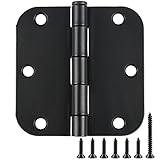
A traditional two-piece butt hinge is what most people picture. It consists of two separate leaves, each with a set of screw holes, connected by a pin that runs through barrels (or knuckles) on each leaf. One leaf attaches to the door edge, and the other attaches to the frame or cabinet side.
The pin is often removable, which is a handy feature for installation or maintenance. Think of a standard interior door hinge; that’s likely a two-piece design. The pin is the key component that allows the two leaves to pivot relative to each other. When you’re installing these, you typically mortise (cut a shallow recess) into both the door and the frame so the hinge sits flush.
This gives a clean look and prevents the door from sticking out. The depth of the mortise is important for alignment and to prevent stress on the hinge and the wood. If you get the mortise wrong, the door might not close properly, or the hinge might bind.
Now, a one-piece hinge, often called a ‘strap hinge’ or sometimes a ‘continuous hinge’ (though continuous hinges are a bit different in application, often running the full length of the door), usually refers to a simpler, often more solid construction where the two ‘leaves’ and the connecting barrel are forged or stamped from a single piece of metal. The pivot point is integral to the design. These are sometimes seen on heavier doors, gates, or utility boxes where strength and simplicity are prioritized. They might not offer the same clean, flush look as a mortised two-piece hinge because they often sit on the surface, or they might have a different type of mounting mechanism.
The pin is often not removable in the same way, meaning installation and removal can be trickier if you need to take the door off. I’ve seen these used on old sheds or utility access panels where the focus is purely on function and durability over refined aesthetics.
The manufacturing process plays a role. Two-piece hinges are often made by stamping two separate leaves and then assembling them with a pin. One-piece hinges, especially the strap variety, are often forged, meaning the metal is heated and shaped under pressure, which can result in a stronger, more monolithic structure. This can be a significant advantage in high-stress applications. It’s this fundamental difference in construction – two separate parts joined by a pin versus a single, integrated piece – that leads to their different strengths and weaknesses.
When Strength and Simplicity Reign: The Case for One-Piece Hinges
If you’ve ever dealt with a heavy gate, a sturdy workshop cabinet, or even a well-built tool chest, you might have encountered a one-piece hinge that just felt solid. This is where their advantage often lies. Because they’re typically forged or stamped from a single piece of metal, they can be incredibly strong and resilient. There’s no pin to work itself loose over time, no separate barrels to wear down independently of the leaves. It’s all one unit.
I had this one project where I was building an outdoor access panel for an old irrigation system buried in my yard. It needed to be solid, weather-resistant, and able to withstand some serious use and potential impact. I initially looked at standard two-piece butt hinges, but they felt too delicate. I ended up using a couple of heavy-duty, forged one-piece strap hinges.
They mounted directly onto the surface of the wooden frame and the access panel itself, with no need for precise mortising. Installation was surprisingly straightforward – just drill some holes and screw them in. The result? A door that felt incredibly secure, swung smoothly, and has held up to rain, sun, and the occasional accidental kick without any sign of stress.
They weren’t pretty, but they were functional and felt like they’d last forever. That experience really hammered home for me that sometimes, the simplest design is the most effective when brute strength is the priority.
The inherent lack of a separate pin means one less point of failure. For applications where the hinge will be under constant tension or subject to frequent, forceful opening and closing, this can be a huge benefit. Think about something like a utility trailer ramp, a heavy chest lid, or industrial equipment doors. The integrated design distributes stress more evenly across the single piece of metal.
This often translates to a longer lifespan and less maintenance, as there are fewer components to inspect, lubricate, or replace. For DIYers who might not have access to precision tools or who are working on projects where perfect alignment isn’t the absolute top priority, the surface-mount nature of many one-piece hinges can be a godsend. It simplifies installation and often requires less skill to get a functional result. You’re less likely to have issues with the door sagging or binding due to slight misalignments in the wood or the mortise, as the hinge itself is a more forgiving structure.
While many one-piece hinges are designed for surface mounting, some variations exist that can be mortised. However, the most common and distinctive types, the strap hinges, are typically surface-mounted. This often means they have a more pronounced, industrial look. They aren’t usually the choice for fine furniture or interior doors where a flush, hidden look is desired. Their strength comes at the cost of a certain aesthetic refinement. So, while they excel in durability and ease of installation for certain tasks, their visual impact means they’re not a universal solution. The key takeaway here is their robustness and the simplification of the pivot mechanism, making them ideal for demanding, less aesthetically sensitive applications.
The Versatility and Refinement of Two-Piece Hinges
On the flip side, two-piece hinges, particularly the standard butt hinge, are the workhorses of the woodworking and home improvement world for a reason: versatility and a refined finish. Their design allows for precision, clean aesthetics, and adaptability that makes them suitable for a vast range of applications, from the most elegant interior doors to the smallest jewelry boxes. (See Also: A Box Without Hinges Key )
My biggest hinge-related blunder involved trying to save a buck on a set of cheap, two-piece hinges for a custom bookshelf I was building. I wanted a really clean, built-in look, so I carefully mortised the doors and the cabinet frame. I bought the cheapest pack I could find, thinking, ‘How different can they be?’
Well, let me tell you. After about six months, one of the pins started to work its way out. The barrels seemed a bit loose, and the door started to sag.
It looked terrible, and I was constantly fiddling with it, trying to push the pin back in or tighten screws that just kept stripping. It was a constant annoyance that detracted from the whole bookshelf.
I eventually had to replace them with a higher-quality set, and the difference was night and day. The new hinges felt much more solid, the pin stayed put, and the doors swung smoothly. That experience taught me that while the design of a two-piece hinge is versatile, the quality of the manufacturing is absolutely most important.
The ability to mortise two-piece hinges creates that smooth, flush appearance that’s so desirable in many interior applications. When installed correctly, the hinge leaves sit perfectly flush with the wood surface, making the hinge almost disappear. This is important for maintaining the clean lines of modern cabinetry and doors. Furthermore, the removable pin is a huge practical advantage. Need to take a door off for painting, moving, or easier access to the door frame? Just tap out the pin. This makes installation, repair, and maintenance significantly easier. You can also swap out the pin for a security pin if needed, adding an extra layer of protection.
The variety within the two-piece hinge category is also staggering. You have different gauges of metal for varying weight capacities, various finishes to match hardware (brass, nickel, oil-rubbed bronze, black), and specialized types like ball-bearing hinges for very heavy doors or rising-and-falling hinges for specific cabinet designs. This adaptability means you can almost always find a two-piece hinge that meets the specific functional and aesthetic requirements of your project.
While they require more precision in installation due to the mortising, the end result is often a more professional and polished look. The slight trade-off in raw strength compared to some one-piece designs is usually negligible for most residential and light commercial applications, especially when you opt for quality hardware. The nuanced control they offer over door alignment and swing is often more valuable than sheer brute force.
One-Piece vs. Two-Piece: A Direct Comparison
When you’re standing in the aisle, trying to decide, it helps to see the pros and cons laid out. This isn’t just about which one looks better; it’s about which one will perform best for your specific job. I’ve put together a table that breaks down the key differences as I see them based on years of fiddling with both types. Remember, this is based on typical designs; there are always exceptions and high-end versions of both that blur the lines.
| Feature | One-Piece Hinges (Typical Strap/Forged) | Two-Piece Hinges (Typical Butt Hinge) | My Verdict |
|---|---|---|---|
| Construction Strength | Generally higher, especially forged types. Fewer failure points (no separate pin). | Good to excellent, depending on material gauge and quality. Pin is a potential wear point. | One-piece often wins for sheer brute force. |
| Installation Difficulty | Often simpler (surface mount). Less precision needed. | More complex. Requires precise mortising for flush fit. | One-piece is easier for beginners or less important applications. |
| Aesthetics/Finish | Often industrial, utilitarian, or rustic. Less refined. | Can be very refined, flush, and concealed. Wide range of finishes. | Two-piece is the clear winner for interior and fine furniture. |
| Durability/Lifespan | Potentially very long due to simpler, solid design. | Can be very long with quality hardware. Pin can wear over time. | Depends heavily on quality. High-quality two-piece can outlast cheap one-piece. |
| Maintenance/Repair | Generally low. | Removable pin makes maintenance easier. Can be serviced. | Two-piece is easier to service if issues arise. |
| Cost | Can range from inexpensive to very costly for heavy-duty. | Wide range, from very cheap to premium. | You get what you pay for in both categories. |
Looking at this, you can see why certain hinges are used for specific jobs. If you’re building a garden shed or reinforcing a workshop door, the strength and simplicity of a one-piece hinge are hard to beat. But if you’re hanging interior doors in your house or fitting cabinet doors in your kitchen, the clean look and ease of maintenance offered by a well-made two-piece hinge are usually the better bet. It’s not about one being universally better, but rather which one is better for the task at hand.
Common Mistakes and What to Watch Out For
I’ve made my share of mistakes when it comes to hinges, and I’ve seen others make them too. The biggest trap, hands down, is thinking all hinges are created equal. They are not. The cheap pack of hinges you grab because it’s a few dollars cheaper can end up costing you more in frustration, repairs, and eventual replacement than buying good quality hardware from the start. I learned this the hard way with that bookshelf incident, spending more time and money fixing a problem caused by cutting corners.
One common mistake, especially with two-piece hinges, is improper mortising. If you don’t cut the recess deep enough, the door won’t close properly, or the hinge will bind, putting undue stress on the screws and the wood. Too deep, and the hinge leaf will sit proud, leaving a gap. This requires a good eye and a sharp chisel, or a router with the right jig.
Forgetting to account for the ‘throw’ of the hinge is another one. The throw is basically how much the hinge pin is offset from the edge of the hinge leaf. This affects how the door swings and whether it clears the frame.
It’s usually clearly marked on the hinge packaging or specifications, but it’s easy to overlook if you’re just grabbing hinges off the shelf.
Another pitfall is choosing the wrong weight rating. Hinges are designed to support a certain amount of weight. Using undersized hinges on a heavy door or gate is a recipe for disaster. The door will sag, the hinges will bend, and eventually, something will break.
Always check the manufacturer’s specifications for the load capacity. For exterior applications, corrosion resistance is also most important.
Using interior-grade hinges on a gate or exterior door will lead to rust and premature failure. Stainless steel or coated steel hinges are a must for anything exposed to the elements. And don’t forget the screws! Cheap, soft screws will strip out easily, and they can also rust. (See Also: Are Integrated Washing Machine Door Hinges Standard )
Use good quality, hardened steel screws that are appropriate for the material you’re screwing into (wood, metal, etc.).
For one-piece hinges, a common mistake is assuming they are always stronger. While many are, a poorly manufactured one-piece hinge can still fail. Also, their surface-mount nature means they can sometimes look a bit clunky if not installed thoughtfully. If you’re aiming for a clean look, you might need to do some extra work to recess them slightly or choose a specific style that blends better.
Finally, and this applies to both types, not lubricating hinges periodically can lead to squeaking and premature wear. A little bit of grease or oil can go a long way in extending their life and keeping them operating smoothly.
People often forget about hinges until they start making noise or fail, which is usually too late.
People Also Ask:
Are One Piece Hinges Stronger Than Two Piece Hinges?
Generally, yes, especially when comparing typical forged one-piece strap hinges to standard two-piece butt hinges. The monolithic construction of a one-piece hinge has fewer potential failure points, like a separate pin or barrels, making it inherently more solid for applications requiring significant strength and resilience.
Can You Use One Piece Hinges on Interior Doors?
While technically possible, it’s generally not recommended for most interior doors where aesthetics are important. One-piece hinges, particularly strap hinges, often have a more industrial or utilitarian look and are typically surface-mounted, which doesn’t achieve the clean, flush finish desired for interior applications. High-quality two-piece butt hinges are the standard for interior doors due to their refined appearance and precise installation capabilities.
What Is the Difference Between a Butt Hinge and a Strap Hinge?
A butt hinge consists of two separate leaves connected by a pin running through barrels; it’s designed for mortise installation and offers a flush appearance. A strap hinge is typically a one-piece hinge with elongated leaves (straps) that extend along the surface of the door and frame, often used for surface mounting on gates, utility boxes, or rustic furniture, prioritizing strength and ease of installation over a concealed look.
How Do I Choose the Right Hinge?
Consider the weight of the door or gate, the environment (interior/exterior), the desired aesthetic (flush and concealed vs. surface-mounted and visible), and the required durability. For heavy doors or demanding applications, strength is key, potentially favoring one-piece designs. For interior doors and fine furniture, precision, aesthetics, and ease of maintenance often make high-quality two-piece butt hinges the superior choice.
Real-World Applications and Practical Tips
I’ve seen hinges in action on everything from my kid’s toy chest to massive industrial equipment. The best hinge for a garden gate is rarely the best for a fine piece of furniture. Understanding where each type shines can save you a lot of headaches.
For garden gates or shed doors, especially those that might be exposed to weather or subjected to rough use, I lean towards heavy-duty one-piece strap hinges. They’re straightforward to install, can handle the weight and potential abuse, and don’t require the intricate mortising that can be difficult to do outdoors. I’ve found that stainless steel or a good quality powder-coated steel is key here to fight off rust. For something like a simple wooden mailbox post, a couple of smaller, corrosion-resistant two-piece hinges might suffice if you want a cleaner look and the mailbox isn’t too heavy.
When it comes to interior doors – the ones in your house that you open and close dozens of times a day – high-quality, two-piece butt hinges are the way to go. Look for hinges made from solid steel or brass, with a finish that matches your other hardware. Ball-bearing hinges are worth the extra cost for heavy doors (like solid core entry doors or large closet doors) as they dramatically reduce wear and tear and make the door swing effortlessly.
Always choose hinges that are rated for the weight of your door. A standard interior door usually needs a 3-knuckle, 1.5mm to 2mm gauge steel hinge. For anything heavier, step up the gauge or go for ball-bearing hinges.
Make sure your door and frame are properly prepared for mortising; it’s worth investing in a hinge mortising jig if you’re doing multiple doors, as it makes sure consistent depth and alignment.
For cabinets and furniture, the choice depends on the style. For sleek, modern cabinets where you want a clean, smooth look, concealed hinges (which are a specialized type of two-piece hinge often with complex adjustment mechanisms) are the norm.
For more traditional or rustic furniture, surface-mounted decorative hinges, which can be one-piece or two-piece, might be used. If you’re building a workbench or a heavy-duty storage cabinet, look for solid two-piece hinges with a good weight rating. A practical tip: when installing any hinges, especially two-piece ones, use a pencil to trace the hinge leaf onto the wood after you’ve marked your mortise. This gives you a precise outline to cut to.
Also, pre-drilling pilot holes for your screws is important, especially in hardwoods, to prevent splitting and make sure the screws go in straight. For screws that might be exposed, consider using color-matched screws or decorative caps to hide them for a more finished look. (See Also: Are Hinges Wheeels )
If you’re working with a very old piece of furniture or a door that has a unique rebate, you might find specialized hinges designed for those specific situations. Don’t be afraid to do a bit of research beyond the standard butt and strap hinges. Sometimes, a specific type of pivot hinge or a specialized architectural hinge is exactly what you need. The key is to match the hinge’s capabilities to the demands of the application and to never underestimate the importance of quality hardware. It’s the small details like hinge selection and installation that truly make a project look and feel professionally done, and more importantly, function reliably for years to come.
The Hidden Costs of Going Cheap
You see it all the time: a set of four hinges for $12.99. It’s tempting, especially when you’re on a budget or tackling a project with a lot of components. But I’m here to tell you, from bitter experience, that those bargain-basement hinges are almost always a false economy. They’re the gift that keeps on giving… problems.
My first major DIY disaster involved building a set of built-in wardrobes. I needed about 16 hinges.
I found a multipack online for an unbelievable price. They looked okay, and they were a standard two-piece butt hinge design.
The installation was a bit fiddly; the metal felt thin, and the screw holes seemed slightly off. But, I got them on.
Within a month, one of the doors started to sag. Then another.
The pins on some were working their way out, and the barrels felt loose, almost like they were made of lead. I spent hours trying to adjust them, tightening screws that just stripped, and eventually, I had to live with doors that didn’t quite close straight and made a horrible groaning sound every time they moved.
It was embarrassing and incredibly frustrating. The cost of the cheap hinges was probably around $50-$60 total, but the cost in my time, the annoyance, and the eventual need to buy a decent set (which cost nearly $200) was astronomical. It was a harsh lesson in the value of quality hardware.
Cheap hinges are often made from thinner, lower-grade metal. This means they bend more easily under load, leading to sagging doors. The pins can be made of softer metal and aren’t secured as well, allowing them to work loose. The barrels where the pin sits can be poorly formed, creating slop and leading to wobbly doors. Furthermore, the finishes on cheap hinges are usually inferior. They’re more prone to scratching, chipping, and rusting, especially in humid environments or outdoors. This not only makes your project look bad but can also lead to structural failure. For instance, a rusted hinge pin can seize up, making it impossible to remove the door for repairs or replacement without damaging the surrounding wood.
The real kicker is that the labor involved in fixing or replacing faulty hinges often far outweighs the initial savings. You spend time troubleshooting, trying to make them work, and then more time removing them and installing new ones.
If you’re paying a professional, their hourly rate will quickly make that $10 difference on a pack of hinges seem like a rounding error. So, when you’re considering are one or two piece hinges better, also consider the materials and manufacturing quality. A well-made, albeit more expensive, hinge will perform better, last longer, and save you money and sanity in the long run. It’s about investing in the longevity and functionality of your project, not just getting something in place for the lowest initial price.
Always check the material gauge, the number of knuckles (more is usually better for stability), and the quality of the finish.
Verdict
So, are one or two piece hinges better? The honest answer, as with most things, is ‘it depends.’ For sheer strength, simplicity, and ease of surface mounting on utilitarian projects like gates or heavy-duty utility panels, the one-piece hinge often takes the crown. They’re built tough and have fewer parts to fail. However, for most interior doors, cabinets, and fine furniture where precision, a clean aesthetic, and smooth, quiet operation are key, a high-quality, well-installed two-piece butt hinge is almost always the superior choice. Don’t let cost be the deciding factor; the long-term performance and your sanity are worth investing in good hardware.
My biggest takeaway from years of wrestling with hardware is that quality matters immensely. A cheap, poorly made hinge of either type will cause you endless grief. Look for solid materials, proper construction, and finishes that suit your environment. Always match the hinge’s load capacity to the weight of what it’s supporting. You’ll thank yourself down the line when your doors swing smoothly and stay aligned, looking and functioning as they should for years to come.
Before you buy, think about the specific demands of your project. Is it a heavy, exposed gate, or a delicate cabinet door? Consider the look you’re going for. Once you’ve got that clear, you can confidently choose the type and quality of hinge that will serve you best.