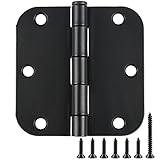
Look, I get it. You’re staring at a pile of rust where your Jeep windshield hinges used to be, or maybe you snagged a deal on some parts and now you’re wondering if they’ll even fit. The question, ‘are TJ and YJ windshield hinges interchangeable?’ is one that pops up more often than you’d think, especially when you’re trying to keep an older Jeep on the road without breaking the bank.
Let me cut to the chase: it’s not a simple yes or no. There are nuances, and if you just bolt on whatever you find, you might end up with more problems than you started with. I’ve been there, spending good money on parts that looked identical but acted like they were from different planets.
The Subtle Differences That Matter: Tj vs. Yj Hinges
So, are TJ and YJ windshield hinges interchangeable? Mostly, no. And here’s why it’s more complicated than a quick glance suggests. My first encounter with this was on a YJ. I found what I thought was a killer deal on some ‘universal’ hinges online. They looked right, same basic shape, same number of bolt holes. I slapped them on, felt pretty smug about saving some cash, and then went to fold my windshield down.
It didn’t fold. Not even close. The angle was all wrong. Turns out, while they look similar, the YJ hinges have a slightly different pivot point and curvature compared to the TJ hinges. This subtle difference in geometry means that while they might bolt up, they won’t function correctly for their intended purpose – allowing that windshield to fold flat. This little snafu cost me a weekend of wrenching and another chunk of change to get the correct YJ-specific ones.
The YJ (1987-1995) and the TJ (1997-2006) Wranglers, while both solid axles and iconic Jeep designs, underwent significant body and frame updates. These updates weren’t just skin deep. The cowl area, where the windshield hinges mount, received its share of redesigns. The YJ’s cowl is a bit flatter, whereas the TJ’s has a slightly different contour and a subtly altered mounting surface.
This means the hinges, while serving the same function of holding the windshield frame to the body, are shaped differently to mate precisely with their respective body tubs. Think of it like trying to fit a slightly different puzzle piece; it might go in the general area, but it won’t lock in place correctly. The bolt hole patterns are generally the same, which is where the confusion often starts.
But the offset and the angle of the hinge arms are where the important differences lie. Forcing parts that aren’t designed to work together is a recipe for stripped threads, bent metal, and a whole lot of frustration. It’s always best to get the correct part for your specific Jeep model year.
What to Look for When Buying Hinges (don’t Get Screwed)
When you’re on the hunt for new windshield hinges, whether for a YJ or a TJ, knowing what to look for can save you a ton of headaches and money. First off, if anyone tries to sell you ‘universal’ Jeep windshield hinges that claim to fit YJ, TJ, and JK, run for the hills. There’s no such thing. Stick to parts specifically listed for your model year range.
The biggest tell is the material and finish. Cheap hinges are often made from thin, stamped steel that will rust faster than you can say ‘Jeep life.’ Look for ones made from thicker gauge steel, ideally powder-coated or zinc-plated to resist corrosion. This isn’t just about looks; it’s about longevity. I’ve seen flimsy hinges warp and fail under stress, especially if you’re running a heavier-than-stock windshield frame or if you live in a salty climate. (See Also: A Box Without Hinges Key )
When you’re comparing them visually, pay attention to the curvature of the hinge arms and the base plate. The YJ hinge arm has a slightly different bend than the TJ hinge arm. If you can, get your hands on them. Feel the weight; the quality ones will feel substantial. Check the smoothness of the pivot points. They should move freely but without excessive slop. A rough or sticky pivot point is a sign of poor manufacturing and will be annoying to deal with in the long run.
If you’re buying online, scrutinize the product photos. Zoom in. Look for crisp details. Manufacturers who are proud of their product will show clear, high-resolution images. If the photos are blurry or look like they were taken with a potato, move on. Read the product descriptions meticulously. They should clearly state the Jeep models and years the hinges are designed for. If it’s vague, assume it’s not right. Also, check reviews. Real-world feedback from other Jeep owners is invaluable. If multiple people mention fitment issues or premature rust, heed that warning.
Here’s a little comparison table to help you visualize the differences. Remember, these are general observations, and minor variations can exist between manufacturers, but the core design intent is consistent for each model.
| Feature | YJ (1987-1995) | TJ (1997-2006) | Verdict |
|---|---|---|---|
| Cowl Contour Fit | Designed for flatter YJ cowl | Designed for slightly more contoured TJ cowl | Mismatch causes gaps/stress |
| Hinge Arm Bend | Slightly different angle/sweep | Slightly different angle/sweep | Affects windshield fold angle |
| Mounting Surface Angle | Matches YJ tub | Matches TJ tub | Important for proper sealing and alignment |
| Common Material Quality | Varies wildly, many cheap options exist | Varies wildly, many cheap options exist | Always check specs and reviews |
Common Mistakes and How to Avoid Them
The biggest mistake, as I learned the hard way, is assuming that because they look similar, they’ll fit. This is common when people are trying to save a buck or when they’re buying used parts from a seller who isn’t entirely sure what they’re selling. Another common pitfall is buying the cheapest option available. While it’s tempting to save money, especially on something as seemingly simple as hinges, the cheapest parts are almost always the lowest quality.
I’ve seen budget hinges bend or break under the weight of a windshield, especially after a few years of exposure to the elements. This can lead to the windshield sagging, making it difficult to open or close, or worse, causing damage to the windshield frame or the cowl itself. It’s a false economy. You end up paying more in the long run to replace the cheap parts, potentially repair damage, and deal with the hassle of removing and reinstalling parts multiple times.
Another mistake is not inspecting the hinges thoroughly before purchase, especially if buying online. As I mentioned, blurry photos and vague descriptions are red flags. Even when buying in person, give them a good once-over. Check for any signs of damage, warping, or corrosion, even on new-looking parts. Sometimes, parts sit in warehouses for years and can develop surface rust or other issues.
Don’t underestimate the importance of the pivot mechanism. If the hinge pin feels stiff, gritty, or loose, it’s a sign of poor manufacturing or wear. This will make operating your windshield a pain. It’s also important to make sure you’re buying a complete set. Hinges usually come in sets of four (two per side), and you need all of them to function correctly. Sometimes, sellers will only list two, and you’ll have to figure out how to source the other two, which can be a pain if they’re model-specific.
Finally, a mistake I see a lot of folks make is trying to force a fit. If the bolt holes don’t line up perfectly, or if the hinge doesn’t sit flush against the cowl, don’t just grab a bigger hammer. This is your signal that the parts are incorrect. Forcing them will strip threads, crack metal, and create more problems than it solves. It’s far better to stop, reassess, and get the correct parts. Taking the time to get it right the first time saves you grief, money, and potential damage to your Jeep. (See Also: Are Integrated Washing Machine Door Hinges Standard )
The ‘why It Matters’ for Your Jeep Build
This isn’t just about aesthetics or minor annoyances; it’s about the integrity and functionality of your Jeep. The windshield hinges are more than just decorative pieces of metal; they’re structural components that allow you to fold your windshield down for that classic open-air Jeep experience. When they’re not the right fit, or when they’re of poor quality, several things can go wrong.
Firstly, a proper seal between the windshield frame and the cowl is important for keeping water and wind out when the windshield is up. If the hinges aren’t seating correctly due to an improper fit, you’ll likely develop leaks. Water ingress can lead to rust, mold, and damage to your interior components over time. Nobody wants a perpetually damp or mildewy Jeep interior.
Secondly, the ability to fold the windshield is a core part of the Jeep experience for many. If your hinges are binding, sticking, or simply don’t allow the windshield to fold flat, you lose that functionality. This can be due to the incorrect bend or pivot point of non-interchangeable hinges. Imagine being out on the trail, wanting to fold the windshield down, and finding it won’t budge or it only folds halfway. It’s not only frustrating but can be a safety issue if it obstructs your view or gets caught on something.
Thirdly, structural integrity. These hinges bear a load. They hold the weight of the windshield frame, which can be significant, especially if you have added accessories to it. Using the wrong hinges, or cheap, weak ones, can lead to sagging. A sagging windshield frame puts stress on the surrounding body panels and can even lead to cracks in the cowl over time. I saw one guy’s cowl literally start to split because his cheap hinges gave out and the windshield kept slamming down.
Finally, consider resale value and future modifications. A Jeep with poorly fitting or damaged body components will fetch less money. If you plan on making further modifications, like adding a different windshield frame or a light bar to the frame, you want a solid, correctly installed base to work with. The old adage ‘measure twice, cut once’ applies here too – or in this case, ‘verify fitment twice, buy once.’
Real-World Application and Installation Tips
When it comes to actually installing these hinges, the process is pretty straightforward, but there are a few things that can make it smoother. First, gather your tools. You’ll need a socket set, typically with a 13mm and 10mm socket, along with a ratchet and extension. A good set of screwdrivers, a wire brush for cleaning, and some penetrating oil are also highly recommended. Having a helper is also a massive bonus, especially when maneuvering the windshield frame.
Step-by-step installation guidance (general):
- Remove the Old Hinges: Start by carefully removing the old hinges. You might need to fold the windshield down first to access all the bolts. Spray any stubborn bolts with penetrating oil and let them soak. Work methodically, removing one hinge at a time if possible to keep the windshield frame somewhat supported.
- Clean the Mounting Area: This is important. Once the old hinges are off, use a wire brush to thoroughly clean the mounting surfaces on both the cowl and the windshield frame. Remove all rust, paint, and debris. A clean surface makes sure a proper fit and helps prevent future corrosion.
- Test Fit the New Hinges: Before you bolt anything down, loosely attach the new hinges to make sure they align correctly. Check that the bolt holes line up and that the hinge sits flush against the metal. This is your last chance to catch a fitment issue without having to undo everything.
- Bolt Down the Hinges: Once you’ve confirmed the fit, start bolting down the new hinges. Work in a criss-cross pattern, tightening bolts gradually. Don’t overtighten, especially into the cowl, as you can strip the threads.
- Align the Windshield: With the hinges attached, carefully lower the windshield frame into place. You might need to adjust the hinges slightly to get the frame to sit perfectly. Bolt the windshield frame to the hinges.
- Test Operation: Carefully fold the windshield up and down. It should move smoothly without binding. If it’s stiff, check that all bolts are snug but not overtightened, and that the hinges are seated correctly.
A word of caution from experience: I once replaced my hinges and didn’t clean the mounting surface well enough. I ended up with a slight gap, which led to wind noise and a minor leak. It took me another hour to undo, clean properly, and re-install. Don’t skip the cleaning step! (See Also: Are Hinges Wheeels )
If your hinges come with new rubber seals or gaskets, make sure to install them correctly. These are vital for preventing water intrusion. Also, if you’re replacing hinges on an older Jeep, it’s a good time to inspect the windshield seal itself for cracks or damage and consider replacing that too.
For those with TJ models, you’ll find the hinges have a slightly different pivot point compared to YJ hinges, which affects how the windshield folds and sits. If you try to put YJ hinges on a TJ, you’ll quickly realize they don’t fold correctly, and vice-versa. It’s a common mistake for beginners, but once you see the difference, it’s obvious.
People Also Ask:
Are Yj and Tj Windshield Frames the Same?
No, the windshield frames themselves are not identical between the YJ and TJ models, although they look very similar. The important difference lies in how they interface with the hinges and the cowl. The TJ frame often has subtle shape variations to accommodate its specific cowl design and hinge geometry. While you might be able to physically bolt a YJ frame onto a TJ cowl with the wrong hinges, it’s unlikely to seal properly or function as intended. Always use the frame and hinges designed for your specific Jeep model.
Can I Use Tj Windshield Hinges on a Yj?
No, you generally cannot use TJ windshield hinges on a YJ. While the bolt hole patterns might seem similar and they might bolt up, the actual shape and pivot point of the TJ hinges are designed to mate with the TJ cowl. Trying to install them on a YJ will result in an improper fit, potentially preventing the windshield from folding down correctly or causing stress on the cowl and frame. It’s best to stick with YJ-specific hinges for a YJ.
Do Jeep Jk Windshield Hinges Fit Tj?
No, Jeep JK windshield hinges are not interchangeable with TJ windshield hinges. The JK generation (2007-2018) represents another significant design evolution from the TJ. The cowl design, hinge shape, and mounting points are all different. They are designed for a completely different body style and will not fit a TJ without extensive, custom fabrication, which is generally not practical or cost-effective for a simple hinge replacement.
How Do You Remove Jeep Yj Windshield Hinges?
To remove Jeep YJ windshield hinges, you’ll typically need a socket set (likely 13mm and 10mm). You may need to fold the windshield down to access all the mounting bolts. Spray any stubborn or rusted bolts with penetrating oil and let them soak for a while. Work carefully, as the windshield frame can be heavy. It’s advisable to have a helper assist you, especially when removing and re-installing the windshield frame itself. Clean the mounting surfaces thoroughly after removal to prepare for new hinges.
Conclusion
So, to circle back to the original question: are TJ and YJ windshield hinges interchangeable? The short, blunt answer is no, not without significant modification or accepting subpar function. While they share a similar purpose and might even share some bolt hole locations, the subtle differences in their design mean they are specific to their respective models.
Trying to swap them is a classic way to waste time and money, ending up with a windshield that doesn’t seal right, doesn’t fold properly, or worse, stresses your Jeep’s body. It’s always best to buy the parts specifically designed for your YJ or TJ. Your Jeep will thank you, and you’ll save yourself a lot of frustration in the long run.
If you’re in doubt, do your research, check part numbers, and if possible, compare them side-by-side with known correct parts for your model. Don’t get caught buying the ‘wrong’ set. When it comes to keeping your Jeep functional and looking sharp, getting the small details right, like the windshield hinges, really does make all the difference.