I remember the first time a garage door just decided to give up mid-operation. It was a Tuesday, I was already late for work, and my car was trapped. The thing just sagged, groaned, and then stopped dead. My first thought, a frantic whisper in the echoing garage, was ‘are their wheels in hinges?’ It sounds like a dumb question, I know, but in that moment of panic, you question everything. It turns out, no, garage doors don’t have wheels in hinges in the way you might picture a door on a house. They rely on a different system, and understanding that system is key to not getting stuck like I did.
This whole ordeal got me thinking about how many people probably have no clue how their massive garage door actually moves. It’s a beast of a mechanism, and when it fails, it’s a real headache. We tend to take it for granted until it’s too late.
So, let’s get down to brass tacks. We’re going to break down what makes these things move, what can go wrong, and how you can avoid being the person banging on their garage door in the rain.
Garage Door Roller Systems: It’s Not Hinges, It’s Rollers
Alright, let’s clear the air right off the bat. Garage doors, the big sectional ones you see most often, don’t have wheels that operate like hinges on a regular door. Hinges, as we know them, are stationary pivot points. Garage doors need to move up, down, and often along a curved track. For this, they use a system of rollers that engage with vertical and horizontal tracks mounted to the garage walls and ceiling. Think of them as tiny, specialized wheels that live in slots, guided by rails. It’s a brilliant, if sometimes finicky, piece of engineering.
Each section of your garage door has at least one, and often two, rollers on either side. These rollers are usually made of nylon or solid rubber, mounted on a metal stem. The nylon ones are quieter, I’ll give them that. I once had a neighbor who replaced his steel rollers with these fancy black nylon ones, and the difference in sound was night and day. My old steel ones sounded like a herd of angry elephants every time the door moved. But the nylon ones? Whisper quiet. The trade-off, though, is durability. Steel is tougher, especially if you live in an area with a lot of dust or debris that can grind away at softer materials.
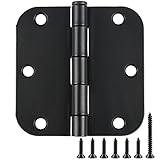
The rollers on the side sections, the ones that lift the door vertically, are attached to hinges that connect the door panels together. So, in a roundabout way, there are hinges involved, but the wheels aren’t in the hinges themselves. The hinges are just part of the door’s structure, and the rollers are mounted to the edges of these panels, fitting into the tracks. The rollers on the top and bottom sections usually have adjustable stems that allow you to fine-tune how the door sits in the tracks. This is important for a smooth operation and to prevent binding.
The whole setup is designed to guide the door smoothly through its arc. As the door opens, the bottom rollers transition from the vertical track to the horizontal track, and the rollers on all sections stay engaged with their respective tracks. It’s a continuous motion, a dance between gravity, tension springs, and these little guided wheels. I learned this the hard way when one of my rollers snapped clean off. The door didn’t just stop; it tilted precariously, and I had to manually hold it, terrified it would crash down. Never again.
The Importance of the Tracks and Springs
It’s not just the wheels, though. The tracks they run in are just as important, maybe even more so. These are typically made of sturdy galvanized steel, formed into a vertical section and then a curved section that transitions to the horizontal. They need to be perfectly aligned and securely fastened to the garage walls and ceiling. If a track is bent, loose, or out of alignment, the rollers will bind, skip, or even derail. I’ve seen doors that wouldn’t close properly because a squirrel had managed to chew up the rubber seal at the bottom, causing it to snag on a slightly misaligned track. Funny, until you’re the one stuck outside.
Then you have the springs. Oh, the springs. These are the unsung heroes, or sometimes the terrifying villains, of your garage door system. There are two main types: torsion springs (mounted above the door on a shaft) and extension springs (running along the horizontal tracks). These springs counteract the immense weight of the door. Without them, the opener motor would have to lift the entire weight of the door, which it’s not designed to do. This would quickly burn out the motor and likely cause other components to fail.
I once tried to adjust my torsion springs myself. Big mistake. They are under incredible tension, and if you mess with them the wrong way, you can seriously injure yourself or cause significant damage. I ended up calling a professional after I nearly took my own eye out with a slipping wrench.
He explained that the springs are what make the door feel almost weightless when you operate it manually. They store and release energy, allowing the door to open and close smoothly with minimal effort from the opener.
When springs weaken or break, the door becomes unbalanced. It might sag, feel heavy, or refuse to stay open or closed. (See Also: A Box Without Hinges Key )
This imbalance puts enormous strain on the rollers and the opener mechanism.
The relationship between the rollers, tracks, and springs is delicate. Think of it like a train on its tracks, but with a massive counterweight system. If any part of that system is off – a bent track, a worn roller, a broken spring – the whole operation suffers. Regularly inspecting these components is not just good practice; it’s preventative maintenance that can save you a lot of hassle and money down the line. I try to give my door a once-over every few months, just a quick visual check for anything obviously wrong.
Common Mistakes and What to Look For
The biggest mistake people make is ignoring small problems. That little squeak? That slight hesitation when the door starts to move? Those aren’t just quirks; they’re usually signs of wear and tear that, if left unaddressed, can lead to bigger, more expensive failures. I’ve learned this the hard way more times than I care to admit. I used to think, ‘if it’s not completely broken, it’s fine.’ That philosophy cost me a $400 repair bill once when a roller that had been wobbling for months finally sheared off, taking a chunk of the track with it.
When you’re inspecting your garage door, pay close attention to the rollers. Look for cracks, flat spots, or any signs of excessive wear. Check if they’re spinning freely or if they seem to be binding in the tracks. A roller that doesn’t spin easily is a prime candidate for replacement. Also, check the condition of the tracks. Are they bent, dented, or loose? If they’re loose, tighten the mounting bolts. If they’re bent, you might be able to carefully bend them back into shape with a rubber mallet and some patience, but severe bends often require track replacement.
Another common oversight is lubrication. Yes, these parts need a little love. While you don’t want to overdo it (too much lubricant can attract dirt and grime, making things worse), a light application of a silicone-based spray lubricant on the rollers and tracks can make a world of difference. Avoid using WD-40 for regular lubrication; it’s more of a solvent and can actually dry out components over time. I use a specific garage door lubricant spray that lasts a good while. A can cost me about $15 and it’s made my door run smoother than it has in years.
People also often forget about the opener itself. The opener is designed to work with a balanced door. If your springs are failing or your door is heavy due to worn rollers, the opener motor has to work overtime. This leads to premature wear on the motor, gears, and other electronic components. So, addressing issues with the door’s physical components indirectly helps the opener last longer.
Here’s a quick rundown of what to check visually:
| Component | What to Look For | Verdict (Opinion) |
|---|---|---|
| Rollers | Cracks, flat spots, worn edges, stiffness when spun. | Replace nylon if cracked; steel if deeply pitted. Spin them! |
| Tracks | Bends, dents, loose mounting bolts, debris buildup. | Tighten bolts regularly. Gentle taps for minor bends. |
| Springs | Visible breaks, rust, sagging appearance (for torsion springs). | DO NOT TOUCH. Call a pro immediately if you see damage. |
| Cables | Fraying, kinks, or looseness. | Frayed cables are a major safety hazard. Get them replaced. |
Ignoring these little things is like ignoring a check engine light in your car. It might seem fine now, but you’re just setting yourself up for a bigger problem down the road.
When the Wheels (rollers) Come Off: Repair vs. Replacement
So, you’ve done your inspection, and you’ve found a problem. Maybe a roller is indeed shot, or perhaps a track is significantly bent. The first question is always: can it be fixed, or do I need to replace the whole thing? For minor issues, repair is often the way to go. A single broken roller? You can usually replace that in under an hour, maybe two if it’s your first time and you’re fumbling with tools. The cost of a single roller is usually just a few bucks, maybe $5-$10 for a decent one. You can buy kits with multiple rollers for around $30-$50.
Replacing rollers is a pretty straightforward process. You’ll need a ladder, some basic tools like a wrench or socket set, and likely a pair of vise grips to secure the door. The general idea is to support the door so it doesn’t move, loosen the hinge or bracket holding the roller, remove the old roller, insert the new one, and re-tighten. It’s important to do this section by section, and if you have a torsion spring system, you need to be extra careful to make sure the door is properly secured before you start messing with the hinges.
However, if your tracks are severely bent or dented, trying to force the rollers through them is a losing battle. A bent track will cause constant binding, leading to premature wear on your new rollers and potentially damaging your opener. In these cases, replacing the entire track section (or both vertical and horizontal tracks if they’re damaged) is the smarter move. Track replacement is more involved and can be a bit more challenging, especially getting them perfectly aligned. This is often where I’d recommend calling in a professional, unless you’re comfortable with a bit of heavy-duty DIY. (See Also: Are Integrated Washing Machine Door Hinges Standard )
The same applies to springs. If you suspect a spring is broken or severely weakened, do not attempt to repair or adjust it yourself. Torsion springs are wound incredibly tight, and extension springs can snap under tension. Both can cause severe injury or death. For spring issues, always call a qualified garage door technician. The cost of a professional spring replacement can range from $200 to $400, depending on the type of spring and your location. While it feels expensive, it’s a small price to pay for safety.
Sometimes, the decision comes down to the age and overall condition of your garage door. If your door is old, the panels are starting to rust or rot, and you’ve had multiple roller or track issues, it might be more cost-effective in the long run to just replace the entire door. A new garage door can cost anywhere from $800 to $3,500 or more, depending on the material, style, and insulation. But a new door means new hardware, a fresh start, and potentially better energy efficiency.
DIY vs. Professional Help: When to Call the Cavalry
This is where it gets personal. I love tackling DIY projects. There’s a sense of accomplishment, and it usually saves money. I’ve fixed leaky faucets, replaced car alternators, and even tiled a bathroom floor. But garage doors? They’re a different beast. The sheer weight and the high-tension springs make them inherently dangerous if you don’t know what you’re doing.
For simple tasks like lubricating rollers and tracks, or replacing a single, easily accessible roller on a non-spring-loaded hinge, a DIY approach is usually fine. You’ll need a ladder, basic tools, and a bit of common sense. I’d say replacing a roller on the bottom section, where the spring tension isn’t directly acting on that specific hinge, is manageable for most handy folks. It took me about 30 minutes and cost me $8 for the part.
However, anything involving the springs – adjusting them, replacing them, or even messing with the cables attached to them – is firmly in the ‘call a professional’ category for me. I learned that lesson the hard, expensive, and terrifying way. The cost for a professional to service or replace springs is significant, often in the $200-$400 range, but the risk of serious injury or property damage from DIY spring work is astronomically higher. I’ve heard too many horror stories from friends and seen too many videos online of DIY spring repairs gone disastrously wrong.
Similarly, if your tracks are severely bent or if the door itself has become unbalanced to the point where it feels dangerously heavy or uncontrollable, it’s time to call in the pros. Repairing or replacing tracks requires precise alignment, which is important for the door’s safe operation. A misaligned track can cause the door to derail, which is a major safety hazard.
Here’s a general guide:
- DIY Friendly: Lubrication, cleaning tracks, replacing individual rollers on non-important hinges (like bottom sections where tension is less direct), replacing the weather stripping at the bottom of the door.
- Proceed with Caution (Consider a Pro): Replacing multiple rollers, tightening loose track brackets, minor track realignments (if you’re comfortable and careful).
- Call a Professional: ANY work on torsion or extension springs, cable replacement, significant track repair or replacement, opener motor repair/replacement, issues with a door that has become severely unbalanced or is derailing.
The initial investment in professional help might seem high, but it often saves you money in the long run by preventing further damage and, more importantly, avoiding personal injury. I’ve spent around $180 on professional repairs over the years for spring and track issues, and it was worth every penny compared to the potential medical bills or the cost of a new door caused by my own incompetence.
Real-World Use Cases and Maintenance Tips
Garage doors are used a lot. Think about it. You open it to leave in the morning, you close it when you get home, maybe you open it again to get something out of the garage, and then you close it for the night. That’s easily 4-6 cycles a day for many people. Over a year, that’s thousands of cycles. And each cycle involves those rollers moving along the tracks, the springs doing their work, and the opener motor engaging. So, wear and tear are inevitable.
My own garage door gets a workout. I run a small woodworking business out of my garage, so the door is up and down multiple times a day, often with lumber or finished pieces passing through. The constant use means I’ve had to be more diligent about maintenance. I’ve found that a good silicone spray lubricant applied every 3-4 months keeps the rollers and tracks running smoothly. I also make it a habit to visually inspect the rollers and tracks whenever I’m in the garage, just a quick glance to see if anything looks obviously out of place or damaged.
One practical tip I picked up is to listen to your garage door. Unusual noises are your best indicator of a problem. A squeaking or grinding sound often points to dry rollers or tracks. A loud bang or pop could mean a broken spring. A rattling sound might be a loose bolt or a roller that’s about to come out of its socket. Don’t ignore these sounds; investigate them. (See Also: Are Hinges Wheeels )
Another thing to consider is the environment. If you live in a dusty area, or near the coast with salt in the air, these elements can accelerate wear and tear on the metal components. Regular cleaning of the tracks to remove grit and grime can prevent them from acting like sandpaper on your rollers. I live in a fairly dry, dusty region, and I notice that if I don’t wipe down the tracks once or twice a year, the door starts to feel a bit sluggish.
For those with chain-driven openers, keep that chain lubricated too. A dry chain can whine and make noise, and it will wear out faster. Most manufacturers recommend a specific type of lubricant for the opener chain, so check your manual. For belt-driven openers, they’re generally maintenance-free in that regard.
Finally, always make sure your garage door is balanced. You can test this by disconnecting the opener (usually via a red pull cord) and manually lifting the door halfway. If it stays in place without trying to slam shut or shoot upwards, your springs are likely balanced. If it’s too heavy or too light, the springs need adjustment by a professional. This balance is key to the longevity of all components, especially the rollers and the opener motor.
Faq: Garage Door Wheels and Hinges
Do Garage Doors Have Wheels?
Yes, garage doors have rollers, which are basically specialized wheels. These rollers fit into tracks on the sides and top of the garage opening, allowing the door to move up and down smoothly. They are not typically mounted on hinges like the wheels on a regular door.
Are Garage Door Rollers the Same as Hinges?
No, they are different components. Hinges are pivot points that connect sections of the garage door together, allowing them to fold. Rollers are the wheels that travel within the tracks, helping the door’s movement. Rollers are often attached to hinges on the door panels, but they are distinct parts performing different functions.
How Often Should Garage Door Rollers Be Replaced?
The lifespan of garage door rollers varies greatly depending on the material (nylon vs. steel), the quality of the roller, and how frequently the door is used. Generally, good quality steel rollers can last 10-15 years, while nylon rollers might need replacement sooner, perhaps every 5-10 years, especially if they are lower quality. It’s best to inspect them annually for signs of wear, cracking, or damage, and replace them as needed rather than waiting for a set interval.
Can I Replace Garage Door Rollers Myself?
Yes, replacing individual garage door rollers is often a manageable DIY project for those with basic mechanical skills and the right tools. However, safety is most important. Always make sure the door is properly secured, and avoid working on springs or cables, which require professional expertise due to high tension and potential for serious injury. If you are unsure, it is always safer to call a professional technician.
Verdict
So, to circle back to that initial, panicked question: are their wheels in hinges? No, not in the way you’d think. Garage doors use rollers that travel in tracks, often attached to hinges that connect the door panels. It’s a system that needs to be respected, especially the high-tension springs. Ignoring those squeaks and wobbles is a shortcut to a much bigger, more expensive, and potentially dangerous problem.
The best advice I can give is to listen to your garage door and give it a regular once-over. Check the rollers, check the tracks, and if you hear anything unusual, don’t just shrug it off. A bit of proactive maintenance can save you a massive headache and a hefty repair bill down the line. It’s not rocket science, but it does require a bit of common sense and an understanding of what’s actually going on behind that big metal barrier.
My garage door is still chugging along, and I like to think a little bit of regular TLC has helped. Next time you hear yours groan, take a minute to investigate. You might just save yourself a lot of trouble.