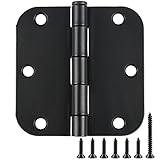
I remember pulling a dusty box out of an attic during a renovation. Inside, nestled amongst moth-eaten linens, were a dozen or so ornate brass hinges. My first thought was, ‘Score! These look valuable.’ Fast forward a few weeks, and I was staring at a pile of them, realizing I’d vastly overestimated their worth. So, are old brass hinges worth anything? The short answer is: sometimes, but don’t quit your day job based on a box of them.
It’s easy to get starry-eyed about antique hardware. The patina, the craftsmanship – it screams ‘potential profit!’ But the market for salvaged architectural elements is a tricky beast, and not every piece of old metal is gold.
This isn’t about chasing a quick buck; it’s about understanding what gives these old hinges their actual value, and why most of them are destined for a second life on a different door, not a collector’s shelf.
What Makes an Old Brass Hinge Actually Desirable?
Let’s cut to the chase: not all old brass hinges are created equal, and frankly, most of them aren’t going to fetch you a fortune. The common advice you’ll find online often glosses over the reality. People say ‘old brass is valuable,’ and sure, in principle, it can be. But we’re talking about hinges here, not solid gold bars. The value is tied to a few key factors, and if your hinges are missing most of them, you’re probably looking at a few bucks each, if you’re lucky.
First off, the material matters. Solid brass is the gold standard, pun intended. Many older hinges are indeed solid brass, but some might be brass-plated iron or steel. You can usually tell by weight – solid brass is heftier. Also, tap it gently; iron will sound duller than brass. If you scratch a hidden spot (like the back or the edge where it attaches to the door), solid brass will show a yellowish-gold color underneath. Plated items will show a different metal color, usually gray or red.
Then there’s the design and craftsmanship. Are we talking about simple, utilitarian hinges, or something with intricate detailing, hand-chasing, or a unique, decorative pattern? A hinge that looks like it belongs on a medieval castle door is going to be far more sought after than one that looks like it came off a garden shed in 1975. Think floral motifs, geometric patterns, or even animalistic designs. The older, the more elaborate, the better – generally speaking.
The condition is also huge. Are they heavily corroded, bent, or missing pins? A hinge that’s mostly intact, with a nice, even patina (that’s the aged look, not just dirt), is worth more than one that’s been abused or neglected. Original screws, especially if they have period-appropriate heads, can add a little extra desirability, but they’re rarely the main driver of value. I once found a set of hinges where the original screws were still in place, with their slotted heads looking pristine. It was a small detail, but it made them feel more complete, like a little package of history.
The provenance, or history, can also play a role, though this is harder to prove. If a hinge came from a historically significant building or a famous architect’s project, that adds a layer of value. But unless you have documentation, this is tough to use. Most people finding hinges in their attic aren’t going to have that kind of backstory.
What to Look for: The Real Money-Makers
When I’m sifting through old hardware, I have a mental checklist. It’s not just about spotting ‘old’ and ‘brass.’ It’s about spotting the things that actual collectors and restorers are hunting for. If you’re hoping to make some decent cash from your haul, you need to be discerning. Forget the generic bins at antique stores; those are usually priced for impulse buys, not serious investment.
The most valuable hinges are typically those that are: 1) Made of solid, heavy brass. 2) Feature intricate, hand-worked decorative elements. 3) Are from a known, desirable period (Victorian, Art Nouveau, Arts and Crafts, etc.). 4) Are in excellent condition, with no significant damage or missing parts. 5) Come as a complete set, with matching screws and original pins, if applicable.
Let’s talk about styles. Hinges from the Victorian era (mid-19th to early 20th century) often have a lot of ornamentation – scrolls, acanthus leaves, floral patterns. These can be quite sought after for period home restorations. Arts and Crafts hinges, from the early 20th century, tend to be more geometric and rectilinear, often with a darker, more matte finish. They have a very specific aesthetic appeal. (See Also: A Box Without Hinges Key )
The size also matters. Oversized, heavy-duty hinges made for grand entrances or very large doors can command a premium because they’re less common. Conversely, tiny, delicate hinges meant for jewelry boxes or small cabinets are in a different market altogether and usually fetch less, though a truly unique, antique piece could still be worth a bit.
I made a mistake early on. I saw a bunch of perfectly good, solid brass hinges, but they were plain Jane. I thought, ‘Brass is brass, right?’ Wrong. I paid more than I should have for them at a flea market, thinking I’d flip them easily. They sat in my garage for two years before I sold them to a guy doing a very basic shed renovation for about what I paid. Lesson learned: decorative flair and historical period are key differentiators.
Here’s a quick table of what I generally consider for value:
| Feature | High Value Potential | Low Value Potential | My Verdict |
|---|---|---|---|
| Material | Solid, heavy brass | Brass-plated, aluminum, steel | Solid brass is a must for real value. |
| Decoration | Intricate, hand-chased, unique patterns | Simple, plain, mass-produced designs | Ornamentation is the primary driver of desirability. |
| Condition | Excellent, no damage, original pin | Bent, corroded, missing parts, replaced pin | Wear and tear significantly devalues. |
| Period/Style | Victorian, Arts & Crafts, Art Nouveau | Mid-20th century utilitarian styles | Historical periods dictate demand. |
| Completeness | Full set with original screws | Loose hinges, missing screws | Completeness adds to the appeal and ease of use. |
Common Mistakes and Why You Might Not Get Rich Quick
Okay, let’s talk about the pitfalls. This is where most people get it wrong, and why that box of hinges in your garage might be gathering dust instead of dollar bills. The biggest mistake is assuming that ‘old’ automatically equals ‘valuable.’ It’s like saying ‘old car’ equals ‘classic.’ A 1985 Ford Pinto is old, but it’s not exactly a collector’s item.
Another massive error is overlooking condition. People see the brass and think, ‘I can clean this up!’ Sure, you can clean most brass. But if a hinge is deeply pitted, warped, or the knuckles (the moving parts) are worn out, no amount of polishing will fix the fundamental damage. Polishing can also remove that desirable, deep patina, leaving you with a shiny, but less authentic, looking hinge. Many collectors prefer a well-preserved patina over a blindingly bright polish. I learned this the hard way when I aggressively polished a set of antique hinges, only to realize I’d stripped away their character and lowered their perceived value. They looked new, but not old new, if that makes sense.
Then there’s the issue of plating. As I mentioned, brass plating over iron or steel is common. These are often lighter, and if the plating is chipped or worn, they look terrible. They’re also much less durable and don’t have the same aesthetic appeal. Trying to pass off plated hinges as solid brass is a surefire way to get a bad reputation and very few sales.
Overestimating demand is another killer. While there’s a market for antique architectural salvage, it’s not as broad as you might think. Most modern homes don’t have doors that are the right size or style for antique hinges. The market is primarily driven by people restoring historic homes, or very specific design projects. If your hinges are too common, too plain, or too damaged, they’ll likely sit around for a long time.
Here’s a contrarian take: Everyone talks about how you must restore them to their original shine. I disagree. Often, the deep, dark patina is what makes old brass hinges desirable. Aggressive polishing can actually decrease their value by making them look like cheap reproductions. Unless a hinge is absolutely caked in grime and looks hideous, I’d leave the patina alone. A gentle cleaning with mild soap and water, or a specialized brass cleaner used sparingly, is usually enough. Trying to make them look brand new often backfires.
Finally, don’t forget the cost of selling. If you’re selling online, you’ll have fees, shipping costs (which can be substantial for heavy metal hardware), and the time it takes to photograph, list, and pack. If you sell locally, you might have to accept a lower price. These costs eat into your profit margin significantly.
Where Do Old Brass Hinges Actually End Up?
So, if they’re not all becoming museum pieces or fetching hundreds of dollars a pop, where do these old brass hinges go? It’s a mixed bag, really. The most common fate for desirable, well-preserved antique hinges is finding a new home on a restored historic property. Think Victorian homes, old farmhouses, or even grander buildings undergoing sensitive renovations. Architects and restoration specialists actively seek out these pieces to maintain historical accuracy. (See Also: Are Integrated Washing Machine Door Hinges Standard )
A significant portion also ends up in architectural salvage yards. These businesses specialize in reclaiming building materials from old structures. They’ll buy large quantities of hardware, windows, doors, flooring, and more. From there, they sell to a variety of customers: homeowners undertaking restorations, set designers for movies and TV shows, artists looking for unique materials, and even DIY enthusiasts wanting to add a touch of vintage charm to a project.
Then there are the online marketplaces – eBay, Etsy, specialized antique hardware sites. This is where many individual sellers offload their finds. Buyers here are often individuals with specific projects in mind, looking for that perfect match for an existing piece of furniture or a particular door. The prices can vary wildly, from a few dollars for common items to much higher sums for rare or exceptionally beautiful pieces.
Some hinges, particularly the less ornate or slightly damaged ones, might get repurposed. An artist might use them in a sculpture. A woodworker might incorporate them into a unique piece of furniture design. They might even be melted down and recast, though this is less common for items with visible decorative elements that still hold some value.
I personally sold a set of really heavy, ornate Victorian hinges I found to a local theatre company. They were using them for the set of a period drama. They paid me a decent amount, and I saw them on stage for a few weeks. It was a cool way for them to find a second life, even if it wasn’t a permanent home restoration.
The key takeaway is that the market exists, but it’s niche. You’re not going to sell a box of plain brass hinges at a garage sale to just anyone. You need to find the people who want those specific hinges for a specific reason. That’s why understanding what makes them desirable is so important.
Practical Tips for Selling (or Using) Your Hinges
If you’ve found yourself with a stash of old brass hinges and are wondering what to do, here are some practical steps. First, do your homework. Try to identify the style and approximate age. Look for maker’s marks – sometimes they’re stamped on the back or side. If you can’t find any, that’s okay, but it can help with identification.
Clean them up, but gently. As I said, avoid aggressive polishing unless absolutely necessary. Use a soft brush, mild soap and water, and maybe a specialized brass cleaner on a cloth. Get rid of loose dirt and grime. Dry them thoroughly. If there’s any rust on the pin, you might need to carefully work some penetrating oil into it. A bit of WD-40 can sometimes free up a stiff pin, but be sure to wipe away any excess.
Take good photos. This is vital if you’re selling online. Use natural light. Show the hinges from multiple angles, including close-ups of any decorative details and the back where imperfections might be. If they’re a set, photograph them together. Highlight any unique features.
Price them realistically. Look at what similar hinges are selling for on eBay, Etsy, and architectural salvage sites. Be honest about the condition. Don’t list plain, damaged hinges for the same price as pristine, ornate ones. Factor in your selling costs (platform fees, shipping materials, postage). If you’re selling locally, aim for a fair price that makes it worth your while but is still attractive to a buyer.
Consider a bundle. If you have a large quantity of similar hinges, selling them as a lot can be easier than selling them individually. Buyers who need many hinges for a large project might be happy to get them all at once. (See Also: Are Hinges Wheeels )
Alternatively, think about using them. If they’re not worth enough to sell profitably, but they’re still attractive, why not use them in your own projects? I’ve used old hinges on custom-built shelves, antique-style chests, and even decorative boxes. They add character that new hardware just can’t replicate.
One final tip: if you’re unsure about a hinge’s value, try listing one or two as an auction item online. See what the market dictates. If they sell for a good price, you know you’ve got something. If they don’t get any bids, it’s a pretty clear sign they’re not in high demand.
The Faq: Your Burning Questions About Old Brass Hinges
Are Old Brass Hinges Always Made of Solid Brass?
No, not always. While many antique hinges are made from solid brass, some were brass-plated over iron or steel. Solid brass is heavier and will show a yellow-gold color when scratched, whereas plated items will reveal a different metal underneath. It’s important to differentiate between solid and plated when assessing value.
How Do I Clean Old Brass Hinges Without Damaging Them?
Start with mild soap and water and a soft brush to remove loose dirt. For tougher grime, use a specialized brass cleaner applied sparingly with a soft cloth. Avoid aggressive polishing or abrasive materials, as these can remove the desirable patina and even damage the underlying metal. Always dry them thoroughly after cleaning.
What Kind of Patina Is Desirable on Old Brass Hinges?
A deep, even, dark brown or greenish patina is generally considered desirable. This natural aging process indicates authenticity and character. Highly polished, bright brass is often less sought after by collectors and restorers, as it can make the hinges look like modern reproductions. Preserve the patina whenever possible.
Where Can I Sell Old Brass Hinges?
You can try online marketplaces like eBay and Etsy, which have a broad reach. Architectural salvage yards are another option, especially if you have a large quantity or particularly unique pieces. Local antique dealers or flea markets might also be interested, though prices may be lower. Consider specialized antique hardware websites for potentially higher returns.
Can I Use Old Brass Hinges on New Doors?
Yes, you can. However, make sure the hinges are the correct size and weight-bearing capacity for the new door. You may need to adjust the mortises (the cutouts in the door and frame) to accommodate them. Make sure they are in good working order and clean to avoid transferring dirt or causing friction on the new door. This is a great way to add vintage charm to a new build or renovation.
Final Thoughts
So, to bring it all back: are old brass hinges worth anything? Yes, they can be, but the value is highly dependent on their material, design, condition, and historical period. Don’t expect to retire on a box of them unless you’ve stumbled upon something truly exceptional. Most often, they’re worth a modest amount to a niche market of enthusiasts and restorers.
The biggest takeaway is to be realistic. Overestimating their worth leads to disappointment and wasted time. Focus on the quality and uniqueness of the hinges themselves, rather than just their age. A truly stunning, well-preserved set from a desirable era can fetch a good price, but plain, damaged hinges are likely to remain just old hardware.
If you’ve got a collection, consider cleaning them gently, photographing them well, and pricing them fairly. Or, better yet, find a project where they can shine in their second act. They’ve got stories to tell, and a new door is often the best stage for them.