I remember wrestling with a ridiculously heavy shed door years ago. It felt like I was trying to move a small car. The hinges were stiff, sticky, and just generally a pain in the backside. My buddy, who’s a bit of a whiz with this stuff, came over and, after a bit of grumbling, he just sprayed something on the hinges and the door swung open like it was buttered. It got me thinking, though. What actually makes a hinge work smoothly? Specifically, are there wheels in hinges?
It’s a question that pops into people’s heads, especially when you’re dealing with something that needs to move freely, like a gate or a heavy door. The simple answer to ‘are there wheels in hinges’ is usually no, not in the way you might imagine a car wheel. But the principle of rolling or reducing friction is definitely at play in some specialized designs.
The Basic Truth: No Wheels, Just Friction
Look at pretty much any hinge on your average house door, cabinet, or even a simple toolbox. What you’re seeing is metal on metal, or sometimes metal on plastic. The way these work is by reducing friction as much as possible between two surfaces that are rubbing against each other.
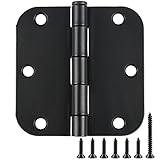
Think of a standard door hinge. It’s usually made of two ‘knuckles’ on each leaf, with a pin going through the center. As the door opens and closes, those knuckles pivot around the pin.
The key is that the surfaces are smooth, and often, there’s a lubricant there – grease, oil, or even graphite powder. That lubricant is what makes the difference between a smooth swing and a god-awful screeching sound that makes your teeth ache.
I’ve spent more time than I care to admit greasing hinges. It’s one of those jobs that seems small but makes a huge difference in how your house feels and functions. A squeaky door isn’t just annoying; it’s a constant reminder of something needing attention. When I first started tinkering with cars, I learned that proper lubrication is the absolute bedrock of keeping things moving.
It’s the same principle here, just on a much smaller scale. You’re not looking for complex moving parts within the hinge itself, but rather an environment that allows the existing parts to slide past each other with minimal resistance. The common advice to just spray WD-40 everywhere?
Honestly, it’s a temporary fix. It displaces moisture and offers some lubrication, sure, but it evaporates. For a long-term solution, you want something thicker, like a lithium grease, or even specialized hinge lubricants.
I learned this the hard way after a door started squeaking again a week after a quick spray.
The materials also play a role. Steel on steel is common, and it’s durable, but it needs good lubrication. Brass is softer and can be smoother, but it’s more expensive. Stainless steel resists rust, which is a big deal in damp environments. But regardless of the metal, the design is simple: two flat surfaces or curved surfaces designed to pivot smoothly around a central pin. No wheels involved in the standard setup. (See Also: A Box Without Hinges Key )
When the Simple Answer Isn’t Enough: Specialized Hinges
Okay, so most hinges don’t have wheels. But are there any hinges that do? Yes, but they’re not your typical door hinges. Think about heavy-duty applications where you need incredibly smooth, precise movement, often under extreme loads. This is where you start seeing things that resemble wheels, or at least incorporate rolling elements. These are often called roller bearings or ball bearings integrated into the hinge mechanism.
These aren’t your garden-variety door hinges. You’ll find them in industrial machinery, specialized gates, or even some high-end furniture where a super smooth, almost effortless operation is required. Imagine a massive, heavy industrial gate that needs to be opened and closed regularly without straining the motor or the structure. Instead of relying purely on a greased pivot, these hinges might have a series of ball bearings nestled between rotating collars. As the hinge moves, these bearings roll, drastically reducing the friction compared to metal sliding directly on metal. It’s like the difference between dragging a heavy box across a floor and putting it on a dolly with wheels.
I saw this firsthand on a custom-built ramp system for loading heavy equipment. The main pivot points weren’t just pins; they had integrated bearing races with steel balls. The movement was astonishingly smooth, even with thousands of pounds on it. It felt less like a hinge and more like a precision bearing assembly. So, while the term ‘wheel’ might be a stretch, the principle of rolling elements reducing friction is definitely present in these advanced designs. It’s a bit like asking if there are gears in a very simple lever system – technically no, but the underlying mechanics of mechanical advantage are there. For most household needs, though, this level of complexity is overkill and unnecessary.
Common Mistakes and What to Actually Look For
The biggest mistake people make when dealing with hinges is thinking they are all the same and that a quick spray of generic lubricant is a permanent fix. I’ve seen people try to fix squeaky hinges with cooking oil, which just attracts dirt and makes things worse in the long run. Or they’ll ignore a stiff hinge until it’s practically seized up, at which point the door might be sagging, or the frame could be damaged. That’s a much more expensive repair than a bit of grease.
When you’re actually looking to buy hinges, whether for a new project or to replace old ones, consider the load they’ll bear. A standard interior door hinge is designed for relatively light use. A cabinet hinge needs to handle the weight of the doors and contents. An exterior gate hinge, especially one for a heavy wooden or metal gate, needs to be beefier. Pay attention to the material – galvanized steel for outdoor use to prevent rust, stainless steel for coastal areas or anywhere moisture is a constant issue. The finish also matters; some have a protective coating that adds to their longevity.
Don’t just grab the cheapest option. I once bought some really cheap hinges for a garden gate, and within a year, they were so rusty they were practically disintegrating. It looked like a brown, flaky mess. Replacing them was more hassle than it was worth.
For a gate, especially, I’d look for something with a substantial pin and well-formed knuckles. If the knuckles look thin or poorly machined, that’s a red flag. And if you’re dealing with a very heavy or frequently used door or gate, consider hinges specifically designed for that load, even if they cost a bit more. The extra expense upfront can save you a lot of headaches and replacement costs down the line.
It’s like buying good quality tools; they cost more, but they last and make the job easier.
| Hinge Type | Typical Use | Pros | Cons | My Verdict |
|---|---|---|---|---|
| Standard Butt Hinge | Interior doors, cabinets | Inexpensive, widely available, easy to install | Can squeak if not lubricated, not for heavy loads | Good for everyday doors, but keep the lube handy. |
| Ball Bearing Hinge | Heavy exterior doors, industrial gates | Extremely smooth operation, handles heavy loads well | More expensive, can be bulkier | Worth it for the buttery smooth action on big stuff. |
| Continuous Hinge (Piano Hinge) | Toolboxes, long cabinet doors, pianos | Distributes load evenly, provides continuous support | Can be difficult to cut to size, less aesthetic for some applications | Excellent for long, narrow openings where strength is needed. |
| Offset Hinge | Doors with restricted frames, wheelchairs accessibility | Allows door to swing clear of frame, increases clear opening width | More complex installation, can look a bit odd | Specific problem solver; don’t use unless you need it. |
Real-World Applications: Beyond the Front Door
While we’ve talked a lot about doors, the concept of a hinge is far broader. Think about your car itself. (See Also: Are Integrated Washing Machine Door Hinges Standard )
The hood and trunk open via hinges. They’re designed to be solid and often concealed. They need to withstand vibration, weather, and the weight of the panels they support.
While they’re generally solid and don’t require much thought, they are still basically pin-and-knuckle mechanisms, relying on smooth surfaces and, yes, lubrication. I had a car where the hood hinge on one side started binding. It made the hood sit unevenly and was a nightmare to close properly. A good dose of spray grease and working it back and forth fixed it, but it was a good reminder that even car parts need basic maintenance.
Then there are marine applications. Boat hatches, locker doors – these are constantly exposed to saltwater, which is incredibly corrosive. Hinges in this environment need to be made of corrosion-resistant materials like stainless steel or specialized plastics. They also need to operate smoothly despite being constantly splashed and potentially covered in salt crystals. Here, the focus is on material choice and solid design rather than integrated rolling elements, though some high-end marine hardware might incorporate sealed bearings for extreme cases. The principle remains the same: reduce friction and resist the elements.
Even simple things like the lid on a toolbox or the hinges on a pair of eyeglasses are variations on the hinge theme. Eyeglass hinges are often tiny, intricate mechanisms, sometimes with small screws that can easily get lost. The precision required there is immense. They often use very fine materials and incredibly smooth pivots. So, the question ‘are there wheels in hinges’ can lead us down a rabbit hole of engineering solutions, from the basic friction-reducing pin to complex bearing systems, all designed to allow controlled movement. It’s a testament to how a simple mechanical concept can be adapted for a million different purposes, each with its own unique demands.
Practical Tips for Smoother Operation
So, what can you actually do to make your hinges work better, assuming they don’t have actual wheels? First off, identify the problem.
Is it squeaking? Is it stiff? Is the door sagging? For squeaking, the immediate fix is lubrication.
Forget the quick sprays if you want it to last. Get yourself a tube of white lithium grease or a silicone-based lubricant.
You might need to remove the hinge pin – often, you can tap it up from the bottom with a nail and hammer. Once it’s out, clean off any old gunk with a rag. Then, apply a generous amount of grease to the pin and inside the hinge knuckles. Reinsert the pin and work the door back and forth a dozen times to distribute the lubricant.
Wipe off any excess. (See Also: Are Hinges Wheeels )
If a hinge is stiff, it might be due to rust or accumulated grime. Cleaning is key.
Sometimes, after greasing, you still have stiffness. This could mean the hinge itself is bent or damaged.
Gently try to straighten a bent hinge leaf with a hammer and a block of wood, but be careful not to overdo it. If it’s really bad, replacement is probably your best bet. For sagging doors, it’s often a sign of worn hinges or loose screws.
Check if the screws holding the hinge to the door and the frame are tight. If they’re stripped, you might need to use longer screws or fill the holes with wood dowels and glue before re-screwing. Sometimes, just tightening the screws is enough to lift the door back into place. I’ve had to do this on old cabinets more times than I can count; it’s amazing how much a door can sag from just a couple of loose screws.
Finally, preventative maintenance is your friend. Every year or so, especially on exterior doors or gates, give your hinges a quick clean and a fresh shot of lubricant. It takes minutes and can prevent hours of frustration later. Don’t wait until it’s a problem. A little effort now saves a lot of hassle later. Think of it like checking your tire pressure; it’s simple, quick, and keeps everything running smoothly.
Do All Hinges Have Pins?
Most common hinges, like butt hinges and ball-bearing hinges, use a pin to connect the two halves and allow them to pivot. Some very specialized or integrated hinge designs might not use a traditional pin, but the core function of allowing controlled rotation between two surfaces remains.
Can You Add Wheels to Regular Hinges?
No, you cannot simply add wheels to standard hinges. Hinges designed with rolling elements, like ball-bearing hinges, have these components integrated into their manufacturing. Trying to jury-rig wheels onto a regular hinge would likely not work and could damage the hinge or the door.
What’s the Best Lubricant for Hinges?
For most household hinges, white lithium grease or a silicone-based spray lubricant is best for long-term performance. WD-40 is a good short-term fix for moisture and light squeaks, but it evaporates quickly and can attract dust, making it less ideal for lasting lubrication.
When Should I Replace My Hinges Instead of Lubricating Them?
You should replace hinges if they are heavily rusted, bent, cracked, or if the pivot point feels excessively loose even after tightening screws and lubricating. If a door is sagging significantly and tightening screws doesn’t help, worn-out hinges are a common culprit.
Verdict
So, to finally settle the question: are there wheels in hinges? For the vast majority of hinges you encounter every day – on your house doors, cabinets, and simple furniture – the answer is a solid no. They rely on smooth surfaces, a central pin, and good lubrication to do their job. However, in more specialized, heavy-duty applications, you’ll find designs that incorporate ball bearings or roller elements, which function similarly to wheels by reducing friction to an absolute minimum. It’s all about making things move smoothly without excessive effort.
Don’t get caught up in the idea that you need some exotic, wheel-equipped hinge for your everyday needs. A well-maintained, properly lubricated standard hinge is incredibly effective. The real takeaway is understanding the mechanics and giving your existing hardware the care it needs. Next time a door squeaks, don’t just grab the nearest can of spray; take a moment to do it right, and enjoy the quiet satisfaction of a job well done. Keeping things moving smoothly, whether it’s a door or a vehicle, often comes down to the simple fundamentals.