Look, I’ve been there. Staring at a freshly installed laminate floor, wanting to cordon off a section for painting or protect it from some messy project, and the first thing that pops into your head is probably: can you put masking tape on laminate flooring? It seems like the obvious choice, right? It’s cheap, readily available, and designed to come off easily. I remember the first time I used it, convinced it was a foolproof way to keep some spilled paint off my entryway. Spoiler alert: it wasn’t.
That shiny, new laminate looked great… until it didn’t. The tape, which I thought was being so clever, had other ideas. So, let’s cut through the fluff. If you’re wondering whether this DIY staple is actually safe for your floors, you’ve come to the right place. I’m going to give you the straight dope, based on more than a few sticky, frustrating experiences.
Why Masking Tape on Laminate Is a Gamble
Let’s just get this out of the way: yes, you can put masking tape on laminate flooring, but should you? My gut reaction, after years of wrestling with this stuff, is a resounding ‘maybe, but tread very, very carefully.’ Masking tape is basically paper with a pressure-sensitive adhesive. The idea is that the adhesive is weak enough to peel off without damaging the surface it’s stuck to. For things like painted drywall, it’s usually fine. But laminate flooring? That’s a whole different beast.
Laminate flooring, especially the newer, higher-quality stuff, has a wear layer that’s pretty tough. However, it’s still a manufactured surface, often with a printed design topped with a protective coating.
This coating can be sensitive to certain adhesives, especially if the tape is left on for a long time, exposed to heat, or subjected to direct sunlight. The adhesive in masking tape, while generally considered ‘low tack,’ can still degrade or leave a sticky residue that’s a nightmare to remove. I’ve had instances where a simple painter’s tape, left on for just a weekend while I tackled a small interior painting job, ended up leaving faint outlines and a sticky film that required Goo Gone and a lot of elbow grease to get rid of.
It wasn’t damage, per se, but it looked terrible and I was worried I’d actually scratched the surface trying to scrub off the goo.
The problem isn’t just the residue. Some masking tapes use a solvent-based adhesive, and while it’s usually in small amounts, over time or with heat, these solvents can potentially affect the finish of the laminate. Think of it like leaving a rubber band on a car dashboard for weeks in the sun – it can leave a permanent mark. While less extreme, the same principle can apply. The common advice you’ll find online often simplifies this, saying ‘just use painter’s tape.’ But ‘painter’s tape’ is a broad category. There’s low-tack, medium-tack, and even some heavy-duty versions. What works for one brand or type of laminate might be a disaster for another.
I’ve also seen people use standard brown packing tape or duct tape for ‘temporary’ protection. Honestly, if you’re considering that, just stop. Those adhesives are aggressive and designed to stick. You’re practically begging for trouble. Masking tape is the lesser of the evils, but it’s still an evil, just a slightly less potent one. So, while the short answer to ‘can you put masking tape on laminate flooring’ is technically yes, the practical answer is that it’s a risky move you should only consider with extreme caution and for very short durations.
When ‘temporary’ Protection Goes Wrong: My Epic Tape Fail
So, the story goes like this: I was redoing my kitchen cabinets, a messy affair involving sanding and a lot of sawdust. I decided to tape off the floor around the island to contain the mess. Naturally, I grabbed a roll of standard blue painter’s tape – the kind everyone raves about for clean removal. I carefully applied it along the edges of the laminate flooring, feeling pretty smug about my foresight.
The plan was to leave it for about three days, just long enough to get the cabinet fronts done. I figured, hey, it’s painter’s tape, it’s designed for this. What could go wrong? Oh, boy. On day four, I went to peel it up. Most of it came off okay, but in a few spots, the adhesive had basically bonded with the laminate’s finish. It wasn’t a clean peel; it was a ‘stretch and tear’ situation, leaving behind thin, sticky strings of adhesive that were absolutely infuriating to remove. I tried scraping, I tried a damp cloth, nothing worked well.
Then, the real kicker. In one area where the tape had been exposed to a bit more sunlight coming through the window, the adhesive had not only left residue but had also slightly discolored the laminate. It wasn’t a deep stain, but a faint, dull patch where the tape had been. It looked like the shine had been zapped out of the floor in that strip. I spent the better part of an hour with mineral spirits and a microfiber cloth, gingerly trying to lift the residue without further damaging the floor. It eventually came off, but the experience left me with a profound distrust for using tape directly on laminate unless absolutely necessary and for the shortest time possible. (See Also: Does Painters Tape Rip Paint Off Walls )
This wasn’t a cheap floor, either. We’re talking about a decent laminate that cost me a fair chunk of change. That little tape incident cost me hours of frustration and a good dose of panic. It taught me that ‘low tack’ is relative, and laminate floors, especially those with a glossier finish, are more sensitive than you might think. The common advice often overlooks the variability in both tape adhesive formulations and laminate floor finishes. It’s a gamble, and in my case, the gamble didn’t pay off. From then on, I started looking for better ways to protect my floors.
What to Look for (and Avoid) in Tapes for Laminate
Alright, so if you absolutely must use tape on your laminate floor, what should you be looking for? The goal is to minimize risk. First off, forget any tape that isn’t specifically labeled for delicate surfaces or painted surfaces. This means no duct tape, no packing tape, and definitely no heavy-duty construction tape. Those are designed to stick hard and stay stuck. You’re asking for a sticky mess and potentially damaged flooring.
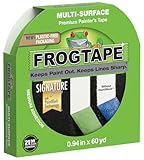
Your best bet, if you have to use tape directly on the laminate, is a high-quality, low-tack painter’s tape. Brands like 3M Scotch Blue or FrogTape have versions designed for delicate surfaces. Look for phrases like ‘delicate surface,’ ‘interior walls,’ or ‘freshly painted surfaces.’ These tapes generally use a less aggressive adhesive that’s formulated to remove cleanly from most painted surfaces for up to 14 days. The key here is ‘generally’ and ‘most.’ Laminate is not painted drywall, and its finish can react differently.
When I say ‘high-quality,’ I mean don’t skimp. The dollar-store masking tape might seem like a bargain, but its adhesive can be unpredictable. Invest in a reputable brand. Read the packaging carefully. Some tapes will explicitly state what surfaces they are safe for. If they don’t mention flooring, assume it’s not ideal. The color of the tape can sometimes be an indicator, but it’s not a guarantee. Blue tapes are generally lower tack than green or purple, but again, this varies by brand and product line.
What to absolutely avoid? Anything with a strong chemical smell.
That’s usually a sign of aggressive solvents in the adhesive. Also, avoid tapes that feel excessively sticky when you touch the adhesive side. Masking tape should feel slightly tacky, not like flypaper. If you’re unsure, test it.
Get a small piece of the tape and stick it to an inconspicuous corner of your laminate floor for a few hours (or even overnight if you can manage it). Then, peel it off slowly. See if it leaves any residue, discoloration, or if it feels like it’s pulling at the finish.
This is the safest way to gauge its potential impact. It might seem like overkill, but trust me, a few minutes of testing is way better than hours of trying to fix a sticky residue or a dulled patch.
Testing Tape on Your Laminate
- Choose a high-quality, low-tack painter’s tape.
- Find an inconspicuous area of your laminate floor (e.g., under a rug, in a closet).
- Cut a small piece of tape and apply it firmly.
- Leave it for at least a few hours, ideally overnight or even 24 hours if your project allows.
- Slowly and carefully peel the tape off at an angle.
- Inspect the area for any residue, discoloration, or damage to the finish.
The Better Alternative: Protecting Laminate Without Direct Tape
Okay, so we’ve established that taping directly onto laminate flooring is a risky business. What’s the alternative? In my experience, the best approach is to avoid direct contact altogether. Instead of taping the floor itself, focus on creating a protective barrier that doesn’t involve sticking anything to the actual surface of your laminate. This is where creativity and a little extra effort pay off big time.
My go-to method now for painting projects or any dusty/messy work is using heavy-duty plastic sheeting or drop cloths. You can get these at any hardware store. For painting, I’ll usually run a length of painter’s tape along the baseboard, not the floor. Then, I’ll lay down a wide plastic sheeting that extends several feet out from the wall, covering the entire work area. (See Also: Does Masking Tape Work The Same As Painters Tape )
The plastic sheet itself is held down by the weight of furniture or by being tucked under rugs, rather than taped directly to the floor. If I’m worried about the plastic shifting, I might use a few small pieces of tape to secure the edge of the plastic to the baseboard, making sure zero tape touches the laminate. This creates a completely sealed-off zone.
For areas where you need to create a more defined edge, like around a doorway or a large piece of furniture, you can use specialized floor protection materials. There are rubberized mats, thick felt protectors, and even temporary flooring solutions that are designed to lay directly on top of your existing floor. These are more expensive than a roll of tape, sure, but they offer far superior protection and peace of mind.
I recently used a roll of thick, reusable floor protection film for a workshop setup in my garage, and it was brilliant. It gripped the concrete well and provided a durable, easily cleanable surface.
While not directly for laminate, the principle of a dedicated protective layer is what you’re after.
Another simple trick for smaller areas or to protect against scuffs rather than spills is to use cardboard. Large flattened boxes can be laid down to cover vulnerable spots. While cardboard isn’t waterproof, it does a decent job of preventing scratches and absorbing light impacts. You can tape the edges of the cardboard together, or tape it to itself, but again, the tape stays on the cardboard, not the laminate.
Think about the area you need to protect. Is it a high-traffic zone that needs to withstand furniture being moved? Is it an area where spills are likely? The answer to these questions will guide you towards the best alternative. For general dust and light work, a good quality drop cloth laid carefully is usually sufficient. For heavier tasks or potential spills, invest in a dedicated floor protector. It’s a small investment that can save you a huge headache and potentially costly repairs. It’s about working smarter, not harder, and not risking your flooring for the sake of a shortcut.
Common Mistakes When Using Tape on Floors
Let’s talk about the pitfalls. Even with the ‘right’ tape, people still mess this up. The biggest mistake, by far, is leaving the tape on for too long. As I mentioned, even low-tack adhesives can degrade over time, especially if exposed to temperature fluctuations, humidity, or direct sunlight. That weekend project can easily turn into a week-long ordeal, and by then, the tape’s adhesive might have started to do its damage. The promise of clean removal is often contingent on keeping the tape on for the recommended period, which is usually quite short for delicate surfaces.
Another common error is applying the tape incorrectly. People often press it down too hard, thinking it needs a good seal. While you want it to stick, you don’t want to embed the adhesive into the laminate’s finish. Pressing it down firmly with your finger is usually sufficient. Avoid using a roller or anything that exerts excessive pressure. When removing the tape, people often yank it off quickly. This can cause the adhesive to stretch and leave behind those dreaded sticky strings or, worse, lift the laminate’s finish itself. Slow, steady removal at a low angle is always the way to go. Imagine peeling a stubborn sticker off a new gadget – you do it slowly and carefully.
Using the wrong type of tape is also rampant. People see ‘painter’s tape’ and think all painter’s tape is created equal. It’s not. The price point can be a dead giveaway. Super cheap tapes often have lower-quality adhesives that are more prone to leaving residue or not removing cleanly. I’ve seen people use regular masking tape (the brown paper kind) for projects, thinking it’s fine because it’s ‘just masking tape.’ That stuff is not designed for delicate surfaces and can be surprisingly aggressive. Always read the label and stick to tapes specifically designed for delicate surfaces or freshly painted walls, and even then, test first.
Finally, there’s the mistake of not cleaning the surface beforehand. If your laminate floor is dirty, dusty, or greasy, the tape won’t adhere properly, and it might leave even more residue when you try to remove it. A quick sweep or vacuum before applying tape is a good idea. (See Also: Does Painters Tape Peel Paint )
Conversely, some people try to clean off residue with harsh chemicals. While I’ve had to resort to things like mineral spirits in a pinch, it’s always a last resort.
Start with gentle methods like warm soapy water or a specific adhesive remover designed for floors, and always test any cleaner in an inconspicuous spot first. The goal is to protect your floor, not to introduce new problems while trying to fix an old one.
Common Tape Mistakes on Laminate
| Mistake | Why it’s Bad | Verdict |
|---|---|---|
| Leaving tape on too long | Adhesive degrades, bonds to floor, causes residue/discoloration. | High Risk |
| Applying too much pressure | Embeds adhesive, makes removal harder, can damage finish. | Medium Risk |
| Yanking tape off quickly | Causes residue strings, potential finish damage. | High Risk |
| Using the wrong tape type | Aggressive adhesives, solvent damage, residue. | Very High Risk |
| Not cleaning surface first | Poor adhesion, increased residue, potential for embedded dirt. | Low Risk (for residue) |
| Using harsh cleaning chemicals | Can damage laminate finish, cause discoloration. | High Risk |
When Is It Okay to Use Tape? (very Limited Scenarios)
So, after all this doom and gloom, are there any situations where putting tape on laminate flooring is actually acceptable, or at least less risky than other options? The answer is a qualified ‘yes,’ but only under very specific, controlled circumstances. Think short duration, low-stress environments, and always with a backup plan. The phrase ‘can you put masking tape on laminate flooring’ implies a need for a simple solution, and sometimes, simplicity comes with caveats.
One scenario is for very short-term, temporary fixes that require a bit of adhesion, but where the residue or potential for minor marking isn’t a disaster. For instance, if you’re hosting a party and need to temporarily secure a rug or a small mat at a doorway to prevent tripping, a small piece of low-tack tape under the rug’s edge might be considered. The key here is very short term – think hours, not days. And it must be a low-tack tape, tested beforehand, and applied in a spot where it’s unlikely to be stepped on directly or exposed to heat.
Another niche use could be for marking purposes during a very contained project. Imagine you’re setting up a temporary shelf or need to mark a precise line for something that will be installed above the floor. You could use a very narrow strip of low-tack tape to create a visual guide, but you’d need to be absolutely certain you’re removing it immediately after marking. This is where a pencil line on a drop cloth would be safer, but if tape is the only tool you have for a precise, temporary mark, go with the lowest tack you can find and remove it instantly. This is a situation where the tape is basically a temporary stencil or guide, not a protective barrier.
The most common ‘okay’ scenario, and one I’ve admittedly used myself when desperate, is for holding down the edges of a drop cloth or plastic sheeting if there is absolutely no other way. In this case, you’re not taping the floor itself; you’re taping the protective material to itself or to a very stable object. However, if you must tape the protective material to the floor because it’s the only way to prevent a major spill or dust issue, then you must use the absolute lowest tack tape you can find, test it rigorously, and remove it the second the project is done. I’m talking about taping the edge of the plastic to the edge of a baseboard molding, where the tape adheres to the molding and the plastic, not the laminate.
Ultimately, if you find yourself asking, ‘can you put masking tape on laminate flooring?’ in a situation where you’re worried about damage, it’s a sign that you should probably explore alternatives. The risk of residue, discoloration, or even subtle damage to the wear layer is significant enough that any temporary convenience is often not worth the potential long-term consequences. Always prioritize protection methods that don’t involve direct adhesive contact with your laminate.
Conclusion
So, to answer the question directly: can you put masking tape on laminate flooring? Yes, but with extreme caution and for very limited durations. My honest opinion, forged through sticky residue and faint marks, is that it’s a gamble you’re often better off not taking. The potential for damage, even from ‘low-tack’ tapes, is real, especially with varying laminate finishes and environmental factors.
Instead of risking your floors, I strongly recommend exploring alternatives like dedicated floor protection films, heavy-duty drop cloths taped to themselves or the baseboards, or cardboard barriers. These methods provide superior protection without the adhesive headache. It might take a few extra minutes to set up, but it’s a small price to pay for peace of mind and preserving the look of your laminate.
If you do decide to test tape, always do a small patch test in an inconspicuous area first. Leave it for a few hours, then peel it off slowly and inspect carefully. Your floors will thank you for the extra caution and the smart choices.