I remember staring at the roll of blue tape, then at the delicate floral wallpaper in my client’s dining room. “Just tape it off, quick,” they’d said. Easy for them to say. I’d tried it before, on a different kind of paper, and the results were… humbling, to say the least. It looked like a toddler had gone at it with a glitter glue stick. So, the question that haunts every DIYer staring down a delicate surface is: can you put painters tape on wallpaper?
The short, unvarnished answer isn’t as simple as a yes or no. It depends. A lot. And if you get it wrong, you’re not just looking at a messy paint line; you’re looking at ripped paper, sticky residue, and a hefty bill to fix it all. Let’s break down what you really need to know before you even think about sticking that blue tape anywhere near your walls.
When the Tape Doesn’t Stick (or Sticks Too Well)
Look, I’ve seen painters slap tape on just about anything. But wallpaper? That’s a whole different beast. It’s not like drywall or primed wood. It’s often delicate, porous, and sometimes, frankly, just cheap. Putting the wrong tape on it, or using it incorrectly, is a recipe for disaster. I once tried to save a few bucks by using some generic blue tape on a textured vinyl wallpaper, and within an hour, the edges started to curl. By the time I pulled it off after painting, it took chunks of the wallpaper with it. It looked like it had a bad case of eczema. That was about $300 worth of wallpaper down the drain, not to mention the hours of work.
The biggest issue is adhesion. Some wallpapers, especially older ones or those with a matte finish, can be incredibly porous. They’ll suck up the adhesive from the tape, making it harder to remove cleanly. On the flip side, if the wallpaper is smooth and glossy, or if the adhesive on your tape is particularly aggressive, you risk peeling the paper right off the wall when you pull the tape. It’s a delicate dance, and most standard painter’s tapes are designed for surfaces that can handle a bit more abuse than wallpaper.
So, does this mean it’s a hard no? Not necessarily, but you need to be way more careful than you would be on a standard painted wall. The key is understanding the type of wallpaper you’re dealing with and choosing your tape wisely. Think of it like dating – you wouldn’t take the same approach with someone shy and reserved as you would with someone who loves the spotlight, right? Your wallpaper deserves that same consideration.
Choosing Your Weapon: The Right Tape for the Job
This is where most people mess up. They grab the cheapest roll of blue tape they can find and assume it’s all the same. Wrong. Painter’s tape isn’t a monolith. There are different kinds for different jobs, and when it comes to wallpaper, you need to be strategic. I’ve learned this the hard way, spending way too much time (and money) testing various types.
For most standard painted walls, regular blue painter’s tape is fine. It offers a decent balance between adhesion and removability. But for wallpaper, you need to look for tapes specifically labeled as “delicate surface” or “low tack.” These tapes have a much weaker adhesive. The goal here is to create a clean line without damaging the paper underneath. I’ve had good luck with brands that offer a specific line for delicate surfaces. They usually have a lighter blue color or a distinct packaging. They’re not always the cheapest, mind you. Expect to pay a bit more, maybe $10-$15 for a roll that’s 1.5 inches wide, compared to $5-$8 for standard blue.
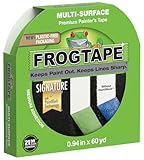
What about that fancy green tape some pros swear by? That’s often designed for longer-term adhesion or more demanding surfaces.
Unless the manufacturer specifically says it’s safe for delicate surfaces like wallpaper, I’d steer clear. You want something that will hold for the duration of your painting job but release without a fight. (See Also: Does Painters Tape Rip Paint Off Walls )
Think of it as a gentle handshake, not a death grip. Always, always do a test patch. Find an inconspicuous spot, like behind a large piece of furniture or in a closet, apply a small strip of tape, leave it for a few hours (or even overnight), and then pull it off. If it damages the wallpaper, or if it leaves a sticky residue, that tape is a no-go.
Test Patch: The Unsung Hero
Seriously, don’t skip this. Apply a 6-inch strip of your chosen tape along the edge where you plan to paint. Let it sit for at least 24 hours, or as long as you plan to have it on during your project. Then, pull it off slowly at a 45-degree angle. Check for:
- Any tearing or peeling of the wallpaper.
- Any significant residue left behind.
- Any change in the wallpaper’s color or texture where the tape was.
If you see any of these issues, try a different tape, preferably one with an even lower tack rating.
The Art of Application (and Removal)
Okay, so you’ve got your delicate surface tape, and you’ve passed the test patch. Now comes the application. This is where patience is your best friend. Rushing this step is like trying to speed-read a contract – you’re bound to miss something important.
When applying the tape, press it down firmly but not aggressively. You want it to make good contact with the wallpaper to prevent paint bleed, but you don’t want to embed the adhesive so deep that it’s impossible to remove. Use the edge of a putty knife or a plastic card (like a credit card) to smooth down the tape, working from the center outwards. This helps push out any air bubbles and makes sure an even seal. But again, be gentle. You’re not trying to fuse it to the wall.
The real magic, and the potential for disaster, happens during removal. Timing is everything. As soon as your paint is dry to the touch, you should remove the tape. If you wait too long, the paint can dry over the tape’s edge, basically bonding the tape to the wall. Then, when you pull, you’re either ripping the paint off, the wallpaper off, or both. I’ve seen this happen more times than I care to admit. My first real professional job, I waited until the next morning because I was tired. The client’s expression when I pulled off strips of their expensive grasscloth wallpaper is something I’ll never forget. Total nightmare.
When you pull the tape, do it slowly and at a sharp angle (about 45 degrees) away from the painted edge. Again, patience is key. If you feel resistance, stop. Try to ease it off from a slightly different angle. Sometimes, using a hairdryer on a low, warm setting (held at a distance) can help soften the adhesive and make removal easier. However, be extremely cautious with heat on wallpaper, as some types can be damaged by it. Always test this on your inconspicuous spot first.
Common Mistakes and What to Avoid
Beyond choosing the wrong tape or removing it at the wrong time, there are other pitfalls. One major one is painting over the tape edge too heavily. If you slather on thick coats of paint right up to the tape line, that thick edge of paint can act like a glue when it dries, making removal a nightmare. Aim for thin, even coats of paint. (See Also: Does Masking Tape Work The Same As Painters Tape )
Another mistake? Assuming all wallpaper is created equal. Vinyl wallpaper is generally more forgiving than paper-backed or fabric wallpapers. If you’re dealing with a delicate, porous, or textured wallpaper (like grasscloth, silk, or flocking), you might need to reconsider using tape altogether. For these types of finishes, using a steady hand and an angled brush, or even a very fine-tipped artist’s brush for details, might be your safest bet. It takes more time and skill, but it avoids the risk of damage.
I once had a client insist on painting a bold stripe on a silk wallpaper. My gut screamed no, but they insisted. I tried the delicate tape, even tried painting by hand, and the result was still patchy and slightly lifted in areas. We ended up having to have a professional wallcovering specialist come in and repair it. Cost them a pretty penny. Sometimes, the DIY approach just isn’t the right approach.
Here’s a quick rundown of what NOT to do:
| Mistake | Why It’s Bad | Verdict |
|---|---|---|
| Using Standard Blue Tape | Too aggressive adhesive can rip wallpaper. | Avoid |
| Waiting Too Long to Remove Tape | Paint dries over the edge, bonding tape to wall. | Major Risk |
| Applying Tape Aggressively | Can damage delicate wallpaper surfaces. | Avoid |
| Painting Thick Coats Over Tape | Creates a paint ‘ridge’ that bonds tape. | Avoid |
| Skipping a Test Patch | No way to know if tape is safe for your wallpaper. | Catastrophic Error |
| Using Heat Unwisely | Can melt or warp certain wallpaper types. | High Risk |
Honestly, the whole situation is a gamble, and you need to weigh the risk versus reward. If you’re painting a cheap, temporary wallpaper, maybe it’s worth the risk. If it’s a high-end, expensive material, you might want to explore other methods.
Alternatives to Tape for Precision Painting
When the risk of using tape on wallpaper feels too high, or if you’ve had a bad experience in the past, don’t despair. There are other ways to achieve clean lines. This is especially true for those who are already comfortable with a brush and have a steady hand.
The most straightforward alternative is freehand painting. It sounds daunting, but with practice, you can get incredibly precise lines. This involves using a high-quality angled sash brush. Load just enough paint onto the brush to cover the tip.
Hold the brush at a slight angle to the wall and use a steady, controlled motion to paint along the edge. You want to use the bristles to guide you, creating a thin, clean line.
This requires a bit of a steady hand and some practice, so I always recommend doing a few practice runs on scrap paper or cardboard before tackling the actual wall. It’s not for everyone, and it definitely takes more time, but the results can be immaculate because you’re not fighting adhesive. (See Also: Does Painters Tape Peel Paint )
Another trick, especially for intricate patterns or if you’re painting a contrasting color band, is to use a guide, but not tape. For example, if you’re painting a straight line, you can use a metal ruler or a long straight edge held firmly against the wall (use painter’s tape sparingly just to hold the ruler, then remove it before painting) and carefully run your brush along its edge. This takes extreme care and precision. You’re basically using the ruler as a temporary fence for your brush.
For areas where the wallpaper meets a ceiling or trim that’s already painted, sometimes a very thin bead of caulk applied with a caulk gun and then smoothed with a wet finger or a caulk tool can create a perfect, paintable line. You then paint the wall, and the caulk line acts as a barrier for the wallpaper. This is a more permanent solution for the edge, however, and might not be suitable if you plan to remove the wallpaper later. It’s a trick often used by seasoned pros for a flawless finish.
When to Call a Pro
If your wallpaper is particularly valuable, textured, or you’re simply not confident in your ability to achieve clean lines without tape, it’s always worth getting a quote from a professional painter or wallpaper installer. They have specialized tools and techniques, and often years of experience dealing with delicate surfaces. The cost of hiring a pro might be less than the cost of repairing damaged wallpaper.
The Final Word on Painters Tape and Wallpaper
So, can you put painters tape on wallpaper? The answer is a nuanced yes, but with significant caveats. It’s not a simple ‘yes’ or ‘no’ without understanding the risks and taking proper precautions. If you’re going to do it, you absolutely MUST use a low-tack, delicate surface painter’s tape. You absolutely MUST do a test patch in an inconspicuous area. You absolutely MUST apply it gently and remove it slowly and carefully, ideally when the paint is just dry to the touch.
I’ve learned that sometimes, the most honest advice I can give is that if the wallpaper is expensive or delicate, or if the paint job is intricate and you’re not confident, the safest bet is to avoid tape altogether and opt for freehand painting or professional help. The potential for costly mistakes is just too high. It’s better to spend a little more time (or money) on a pro than to spend a lot more time and money fixing a mess. The integrity of your walls is important, and sometimes, playing it safe is the smartest move.
Final Thoughts
Ultimately, when you’re asking if you can put painters tape on wallpaper, you’re really asking if it’s worth the risk. In my experience, it often isn’t, especially if that wallpaper cost you a pretty penny or has a delicate texture. The temptation to just slap on some tape and get the job done is strong, but the consequences of a bad pull can be brutal.
If you do decide to try it, remember: delicate surface tape, test patch, gentle application, and careful removal. These aren’t suggestions; they are a must steps. If any part of that sounds like too much work or too much risk for your particular project, there are other ways to get clean lines. Don’t be afraid to use a steady hand with an angled brush or, if the stakes are high enough, to bring in someone who does this for a living.
My honest take? For most situations involving actual wallpaper, I’d rather spend an extra hour meticulously painting by hand than risk a minute of damaging the surface. It saves you headaches, money, and the sheer frustration of looking at a damaged wall. So, think carefully before you tape.