I stood there, staring at the wall, a perfect, razor-sharp line I’d spent an hour masking. Then, I pulled off the tape. Or rather, I tried to pull off the tape. What came away was a sticky, shredded mess, taking half the paint with it. It was that day, about ten years ago, that I learned a brutal lesson about trying to cheat on supplies. The question I’d been too stubborn to ask myself then, and maybe you’re asking now, is: can you use duct tape instead of painters tape? My honest, from-the-trenches answer is a resounding, emphatic no.
Look, I get it. We all want to save a buck, or maybe you’re in a pinch and the hardware store is closed. Duct tape is the universal fix-it tool, right? It holds cars together (in movies, anyway), seals leaky pipes, and can even be fashioned into a stylish wallet. So, why wouldn’t it work for painting?
Because it’s not designed for it. And the results? Well, let’s just say they’re usually a whole lot uglier than a slightly less-than-perfect painted line.
Duct Tape’s Sticky Situation: Why It’s a No-Go for Paint Lines
Let’s be blunt: duct tape is the duct-taped superhero of the workshop, the garage, and the emergency roadside repair. It’s strong, it’s sticky, and it’s usually bright silver, which makes it look important. I’ve used it to patch a hole in my camping tent mid-downpour, to rig up a temporary bracket for a shelving unit that was about to collapse under the weight of my book collection, and even to hold a garden hose together when the sprinklers decided to go on strike. It’s a tool of brute force, meant for holding things together, sealing things up, and generally making a mess less messy.
Its adhesive is designed to stick to almost anything, and to stay stuck. That’s its superpower. But when it comes to delicate paint lines on your walls, that superpower turns into a super-villain.
The adhesive on duct tape is aggressive. It’s formulated to bond strongly, often permanently, to surfaces.
This is great for, say, attaching a tarp to a fence. It’s terrible for creating a clean, removable barrier for paint. When you try to peel it off, that super-strong adhesive doesn’t just let go. It grabs onto the dried paint.
It smears. It tears. And then you’re left with jagged edges, sticky residue that’s a nightmare to remove, and the distinct feeling of regret.
I remember one time, years ago, trying to tape off trim in a bathroom. I ran out of painter’s tape and thought, ‘Ah, duct tape, it’s practically the same thing, just stronger.’ Famous last words. I spent the next three hours with a putty knife and mineral spirits trying to get the gummy residue off my freshly painted door frame.
It looked like a raccoon had tried to finger paint. Never again.
The width is also an issue. While you can get painter’s tape in various widths, duct tape is typically wider. This can make it harder to control and position precisely for those fine lines around windows, door frames, or intricate trim. It’s like trying to draw a delicate portrait with a bulldozer. You might cover the area, but you’re not going to get any detail.
The Science of Stick: What Makes Painter’s Tape Different
So, if duct tape is the blunt instrument, what makes painter’s tape the precision scalpel? It all comes down to the adhesive and the backing material. (See Also: Does Painters Tape Rip Paint Off Walls )
Painter’s tape, at its core, is designed to be temporary. Its adhesive is engineered to provide a strong enough bond to prevent paint bleed-through during painting, but weak enough to be removed cleanly without damaging the underlying surface or the paint it’s protecting. Think of it as a firm handshake, not a death grip.
This is why you can usually peel off painter’s tape hours after painting and get a beautiful, crisp line. The backing is usually a crepe paper, which is flexible and conforms to edges, and also allows some breathability so paint doesn’t bubble up underneath.
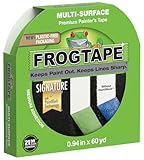
There are different grades of painter’s tape, too, and this is where people get confused. You have your standard blue tape, which is good for most interior walls and trim, and then you have more specialized tapes like green tape for delicate surfaces or even yellow tape for masking. Each has a slightly different tack level.
The key is that they are all designed for this specific purpose: masking. They understand that the goal isn’t just to stick, but to stick and then unstuck cleanly. Duct tape, on the other hand, is designed for adhesion that lasts.
It’s often made with a cloth backing, which is strong but not very flexible, and a rubber-based adhesive that’s notorious for leaving residue, especially on painted surfaces. This adhesive can cure or harden over time, making it even harder to remove.
I’ve seen folks try to use duct tape on outdoor projects too, thinking its weather resistance is a plus. While it can withstand the elements, it can also bake into surfaces in the sun, leaving behind an impossible-to-remove goo or even pulling off paint when you eventually manage to pry it loose. It’s a trade-off that almost never works in your favor when it comes to clean lines.
Real-World Use Cases: When Duct Tape might Not Be the Absolute Worst Idea (but Still Probably Is)
Okay, let’s get this out of the way: are there situations where you could use duct tape and it might technically work for some aspect of painting? Maybe. But it’s like using a sledgehammer to crack a nut. It’s overkill, imprecise, and likely to cause more problems than it solves. For instance, if you are painting a rough, unfinished surface like raw wood or concrete in a garage where perfect lines don’t matter, and you just need to mask off a small section to avoid getting paint on something else entirely, duct tape might prevent a direct splattering. But even then, you’re risking that sticky residue clinging to the rough surface. It’s a gamble.
I’ve heard of people using duct tape to create a very rough, abstract painted effect by ripping pieces of it and applying them to a wall before painting. That’s not using it instead of painter’s tape, though; that’s using it as a design element, which is a completely different ballgame.
The goal there is the texture and unevenness. If your goal is a clean, crisp paint line, duct tape is your enemy.
I once saw a DIY video where someone used duct tape to mask off a section of a brick wall for a painted accent. The result was… a mess.
The tape tore the surface of the softer mortar in places, and the adhesive left a shiny, difficult-to-clean residue on the bricks. They ended up having to scrub the whole wall down, defeating the purpose of a quick masking job. (See Also: Does Masking Tape Work The Same As Painters Tape )
The truth is, the common advice to use painter’s tape is so prevalent because it’s genuinely what works. It’s not some corporate conspiracy to sell you more tape. It’s a practical solution to a common problem. People have been trying to find shortcuts with duct tape for decades, and the consensus among anyone who’s actually done a lot of painting is that it’s a terrible substitute for painter’s tape when you need clean lines.
The True Cost: Why Cheaping Out on Tape Costs You More
Let’s talk about the real cost. On the surface, a roll of duct tape, maybe $5-$8, seems a lot cheaper than a roll of good painter’s tape, which can run $10-$20 depending on the brand and width.
But that initial savings is an illusion. When you use duct tape for masking, you’re not just buying tape; you’re buying yourself hours of extra work. You’re buying sandpaper, mineral spirits, maybe even a new can of paint to fix the mistakes.
You’re buying frustration. I’ve spent more on cleaning supplies and touch-up paint to fix a bad tape job than the cost of the proper painter’s tape would have been in the first place. I’m talking about a situation where I spent about $15 on a roll of generic blue tape and got a perfect finish in an hour. Then, I tried the duct tape shortcut on another room, blew $7 on a heavy-duty roll, and ended up spending $40 on goo-gone and repainting two sections of wall.
The math just doesn’t add up.
The time you spend scraping off residue, trying to carefully paint over bleeds, or even redoing an entire section of wall that got ruined is valuable time. Time you could be spending doing something else, enjoying your weekend, or moving on to the next project. Plus, there’s the aesthetic cost.
A botched paint line looks unprofessional and cheap. It detracts from the overall look of your room, no matter how nice the paint color is. It’s the difference between a room that looks professionally done and one that looks like a hurried DIY job.
When you factor in the materials, the time, and the potential damage to your project, duct tape is almost always the more expensive option in the long run.
Consider the surface you’re taping. If it’s delicate wallpaper, fresh drywall that hasn’t been properly primed, or even high-gloss paint, the aggressive adhesive of duct tape can rip, tear, or leave a dull spot where it was stuck. Painter’s tape, especially the ‘delicate surface’ varieties, is designed to handle these situations with care. Trying to save a few bucks here can lead to hundreds of dollars in repair costs.
My Personal Fails & What I Learned (so You Don’t Have To)
I’ve already shared my bathroom trim disaster, but that’s just one gem from my extensive catalog of DIY blunders. There was the time I tried to paint stripes on a feature wall. I used a heavy-duty duct tape because I wanted super-sharp lines.
Big mistake. The tape stuck so hard that when I pulled it off, it didn’t just take the paint, it took entire chunks of the drywall paper with it. I was left with gaping holes that looked like a tiny badger had been excavating. It took me days to repair that wall properly, skim coat, sand, prime, and repaint. (See Also: Does Painters Tape Peel Paint )
I ended up buying a premium brand of painter’s tape for the next attempt, and the difference was night and day. The lines were perfect, and the tape peeled off like a dream, leaving the underlying paint untouched.
Another memorable screw-up involved masking off a ceiling fan. I wrapped the blades in duct tape, thinking it would be quick and easy. When I turned the fan on after painting the ceiling, the tape started to peel off, flapping around like a broken wing. Not only did it look ridiculous, but tiny bits of dried tape adhesive started flinging off, landing on my freshly painted walls and floor. It was a sticky, dusty mess that took forever to clean up. This taught me that not only is the adhesive an issue, but the rigidity of duct tape can also cause problems. It doesn’t flex well around curves or irregular shapes like fan blades, leading to gaps and eventual failure.
The biggest lesson I’ve learned is that good tools matter. Painter’s tape is a tool. It’s cheap insurance against ruined paint jobs and wasted time. Trying to substitute it with something like duct tape is like trying to build a house with a butter knife instead of a hammer. You might get somewhere eventually, but it’s going to be a painful, inefficient, and likely disastrous process. Invest in the right tape; your walls (and your sanity) will thank you.
Faq: Your Burning Questions About Tape and Paint
Can You Use Duct Tape Instead of Painter’s Tape for a Rough Surface?
While duct tape is incredibly sticky, it’s still a poor choice for masking on rough surfaces if you want clean lines. The tape’s aggressive adhesive can pull up loose debris or unevenly adhere to the texture, leading to bleed-through. Moreover, removing duct tape from rough surfaces often leaves stubborn residue or can even damage the material itself. Painter’s tape designed for textured surfaces is a much safer and more effective option.
Will Duct Tape Leave a Sticky Residue on Walls?
Yes, almost certainly. Duct tape’s adhesive is designed to be very strong and long-lasting, which means it’s highly prone to leaving behind a sticky, gummy residue on painted walls. This residue can be incredibly difficult to remove, often requiring solvents like mineral spirits or specialized adhesive removers, and can potentially damage the paint finish underneath. Painter’s tape is formulated to avoid this problem.
Can I Use Duct Tape to Paint Straight Lines on a Wall?
No, you should not use duct tape to paint straight lines on a wall if you want a clean, professional finish. The adhesive on duct tape is too aggressive and will likely pull up paint, tear the underlying surface, or leave a jagged edge. It’s also not flexible enough to create the precise, sharp lines that painter’s tape is designed for. Painter’s tape offers a removable adhesive and flexible backing for this exact purpose.
What’s the Difference Between Duct Tape and Painter’s Tape?
The primary difference lies in their adhesive and backing. Duct tape uses a strong, often rubber-based adhesive on a cloth-reinforced backing, designed for durable bonding and sealing. Painter’s tape uses a low-tack, removable adhesive on a paper or synthetic backing, specifically engineered to adhere firmly enough to block paint but also to be removed cleanly without damage. Painter’s tape is for temporary masking, while duct tape is for permanent or semi-permanent adhesion.
| Tape Type | Adhesive Strength | Backing Material | Removability | Best Use Case | Verdict for Painting Lines |
|---|---|---|---|---|---|
| Duct Tape | Very High | Cloth-reinforced vinyl/plastic | Poor (leaves residue, can damage surfaces) | Repairs, sealing, temporary fixes, general adhesion | Terrible. Will ruin your paint lines, leave residue, and cause extra work. Avoid at all costs. |
| Standard Painter’s Tape (Blue) | Medium (removable) | Crepe paper | Good (clean removal for 1-3 days) | Masking painted walls, trim, baseboards | Excellent. The go-to for most interior painting tasks. |
| Delicate Surface Painter’s Tape (Purple/Pink) | Low (extra gentle) | Synthetic film or thin paper | Excellent (removable for up to 14 days) | Wallpaper, freshly painted surfaces (less than 24 hrs old), delicate finishes | Excellent. For situations where even standard painter’s tape might be too strong. |
Final Verdict
So, to circle back to the initial question: can you use duct tape instead of painters tape? My honest, battle-tested answer is no. While duct tape is a marvel of adhesive technology for many other applications, it’s fundamentally the wrong tool for creating clean paint lines. The aggressive stickiness, the tendency to leave residue, and the lack of flexibility mean you’re setting yourself up for a frustrating and often costly cleanup job.
Save yourself the headache. Invest a few extra dollars in proper painter’s tape. Whether it’s the standard blue, the delicate surface purple, or even the higher-adhesion green for certain projects, it’s designed for the job. Think of it as buying yourself time and peace of mind, not just a roll of tape. I learned this the hard way, and I’d rather you didn’t have to go through the same sticky mess I did.
Next time you’re prepping for a paint job, reach for the right tape. Your walls will look sharper, and you’ll finish the project with a lot less swearing and a lot more satisfaction.