I remember staring at my blank dorm room walls, itching to make the place feel like
mine
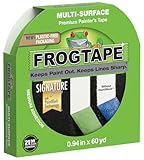
. Posters were the obvious answer, but the sheer terror of peeling paint off those flimsy cinder blocks kept me paralyzed. My roommate, bless her heart, just grabbed the nearest roll of blue tape and started slapping up her band merch. I watched, cringing, waiting for the inevitable damage report. So, can you use painters tape to hang posters? The short answer is a hesitant ‘yes,’ but it’s a decision fraught with potential pitfalls you absolutely need to understand before you commit.
The Blue Tape Myth: Why Everyone Thinks It’s Harmless
Look, the marketing for painters tape is pretty straightforward. “Easy clean removal,” “won’t damage surfaces,” “perfect for DIYers.” It’s practically designed to make you feel like a responsible adult tackling a project without causing an international incident of cracked plaster. And for most quick touch-ups or masking off trim before a paint job?
It’s usually spot on. I’ve used it a million times to keep paint lines crisp, and for that, it’s a godsend. I’ve even stuck it on lightly textured walls for a weekend banner, and yeah, it peeled off fine. The problem arises when you start asking it to do more than it’s designed for, like holding up something with its own weight, plus the weight of time, against surfaces that might have a personality of their own.
That’s where the story gets… sticky. The common advice you’ll find everywhere is that it’s safe, and while that’s true for temporary applications, hanging posters is often a long-term commitment, and your walls might not agree with that arrangement. It’s a simple tool that people try to bend to a more complex need, and nature, or at least wall integrity, tends to find a way to remind you of that fact.
So, What’s the Real Deal with Adhesion?
Painters tape works by using a low-tack adhesive, usually a rubber-based or acrylic formulation. The idea is that it sticks well enough to create a seal for painting, but not so aggressively that it rips off the paint or drywall paper when you pull it off. It’s a delicate balance.
Different brands even have different levels of tackiness, from delicate surfaces to medium adhesion. The blue tape is generally considered medium. But here’s the kicker: that adhesive can degrade over time, especially if exposed to sunlight, heat, or humidity.
The stickiness can actually get stronger as it ages on the wall, or it can become brittle and lose its grip entirely. I once left a strip of blue tape on a wall for about six months, just a random piece I forgot about. When I finally pulled it off, it took a chunk of paint with it, leaving a dusty, fuzzy rectangle that was way worse than any poster damage. (See Also: Does Painters Tape Rip Paint Off Walls )
And it wasn’t an old, cheap brand either; it was one of the big names. That taught me that even the ‘safe’ stuff has its limits, and ‘temporary’ is a very subjective term when it comes to tape.
Contrarian Take: Why I’d Almost Always Grab Something Else
Everyone and their uncle will tell you painters tape is the go-to for posters. I disagree. Strongly. Here’s why: the risk of paint damage, especially on older walls, textured surfaces, or anything that’s been painted more than once, is just too high for my comfort.
If you’re renting, or you’ve got walls you really don’t want to mess up, using something designed for the job is a no-brainer. Why gamble with your security deposit or the aesthetic of your living space for a few bucks saved on tape? The number of times I’ve heard people complain about the ‘ghosting’ or ripped paper after using painters tape for posters is staggering.
It’s like people accept this as an unavoidable consequence, when really, it’s just a sign they’re using the wrong tool. Think of it like trying to hammer a nail with a screwdriver – you might get it in eventually, but it’s going to be messy, and you might damage the material. I’ve seen people try all sorts of tricks to mitigate the damage – using tape on tape, leaving it on for only a week – and it’s still a gamble.
For me, the peace of mind from using a dedicated poster hanging solution is worth every penny.
Alternatives and When Painters Tape Might Actually Work (maybe)
Okay, so if painters tape isn’t my first choice, what is? For posters, your best bet is usually a dedicated poster putty or mounting strips. Putty is great for lighter posters and leaves minimal residue.
Brands like Blu-Tack or Command Poster Strips are designed specifically for this. Command strips, in particular, use a strong but removable adhesive that’s engineered to pull off cleanly without damaging most surfaces, provided you follow the instructions meticulously. They come in different weight ratings, so you can handle even a relatively large poster. I’ve used Command strips on everything from textured wallpaper to delicate painted drywall, and as long as I waited the recommended curing time and pulled them off slowly and at the correct angle (straight down, not out), I’ve had zero issues.
They’re a bit pricier than a roll of tape, but the lack of stress and potential repair costs makes them a bargain. If you insist on using painters tape, and I’m not saying you absolutely can’t, make sure it’s on a surface you know is solid and well-primed, and be prepared for the possibility of touch-up paint. (See Also: Does Masking Tape Work The Same As Painters Tape )
Test a small, inconspicuous area first. And for the love of all that is holy, don’t leave it up for months on end. A week or two? Maybe.
Longer? You’re asking for trouble.
| Hanging Method | Pros | Cons | Verdict |
|---|---|---|---|
| Painters Tape (Blue) | Cheap, readily available, decent initial tack. | High risk of paint damage over time, adhesive can fail or get too strong, not designed for weight. | Use with extreme caution; best for very short-term, light posters on forgiving surfaces. High risk for renters. |
| Poster Putty | Inexpensive, good for lightweight paper, easy to apply. | Can leave oily stains on some papers, not strong enough for heavier posters, can dry out. | Decent for unframed, light posters on surfaces you don’t mind potentially marking. |
| Command Poster Strips | Strong hold, specifically designed for damage-free removal (if instructions followed), various weight ratings. | More expensive than tape or putty, requires careful application and removal, curing time needed. | Highly recommended for most poster hanging needs; the go-to for peace of mind and reliable results. |
| Double-Sided Poster Tape | Stronger hold than putty, designed for posters. | Can be very difficult to remove without damage, even if labeled ‘removable’. Often stronger than painters tape adhesive. | Use as a last resort if other methods fail and you’re prepared for potential wall repair. |
Common Mistakes and How to Avoid Them
The biggest mistake people make is assuming all painters tape is created equal and that it’s designed for long-term adhesion. You wouldn’t use duct tape to mend a delicate silk scarf, right? Same principle.
Another common error is applying it to surfaces that are already compromised. Think walls that have been painted with cheap, flat paint that flakes easily, or surfaces that have seen a lot of sun exposure, which can degrade both the paint and the tape’s adhesive. When you pull the tape off, you’re not just pulling off tape; you’re pulling off whatever the tape is bonded to.
If that bond is stronger to the wall than to the tape, you’re in for trouble. I once saw a friend try to hang a poster using painters tape on a textured wallpapered wall. The tape stuck fine initially, but after a month, when she tried to remove it, it took the top layer of the wallpaper right off with it, leaving a patchy, ugly mess that required a full wallpaper replacement.
It was a disaster she could have easily avoided by using something like Command strips. Always consider the surface.
Is it smooth, glossy, matte, textured, wallpapered, or plaster? Each one behaves differently.
And don’t get me started on humidity. Bathrooms and kitchens are notorious for making adhesives go rogue. (See Also: Does Painters Tape Peel Paint )
People Also Ask: Is Painters Tape Safe for Walls?
For short-term applications and on properly prepared, painted surfaces, painters tape is generally considered safe for walls. However, ‘safe’ is a relative term. It’s designed for clean removal after a few days to a week, not for months of adhesion. Older paint, delicate surfaces, or areas with high humidity can cause the tape to bond too strongly or become brittle, leading to paint damage upon removal. Always test in an inconspicuous spot first if you have any doubts about your wall’s condition.
People Also Ask: What Kind of Tape Can I Use to Hang Posters Without Damaging Walls?
The best options for hanging posters without damaging walls are specialized products like Command Poster Strips, removable adhesive hooks, or poster putty. These are engineered for strong holding power but also for clean, damage-free removal when used according to their instructions. Avoid standard tapes like Scotch tape, packing tape, or even standard masking tape, as their adhesives are often too aggressive for wall surfaces.
People Also Ask: How to Remove Painters Tape Without Damaging Paint?
To remove painters tape without damaging paint, pull it off slowly and at a sharp angle, pulling the tape back on itself rather than straight out. Gentle heat from a hairdryer (on a low setting) can sometimes soften the adhesive, making removal easier. If the tape has been on for a long time or seems stuck, try scoring the edge with a thin, dull plastic tool or carefully using a bit of Goo Gone on the tape itself, not directly on the wall, and then wiping away residue. Patience is key; rushing the process is a common cause of paint damage.
People Also Ask: Does Painters Tape Leave Residue?
Good quality painters tape, especially brands designed for delicate surfaces, is formulated to leave minimal to no residue when removed promptly. However, residue can occur if the tape is left on for too long, exposed to heat or direct sunlight, or applied to a dusty or uneven surface. Sometimes, a faint sticky residue can be removed with a gentle cleaner like isopropyl alcohol or a dedicated adhesive remover, but always test in a hidden spot first.
Conclusion
So, can you use painters tape to hang posters? Yes, technically. But is it the best idea? Rarely. I’ve learned the hard way that the few dollars saved on a roll of blue tape can quickly turn into a much larger bill for paint or drywall repair, especially if you’re renting or just really value your wall’s pristine condition. It’s a gamble that often doesn’t pay off in the long run.
My advice? If your poster is precious, your walls are new, or you just want to avoid the headache, spend a bit more on dedicated poster strips or putty. Your future self, wrestling with peeling paint and sticky residue, will thank you. If you absolutely have to use painters tape, treat it as a very temporary solution, test it first, and be prepared for the worst.
Honestly, the stress isn’t worth it. There are better, safer ways to get your art on the walls without the potential for a DIY disaster. Think about it: what’s the real cost of a torn poster versus a landlord’s wrath?