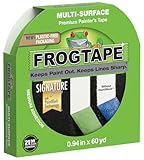
I’ve spent more money than I care to admit on craft supplies that promised the moon and delivered… well, a rip. Especially when it comes to delicate projects, the fear of a rogue piece of tape leaving shredded paper in its wake is a very real one. So, does painters tape rip paper? The short answer is: it depends, and anyone telling you it’s a simple yes or no is probably selling you something.
Over the years, I’ve learned that the type of tape, the paper it’s on, and even the weather can play a role. It’s not just about slapping tape down and hoping for the best. There’s a method to the madness, and understanding a few key things can save you a world of frustration and ruined artwork.
Why Your “delicate” Paper Project Might Be Terrified of Tape
Let’s get this straight: painters tape is designed to stick to surfaces, but not permanently stick. It’s supposed to create a clean line and then peel off without damaging the paint underneath. That’s the dream, anyway. When we’re talking about paper, which can range from thick, sturdy cardstock to tissue-thin watercolor paper, the stakes get higher. Think about it – you’re trying to mask off an area to paint or draw, and the last thing you want is for the tape to act like a mini-demolition crew, tearing through your carefully chosen surface.
The core issue is adhesion versus surface integrity. Painters tape uses an adhesive, usually acrylic-based, that’s formulated to have a moderate tack. This tackiness is what allows it to stick to walls, trim, and other surfaces without leaving a sticky residue behind when removed at the right time. However, paper, especially certain types, has a surface that’s inherently less solid than a painted wall.
The fibers in the paper can be weakly bonded, or the surface might be coated in a way that makes it susceptible to lifting. So, when you pull that tape off, if the adhesive is too strong for the paper’s surface, it’s going to take the paper fibers with it.
It’s a delicate balance, and frankly, many brands get it wrong when it comes to paper applications.
I remember one particularly painful incident while trying to create a sharp, masked border on a piece of archival watercolor paper for a custom commission. I used what I thought was a reputable brand of painters tape, assuming its “delicate surface” claims would translate. Nope. As I slowly peeled it back, ragged edges appeared, looking like a tiny paper shredder had gone to town. The client was understanding, thankfully, but my pride? Less so. That experience taught me that not all painters tape is created equal, and the label “delicate surface” is more of a suggestion than a guarantee when paper is involved.
The Adhesive Showdown: What’s Really Going on?
The magic, or in my case, the destruction, lies in the adhesive. Most painters tape uses a pressure-sensitive adhesive (PSA) that bonds when you press it down. The strength of this bond is important. For wall painting, you want a tape that sticks well enough to prevent paint bleed but can be removed without peeling off the paint. This usually means a medium tack. But for paper, the requirements change dramatically.
Some tapes are marketed as “low tack” or “delicate surface” tapes. These should theoretically be safe for paper. They use a more easily removable adhesive. However, there’s a catch. “Low tack” is relative. What one manufacturer considers low tack might still be too aggressive for a fragile paper surface. Furthermore, the quality of the tape itself matters. Cheaper tapes might have a more aggressive adhesive formula, or the adhesive might be applied unevenly, leading to inconsistent results. I’ve found that some brands that work wonders on trim can be absolute paper destroyers. It’s like they crank up the stickiness for their general-purpose tapes.
The backing of the tape also plays a role. Traditional crepe paper backing can sometimes snag on the paper’s surface, adding a physical tearing element to the adhesive’s pull. Newer, more flexible film-backed tapes might seem smoother, but their adhesive can still be the culprit. The science isn’t overly complex, but the practical application is where the trouble starts. It’s a constant battle between wanting a secure mask and fearing the rip. (See Also: Does Painters Tape Rip Paint Off Walls )
Common Mistakes People Make with Painters Tape and Paper
One of the biggest blunders I see people make is assuming all painters tape is the same. They grab whatever’s cheapest or closest and expect it to behave.
Wrong. Another common mistake is leaving the tape on for too long.
If you’re painting over paper with a wet medium like watercolors or acrylics, the moisture can actually strengthen the bond between the tape and the paper as it dries. Pulling it off days later can be disastrous. I’ve learned to pull tape off while the paint is still slightly damp, if possible, or at least within a few hours of application.
The tape also needs to be applied smoothly. Wrinkles and bubbles mean uneven adhesion, which can lead to unexpected tears.
Does Painters Tape Rip Paper? My Lived-in Verdict
Here’s the blunt truth: yes, painters tape can and often will rip paper, especially if you’re not careful about the type of tape you use and the type of paper you’re working with. Anyone who tells you otherwise is either lucky or hasn’t pushed the boundaries enough. I’ve experimented with dozens of tapes over the years, and not all of them have earned a spot in my craft drawer. Some are downright aggressive, while others are surprisingly gentle.
The key is to understand that paper is not a wall. It’s a delicate, fibrous material. While standard blue or green painters tape is designed for general use on walls and trim, it’s often too strong for paper. You need to look for tapes specifically designed for delicate surfaces. Even then, testing is most important. I’ve had tapes labeled “delicate surface” still cause problems on thin or textured papers. The adhesive strength is the main variable, and it’s not always accurately reflected on the packaging.
I’ve learned to have a small arsenal of tapes. For general masking on thicker cardstock where a little extra tack is okay, I might use a mid-range tape. But for anything remotely fragile, like vintage paper, thin drawing paper, or even certain types of watercolor paper, I reach for specialized, ultra-low-tack tapes or even Washi tape. Washi tape is often the safest bet for very delicate paper because its adhesive is usually water-based and much less aggressive. It’s not as sticky, so it’s not great for preventing paint bleed on walls, but for paper? It’s often a lifesaver.
The Tape Test: Your Best Friend for Paper Projects
Before you commit a full roll of tape to your precious paper project, do yourself a favor: test it. Find a scrap piece of the exact same paper you’ll be using. Apply a small strip of tape to it, press it down gently, and let it sit for a few minutes. Then, peel it off slowly at an angle, just like you would on your main project. Observe the result. Did it lift any fibers? Did it leave a slight indentation? Did it rip? If the answer is yes to any of those, that tape is probably not your friend for this particular paper. This simple step can save you hours of work and a lot of heartache.
| Tape Type | Typical Use | Adhesion Level (for paper) | Verdict for Paper |
|---|---|---|---|
| Standard Blue/Green Painters Tape | Walls, trim, general masking | Medium-High | Risky, often rips delicate paper |
| “Delicate Surface” Painters Tape | Walls with fresh paint, wallpaper | Low-Medium | Better, but still requires testing on paper |
| Specialty Art Masking Tape | Art masking, watercolor | Very Low | Generally safe, best option for many papers |
| Washi Tape | Decoration, light crafting | Very Low | Safest for most paper, but may not prevent bleed |
| Masking Tape (Tan/Brown) | General purpose, shipping | High | Almost always rips paper, avoid! |
This table is based on my experience. Your mileage may vary based on specific brands and paper types, but it’s a good general guide. (See Also: Does Masking Tape Work The Same As Painters Tape )
When Washi Tape Becomes Your Hero
If you’re still cringing at the thought of painters tape potentially destroying your paper art, you’re not alone. That’s where Washi tape often shines. Originating from Japan, Washi tape is typically made from paper fibers, often with a slightly textured feel, and it uses a water-based, low-tack adhesive. This makes it incredibly gentle on surfaces, including paper. I’ve used Washi tape on everything from delicate cardstock to very thin drawing paper, and I can count on one hand the times it’s caused any damage. It’s usually only when I’ve left it on for weeks on end or applied it over a very powdery surface.
The trade-off? Washi tape isn’t always the best choice for preventing paint bleed. Because its adhesive is so low-tack, paint can sometimes seep underneath, especially with liquidy mediums like watercolors or thinned acrylics.
However, for creating clean lines in dry media like colored pencils or pastels, or for masking areas that will receive a light wash of paint or ink, it’s often perfect. The sheer variety of patterns and colors also makes it a functional decorative element in itself.
When the primary concern is preserving the paper integrity, Washi tape often becomes the safest, most reliable option. It’s not a painters tape, per se, but it serves a similar masking purpose in the art world, just with a much gentler touch.
The Real-World Application: What to Look for and What to Avoid
So, you’ve got a project, and you need to mask. What’s the takeaway? First, stop thinking of painters tape as a one-size-fits-all solution for paper. It’s not. The packaging might say “delicate surface,” but that often means delicate painted surfaces, not necessarily delicate paper fibers. Look for tapes specifically marketed for artists or for use on paper. Brands that cater to the crafting and art supply market often have better options. These might be labeled as “art masking tape” or “low-tack masking tape.” They tend to have a less aggressive adhesive and a backing that’s less likely to snag.
What to avoid? Standard tan masking tape (the stuff you might use for packing boxes) is almost always too aggressive. It has a strong rubber-based adhesive that will likely shred most paper.
High-tack blue or green painters tape is also generally a no-go for delicate papers. If you’re unsure, always, always test. Apply a strip to a scrap piece of your paper, let it sit for a bit, and then peel it off.
If it causes any damage, don’t use it on your main piece. Pay attention to the feel of the tape. Does it feel overly sticky right out of the roll?
That’s usually a bad sign for paper. Sometimes, even a good quality tape can be too much if the paper itself is extremely fragile or has a very loose weave. (See Also: Does Painters Tape Peel Paint )
For those situations, you might need to explore other masking techniques entirely, like liquid mask or liquid frisket.
Faq: Your Burning Questions Answered
Can Painters Tape Be Used on Watercolor Paper?
Yes, but with caution. Standard painters tape can often rip or leave residue on watercolor paper, especially if the paper is thin or has a delicate surface. It’s best to use tapes specifically labeled for delicate surfaces or art masking. Always perform a test on a scrap piece of your watercolor paper first to make sure the tape doesn’t damage the fibers when removed.
What Is the Best Tape for Paper That Won’t Rip It?
For the gentlest option, Washi tape is usually the safest bet, as it has a very low-tack, water-based adhesive. Specialty art masking tapes designed for artists are also excellent choices, offering a balance of adhesion for masking and gentleness on paper. Avoid standard tan masking tape and high-tack blue or green painters tape.
How Do I Remove Painters Tape From Paper Without Ripping It?
First, use a tape designed for delicate surfaces or paper. Apply the tape smoothly. When removing, pull it back slowly and at a shallow angle (close to the surface), ideally while any applied medium is still slightly damp if possible. Applying a bit of gentle heat with a hairdryer on a low setting can sometimes help soften the adhesive, but be cautious not to overheat or warp the paper.
Is All Painters Tape the Same?
No, absolutely not. Painters tape varies significantly in tackiness, adhesive type, and backing material. There are tapes for general-purpose use on walls, tapes for fresh paint, tapes for delicate surfaces like wallpaper, and even specialized tapes designed for artists. The label on the packaging is important, but testing is the ultimate indicator of how it will perform on your specific material.
What If Painters Tape Rips My Paper?
If your paper is ripped, assess the damage. For minor tears, you might be able to carefully mend them with archival adhesive or even embrace the imperfection as part of the art. For more significant damage, you might need to start over or incorporate the rip into your design. Prevention through proper tape selection and testing is always the best strategy.
Final Thoughts
So, to circle back to the original question: does painters tape rip paper? The answer is a resounding ‘it depends,’ but more often than not, the standard stuff you use for household painting is a gamble you’re likely to lose with paper. My years of trial and error have taught me that patience and the right tools are everything. Don’t be afraid to test. Don’t be afraid to use Washi tape or dedicated art masking tapes, even if they cost a little more. That little bit of extra care upfront will save you a mountain of frustration and make sure your paper projects stay intact.
The world of adhesives is vast and sometimes treacherous, especially when delicate paper is involved. Always consider the paper’s fragility and the tape’s tackiness. If you’re ever in doubt, a quick test on a scrap piece is your best defense against unintended paper carnage. Remember, the goal is to create, not to repair what the tape has destroyed. Keep experimenting, and find what works best for you and your materials.