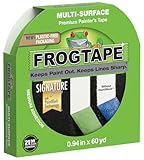
I’ve stood in the aisle, project forgotten, staring at a wall of tape. You know the feeling. You’re halfway through a weekend paint job, everything is prepped, and suddenly you realize you’re out of that one important item: painter’s tape. My mind immediately went to the nearest place that might have it for cheap. So, the big question I’ve been asked, and one I’ve definitely pondered myself, is: does Dollar Tree sell painters tape?
Let me cut to the chase. Yes, they often do. But ‘often’ is the operative word here, and it comes with a giant asterisk. It’s not a guaranteed item like toilet paper at the grocery store. Sometimes you’ll find it, sometimes you won’t. And when you do find it, the quality can be… well, let’s just say it’s a mixed bag.
The Lowdown on Dollar Tree’s Painter’s Tape Offering
Look, we’ve all been there. A DIY project is looming, the budget is tighter than a drum, and you’re trying to stretch every single dollar. That’s where places like Dollar Tree become incredibly tempting. They advertise everything for a dollar (or so it seems these days, with the price hikes). So, the idea of snagging painter’s tape for pennies on the dollar is super appealing. I’ve personally wandered into a Dollar Tree with the specific mission of finding painter’s tape for a quick touch-up job on trim. Sometimes, I’ve walked out a winner, clutching a roll (or two) of what looks like perfectly functional blue or green tape. Other times? Nada. Zilch. The tape aisle was a barren wasteland.
The reality is, Dollar Tree’s inventory can be wildly inconsistent. It depends on what their suppliers are pushing, what’s in season for DIY projects (though honestly, painting can happen any time), and sheer luck. You might go into one store and find a whole shelf full of it, and then visit another location across town and they haven’t seen a roll in weeks.
This inconsistency is probably the biggest frustration if you’re relying on it for a time-sensitive project. You can’t just pop in and expect to find it every single time. It’s more of a ‘check and see’ situation. For really important jobs, I’ve learned to have a backup plan, which usually means hitting up a hardware store before I even consider the dollar store.
When you do find it, what are you getting? Typically, it’s generic brands you’ve probably never heard of. They’ll look remarkably similar to the name brands – the familiar blue or green color is a dead giveaway. The width might be standard, usually around 1-inch or 1.5-inch rolls. The packaging is usually pretty basic, often just a plastic wrap with minimal branding. You’re not going to find fancy, multi-surface, extra-delicate-paint-friendly options here. It’s the most basic iteration of painter’s tape. And for a lot of basic jobs, that might be perfectly fine. But you have to temper your expectations. This isn’t the premium stuff.
I once bought a pack of three rolls, convinced I was a genius for saving so much money. I was repainting a small bathroom vanity. The first roll seemed okay, a little sticky, but it held. The second roll, however, was a nightmare.
It tore unevenly, left fuzzy edges, and worse, when I went to remove it, it actually lifted some of the new paint I had just applied. I was fuming.
It’s moments like that when you realize that sometimes, spending a few extra bucks on something reliable is worth it. That project ended up costing me more time and paint to fix the mess than if I’d just bought decent tape from the get-go.
So while the price is attractive, the performance can be a gamble.
What to Look for (and What to Avoid)
So, you’ve braved the dollar store and, against all odds, you’ve found some painter’s tape. Great!
But before you toss it in your basket, take a moment to inspect it. Not all cheap tape is created equal, and some is definitely worse than others. The first thing I check is the tackiness. Give the edge of the tape a gentle touch.
It should feel sticky, but not so overwhelmingly sticky that it feels like it’s going to rip the packaging apart or leave a residue on your finger. If it feels dry and brittle, that’s a bad sign. (See Also: Does Painters Tape Rip Paint Off Walls )
It means the adhesive has likely degraded, and it’s not going to stick well, or worse, it’s going to be a pain to remove.
Next, I look at the tape itself. Is it uniformly colored? Are there any weird lumps or bumps in the tape? Any signs of it being warped or creased within the roll? These could be indicators of poor manufacturing or improper storage. If the tape looks flimsy or unevenly cut, it’s probably not going to give you clean lines. Think about it: painter’s tape works by creating a barrier. If that barrier is compromised by thin spots or tears, paint is going to seep through. For a quick, temporary job where perfect lines aren’t important, it might pass. But for anything where you want crisp edges, like trim or detailed furniture, you’re asking for trouble.
I also try to gauge the thickness of the tape. Sometimes, the dollar store rolls are super thin. While this might seem like a good thing for flexibility, it often means they’re more prone to tearing during application. You want a tape that has some substance to it. You can usually tell by holding the roll up to the light. If you can see through it easily, it’s probably too thin. The goal is to create a good seal against the surface you’re protecting. A thin tape is less likely to do that effectively, and it’s more likely to rip when you’re trying to pull it off in one long strip, which is always the dream, right?
Here’s a bit of a contrarian take: sometimes, you might be better off using regular masking tape for very specific, low-stakes jobs and just accepting that you’ll have to do more touch-up work. I know, I know, everyone says ‘never use masking tape for painting.’ And for most jobs, they’re right. But if you’re, say, taping off a section of cardboard for a craft project that’s going to be painted over anyway, and you don’t care about perfect edges, the cheap masking tape might hold better than the absolute worst-case scenario dollar store painter’s tape. But for anything involving walls, trim, or surfaces you care about preserving? Stick to actual painter’s tape, even if it’s not from Dollar Tree.
One time, I bought a pack of generic blue tape from a discount store, not Dollar Tree, but the same principle applies. I was painting a bookshelf.
The tape seemed fine going on, but when I went to peel it off after the paint dried, it felt like it was glued down. I had to use a razor blade to scrape some of it off, and even then, it left a gummy residue. I ended up having to use a solvent to get the residue off, which then messed up the finish on the shelf.
Total disaster. Since then, I’ve been much more discerning about where my tape comes from, and the lesson learned was that the cheapest option isn’t always the cheapest in the long run.
| Type of Tape | Typical Dollar Tree Quality | My Verdict |
|---|---|---|
| Generic Blue Painter’s Tape | Hit or Miss. Can be decent for basic jobs, but prone to poor adhesion, tearing, or leaving residue. | Gamble. Use only for non-important projects or if you have time for touch-ups. |
| Generic Green/Specialty Tape (Rare) | Extremely rare at Dollar Tree. If you see it, inspect very carefully. | Suspicious. Likely not worth the risk unless you’re desperate and have zero other options. |
| Regular Masking Tape (Sometimes found) | Usually very low tack, tears easily. | Avoid for painting. Better for temporary bundling or crafts where adhesion isn’t key. |
Common Mistakes When Buying Cheap Tape
One of the biggest blunders people make is assuming all painter’s tape is created equal, especially when buying from a discount retailer. You see a roll that looks like painter’s tape, and you grab it. You might not even look at the brand, or lack thereof. This is a recipe for disaster. Just because it’s blue or green doesn’t mean it has the right adhesive properties or the right paper backing. The whole point of painter’s tape is that it adheres well enough to create a seal but removes cleanly without damaging the underlying surface or leaving behind stubborn residue. Cheap imposters often fail on one or both of these counts.
Another common mistake is not considering the surface you’re painting on. Dollar Tree tape, if it’s even decent, is usually designed for general use. It’s not going to be formulated for delicate surfaces like wallpaper or freshly painted walls that haven’t fully cured. Trying to use bargain-basement tape on these surfaces is asking for trouble. You might end up with torn wallpaper or peeling paint, which is infinitely more expensive and time-consuming to fix than buying a higher-quality tape. Always think about the surface first. If it’s a surface you care about, invest in tape specifically designed for it, or at least a brand you trust.
People also tend to buy too little tape. Even if you find a good deal at Dollar Tree, you might only buy one or two rolls. Then, midway through your project, you realize you need way more. This leads to frustration, potential interruptions, and sometimes, settling for less-than-ideal tape from another store. It’s far better to buy a bit more of a reliable tape upfront, or if you are going the Dollar Tree route, buy more than you think you’ll need, just in case the quality is good on that particular batch. You can always use extra tape for other things, but you can’t magically conjure more of a specific roll you bought.
I also see people making the mistake of not testing the tape first. This is especially important with bargain brands.
Before you commit to taping off an entire room or a large piece of furniture, take a small piece of the tape and stick it to an inconspicuous area of the surface you’ll be painting. Leave it for a few hours, or even overnight if possible, and then try to remove it. Does it come off cleanly? (See Also: Does Masking Tape Work The Same As Painters Tape )
Does it damage the surface? Does it leave a sticky residue? If the answer to any of those is ‘yes’, then that tape is not suitable for your project. Skipping this simple test can lead to major headaches and costly repairs down the line.
Finally, there’s the mistake of buying tape when you’re in a pinch and the Dollar Tree is your only option. This is when desperation can lead to bad decisions. You’re already stressed about the paint job, the clock is ticking, and the Dollar Tree is the closest place. You grab whatever tape you can find, hoping for the best. This is precisely when you’re most likely to end up with tape that performs poorly, ruins your paint job, and adds to your stress. It’s better to delay the project by a day or two and get proper supplies than to rush and make a costly mistake. Planning ahead is key, and that includes having reliable tape on hand.
Real-World Use Cases for Dollar Tree Tape
Let’s be brutally honest here. For certain tasks, the painter’s tape you find at Dollar Tree might actually be perfectly adequate, even good. I’m not saying it’s never useful. Think about those small, quick touch-up jobs. You’ve got a tiny scuff mark on your baseboard, and you just need to paint a small area. You don’t need a perfect, razor-sharp line. You just need to keep paint off the surrounding floor or wall. In this scenario, a dollar roll of tape might just do the trick. It’s about managing expectations and understanding the limitations of the product.
Another area where it could work is for crafts or temporary labeling. Say you’re helping your kid with a school project and need to tape some paper together, or label boxes for storage. The adhesive might be just enough to hold things in place for a short period. If you’re masking off an area for spray paint on a non-important surface, like a drop cloth or a piece of scrap wood you’re going to paint over anyway, it might also be acceptable. The key here is that the surface you’re protecting doesn’t need to be pristine, and the edges don’t need to be flawless. It’s about function over form.
I’ve also seen people use it for bundling items together temporarily. Think about wrapping up some posters or long tubes for moving. The tape will stick well enough to keep them from unraveling during transit. It’s not going to be as strong as packing tape, but for lighter-duty bundling, it can serve a purpose. The adhesive is usually decent enough for a few hours or a day. If you’re just trying to keep a few cables tied together while you sort them out, it might work in a pinch too.
However, and this is a big however, when it comes to actual painting jobs where precision matters, I would be very hesitant. If you’re painting trim, doors, windows, or anything that requires clean lines and a professional-looking finish, you’re playing with fire. I’ve had too many experiences with cheap tape bleeding through, tearing paint, or leaving behind a gummy residue that’s a nightmare to clean up.
The frustration and extra work involved in fixing those mistakes often outweigh the initial savings. For example, I tried using some bargain tape on kitchen cabinet doors once. I thought I was being clever.
The paint bled under the tape in so many places that I ended up having to repaint the entire doors. That was a weekend project turned into a week-long ordeal.
Never again.
So, while the question ‘does Dollar Tree sell painters tape’ can be answered with a ‘yes, sometimes,’ the follow-up question should always be ‘is it worth using for your project?’ For truly low-stakes applications where a less-than-perfect result is acceptable, it might be a budget-friendly option. But for any project where you want a clean, professional finish and don’t want to spend hours on cleanup or repairs, I’d strongly advise looking elsewhere.
DIY Project: Painting a Feature Wall (dollar Tree Tape Tested)
Let’s walk through a hypothetical scenario. You decide to paint one wall in your living room a bold accent color. You’ve got the paint, you’ve got the rollers, and you’ve got a mission. But your budget is stretched thin. So, you head to Dollar Tree, hoping for a score. And lo and behold, you find a roll of blue painter’s tape. Let’s call it ‘DollarBrand Blue.’
Step 1: Prep the Room. This is standard procedure. Move furniture, cover floors with drop cloths, and clean the wall surface. No shortcuts here, regardless of your tape. If the wall is dusty, the tape won’t stick. If you don’t protect your floors, you’ll regret it later. (See Also: Does Painters Tape Peel Paint )
Step 2: Apply the DollarBrand Blue. You carefully unroll the tape and press it along the edge of the ceiling and the adjoining walls. Here’s where you start noticing things. The tape feels a bit thin. As you press it down, it doesn’t always conform perfectly to the wall’s texture. You might find yourself pressing harder than usual to try and get it to adhere. You notice a few spots where the tape seems a little less sticky than others. You think, ‘Okay, maybe I just need to use more pressure here.’
Step 3: The Painting Begins. You start rolling on your vibrant accent color. You’re trying to be careful near the tape line, but you’re also hoping the tape will do its job. You notice a few areas where the paint seems to be seeping just a little under the edge. It’s not a gushing flood, but a faint bleed. You tell yourself it’s minor and you can touch it up later.
Step 4: The Moment of Truth – Removal. Your paint is dry (or at least, dry to the touch). Now comes the important part: peeling off the tape. You grab a corner and pull. Ideally, it comes off in one long, clean strip. With DollarBrand Blue, this is often not the case. It might tear after a few inches. You have to go back and peel off smaller pieces. As you pull, you feel a slight tug. Is it pulling up any paint? Sometimes yes, sometimes no. It’s a gamble.
Step 5: The Inspection and Touch-Up. You’ve got the tape off (mostly). Now you step back and look. You see those faint bleeds you noticed earlier. Some are tiny and might not be visible from a distance. Others are more pronounced. You might also notice a few areas where the tape left a slightly sticky residue, or even worse, pulled off a tiny fleck of the original wall paint where it wasn’t properly adhered. Now you have to get out a small brush and a steady hand to meticulously touch up all these imperfections. The hours you thought you were saving by buying cheap tape? They’re now being spent on detailed cleanup.
My verdict on this hypothetical? For a project like a single feature wall where the stakes are moderate, Dollar Tree tape can be used if you’re prepared for the extra touch-up work. It’s not ideal, and it certainly won’t give you the flawless finish a premium tape would, but it’s doable if you’re on a shoestring budget and have patience for cleanup. If it were a whole room, or anything requiring a really high-end finish, I’d pass.
Can I Use Dollar Tree Painter’s Tape on Delicate Surfaces?
Generally, no, I wouldn’t recommend it. Dollar Tree painter’s tape is typically a generic product and may not have the specialized low-tack adhesive needed for delicate surfaces like wallpaper or freshly painted walls that haven’t fully cured. Using it could lead to torn wallpaper or paint peeling, costing you more in repairs than the tape saved.
How Long Does Dollar Tree Painter’s Tape Typically Stick?
The adhesion can vary wildly. For basic tasks, it might stick well for a few hours to a day. However, the adhesive can degrade over time, especially if the tape is old or has been stored improperly. It’s always best to use it relatively soon after purchasing and not rely on it for long-term masking or protection.
What Are the Risks of Using Dollar Tree Painter’s Tape?
The main risks include paint bleeding under the tape, leaving a fuzzy edge, tearing the tape during application or removal, leaving behind sticky residue, or even pulling off the underlying paint or surface. These issues can result in a messy paint job that requires significant touch-up work or even repainting.
Does Dollar Tree Always Have Painter’s Tape in Stock?
No, they absolutely do not. Inventory at Dollar Tree is highly variable and depends on their suppliers and distribution. You might find it one week and not see it for months. It’s not a consistently stocked item, so you can’t rely on finding it when you need it for a project.
Is It Better to Buy Name-Brand Painter’s Tape or Dollar Tree Tape?
For any project where clean lines, no paint bleed, and easy removal are important, name-brand painter’s tape (like Scotch Blue or FrogTape) is almost always better. While more expensive, they are formulated for specific purposes and offer far more reliable performance, saving you time and frustration in the long run.
Verdict
So, to circle back to the original question: does Dollar Tree sell painters tape? The answer is a qualified yes. They sometimes carry it, and it can be used for very basic, low-stakes applications where perfection isn’t the goal. Think quick craft projects, temporary bundling, or maybe a tiny touch-up job where you just need to keep paint off a small area.
However, for any painting project where you desire crisp lines, a professional finish, and want to avoid the headache of paint bleed, residue, or damaged surfaces, I’d steer clear. The potential savings are often not worth the increased risk of a botched job and the extra time spent on repairs. Plan ahead, and if painter’s tape is on your list, consider investing in a reliable brand from a hardware or craft store. Your future self, staring at a perfectly painted wall, will thank you.
My advice? Keep Dollar Tree in mind for things like decorative items, cleaning supplies, or snacks. For tools and materials that require precision and reliability, especially for DIY projects that you want to look good, it’s usually worth spending a little more upfront.