
You know that feeling. You’re out, maybe at a nice dinner or just trying to read the fine print on something important, and BAM. One of your glasses arms decides to call it quits. Not a clean break, mind you, but the tiny screw holding it all together has vanished into the ether. Suddenly, your world is blurry and you’re left wondering, ‘how can i fix my glasses without screws?’ It’s the most inconvenient kind of broken, and frankly, most people just shrug and buy a new pair. But that’s a damn waste of money, and usually unnecessary.
I’ve been there more times than I care to admit. Dropped frames, loose hinges, you name it. The good news is, you don’t always need that minuscule screw or a trip to the optometrist. Often, a few common household items can get you back to seeing clearly without breaking the bank.
When the Tiny Screw Plays Hide-and-Seek
Let’s be honest, those tiny screws in glasses are the bane of my existence. They’re smaller than a gnat’s eyelash and disappear faster than free donuts in the breakroom. I remember one particularly frustrating incident. I’d just bought a new pair of stylish, lightweight frames – cost me a pretty penny, probably around $180. Within a month, one of the arms started wobbling. I fiddled with it, thinking it was just loose, but then the screw itself pinged off somewhere in my car. I spent nearly an hour crawling around the driver’s side floor, flashlight in hand, feeling utterly ridiculous. No luck. I ended up taping the arm on temporarily, which looked about as good as it sounds.
The common advice is always: get a replacement screw kit. Sure, if you have one handy.
But what if you don’t? What if it’s a Saturday night and the optometrist is closed until Monday? That’s where improvisation comes in. The hinge mechanism itself is pretty simple: a post on the frame goes into a slot on the arm, and the screw passes through both to hold them together.
When the screw goes missing, the connection loosens, and the arm dangles or falls off. The goal of any temporary fix is to recreate that secure connection.
You’re not trying to achieve a permanent, factory-perfect repair here; you’re just trying to bridge the gap until you can get a proper fix or a new pair.
Many people think you absolutely need a specialized glasses repair kit. While those are great for when you have time and can order one, they’re not always the immediate solution. What if your glasses break at a picnic or while you’re traveling and nowhere near a store that sells tiny screwdrivers and replacement screws?
It’s situations like these that force you to get creative. The internal mechanism of most glasses hinges is surprisingly basic. It’s usually a pin or a screw that passes through the temple arm and into the frame’s hinge.
Without that fastener, the two pieces can’t stay connected. So, the mission becomes finding something, anything, that can mimic the function of that missing screw or pin, providing enough pressure and stability to keep your arm attached.
The Duct Tape and Glue Approach: A Last Resort (mostly)
Okay, I’m going to be blunt. Duct tape and super glue are the ‘if all else fails’ options. They work, sort of, but they look terrible and can make a proper repair later a real pain in the backside. Super glue, specifically, can fuse parts you don’t want fused, like your fingers to the frame or the hinge mechanism itself, making it impossible to ever get a tiny screw back in.
I tried super glue once on a pair of plastic frames where the hinge post had snapped clean off. I figured a little dab would hold it. Wrong.
It glued the arm shut, not just to the frame, but the entire hinge assembly. I couldn’t even budge it. It was permanently attached in the wrong position, making the glasses unwearable. I had to snap the arm off again, which ruined the frame entirely.
So, use super glue with extreme caution, and preferably only on plastic frames where you can isolate the broken area.
When it comes to duct tape, it’s a bit more forgiving, but still a visual disaster. You’re basically wrapping tape around the hinge point to keep the arm from flopping around. It’s effective in that it keeps the arm attached, but it looks like you’ve been in a fight with a roll of tape. The residue can also be a nightmare to clean off later.
I’ve seen people use clear packing tape as a slightly less offensive alternative, but it’s still pretty obvious. Another common ‘glue’ suggestion is nail glue. Nail glue is basically super glue, so the same warnings apply. Some people swear by epoxy, which is stronger than super glue but also more rigid and difficult to work with. (See Also: How To Fix Eyeglasses Arm Without Screw )
If you go the glue route, try to find an adhesive specifically designed for plastics or for eyewear if you can, but in a pinch, a tiny amount of super glue (gel type is often easier to control) applied with a toothpick is your best bet for plastic frames. For metal frames, gluing is generally a bad idea because it’s hard to get a strong bond and can corrode the metal.
People often ask about hot glue. I’ve seen it suggested online.
Honestly? Don’t bother. Hot glue is too flexible and won’t provide any structural integrity.
It will melt in the sun, become sticky, and attract every bit of dust and lint in a five-mile radius. It’s a recipe for disaster. If you absolutely must use an adhesive on plastic frames, look for a cyanoacrylate-based glue specifically designed for plastics, and use it sparingly with a fine-point applicator or a toothpick.
Even then, be aware that it could compromise the frame or make a future repair harder. For metal frames, adhesives are rarely a good long-term solution.
The metal itself needs to be joined, which usually requires soldering or specialized metal epoxies, far beyond a DIY fix.
The Paperclip and Wire Solution: Surprisingly Sturdy
This is where things get interesting, and often, surprisingly effective. If your glasses have a hinge where a screw used to be, you might be able to use a paperclip or a bit of thin, sturdy wire to act as a makeshift pin. You’ll need to snip off the end of a paperclip or use a piece of wire, roughly the same thickness as the original screw post.
Then, you carefully thread it through the holes in the hinge mechanism – the part attached to the frame and the part attached to the arm. Once it’s through, you’ll need to secure it. You can do this by bending the ends of the wire or paperclip. For a paperclip, you can often bend the ends back on themselves, creating little loops that stop it from sliding out.
For wire, you might need to twist the ends together or use a tiny dab of super glue (again, with extreme caution) to secure them.
I learned this trick from an old timer at a flea market who fixed everything from watches to radios with bits of wire and ingenuity. He showed me how to use a small piece of copper wire – the kind you find in old electrical cords – to replace a lost screw in a pair of reading glasses. You have to twist it tight.
He used pliers to twist the ends so it wouldn’t unravel. It looked a bit clunky, but it held.
The key here is using a material that has some rigidity but also a bit of flexibility. A standard metal paperclip is often a good choice because it’s readily available and easy to bend.
You might need to trim it down with wire cutters or strong scissors to get the right length. The trick is to get it through the hinge without damaging the surrounding plastic or metal. Once it’s in place, bend the ends so they don’t poke you in the face or snag on anything. This method works best on hinges that have a clear hole for the screw to pass through.
Another variation on this theme involves using a piece of a plastic zip tie. You cut off a small section of a zip tie, thread it through the hinge holes, and then trim the excess.
The tight fit of the zip tie can hold things together. This is particularly good for plastic frames where you don’t want to risk metal corrosion. (See Also: How Measure Metric Computer Screws )
However, like the paperclip, you need to make sure the ends are trimmed flush so they don’t poke you or catch on your hair. The advantage of wire or paperclip is that they are more easily removable if you eventually find the original screw or decide to take it to an optician. Zip ties can be more permanent once cut, so consider that before you go this route.
Remember to clean the hinge area thoroughly before attempting this fix; dirt and debris can make it harder to thread the wire or paperclip and can cause wear over time.
The Dental Floss and Dental Cement Hack
This one sounds a bit odd, but hear me out. Dental floss is surprisingly strong and can be used to tie things together. If the hinge arm has a small hole or a groove near the hinge point where the screw would normally go, you can sometimes thread dental floss through it and then around the frame to secure the arm. You want to use waxed floss if possible, as it’s a bit more durable and less likely to fray.
Wrap it tightly, multiple times, creating a knot that holds the arm firmly in place. It’s not pretty, but it can work in a pinch.
I’ve seen this used on sunglasses that had a small post on the arm that broke off from the hinge. The floss was threaded through the remaining part of the hinge on the frame and then looped around the arm itself.
For a more solid (but still temporary) solution, some people have had success with dental cement or even a strong, moldable putty. These materials are designed to be durable and biocompatible, so they’re less likely to cause skin irritation.
You’d basically use the putty or cement to fill the gap where the screw should be and to bond the arm to the frame. The trick is to apply it carefully, making sure the arm is in the correct position before the material hardens.
This method is best for plastic frames. Dental cement is typically a two-part mixture that you combine, and it hardens over a few minutes.
You’d need to shape it carefully around the hinge. It’s not ideal, but it can provide a surprisingly stable hold for a while.
The advantage is that it can be more aesthetically pleasing than tape or a paperclip, and it doesn’t leave sticky residue.
When considering these types of fixes, it’s important to think about the material of your glasses. Plastic frames are generally more forgiving for DIY repairs than metal frames. For metal frames, especially if they are expensive or delicate, it’s usually best to avoid adhesives or materials that might corrode the metal or make it difficult for a professional to repair later.
If your metal frames have a snapped-off hinge post, a wire or paperclip fix might be the only viable DIY option. For plastic frames, you have a bit more leeway. Think about what’s readily available in your home.
A strong thread, like embroidery floss or even a thin cord from an old drawstring bag, can also work similarly to dental floss, provided you can tie a secure knot.
Quick Tips for a Lasting Temporary Fix
When you’re trying to fix your glasses without screws, the goal is stability and minimizing damage. First, clean the hinge area thoroughly.
Any dirt, oil, or debris can interfere with your fix and make it less effective. A soft cloth and a bit of mild soap and water, followed by thorough drying, is usually sufficient. For plastic frames, a tiny bit of isopropyl alcohol can help remove oils. Second, if you’re using an adhesive like super glue, apply it with extreme precision using a toothpick or a very fine-tipped applicator. (See Also: How To Adjust Eyeglass Screw )
You want to put just enough to fill the gap, not glob it all over. Always try to test the adhesion on a hidden part of the frame if possible, though this is rarely an option when you’re in a bind.
Third, when using wire or paperclips, make sure the ends are trimmed and bent so they don’t snag on your hair or poke your skin. Filing down sharp edges with a small metal file can make a big difference in comfort.
Fourth, consider the weight and balance of your glasses. A heavy, makeshift fix on one side can cause further stress on the frame.
Try to make your repair as light and unobtrusive as possible. If you’re using tape, clear packing tape is generally better than duct tape for looks and for reducing residue, but it’s still a temporary measure.
I once used clear tape on a pair of sunglasses during a beach trip and it held for a few days, but the salt water eventually made it peel off.
Finally, understand that these are temporary fixes. They are designed to get you through the next few hours or days, not to be a permanent solution. The best course of action is always to take your glasses to an optician or eyewear shop as soon as possible. They have the specialized tools and parts to replace the screw correctly, or to repair the hinge if it’s damaged. Many opticians will do a simple screw replacement for free or a very small charge. Don’t let a missing screw leave you squinting at the world for too long!
The Opinion Table: DIY Eyewear Repairs
Here’s my take on some common DIY methods for when you’re stuck asking yourself, ‘how can i fix my glasses without screws?’. Remember, these are for emergencies only.
| Method | Pros | Cons | Verdict |
|---|---|---|---|
| Paperclip/Wire | Readily available, relatively strong, easily removed. | Can look unsightly, might snag hair, requires pliers/cutters. | Good for metal and plastic hinges, sturdy temporary fix. |
| Super Glue (Plastic Frames Only) | Quick, strong bond if applied correctly. | High risk of fusing unwanted parts, can make future repairs impossible, leaves residue. | Use only as a last resort, with extreme precision. Messy. |
| Dental Floss/Thread | Accessible, flexible, can be tied securely. | Looks very homemade, can fray over time, not very rigid. | Okay for light plastic frames, won’t withstand much stress. |
| Clear Packing Tape | Easy to apply, somewhat water-resistant, less obtrusive than duct tape. | Looks bad, adhesive can leave residue, not structurally sound. | Barely acceptable for a few hours, avoid if possible. |
| Duct Tape | Strong adhesive, readily available. | Looks awful, leaves significant residue, rigid and bulky. | Absolute last resort. Avoid at all costs for anything but the most extreme emergency. |
People Also Ask
Can I Use Nail Glue to Fix My Glasses?
Nail glue is basically a type of super glue, so it comes with the same risks. While it might provide a quick bond for plastic frames, it can easily fuse parts of the hinge you don’t want glued, making future repairs difficult or impossible. Use it with extreme caution and only as a temporary measure if you have no other options. Be aware that it can also damage the frame material itself over time.
What If the Hinge Itself Is Broken, Not Just the Screw?
If the hinge mechanism on the frame or the arm is actually snapped or cracked, it’s a much harder fix. For minor cracks on plastic frames, a specialized plastic repair epoxy might offer a temporary solution, but it’s unlikely to be durable. For metal frames, or significant breaks on plastic, a DIY fix is generally not recommended. It’s best to consult an optician. They might be able to replace the entire hinge assembly, which is a more involved repair than simply replacing a screw.
Is It Safe to Wear Glasses with a Temporary Fix?
Generally, yes, but with caveats. If your temporary fix is sturdy and doesn’t interfere with your vision or cause discomfort, it’s usually safe for short-term use. However, if the arm is unstable, floppy, or if the fix involves sharp edges or loose parts, it’s best to avoid wearing them until they are properly repaired. Loose parts could fall off and be lost, or worse, cause an eye injury if they poke you. Always prioritize your safety and comfort.
How Long Do These Temporary Fixes Usually Last?
That depends entirely on the method used, the material of your glasses, and how much stress you put on them. A paperclip fix might last weeks or months if done well and if you’re careful. A tape or floss fix might only last a few days, especially if exposed to moisture or heat. Super glue, if applied perfectly to a non-moving part, might hold longer but risks making the hinge brittle. These are best viewed as ‘get me through today’ solutions, not permanent repairs.
Can I Buy a Universal Screw Kit for Glasses?
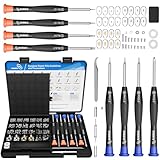
Yes, you can buy universal screw kits for glasses, and they are relatively inexpensive. These kits usually contain a variety of tiny screws, nuts, and a small screwdriver. They are a good thing to have on hand for when a screw genuinely loosens or falls out. However, they aren’t always the immediate solution if your glasses break unexpectedly when you don’t have the kit with you. They are excellent for preventative maintenance and for when you have time to perform a proper repair.
Verdict
So, there you have it. While nothing beats a proper screw replacement from your local optician, you’re not completely helpless when one goes missing. You can, in fact, fix your glasses without screws in a pinch.
From paperclips to dental floss, a little ingenuity can go a long way. Just remember that these are temporary bandages for your eyewear. They’re meant to get you through until you can get to a professional. Don’t be the person who wears a tape-covered mess for months on end; it’s usually not worth the hassle or the aesthetics.
Your best bet is always to head to an eyewear shop. They deal with this exact problem all the time and can usually get you sorted with the right tiny screw in minutes, for little to no cost. But for that moment when you absolutely need to see clearly RIGHT NOW, you’ve got a few tricks up your sleeve.
![AXTH 25-in-1 Small Precision Screwdriver Set, Professional Magnetic Mini Repair Tool Kit for Phone, Computer, Watch, Laptop, Macbook, Ring Doorbell, Eyeglass, Electronic, [Bearing Steel] Screw Driver](https://m.media-amazon.com/images/I/518YlLmPTcL._SL160_.jpg)
