
You know the drill. You’ve got a dusty old PC you’re finally upgrading, or maybe you’re just tidying up inside a gaming rig. You reach for your screwdriver, find the right bit, and… nothing. The screw just spins. Or worse, it’s stripped. That feeling of helpless frustration? I’ve been there, more times than I care to admit.
It’s a common problem, and frankly, most of the advice out there is either too basic or overly complicated. But how do you get a computer screw out when it’s decided to become one with the chassis? Let’s cut the fluff and get down to what actually works.
When the Tiny Screws Fight Back: My First Stripped Screw Saga
I remember the first time it happened. I was building my very first custom PC, a beast of a machine that cost more than my car at the time.
I was painstakingly installing the motherboard, and one of the tiny little screws that hold it down just… wouldn’t budge. I tried a different screwdriver, put more pressure on it, wiggled it around.
Suddenly, I heard that sickening zzzzzz sound – the sound of metal giving way. The head of that perfectly good Phillips screw was now a smooth, rounded nub. Panic set in. This wasn’t just any screw; it was holding my shiny new motherboard in place.
I spent about two hours that day, freaking out, trying to pry it out with a butter knife (don’t ask) and contemplating just leaving it there and hoping for the best. Spoiler alert: leaving it there is a terrible idea.
That screw eventually came out, but it involved a lot of swearing, some bent metal, and a deep-seated fear of Phillips head screws. It taught me a valuable lesson: you need the right tools and techniques before you get into this mess. (See Also: How To Fix Eyeglasses Arm Without Screw )
The Wrong Bits, the Wrong Pressure: Common Screw Head Nightmares
Let’s be honest, most computer screws aren’t exactly high-quality steel. They’re often made from softer metals, which makes them prone to stripping. And we’ve all been guilty of grabbing the wrong screwdriver bit. You think it’s a Phillips, but it’s actually a JIS (Japanese Industrial Standard) screw head. They look similar, but the JIS has a slightly different angle and a smaller cross. Using a Phillips bit on a JIS screw is a surefire way to round it out. It’s like trying to hammer a nail with a wrench – it’s just not the right tool for the job.
Another big one is putting too much torque on a small screw. You’re trying to get it snug, maybe even overtightened it thinking ‘tight is good,’ and you’ve basically welded it into place by deforming the screw head. Or, you’re not pressing down hard enough, and the bit keeps slipping, gradually shaving away the edges of the screw head. It’s a slow, painful death for that screw.
Then there’s the gunk. Over time, dust and grime can get into screw heads, making it harder for the bit to get a good grip. Sometimes, it’s not even the screw itself that’s the problem, but the thread is cross-threaded into the standoff or the case. This is where brute force, or the wrong kind of brute force, will just make things worse. You might think, ‘I just need to apply more force,’ but if the force isn’t applied correctly, you’re just digging yourself a deeper hole. I’ve seen people try to drill out computer screws with regular drill bits and end up damaging the motherboard or the case. It’s usually overkill and often causes more problems than it solves.
When All Else Fails: The Best Gear for Stubborn Screws
Okay, so the screw is stripped, or it’s just plain stuck. What do you do? Forget the superglue trick or the rubber band hack for computer screws. Those are usually for bigger, beefier screws you find in furniture or car parts. For tiny electronics screws, you need precision.
My go-to for a moderately stripped screw is a screw extractor kit. These aren’t the massive ones for construction. You need a set designed for small electronics. They usually come with a drill bit on one end and a reverse-threaded extractor on the other. You drill a small pilot hole into the center of the stripped screw head, then flip the bit and use the extractor to back the screw out. It sounds simple, and it works most of the time. Make sure you get a kit with a fine enough point for computer screws. I picked up a set from iFixit a few years back for about $25, and it’s saved me countless headaches.
| Tool | Best For | Verdict |
|---|---|---|
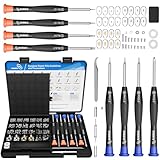
| Precision Screwdriver Set | General PC building, lightly stripped screws, correct JIS/Phillips types. | Absolute must-have. Don’t skimp here. Get one with magnetic tips. |
| Electronics Screw Extractor Kit | Moderately to severely stripped screw heads, screws that spin freely. | Lifesaver for stripped screws. Requires a steady hand and the right size. |
| Needle-Nose Pliers | Screws with enough exposed head to grip, or to hold a nut while turning a bolt (less common in PCs). | Useful for gripping the outside of a screw head if it’s sticking up enough. |
| Patience (and a good light source) | All situations, especially when things go wrong. | Honestly, this is the most important tool. Rushing causes mistakes. |
If the screw head is completely gone, or the extractor isn’t biting, you might need to get more aggressive. Sometimes, carefully using a Dremel tool with a tiny cutting wheel to create a new slot for a flathead screwdriver can work. But I’m talking tiny cutting wheel, and extreme caution. You do NOT want to cut into your motherboard or case. This is a last resort, and frankly, it’s how I ruined my first expensive motherboard trying to get a stupid fan screw out. It took me about an hour of careful grinding, wearing safety glasses (another a must), and I barely succeeded. That screw cost me a $200 motherboard and a lot of stress. (See Also: How Measure Metric Computer Screws )
The Rubber Band and Super Glue Myth: Why It’s Usually a Bad Idea for Pcs
I see this advice everywhere online, and it drives me nuts. “Just put a rubber band over the screw head and use your screwdriver!” Or, “Put a bit of super glue on the bit and stick it to the screw!” For a big, rusty bolt on an old garden shed? Maybe. For the tiny, delicate screws inside your computer? Absolutely not. These hacks are messy, and they often make things worse. Super glue can permanently bond your screwdriver to the screw, or worse, to the surrounding components. That $20 screwdriver is now junk, and you’ve probably got glue all over your pristine motherboard.
The rubber band trick relies on filling the stripped-out divots with rubber to give the screwdriver something to grip. While it sometimes works on larger screws with softer metal, computer screws are usually too small and too hard for this to be effective.
The rubber band just gets shredded, or the screwdriver slips right through it, further damaging the screw head. You’re much better off investing in a proper screw extractor kit designed for electronics. It’s a small investment for a tool that will actually work and won’t risk damaging your valuable hardware.
I once saw a guy try the rubber band trick on a laptop hinge screw. He ended up ripping the entire hinge mount off the chassis. It was a disaster.
What to Look for: The Right Tools Make All the Difference
When you’re dealing with computer screws, size and type matter. Most internal computer screws are small Phillips head, but you’ll also encounter Torx (star-shaped), and sometimes even hex screws. Make sure your screwdriver set covers these. Precision is key here. You’re not building a deck; you’re working with delicate electronics. A good set of precision screwdrivers, like the ones from Wiha or iFixit, will have interchangeable bits that fit snugly into the screw heads. Look for magnetic tips – this is a big deal. It helps you keep track of tiny screws and prevents them from falling into the abyss of your PC case.
For those particularly stubborn or stripped screws, as mentioned, a small screw extractor kit is your best friend. Look for kits specifically marketed for electronics or model making. They should have very fine tips. I paid around $18 for my current set, which came with about a dozen different size bits. It’s not a huge outlay, and it’s paid for itself many times over in terms of saved time and avoided frustration. (See Also: How To Adjust Eyeglass Screw )
When buying tools, especially for electronics, don’t go for the absolute cheapest option you can find. The cheap sets often have poorly machined bits that will strip screws more easily, and their handles might be uncomfortable or offer poor grip. A good set might cost you $30-$50, but it will last you for years and make your life so much easier. Think about it: how much is your time and the potential cost of damaging your computer components worth? Usually, a little more upfront for quality tools saves you a lot down the line.
Faq: Tackling Those Pesky Computer Screws
What’s the Most Common Reason a Computer Screw Gets Stuck?
The most common reasons are using the wrong screwdriver bit, applying too much or too little pressure, and over-tightening. Over time, dirt and grime can also make screws harder to remove, and sometimes the threads themselves can become cross-threaded or damaged.
Can I Use a Regular Screwdriver for Computer Screws?
You can use a precision screwdriver that matches the screw head type and size. Regular, larger screwdrivers are usually too big and don’t offer the fine control needed for tiny computer screws, increasing the risk of stripping the head.
How Do I Know If I Have a Stripped Screw?
A stripped screw is one where the indentations (like the cross of a Phillips head) are rounded out or damaged, so the screwdriver can no longer get a firm grip to turn it. When you try to turn it, the screwdriver just spins freely inside the damaged head.
Is It Safe to Use Heat on Computer Screws?
Generally, no. Applying heat to computer components can easily damage them, including the motherboard, RAM, and even the case materials. It’s far too risky for small electronic screws and should be avoided at all costs.
Conclusion
So, the next time you’re wrestling with a screw that refuses to budge, don’t panic and don’t resort to desperate hacks. Take a breath, assess the situation, and grab the right tool. For a moderately stripped screw, a quality electronics screw extractor kit is your best bet. If the head is just slightly rounded, a good precision screwdriver with a magnetic tip might still do the trick.
Remember, patience is your most valuable tool. Rushing will only lead to more stripped screws or damaged components. It’s better to spend an extra ten minutes carefully working on a stuck screw than to spend hours or hundreds of dollars fixing a mistake. Learning how do you get a computer screw out properly is a skill that will serve you well in countless DIY tech projects.
Always have a decent set of precision screwdrivers and a small extractor kit on hand. It’s a small investment that pays dividends in frustration saved and hardware preserved.
![AXTH 25-in-1 Small Precision Screwdriver Set, Professional Magnetic Mini Repair Tool Kit for Phone, Computer, Watch, Laptop, Macbook, Ring Doorbell, Eyeglass, Electronic, [Bearing Steel] Screw Driver](https://m.media-amazon.com/images/I/518YlLmPTcL._SL160_.jpg)
