
My favorite pair of aviators. Gone. Not gone forever, mind you, but rendered useless because a tiny little screw decided to stage a jailbreak. It was a Tuesday. The sun was shining. And I had an important meeting. You know that feeling? That sinking dread when something so small can bring you to your knees? That’s how I felt. I remember thinking, ‘How much does it cost to replace a glasses screw?’ It felt like it should be pennies, but I was about to find out it’s a bit more complicated than that.
Look, I’ve spent years tinkering with everything from power drills to delicate watch movements. I’ve seen cheap tools fail spectacularly and expensive ones become invaluable. Glasses screws? They fall into that category of ‘you don’t think about them until they’re gone.’ And when they’re gone, they become an absolute nuisance.
This isn’t rocket science, but it’s also not always as simple as a quick trip to the corner store. Let’s get real about what you’re up against and how much it’ll actually set you back.
The Naked Truth About Those Tiny Screws
Let’s cut to the chase. You lose a glasses screw. It happens.
Maybe it vibrated loose, maybe you were a bit too rough putting them in your pocket, or maybe it just decided to go on an adventure. Whatever the reason, you’re now staring at a wobbly arm or a lens that’s threatening to take a dive. So, how much does it cost to replace a glasses screw? The simplest answer, if you do it yourself with a cheap kit, is probably under $10.
But that’s not the whole story, is it? If you’re heading to an optician or a specialty shop, you’re looking at a range, and we’ll get to those numbers, but first, let’s talk about why these things are so fiddly.
These aren’t your grandpa’s eyeglasses with chunky, visible screws. Modern eyewear, especially designer stuff, uses incredibly small, often specialized screws. They’re tiny, often made of specific alloys to resist corrosion, and their heads can be intricate to match the frame’s aesthetic. Think of a screw head that’s almost flush, with a minuscule Phillips or even a proprietary notch.
Trying to get a grip on one of these with a standard screwdriver is like trying to thread a needle in a hurricane. I learned this the hard way trying to fix my buddy Dave’s titanium frames. I thought I was Mr.
Fix-It with my precision toolkit. Turns out, I just stripped the head even worse and ended up costing him more in the long run. Lesson learned: sometimes, knowing when not to DIY is the smartest move.
The materials matter too. Are they stainless steel? Titanium? Some proprietary metal blend? This affects not only the cost of the screw itself but also the tools needed to handle it. Cheap frames might use more basic screws, but higher-end ones often have specific requirements. And then there’s the ‘lost’ screw. Sometimes, it’s not just lost; it’s broken off inside the hinge mechanism. That’s a whole other ballgame, involving drilling or specialized extraction, which definitely ups the ante on cost and complexity. It’s these little details that can turn a simple fix into a frustrating ordeal.
The size is also a huge factor. We’re talking millimeters, often fractions of a millimeter. If you buy a generic kit, you might get a dozen different sizes, but finding the exact match can be a crapshoot. The wrong size screw can damage the threads, make the hinge too tight, or too loose, or even stick out awkwardly. It’s a delicate balance, and getting it wrong is surprisingly easy. I’ve seen people try to jam a slightly too-large screw into a delicate hinge, thinking ‘it’ll fit.’ It never does, not without causing damage that’s far more expensive to fix than the original screw would have been.
DIY vs. The Professionals: Who Wins the Screw War?
Alright, so you’ve got the wobbly glasses situation. Your first instinct, like mine, might be to grab a screwdriver and dive in. And hey, for some people and some glasses, this works.
But let’s be honest about the DIY route. You can buy a micro-screwdriver kit online or at a hardware store for anywhere from $5 to $20. These kits usually come with a variety of tiny Phillips, flathead, and sometimes Torx bits.
They’re great for general tinkering, but for glasses, they can be hit or miss. The biggest issue I’ve found is the quality of the bits.
Cheap ones can be soft and easily strip the head of that minuscule glasses screw. You’re not just replacing the screw; you might be mangling the frame’s hinge in the process. I spent a good hour once trying to replace a screw on a pair of my daughter’s reading glasses. (See Also: Do Asus Laptop Ssd Need To Be Screwed Down )
By the time I was done, the screw was in, but the hinge felt gritty and loose, like it was on its last legs. I definitely overpaid in frustration and time.
Then there’s the actual replacement screw. Many kits come with a handful of generic screws. Finding the exact thread count and length is important. Too long, and it’ll poke out, snagging on your hair or clothes. Too short, and it won’t secure the arm properly. And the head? It needs to sit flush. A protruding screw head is not just annoying; it’s a sign of a job done poorly and can even cause discomfort when you wear the glasses.
On the flip side, you have the professionals – opticians, optometrists’ offices, or dedicated eyewear repair shops. This is where the real cost comes in, but often, it’s worth it for peace of mind and a proper fix. Most optical shops will replace a single screw for free or a very nominal fee, especially if you bought the glasses from them.
I’ve walked into my local optometrist’s with a dropped screw, and they’ve fixed it in under two minutes while I was still browsing their sunglasses display. It was genuinely surprising and a great customer service win. They have specialized tools, a huge inventory of replacement screws specific to the brands they carry, and the expertise to do it right the first time.
If you didn’t buy the glasses from them, or if they don’t carry that brand, they might still help, but there could be a small charge. This charge usually ranges from $10 to $30 for a single screw replacement. Why the range? It depends on the shop, the complexity of the frame, and whether they have to source a specific screw. If the hinge itself is damaged or the screw post is stripped, that’s a more involved repair, and the cost can jump significantly, potentially into the $50-$100+ range, or they might declare the frame unfixable. For a simple lost screw, though, a professional fix is often quick, clean, and surprisingly affordable.
What to Look for in a Replacement Screw Kit (if You Must Diy)
If you’re stubborn, determined, or just don’t have an optician nearby, and you’re going the DIY route, you need to be smart about it. Don’t just grab the cheapest, most generic kit you can find. My first mistake was buying a massive, multi-compartment box of ‘universal’ screws. It looked like a good deal, but finding the right one was like searching for a specific grain of sand on a beach. You need specificity. Look for kits that are actually marketed for eyeglasses or fine electronics. These tend to have more accurately sized screws and better-quality bits.
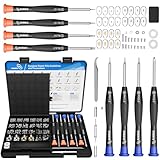
A good kit will include a variety of screw lengths and head types commonly found in eyewear. Think small Phillips heads, sometimes tiny flatheads, and maybe even some with a slight dome. The key is variety and precision. Some kits even come with a little ruler or a diagram to help you measure your lost screw or the screw hole. This is gold. Without a way to measure, you’re guessing. A good kit should also have a decent pair of tweezers for handling these minuscule parts and a small polishing cloth. You’d be surprised how much a tiny smudge on a new screw can affect how it sits.
I remember one particular kit I bought after the Dave incident. It cost about $15, but it came with a proper, hardened steel driver set and a surprisingly complete selection of screws, sorted by size and type in tiny, labeled compartments. It even had a small magnifying glass attached to the case.
That kit made replacing a screw on my wife’s reading glasses a breeze. It took me maybe five minutes, and the arm felt as solid as new. The key was having the right tools and a good selection.
The ‘real use’ of such a kit is to solve that immediate crisis without causing further damage. If you’re constantly losing screws or your glasses are falling apart, maybe it’s time to look at a sturdier pair of frames, but for occasional fixes, a quality kit is a lifesaver.
Here’s a quick breakdown of what to prioritize if you’re buying a DIY kit:
| Feature | Why It Matters | My Verdict |
|---|---|---|
| High-Quality Bits (Hardened Steel) | Prevents stripping screw heads and frame threads. Important for delicate work. | Must-have. Don’t skimp here. |
| Variety of Screw Sizes & Types | Exact match is key for fit and function. Generic ‘one-size-fits-all’ won’t work. | Key. Look for labeled compartments. |
| Included Tweezers & Magnifier | Handling tiny parts and inspecting screw heads requires precision tools. | Very helpful, makes the job much easier. |
| Storage Case with Compartments | Keeps screws organized and prevents loss of even tinier parts. | Highly recommended for sanity. |
So, if you’re going DIY, aim for a kit that looks like it was made for precision, not just for general household repairs. The initial investment might be slightly higher, but it’ll save you a lot of grief.
When the Screw Is Just the Tip of the Iceberg
We’re talking about how much does it cost to replace a glasses screw, but sometimes, the screw isn’t the only problem. I learned this when my uncle, a carpenter with hands like catcher’s mitts, tried to ‘fix’ his reading glasses. He lost a screw, and instead of taking them to an optician, he grabbed some super glue and a toothpick. The result? The arm was stuck at a weird angle, and the lens was permanently smudged. The ‘fix’ cost him a new pair of glasses. That’s the extreme, but subtler damage happens all the time.
A stripped screw head is a classic. You try to tighten it, and the screwdriver just spins. Now you can’t get the screw out, and you can’t tighten it. Often, the only way to remove a stripped screw from eyewear is by carefully drilling it out, which requires specialized micro-drills and a very steady hand. This is definitely a job for a professional, and it will cost more than a simple screw replacement. Think $30-$60 or more, depending on the shop and the damage. (See Also: How Many Screws Does An Iphone Have )
Another common issue is a damaged hinge. The screw might be fine, but the actual hinge mechanism – the part that connects the arm to the frame – can get bent, worn out, or even break. This can happen from overtightening a screw, dropping the glasses, or just general wear and tear. If the hinge is damaged, replacing the screw won’t help. The hinge might need to be repaired or, more likely, the entire frame might need to be replaced. This is where the cost can skyrocket from a few dollars for a screw to hundreds for new frames.
The post where the screw threads into can also become stripped or damaged. This is more common in plastic frames, but metal frames aren’t immune.
If the threads are gone, the screw won’t stay in place. Sometimes, a slightly larger screw can be used, but this is a risky maneuver that can weaken the frame. Other times, a specialized repair might be needed, like applying epoxy or using a thread-repair insert. Again, this moves beyond a simple screw replacement and into more complex, costly repairs.
I once saw an optician use a tiny amount of jeweler’s epoxy to rebuild the threads on a metal frame. It looked like magic, but it took him nearly half an hour and cost me $40.
Worth it, considering the alternative was ditching $300 frames.
So, before you assume it’s just a lost screw, take a close look at the hinge and the screw post. If there’s any sign of bending, cracking, or wear, the repair cost will be higher than the simple screw replacement price you’re hoping for. It’s always best to get a professional opinion if you suspect more than just a missing screw.
How to Prevent Losing Glasses Screws
Prevention is always better, right? You can cut down on the chances of losing those tiny devils. First, get a good quality glasses case.
Not a flimsy pouch, but a sturdy, hard-shell case. Store your glasses in it whenever you’re not wearing them. Second, be mindful of where you place your glasses. Don’t toss them on a table, leave them in your car where temperature changes can stress the frames, or shove them into a bag with keys and other hard objects.
Third, periodically check the screws on your glasses. A tiny drop of clear nail polish or a specialized thread locker (use sparingly!)
can help keep screws from vibrating loose. I do this every few months, especially on my everyday pair, and it’s saved me a lot of headaches.
Cost Breakdown: What You’ll Actually Pay
Let’s get down to brass tacks. You’re wondering, ‘how much does it cost to replace a glasses screw?’ Here’s a realistic breakdown, moving from the cheapest DIY to professional repairs:
- DIY with a Generic Kit:
Cost: $5 – $20. This is the lowest upfront cost if you buy a multi-piece micro-screwdriver set. However, the risk of damage is high, and you might end up needing a professional fix anyway. The ‘true’ cost might be higher if you factor in potential damage.
- DIY with a Quality Eyewear Kit:
Cost: $15 – $40. A well-made kit specifically for eyewear, with hardened steel bits and a good selection of screws, offers a much better chance of success. This is a decent option if you’re handy and want the tools for future use. It includes the cost of the kit, but the repair itself is ‘free’ beyond your time.
- Free Replacement at Optical Shop (Purchase Location):
Cost: $0. If you bought your glasses from a specific optician, many will replace a lost screw for free as a courtesy. This is the best-case scenario. Expect this to take a few minutes. (See Also: How To Avoid Stripping Screws Iphone )
- Paid Replacement at Optical Shop (General):
Cost: $10 – $30. If you didn’t buy the glasses there, or if it’s a brand they don’t typically carry, they might charge a small fee. This is for a straightforward screw replacement with their own stock. It’s fast, professional, and usually includes checking the fit.
- Specialized Eyewear Repair Shop:
Cost: $20 – $50+. For very specific or high-end frames, or if the repair is slightly more involved (like a damaged screw post), a dedicated repair shop might be necessary. They have the expertise and parts for a wider range of brands.
- Hinge/Post Repair:
Cost: $30 – $100+. If the issue goes beyond a simple lost screw and involves a bent or broken hinge, or a stripped screw post, the cost increases significantly. This is a more complex repair.
So, while the screw itself is worth practically nothing, the service and expertise to replace it correctly can range from nothing to over a hundred dollars, depending on the circumstances and the extent of any damage. The average cost for a simple, professional screw replacement is likely in the $10-$30 range.
People Also Ask
Can I Use Super Glue to Fix My Glasses Screw?
Using super glue to fix a glasses screw is generally a terrible idea. Super glue is permanent and brittle, and it can permanently bond parts of your glasses that shouldn’t be stuck together. You risk gluing the hinge shut, damaging the frame material, or getting glue on the lenses. While it might seem like a quick fix in a pinch, it almost always creates a bigger, more expensive problem. It’s far better to use a proper repair kit or visit an optician.
What Kind of Screwdriver Do I Need for Glasses?
You need a set of micro-precision screwdrivers. These are specifically designed for tiny screws found in electronics, watches, and eyeglasses. They typically come with interchangeable bits like Phillips (cross-head), flathead (slotted), and sometimes Torx (star-shaped) in very small sizes, often measured in millimeters. Look for sets with hardened steel bits to prevent stripping the delicate screw heads on your glasses.
How Do I Stop My Glasses Screws From Falling Out?
To prevent glasses screws from falling out, you can use a tiny amount of clear nail polish or a specialized thread-locking fluid (like Loctite Blue, but only a minuscule drop) on the threads before tightening. Periodically check your glasses and tighten any loose screws with the appropriate micro-screwdriver. Storing your glasses in a protective case when not in use also helps prevent them from getting knocked around and loosening screws.
Can an Optometrist Fix a Loose Screw in My Glasses for Free?
Many optometrists and optical shops will replace a loose or lost screw in your glasses for free, especially if you purchased the glasses from them. It’s a common and quick service they offer as a courtesy. However, if you didn’t buy the glasses there, or if the repair is more complex than a simple screw replacement (e.g., damaged hinge), they may charge a small fee. It’s always worth asking!
What If the Screw Hole on My Glasses Is Stripped?
If the screw hole on your glasses is stripped, it means the threads are damaged and the screw won’t hold. This is a more complex repair than a simple screw replacement. Sometimes, a slightly larger screw can be carefully fitted, or a professional might use epoxy or a specialized thread-repair insert. In many cases, especially with plastic frames, a stripped screw hole can mean the frame is irreparable, or requires a significant repair cost that might exceed the value of the glasses.
The Final Word on Tiny Screws and Big Costs
So, we’ve circled back to that pesky little screw. It’s astonishing how something so minuscule can cause so much frustration and, potentially, cost. The truth is, how much does it cost to replace a glasses screw depends heavily on your approach.
You can gamble with a cheap DIY kit and potentially make things worse, or you can rely on the expertise and tools of a professional. For a simple, lost screw, a quick trip to your local optician is often the most cost-effective and stress-free solution, usually costing between $10 and $30, and sometimes even free. If you’re determined to go the DIY route, invest in a quality micro-screwdriver kit specifically designed for eyewear. Avoid the temptation of super glue at all costs!
Ultimately, the value of your glasses plays a big role. If you’ve got a pair of $5 reading glasses, messing around with a DIY kit might be fine. If you’ve got $500 designer frames, you’re probably better off paying the professional fee to make sure the repair is done perfectly. My own experiences, from stripping heads to botched glue jobs, have taught me that sometimes, the cheapest option upfront ends up being the most expensive in the long run. Learn from my mistakes, and get those glasses fixed properly.
Verdict
Losing a glasses screw is a minor disaster, but it doesn’t have to be a major expense. While the screw itself is practically worthless, the cost to replace it professionally is surprisingly reasonable for most situations. Expect to pay anywhere from $0 if you’re lucky and bought your glasses from them, to around $10-$30 for a quick fix at an optical shop. If you’re tempted by the DIY route, remember that quality tools and the right screws are most important – a cheap kit can cost you more in the long run through damage.
Don’t let a tiny piece of metal ruin your vision or your day. A little bit of research into how much it costs to replace a glasses screw will save you time and money. For most people, a quick visit to an optometrist or optician is the fastest, cheapest, and most reliable way to get your glasses back in working order. It’s usually a matter of minutes, not hours, and the peace of mind is well worth the small fee, if any.
So next time you find yourself staring at a wobbly arm, don’t panic. Take a deep breath, assess the situation, and know your options. Chances are, a simple, affordable solution is just a short trip away. Your eyes will thank you.
![AXTH 25-in-1 Small Precision Screwdriver Set, Professional Magnetic Mini Repair Tool Kit for Phone, Computer, Watch, Laptop, Macbook, Ring Doorbell, Eyeglass, Electronic, [Bearing Steel] Screw Driver](https://m.media-amazon.com/images/I/518YlLmPTcL._SL160_.jpg)
