
I remember the first time I tried to close a screw-back watch after changing the battery. It was a cheap digital thing, but I was convinced I’d broken it. The little metal ring that’s supposed to seal the deal just wouldn’t seat properly. I ended up taking it to a jeweler who charged me five bucks and did it in about thirty seconds. That’s when I decided I needed to figure out how to close a screw back watch myself, and save myself the hassle and the cash.
Most people think it’s complicated, or that you need a whole workbench full of fancy gear. Honestly, a lot of it is just common sense and having the right tiny tools. You don’t need to be a watchmaker with a magnifying loupe glued to your eye.
The Tiny Screw Back Watch Mystery Solved
Alright, let’s get down to brass tacks. You’ve popped open that screw-back watch case – maybe to swap out a dead battery, maybe to clean a bit of dust that’s somehow gotten in.
Now you’re staring at two pieces of metal and a gasket, wondering how the heck they’re supposed to go back together securely. The trick to how to close a screw back watch isn’t about brute force; it’s about alignment and a gentle, even pressure. Most screw-back cases have a series of small notches or slots around the edge of the case back that correspond with little ridges on the bezel or the watch case itself.
When you’re putting it back on, you’re basically screwing these two parts together, using those notches and ridges as guides to make sure a proper, watertight seal.
The gasket, that little rubber or plastic O-ring, is your best friend here. It sits in a groove, usually on the case back or the watch case. Its job is to compress when the case back is screwed down, creating a barrier against dust and water.
If this gasket is out of place, dry, or damaged, you’re asking for trouble. I once tried to close a decent diver’s watch after changing the battery myself, and I thought I’d done a bang-up job. Turns out, the gasket had slipped slightly.
Two weeks later, I was swimming with it (stupid, I know, but I trusted my work!) and ended up with a foggy mess inside. Lesson learned: that gasket needs to be perfectly seated and in good condition.
It’s not just a piece of rubber; it’s the seal of integrity for your watch.
The actual screwing action isn’t like tightening a regular screw. It’s more of a continuous rotation where the case back threads engage with the case.
You’ll feel it start to tighten, and you need to apply steady pressure. The common advice you’ll find online is to just ‘screw it back on’.
While technically true, it lacks the nuance. The real trick is to feel for the threads to catch correctly. If you force it, you risk cross-threading, which is like stripping the threads on a bolt – a real headache to fix and often means a new case or case back is needed. I’ve definitely felt that sickening ‘give’ when threads don’t catch, and it’s a moment of pure panic.
Thankfully, with screw-back watches, you usually have a few tries before you do permanent damage, unlike some other watch closures.
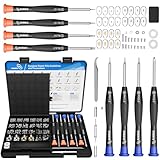
The tools you’ll need are minimal for most common watches. A small, flat-head jeweler’s screwdriver (or a set with various tiny sizes) is key for the initial opening and sometimes for gently nudging the gasket. For closing, you’ll ideally want a watch case press. Now, before you picture some industrial machine, these are small, relatively inexpensive benchtop tools. They have interchangeable dies that fit over the watch and case back. You push down on a lever, and it applies even pressure all around the case back, helping it seat and screw down correctly. It’s far superior to trying to just push and turn with your hands, which often leads to uneven pressure and those dreaded cross-threads.
People often ask if they can just use their hands to close a screw-back watch. For some larger, less precise screw-backs, you might get lucky, but it’s rarely a clean, secure fit. The pressure won’t be even, and you’re more likely to end up with a slightly loose case back or, worse, damage to the threads. The case press is the real deal if you want a professional, secure closure every single time. It takes the guesswork out and makes sure that gasket does its job.
What to Look for Before You Screw It Back On
Before you even think about closing that screw back watch, a thorough inspection is in order. This isn’t the time to rush.
Grab your trusty magnifying glass – or even just good light and a steady hand – and examine everything. First, the case back itself.
Look for any dents, burrs, or damage around the threaded edge. If the threads are mangled, no amount of careful screwing is going to fix it. You’ll need a new case back, which can be a pain to source depending on the watch model. I had a vintage Timex where the case back was slightly deformed from a previous attempt at battery change.
It looked okay on the surface, but the threads were subtly bent, and it just wouldn’t screw down properly. I ended up having to find a replacement from a donor watch. (See Also: How To Fix Eyeglasses Arm Without Screw )
Next, the watch case where the case back screws in. Give that threaded area a good once-over. Are there any signs of cross-threading from previous attempts? Tiny metal shavings?
Any debris stuck in the threads? A small, soft brush (like a toothbrush you’ve dedicated to this purpose) or a blast of compressed air can help clear out any gunk. Honestly, just blowing on it with your mouth can sometimes dislodge loose dust, but compressed air is better for getting into those tight spots.
If you see any damage here, it’s a red flag. Forcing a damaged thread is like trying to push a square peg into a round hole, and it will almost certainly lead to stripping the threads on either the case back or the case itself.
Once that happens, you’re in for a much bigger repair job, or potentially an unfixable watch.
Now, the star of the show: the gasket. This little rubber ring is the unsung hero of water resistance and dust protection.
Take it out carefully. Inspect it for any signs of drying, cracking, or nicks. If it looks brittle or has any flat spots, it’s time for a replacement.
Trying to reuse an old, degraded gasket is asking for leaks. They’re cheap to buy, and you can often find them online in assortments for different watch sizes.
A good gasket should be pliable and smooth. When you’re ready to put it back, make sure it’s sitting perfectly flat in its groove. There should be no bulges, no twists, and no gaps. I like to use a tiny bit of silicone grease specifically designed for watch gaskets.
It helps the gasket seat properly and protects it from drying out, extending its life. Just a tiny dab is all you need; too much will attract dirt and can even affect the seal.
Finally, before you try to close it, position the case back correctly. Many screw-back cases have a small notch or a specific orientation that needs to line up with a corresponding lug or marking on the watch case. If you try to screw it down when it’s even slightly misaligned, you’re asking for trouble.
Look closely at both parts. Sometimes there’s a tiny arrow on the case back pointing to where it should start, or a subtle ridge on the case that the case back’s corresponding feature fits into.
Getting this initial alignment right is probably 80% of the battle in how to close a screw back watch successfully. It’s like starting a jar lid – if it doesn’t feel right from the first turn, back it off and try again.
Common Mistakes That Ruin a Perfectly Good Watch Back
Let’s talk about the screw-ups. Because, oh boy, have I seen them, and I’ve made a few myself. The biggest mistake, hands down, is forcing it.
You’ve got the case back, you’ve got the watch, and you’re trying to screw them together. It doesn’t feel right. Instead of stopping and reassessing, you crank on it. This is how you strip threads, crack case backs, and generally make a mess of things.
The threads on a watch case back are usually quite fine. They need to engage smoothly.
If you feel resistance early on, it’s a sign that either the gasket is pinched, the case back isn’t aligned, or the threads themselves are damaged. Stop. Back it off. Try again.
Patience is key when learning how to close a screw back watch.
Another huge no-no is ignoring the gasket. As I mentioned, this little rubber ring is important. People often lose them, forget to put them back, or try to reuse a dried-out, cracked one. This is a recipe for disaster, especially if the watch has any water resistance rating. (See Also: How Measure Metric Computer Screws )
Even if you don’t plan on swimming with it, a missing or compromised gasket lets in dust, lint, and moisture from the air, which can corrode the movement over time. I once had a friend “fix” his watch by just leaving the gasket off because he couldn’t find it. He asked me why it kept fogging up. Need I say more?
You can buy replacement gaskets online for a few dollars. It’s a small price to pay for the integrity of your watch.
Then there’s the issue of using the wrong tools. Trying to tighten a screw-back case with pliers?
Forget it. You’ll scratch the metal, potentially crush the case, and you won’t get even pressure. While I don’t always use a dedicated watch case press for every single watch (especially cheaper ones where a firm hand grip on the case and a gentle turn of the back can work), if you’re doing this regularly or on more valuable pieces, a press is a worthwhile investment. It applies even pressure around the entire circumference of the case back, which is what’s needed to seat the threads properly and compress the gasket evenly.
Trying to do it with just your hands or a single point of pressure from a tool is asking for trouble and uneven sealing.
What about the alignment issue? I’ve seen people try to force a case back on that’s clearly not lining up.
They’ll get a few threads to catch, but it’s at an angle. This is a classic sign of cross-threading waiting to happen. Always take a moment to visually inspect the case back and the case.
Line them up. Then, with the case back sitting on top, gently rotate it counter-clockwise until you feel a tiny ‘click’ or ‘give.’
That’s the threads disengaging. Now, rotate clockwise.
You should feel the threads smoothly engage. If you don’t feel that initial ‘click’ going counter-clockwise, or if it feels stiff going clockwise, stop and realign. This simple trick is gold for how to close a screw back watch without damaging it.
Common Screw Back Watch Closure Mistakes
Forcing the Case Back: Applying excessive pressure when threads don’t align smoothly. This is the most common way to strip threads.
Ignoring the Gasket: Not replacing old, brittle gaskets, or failing to seat it properly. This compromises water resistance and dust protection.
Using Incorrect Tools: Employing pliers, excessive force with screwdrivers, or not using a case press when needed. This leads to scratches and uneven closure.
Misalignment: Attempting to screw the case back on when it’s not properly oriented with the case threads. This causes cross-threading and potential damage.
Real-World Application: Closing Your Watch Case
So, you’ve got your battery replaced, your gasket inspected and greased, and you’re ready for the final step: how to close a screw back watch. For this, I’m going to advocate for the watch case press, even if it feels like overkill for a simple battery change. I picked up a decent one online for about $35 a few years back, and it’s paid for itself probably ten times over in saved trips to the watch repair shop. It comes with a variety of plastic dies that fit over the watch and the case back, making sure you don’t scratch the crystal or the case while applying pressure.
Here’s the process:
- Select the Right Dies: Choose a die for the top of your watch that fits snugly without pressing on the crystal. Select a larger die for the bottom that will support the case back.
- Position the Watch: Place your watch, face up, into the appropriate die on the press.
- Align the Case Back: Carefully place the case back onto the watch case, making sure it’s correctly aligned with the threads. Gently rotate it a tiny bit counter-clockwise to find the starting point for the threads.
- Lower the Lever: Bring the top die down over the case back.
- Apply Even Pressure: Slowly and steadily push down the lever on the case press. You’ll feel resistance as the threads engage and the case back starts to screw down. Keep applying pressure until the case back is flush with the watch case.
- Check the Fit: Release the lever. The case back should be securely closed and flush with the case. Gently try to unscrew it to make sure it’s properly seated.
If you don’t have a case press, and you’re dealing with a watch that doesn’t require significant water resistance (e.g., a basic fashion watch), you can try this method carefully:
First, make sure the gasket is perfectly seated and lightly greased. Align the case back carefully. Then, place the watch on a soft, stable surface like a folded towel. Hold the watch case firmly with one hand. (See Also: How To Adjust Eyeglass Screw )
With the other hand, place your thumb on the edge of the case back and apply steady, even downward pressure while slowly rotating the case back clockwise. You want to feel the threads catching and engaging smoothly. Don’t twist too hard initially; just let the weight of your hand and the turning motion do the work. If you feel any binding or resistance, stop, back it off, and try realigning.
This method takes practice and a delicate touch. I’ve seen people use their thumbs, their palms, even the flat of a wooden block wrapped in cloth to apply pressure.
The key is evenness and control.
It’s worth noting that some very high-end or specialized watches might have specific closure mechanisms or require specialized tools that a generic case press won’t handle. For those, it’s always best to consult the manufacturer’s instructions or take it to a qualified watchmaker. My own experience is primarily with standard quartz and some simpler automatic movements, where these methods generally apply.
Tools of the Trade: What You Actually Need
Let’s cut through the noise. When it comes to closing a screw-back watch, you don’t need a whole arsenal. For years, I just used my hands and a decent set of small screwdrivers, and it worked fine for the basic watches I was tinkering with. But then I decided to tackle a slightly better-quality automatic, and the difference a proper tool made was astounding. The feeling of security and the perfect seal you get is just… right. So, while I’ll give you the ‘bare minimum’ option, I strongly recommend investing in at least one key tool if you plan on doing this more than once or twice.
The Absolute Minimum (For Cheap Watches/Occasional Use):
- A Soft Cloth: To protect the watch face and case.
- Your Hands: Clean and dry.
- Patience: Lots of it.
This method relies on your ability to feel the threads engage and apply even pressure with your thumbs. It’s doable, but it’s also where most mistakes happen. You’re basically trying to replicate the function of a case press with just your digits.
The Recommended Setup (For Most Watches/Regular Use):
| Tool | Opinion/Verdict |
|---|---|
| Watch Case Press | Absolutely key if you’re doing this more than a couple of times. Makes the job easy, safe, and professional. Worth every penny. |
| Set of Interchangeable Dies (usually included with press) | You need these. Make sure they’re plastic or nylon to avoid scratching your watch. |
| Jeweler’s Screwdriver Set (tiny flat heads) | Needed for prying open the case initially, and sometimes for nudging a stubborn gasket. |
| Watch Gasket Grease (silicone-based) | Not strictly necessary, but it prolongs gasket life and helps create a better seal. A tiny tub lasts ages. |
| Magnifying Loupe (optional) | Handy for inspecting threads and the gasket for damage. |
I’ve seen people try to use vices with custom jigs, or even 3D-printed contraptions. While ingenuity is great, sticking to purpose-built watch tools for watch parts is generally a safer bet. The materials and tolerances on a watch are delicate. The main thing with a case press is that it distributes pressure evenly. When you’re just pushing on one side with your thumb, you’re creating a point of stress, which can lead to uneven seating and potential damage over time. The press makes sure that the entire circumference of the case back is meeting the case uniformly, which is the whole point of a screw-back design.
Contrarian opinion time: Everyone says you need a professional watchmaker for this. I disagree, but with a caveat. For a $5 watch from a department store, yes, you absolutely can learn to close it yourself. For a $5,000 Swiss automatic with a complicated movement and a 200-meter water resistance rating? Probably not. Stick to your local watch guy for anything valuable or where water resistance is truly important. But for the vast majority of everyday watches, learning how to close a screw back watch yourself is a perfectly achievable and rewarding DIY skill. It’s about understanding the mechanism and respecting the delicate nature of the parts.
Can I Just Hand-Tighten a Screw Back Watch?
You can try, but it’s generally not recommended for a secure or proper seal. Hand-tightening often doesn’t apply enough even pressure around the entire case back. This can lead to a loose fit, potential leaks if water resistance is a factor, and increases the risk of cross-threading because you can’t easily feel when the threads are properly engaged. A watch case press or at least a firm, steady hand grip with careful alignment is usually better.
What Happens If I Cross-Thread a Screw Back Watch?
Cross-threading means the threads on the case back and the watch case don’t engage correctly, and you force them together. This damages the threads on both parts, making it difficult or impossible to screw the case back on properly. In severe cases, it can strip the threads entirely, requiring replacement of the case back or even the watch case itself, which can be an expensive repair.
How Do I Know If My Watch Gasket Is Bad?
Inspect the gasket for any signs of dryness, cracking, brittleness, or flat spots where it has been compressed for a long time. A good gasket should be pliable and smooth. If it looks degraded or feels stiff, it’s time to replace it. Trying to reuse a bad gasket will compromise your watch’s water resistance and ability to keep out dust and moisture.
Do I Need a Special Tool to Close a Screw Back Watch?
While you can attempt to close some simpler screw-back watches with just your hands and careful alignment, a dedicated watch case press is the best tool for the job. It applies even pressure all around the case back, making sure a secure and proper closure, and it significantly reduces the risk of damage. For valuable watches or those requiring a reliable water seal, a case press is highly recommended.
Conclusion
So there you have it. Learning how to close a screw back watch isn’t rocket science, but it does require a bit of care and the right approach. Don’t be intimidated by fancy watchmaking tools; a basic case press is a solid investment if you plan on doing this more than once. Remember to always inspect your gasket, align those threads carefully, and apply steady, even pressure. Rushing this step is where most people run into trouble, stripping threads or damaging the case.
If you’re dealing with a cheap, everyday watch, a bit of practice with your hands might get you by, but don’t be surprised if you have to back off and realign a few times. For anything more valuable, or if water resistance is a major concern, a case press is your best bet. It takes the guesswork out of it and makes sure a professional finish.
Next time you’re faced with a popped-open screw-back, give it a shot yourself. You might be surprised at how satisfying it is to get it right.
![AXTH 25-in-1 Small Precision Screwdriver Set, Professional Magnetic Mini Repair Tool Kit for Phone, Computer, Watch, Laptop, Macbook, Ring Doorbell, Eyeglass, Electronic, [Bearing Steel] Screw Driver](https://m.media-amazon.com/images/I/518YlLmPTcL._SL160_.jpg)
