
You know that feeling. You’ve got your favorite pair of glasses perched just right, and then… snap. One of the arms is dangling, and there’s no tiny screw in sight. It’s infuriating. I’ve been there more times than I care to admit, usually when I’m miles from anywhere or right before a big meeting. The idea of how to fix glasses arms without screws might sound impossible, like fixing a leaky faucet with chewing gum, but sometimes, desperate times call for slightly less desperate measures than buying a whole new pair.
Forget those fancy kits with microscopic tools you’ll lose immediately. We’re talking about real-world, in-a-pinch fixes that actually hold. It’s about knowing a few tricks that can save your day, and maybe a few bucks.
Why That Tiny Screw Keeps Vanishing (and What to Do About It)
It’s like a magic trick, but instead of pulling a rabbit out of a hat, the screw vanishes into thin air. Why does this happen? Honestly, it’s usually down to wear and tear.
The constant flexing of the arms, the temperature changes, sweat – it all loosens those tiny fasteners over time. Then, one day, you lean over, and poof, it’s gone. I once lost a screw while walking my dog in the park.
Spent ten minutes crawling around on my hands and knees in the dewy grass, convinced I’d never find it. I didn’t.
Ended up with a pair of glasses held together with electrical tape for a week until I could get to the optician. Lesson learned: sometimes, you just have to get creative.
The hinge mechanism itself is pretty simple. It’s usually a tiny screw that threads into a nut or directly into the other side of the hinge. When that screw goes AWOL, the arm detaches. The challenge with fixing glasses arms without screws is creating a new point of attachment or securing the existing one so it doesn’t wobble or fall off again. It’s not about permanent perfection; it’s about functionality. Can you see clearly? Can you wear them without them sliding down your nose every two minutes? That’s the win.
When this happens, the first thing most people do is panic and think about buying new glasses. I get it, especially if they were expensive.
But before you drop another $150-$300, let’s talk about some ways to keep what you have. It’s not rocket science, but it does require a bit of patience and the right materials. People often ask if super glue is the answer.
My take? It’s a last resort, and often makes things worse in the long run. It’s brittle, can fog up lenses, and once it’s on, it’s really hard to get off without damaging the frame.
I’ve seen friends glue their arms shut, rendering the entire pair useless. So, while technically a fix, it’s a terrible one if you want to preserve your glasses.
A better approach is to think about materials that are flexible, strong enough to hold, and can be removed if necessary, or at least won’t cause further damage. This often means looking at things you might already have around the house. We’re not trying to perform microsurgery here; we’re trying to make your glasses wearable again, pronto.
The Sticky and Strippy Solutions: Tape and Adhesives
When the screw is gone and you need a quick fix, tape is your friend. Not just any tape, though. Standard Scotch tape is too weak and won’t last five minutes. You need something with a bit more grit and staying power. Electrical tape is a common go-to, and for good reason. It’s flexible, it’s strong, and it has a slightly rubbery texture that provides a decent grip. You want to wrap it tightly around the hinge area, making sure to secure both the temple arm and the frame where the arm connects. You might need to do a few layers to get a solid hold. (See Also: How To Fix Eyeglasses Arm Without Screw )
I remember a time I was on a camping trip, and my sunglasses arm popped off. No tools, no spare parts. I rummaged through my backpack and found a roll of Gorilla Tape. It’s overkill for most things, but it worked like a charm. I carefully wrapped a small piece around the hinge. It looked a bit rough, but those sunglasses stayed on for the rest of the trip. The only downside? It left a bit of sticky residue, which took some Goo Gone to remove later. So, while effective, be mindful of residue. Duct tape is another option, but it’s usually too thick and stiff, making the arm awkward to fold and wear.
For a more subtle, but potentially less durable fix, dental floss can work wonders. This is especially true if the screw hole is still somewhat intact, or if you can thread the floss through the hinge mechanism. You’re basically creating a temporary tether.
Wrap it tightly, knot it securely, and trim the ends. It’s surprisingly strong and almost invisible. I’ve used this trick on a pair of lightweight metal frames that had lost their tiny screw. It held up for a few days, which was long enough for me to get to an optician.
The key here is tying a very, very tight knot. I usually do a double or triple knot and then burn the very tip of the floss ends with a lighter (carefully!) to prevent fraying. This is one of those common household items that can save you in a pinch.
People also ask about using Sugru or other moldable glues. These can be fantastic for more permanent repairs or for reinforcing weak points. Sugru cures into a rubber-like material, so it’s flexible and can fill gaps. You mold it into place, let it cure for 24 hours, and it creates a solid bond. It’s not a no-screw solution in the sense of being invisible, but it replaces the need for a screw by creating a solid, flexible joint. I used Sugru on a pair of reading glasses that had a cracked hinge, and it held up better than I expected for about a year. It’s more of a repair than a quick fix, but worth considering if you have time.
The Wire and Tie Approach: Improvised Fasteners
This is where things get a bit more ‘MacGyver’. If you don’t have tape or floss handy, or if the hinge mechanism is a bit too gappy for those, you might need to improvise with wire or small zip ties. This is particularly useful for thicker plastic frames where the screw might have stripped out the plastic, or where the hinge itself has a loop or hole that can be secured.
A thin, flexible wire – like craft wire, picture-hanging wire, or even straightened paperclips in a pinch – can be threaded through the hinge. You’re basically creating a tiny hinge pin. You’ll need pliers to twist the wire tightly and trim the ends so they don’t poke you.
This method requires a bit more dexterity. I once had a pair of aviator-style glasses where the hinge just completely fell apart. I managed to find some thin wire in a discarded electronics cable and painstakingly wove it through the remaining hinge pieces. It looked ridiculous, a bit like I had tiny robot antennae on my face, but it worked!
The key is to make sure the wire is tight enough to prevent wobble but loose enough that the arm can still fold properly. This is definitely a temporary fix, but it can get you through the day.
Small zip ties, the kind you get for organizing cables, can also be surprisingly effective. You can thread one through the hinge area and cinch it down. Again, you’ll want to trim the excess plastic tail. This is often easier than wire because the zip tie is more rigid and self-tightening.
I’ve seen people use these on bike helmets, and the principle is similar for glasses. The trick is finding zip ties that are small enough not to be bulky and obnoxious.
The ones used for electronics are usually a good bet. If the zip tie is too loose, the arm will still be wobbly. If it’s too tight, the arm won’t move freely or might even break the frame. (See Also: How Measure Metric Computer Screws )
It’s a balance.
People often ask about using a staple. I strongly advise against this. While it might seem like a quick way to join two pieces, staples are rigid, sharp, and can easily damage the frame or scratch your lenses. Plus, they look terrible. If you can’t find wire or a zip tie, I’d rather go back to the tape or floss method. A staple is the kind of fix that feels like a good idea for about two minutes, then you regret it forever.
When the Arm Itself Is the Problem: Cracks and Breaks
Sometimes, the issue isn’t just a missing screw; the arm itself might be cracked or have a small break near the hinge. This is where things get trickier, as you need to not only reattach the arm but also reinforce the broken section. For small cracks, especially in plastic frames, a strong, flexible adhesive can be your best bet. As mentioned, Sugru is excellent for this. You can mold it around the crack, letting it cure to create a solid, yet slightly flexible, bond. It’s a more permanent fix than tape or wire, but it does require patience.
Another option for reinforcing cracks is a specialized plastic repair epoxy. These are often two-part adhesives that, when mixed, create a very strong bond. You’ll need to apply it carefully, making sure you fill the crack completely and let it cure fully according to the manufacturer’s instructions.
This is often more durable than generic super glue because it’s designed to bond plastics effectively and can sometimes offer a little flex. The key is a clean break and a precise application.
I’ve used this on a pair of reading glasses where the arm snapped just behind the hinge. It held up for a good year before the plastic around the repair started to degrade from constant flexing. It’s not perfect, but it’s a solid DIY option for plastic frames.
For metal frames with a break, things are much harder to fix without professional tools. You can’t really glue or mold metal effectively at home to create a durable joint that will withstand the stress of being worn. If a metal arm has snapped, your best bet is usually to replace the arm if possible, or the entire pair of glasses. Trying to jury-rig a metal repair with home supplies is likely to fail and could damage the rest of the frame.
I learned this the hard way with a pair of expensive titanium frames; I tried to ‘fix’ a bend that had turned into a crack, and ended up making it worse, costing me a lot more to get it repaired professionally. So, for metal, proceed with extreme caution.
A common question is about heat-shrinking tubing. This is a great idea for reinforcing the temple part of the arm if it’s bent or slightly damaged, but it won’t fix a broken hinge or a crack at the connection point. It’s more for improving grip or preventing further damage to the arm itself. You can get heat-shrink tubing in various sizes at hardware stores. You slide it over the arm, apply heat (a hairdryer usually works), and it shrinks to fit snugly. It feels nice and adds a bit of grip, but it won’t hold a broken arm in place. It’s a good preventative measure, but not a fix for structural damage.
Common Mistakes to Avoid
When you’re in a bind, it’s easy to make mistakes. The biggest one? Using too much glue. Super glue, especially, is unforgiving. A little bit goes a long way, and if you use too much, it will ooze out, stick to everything, and make the hinge stiff or completely immobile. I once tried to fix a wobbly arm with super glue, and ended up gluing the arm shut to the frame. Had to get a whole new pair because I couldn’t separate them without snapping the plastic. Lesson learned: less is more.
Another mistake is not cleaning the area properly. If there’s oil, sweat, or dirt on the frame and arm, your adhesive or tape won’t stick well. A quick wipe with a soft cloth, maybe a little bit of rubbing alcohol (if you’re sure it won’t damage your frame’s finish), can make a big difference in how well your fix holds.
Over-tightening is also a killer. Whether you’re using wire, zip ties, or even tape, if you cinch it down too hard, you can stress the frame, cause it to crack, or make the arm impossible to fold. You want it snug enough to hold, but not so tight that it feels like you’re going to break something with every movement. It’s a delicate balance. (See Also: How To Adjust Eyeglass Screw )
| Fix Method | Pros | Cons | Verdict |
|---|---|---|---|
| Electrical Tape | Quick, readily available, flexible | Can leave residue, not very aesthetic | Good for a temporary fix, decent hold. |
| Dental Floss | Nearly invisible, strong when knotted well | Can fray, requires good knot-tying skills | Excellent for lightweight frames, surprisingly durable. |
| Wire/Zip Ties | Strong, can secure loose hinges | Can be bulky, requires tools (pliers) | Effective for thicker frames, but can look messy. |
| Sugru/Moldable Glue | Flexible, strong, good for cracks | Requires curing time, semi-permanent | Best for reinforcing cracks or more lasting repairs. |
| Super Glue | Fast-drying, strong bond | Brittle, can damage frame, messy | Last resort only; high risk of making things worse. |
When to Call the Pros (or Just Buy New Ones)
Look, I’m all for DIY, but there are times when you have to admit defeat. If your frames are expensive designer ones, or if the break is in a complex part of the hinge mechanism, trying to fix it yourself might do more harm than good. Opticians have specialized tools and adhesives that are designed for eyewear. They can often replace tiny screws, repair hinges, or even replace entire arms if needed. I learned this lesson when I tried to fix a bent metal frame with a hammer (don’t ask). It snapped cleanly, and the optician told me they could have bent it back without damage. My DIY attempt cost me about $400 more in the long run.
If your glasses are old, beat-up, or not particularly valuable, then experimenting with DIY fixes is a no-brainer. But if they’re your primary pair, the ones you rely on daily, and they’re relatively new or costly, a professional repair is often the most sensible route. It’s not just about the fix itself; it’s about making sure the repair is safe for your eyes and won’t cause further damage. A poorly repaired frame could lead to the lens popping out unexpectedly, which is a genuine hazard. The cost of a professional repair is usually far less than a new pair of glasses, especially if your insurance covers it or if it’s a simple screw replacement.
So, when do you draw the line? If the fix requires welding, precision metalwork, or involves intricate parts of the hinge that are completely mangled, it’s time to wave the white flag. If your glasses are made of materials like titanium or specialty alloys, home repairs are almost always a bad idea. These materials require specific techniques and equipment to work with. For most common plastic frames, though, the home fixes we’ve discussed are viable options for temporary or even semi-permanent solutions. It’s all about assessing the damage, the value of your glasses, and your own comfort level with a bit of hands-on work.
Frequently Asked Questions About Fixing Glasses Arms
Can I Use Super Glue to Fix My Glasses?
Super glue can be used in a pinch, but it’s generally not recommended as a long-term solution. It’s very brittle and can easily crack or chip. More importantly, it can permanently bond parts of your glasses that you don’t intend to glue, like lenses or hinges, making the glasses unusable. If you must use it, apply a tiny amount with a toothpick to the exact spot needed, and be aware that it might make the hinge stiff.
Will a DIY Fix for My Glasses Arm Last?
The durability of a DIY fix for how to fix glasses arms without screws varies greatly depending on the method used and the type of frame. Temporary fixes like tape or floss might last a few days to a couple of weeks, while more solid repairs using moldable glues or epoxies could last for months or even a year or two, especially if the stress on the repaired area is minimal. However, DIY repairs are often less durable than professional ones.
My Honest Opinion on Eyeglass Repair Kits
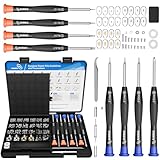
Okay, let’s talk about those little eyeglass repair kits you see everywhere. The ones with the tiny screwdrivers and a jumble of screws. Honestly? Most of them are a waste of money. The screwdrivers are usually made of cheap metal that strips easily, and the screws themselves are so small and fiddly that you’re more likely to lose them down the drain than successfully use them. I bought one of these kits years ago, and the tiny screwdriver broke on the first use trying to tighten a loose screw. The screws were so tiny I couldn’t even pick them up properly with my fingers. It was incredibly frustrating.
My contrarian take here is that while a good kit with quality tools might be useful, the mass-produced, cheap ones are designed to fail. They prey on people’s desperation. I’d rather have a small pair of needle-nose pliers and a few generic tiny screws from a craft store than one of those all-in-one kits. The problem is, even with a good kit, if the screw hole in your frame is stripped, or the frame itself is damaged, a new screw won’t help. You need to address the underlying issue. For actual screw replacements, a local optician can often do it in minutes for a small fee, and they have the right tools.
So, while the idea of a repair kit is sound, the reality is often disappointing. If you’re going to invest, look for kits that specifically mention high-quality, hardened steel screwdrivers and a variety of screw sizes that actually match common eyeglass frames. Otherwise, save your money and explore the DIY methods. Sometimes, the simplest household items can be more effective than a dedicated, but poorly made, tool.
Final Verdict
So, there you have it. How to fix glasses arms without screws doesn’t always mean a permanent, flawless repair, but it absolutely means getting your vision back in focus when disaster strikes. Whether it’s a quick wrap of electrical tape, a few loops of dental floss, or a more involved fix with moldable glue, there are options to keep your glasses functional.
Remember, these are mostly temporary solutions. The best approach is always to get a proper repair from an optician when you can, especially for expensive frames or significant damage. But for those moments when you’re stuck, knowing these tricks can be a lifesaver. Don’t let a dangling arm ruin your day.
Think about what you have in your toolkit or your junk drawer. You might be surprised at what you can do to keep those glasses on your face. Next time a screw goes missing, you’ll know exactly what to do to get by.
![AXTH 25-in-1 Small Precision Screwdriver Set, Professional Magnetic Mini Repair Tool Kit for Phone, Computer, Watch, Laptop, Macbook, Ring Doorbell, Eyeglass, Electronic, [Bearing Steel] Screw Driver](https://m.media-amazon.com/images/I/518YlLmPTcL._SL160_.jpg)
