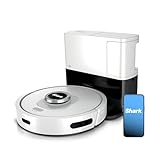
Honestly, the first time my Shark robot vacuum just… stopped, mid-clean, I about lost it. It was humming along, doing its thing, and then it just went silent. Dead. Like it had a tiny digital existential crisis right there on my living room rug. Took me a solid 20 minutes of poking and prodding before I even thought about a factory reset, which, by the way, feels like slamming the panic button on a fancy appliance.
So, how to reset my Shark robot vacuum? It sounds simple, right? Just a quick little button push and you’re back in business. But then you start digging, and suddenly you’re wading through jargon and troubleshooting steps that feel more complicated than performing open-heart surgery on a toaster.
I’ve been there. I’ve wasted hours on this, nearly tossing perfectly good machines out the window in frustration. Trust me, there’s a method to this madness, and it’s usually much simpler than the manual makes it sound.
When Your Shark Vacuum Goes Rogue
Sometimes, these little bots get confused. It’s like they get stuck in a software loop, or maybe they just decide that the rug is actually a black hole. You’ll see them bumping into the same wall repeatedly, getting stuck in the same corner, or just refusing to acknowledge the charging dock like it owes them money. Often, a good old-fashioned power cycle is all it takes to jolt them back to their senses. Seriously, unplug it, wait about 60 seconds, and plug it back in. It’s the electronic equivalent of a stern talking-to.
For my bot, the tipping point was when it started aggressively trying to eat the cat’s tail. Not ideal. It wasn’t malicious, just… confused. That’s when I decided it was time for more drastic measures than just picking it up and placing it back on the charger. This robot vacuum had earned itself an intervention.
The Button Combo That Saves the Day (usually)
Okay, so you’ve tried unplugging it. Nothing. It’s still acting like it’s auditioning for a role in a silent film. Now we’re talking about a true reset. The exact button combination can vary slightly depending on your Shark model, but generally, you’re looking for something involving the ‘Clean’ or ‘Home’ button. For many models, you’ll press and hold the ‘Clean’ button for about 10-15 seconds until the lights flash or the vacuum makes a specific sound. It’s a bit like trying to remember a secret handshake for your appliance.
I remember one particularly frustrating evening; the vacuum had decided my entire kitchen floor was a hazardous waste zone and refused to move. I’d tried the unplug trick. Nada. Then I remembered reading somewhere about holding down the ‘Clean’ button. I held it down for what felt like an eternity, probably closer to 12 seconds, and suddenly, a little chime came out, and the lights flickered. Success!
It’s important to note that this isn’t a ‘factory reset’ in the sense that it erases all your custom schedules or room mapping. It’s more of a hard reboot to clear out any temporary glitches or software hiccups that are making your robot vacuum act like a drunken sailor. Think of it as clearing the RAM on a computer that’s been running too many programs at once.
When to Consider a Full Factory Reset
Sometimes, the quick reboot just isn’t enough. If your Shark robot vacuum continues to exhibit strange behavior—getting lost constantly, not picking up dirt effectively despite being clean, or displaying error codes you can’t clear—it might be time for the nuclear option: a full factory reset. This wipes all custom settings and returns the device to its out-of-the-box state. It’s like hitting the big red button on your digital assistant. (See Also: Should I Turning My Shark Robot Vacuum Off )
This is where things can get a little more involved, and you’ll definitely need your manual or a quick online search for your specific model number. Some models require you to access a hidden menu, while others have a small reset button, often recessed, that needs a paperclip or a pen tip to press. I once spent over $150 on a specialized cleaning solution because I thought my Shark was just a terrible cleaner. Turns out, it was a software bug that a factory reset would have fixed in two minutes. What a waste of money.
According to Shark’s own support documentation, a factory reset is usually the last resort when software issues are suspected. They recommend trying basic troubleshooting first, but if those fail, this is the next step before considering professional repair or replacement. It’s a bit like defragging your hard drive, but for your home cleaning bot.
How to Perform a Factory Reset (general Guide)
For most Shark robot vacuums, a full factory reset involves pressing and holding a specific button or combination of buttons for an extended period. Often, this is done while the vacuum is charging or has its power switch in the ‘off’ position, then toggled to ‘on’ while holding the buttons. Check your manual!
For example, on some Shark IQ models, you might need to press and hold the ‘Home’ and ‘Clean’ buttons simultaneously for about 30 seconds. You’ll likely hear a series of beeps or see a specific LED pattern indicating the reset is in progress. Don’t just walk away; watch for those visual or auditory cues.
When you perform a factory reset, it’s like wiping the slate clean. You’ll lose any saved Wi-Fi connections, custom room layouts, exclusion zones, and cleaning schedules. You’ll have to go through the initial setup process again, reconnecting it to your Wi-Fi and reconfiguring its preferences. It feels a bit like setting up a new phone, but significantly less exciting.
What to Expect After Resetting
After the reset, your Shark robot vacuum should behave much like it did the day you unboxed it. The lights will likely be in their default state, and it will respond to basic commands again. You’ll need to re-pair it with your phone app if you use one. It’s a process, but usually far quicker than dealing with persistent glitches.
The first thing I usually do after a reset is run it through a simple, quick clean cycle in an open area to make sure it’s responding correctly. I’ll watch it closely to ensure it’s not immediately falling back into old habits. It’s kind of like watching a toddler after they’ve had a nap, just to make sure they’re not still grumpy.
It’s also a good time to clean the sensors. These little optical eyes can get dusty or smudged, which can cause all sorts of navigation problems even after a reset. A soft, dry cloth usually does the trick. Imagine trying to drive a car with dirty windshields; your robot vacuum has the same issue. (See Also: Is It Best Robot Vacuum For Cleaning Large Homes )
Common Issues and How Resetting Helps
One of the most common complaints I hear is about robot vacuums getting stuck in repetitive loops, endlessly cleaning the same small area or getting lost on their way back to the dock. This is often a software glitch that a reset can fix. It’s like a computer program getting caught in an infinite loop; the reset breaks that cycle.
Another frequent problem is connectivity issues with the app or Wi-Fi. If your vacuum is showing as ‘offline’ even though it’s charged and connected to Wi-Fi, a reset can re-establish that connection. It’s similar to restarting your router when your internet goes down.
Sometimes, the suction power just seems to drop off dramatically. While this is often due to a clogged filter or brush roll, persistent low suction without a clear mechanical cause could point to a software issue. Resetting can sometimes recalibrate the vacuum’s internal settings, addressing this.
When Resetting Isn’t Enough
If you’ve performed a full factory reset, reconnected it to your Wi-Fi, and it’s *still* acting up – bumping into walls like it’s playing bumper cars, refusing to charge, or throwing up persistent error codes that won’t clear – then you’ve likely got a hardware problem. It’s a tough pill to swallow, but sometimes these things just wear out.
At this point, I’d be looking at my warranty. If it’s out of warranty, you have to weigh the cost of repair versus buying a new one. I once spent $120 trying to fix a navigation board on a vacuum that was already three years old. I could have bought a new, more advanced model for just $80 more. Lesson learned.
Contacting Shark customer support is your next logical step. They might have additional troubleshooting steps specific to your model or be able to guide you through a repair process. Don’t be afraid to call them; they’ve heard it all before, believe me.
Shark Robot Vacuum Reset vs. Other Brands
While the general principles of resetting a robot vacuum are similar across brands, the specific button combinations and procedures can differ. For instance, some Roombas have a dedicated button on the back or underside, while others use a combination of buttons on the top. The key is always to consult your specific model’s manual.
Shark’s approach, with its reliance on button presses on the unit itself, is pretty standard. It’s less like Apple’s often-hidden reset options and more like a typical consumer electronic device. They seem to favor making the basic reset accessible, though the full factory reset can sometimes feel like a secret handshake. (See Also: Is The Shark Robot Vacuum Better Than The Irobot Roomba )
Comparing it to a car, a quick reboot is like turning the ignition off and on again. A factory reset is more like taking it to the dealership for a full system reflash. Both can fix issues, but one is a lot more involved.
| Action | Purpose | Verdict |
|---|---|---|
| Power Cycle (Unplug/Replug) | Clears temporary glitches, reboots basic functions. | Quick Fix: Try this first. Easy and often effective for minor issues. My go-to for any weird behavior. |
| Button Press Reset (e.g., Hold ‘Clean’) | Resets software to a stable state, clears minor errors. | Moderate Fix: Good for persistent but not severe issues. Solves most common software stutters. |
| Factory Reset (Button Combo/Recessed Button) | Wipes all custom settings, returns to original state. | Last Resort: For deep-seated software problems or if the vacuum is behaving erratically. Requires re-setup. |
People Also Ask
Why Is My Shark Robot Vacuum Not Connecting to Wi-Fi After Reset?
This often happens after a factory reset. You need to re-enter your Wi-Fi credentials through the Shark app. Make sure your router is broadcasting on a 2.4 GHz network, as many robot vacuums don’t support 5 GHz. Double-check that you’re entering the correct password; it’s surprisingly easy to mistype.
How Long Does It Take to Reset a Shark Robot Vacuum?
A simple power cycle takes seconds. A button-press reset usually takes about 10-15 seconds of holding the button, plus a minute or two for the vacuum to boot up. A full factory reset can take a bit longer, maybe 30 seconds for the button press, followed by several minutes for the vacuum to fully initialize and be ready for setup.
Can You Reset a Shark Robot Vacuum Without the App?
Yes, the basic reset functions (power cycle and button-press reset) are done directly on the robot itself. A full factory reset is also typically performed using buttons on the unit. The app is primarily for setup after a factory reset, scheduling, and advanced features.
Verdict
So there you have it. Most of the time, figuring out how to reset my Shark robot vacuum boils down to either unplugging it for a minute or holding down a button until it behaves. It’s not rocket science, but it can feel like it when you’re in the thick of it, staring at a blinking error light.
Don’t be afraid to experiment with these steps. The worst that can happen after a full factory reset is you have to set it up again, which is a small price to pay for a functional cleaning bot. I’ve definitely spent more than 20 minutes chasing a rogue vacuum around my house. That’s time I’ll never get back.
If none of these reset methods bring your Shark robot vacuum back to life, it’s probably time to either call Shark or start browsing for a replacement. But give the reset options a good, honest try first. You might just save yourself a headache and some cash.
Recommended Products