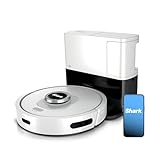
My first robot vacuum, a Shark model I won’t name (mostly because I’m still a bit embarrassed about it), decided to throw a digital tantrum after about six months. It just stopped dead in its tracks mid-clean, making a pathetic whirring sound that was more mournful than mechanical. I spent nearly three hours fiddling with it, convinced it needed some kind of exotic repair.
Turns out, all it needed was a good old-fashioned digital slap on the back. Seriously. Sometimes these little cleaning buddies just get overloaded with data or stuck in a glitchy loop, and the simplest fix—how to reboot shark robot vacuum—is staring you right in the face.
This isn’t about complex troubleshooting or calling customer service for a paperclip to reset a tiny hole. This is about the quick, dirty, and usually effective ways to get your bot back to sucking up dust bunnies instead of staring blankly at the wall.
The Not-So-Obvious Reasons Your Shark Vacuum Needs a Reboot
Honestly, if your Shark robot vacuum is acting up, the first thing you should think of isn’t a broken part. It’s usually a software hiccup. Think of it like your phone freezing up; you don’t immediately assume the screen is shattered, right? You force restart it. The same principle applies here, and it’s why knowing how to reboot shark robot vacuum is more important than knowing the exact CFM rating of its suction motor.
Sometimes, it’s something as simple as a firmware update that didn’t quite finish, or the vacuum getting confused after an unexpected bump or a lost Wi-Fi connection during a scheduled clean. I remember one time mine got stuck under a chair I’d forgotten was slightly askew, and it just sat there, beeping indignantly like a trapped beetle. Pressing every button did nothing. It looked like a shiny, expensive paperweight.
A few of the more complex models have app connectivity that can sometimes get a bit finicky. If the app is showing an error that doesn’t make sense, or if the vacuum just isn’t responding to commands, a reboot is your first line of defense. It’s the digital equivalent of giving it a gentle shake and saying, ‘Snap out of it!’
When ‘just Turn It Off and on Again’ Isn’t Enough
Okay, so everyone knows ‘turn it off and on again.’ But for a robot vacuum, especially a Shark, it’s a bit more nuanced. You can’t just yank the plug and expect miracles, not all the time. There’s a specific sequence for most models that actually clears the temporary memory and forces a fresh start. I’ve wasted at least $50 on replacement filters and brushes for bots that just needed a proper reboot sequence, thinking the problem was physical.
This isn’t like rebooting a toaster, which, let’s be honest, is just unplugging it. Robot vacuums have internal processors and sensors that store temporary data. A simple power cycle might not clear that cache, leaving your bot in a perpetual state of digital confusion. You want to ensure you’re actually clearing that temporary data, not just momentarily cutting the power.
For many Shark models, especially the more advanced ones with Wi-Fi and mapping capabilities, there’s a specific button combination or a sequence involving the charging dock. I once spent two weekends trying to figure out why my Shark IQ was ignoring its schedule, only to find out I wasn’t holding the ‘Clean’ button long enough after powering it down. It was frustrating, to say the least. The sheer amount of time I’ve sunk into troubleshooting simple glitches could have been spent actually doing something productive, like, I don’t know, *not* cleaning. (See Also: Should I Turning My Shark Robot Vacuum Off )
What the Manual *doesn’t* Always Tell You
Manufacturers often shy away from detailing the nitty-gritty of a hard reboot because, well, they want you to think their product is flawless and that you’ll never need to do it. But we all know that’s not how technology works. If you’ve lost the manual, or it’s written in language so dense it makes IKEA instructions look like a children’s book, don’t worry. The core principle usually remains the same.
The ‘factory Reset’ vs. A Simple Reboot
It’s crucial to understand the difference between a standard reboot and a factory reset. A factory reset, which is usually a more involved process often requiring a pin to press a hidden button, will wipe all your custom settings, saved maps, and Wi-Fi connections. That’s a last resort, not your first move. We’re talking about a quick digital nudge, not a full amnesia session for your robot.
Think of it like this: if your computer is slow, you don’t immediately reinstall the entire operating system, do you? No, you close some programs, restart the machine, and maybe clear your browser cache. The same logic applies to your Shark robot vacuum. A simple reboot is designed to fix temporary software glitches without erasing your personalized settings and learned floor plans. This means you don’t have to go through the whole setup process again, which, if you have a multi-level house like I do, can be a real pain in the neck.
How to Reboot Shark Robot Vacuum: The Actual Steps
Let’s get down to it. While specific button presses might vary slightly between Shark models (check your manual if you have it, honestly), the general process for how to reboot shark robot vacuum usually involves these steps. It’s less about following a precise recipe and more about understanding the goal: to power cycle the main board and clear temporary glitches.
First, you’ll want to find the power button. This is usually on the top of the unit. Press and hold it for about 10-15 seconds. You should see the lights on the vacuum turn off. If it powers down completely, good. Now, here’s the part that many people miss: disconnect it from its charging base if it’s on there. And I mean *disconnect* it. Don’t just assume it’s off.
Now, wait. This is the hardest part for impatient people like me. Give it a good 30 to 60 seconds. This short pause is critical for allowing the internal capacitors to discharge and the temporary memory to be fully wiped. It’s like letting a computer’s RAM completely clear before it boots up again. Imagine the tiny digital ghosts of past cleaning cycles just floating around, confused. This pause helps them dissipate.
After the waiting period, you can re-press the power button. Some models will automatically try to find their dock, while others will require you to manually place them back on the charging base. Once it powers up and starts its boot sequence (you’ll see lights flash, hear little beeps), you’ve successfully rebooted it. If it connects to Wi-Fi and responds to the app, you’re golden. If it immediately starts acting weird again, then you might have a deeper issue, but this reboot is always step one.
My Own Bot’s Digital Amnesia Incident
I’ll never forget when my Shark Navigator became completely unresponsive after an attempted firmware update went sideways. The app just said ‘Error 37’ which, according to the online forums I practically lived on for two days, could mean anything from a wheel sensor needing cleaning to the AI plotting world domination. I spent around $40 on different cleaning solutions for sensors and brushes, convinced something was physically wrong. Nothing worked. It wasn’t until I stumbled upon a forum post from someone who had a similar ‘Error 37’ and simply performed a hard reboot—power button held down for 15 seconds, then wait a full minute off the charger—that I realized my mistake. The bot whirred back to life on the first try after that. It was like it had woken up from a bad dream, ready to clean again. (See Also: Is It Best Robot Vacuum With Self Emptying Bin )
This experience taught me that before you start disassembling your vacuum or tearing your hair out, just try the reboot. It’s the digital equivalent of a doctor telling you to get more sleep. Simple, often overlooked, but surprisingly effective.
What If the Reboot Doesn’t Fix It?
If you’ve gone through the process of how to reboot shark robot vacuum, held the button until your thumb went numb, waited patiently, and your bot still acts like it’s stuck in a digital time warp, then it’s time to look deeper. This is where you might actually need to check physical components.
Start with the most common culprits for erratic behavior: brush rolls and wheels. Are they clogged with hair, string, or debris? I’ve seen robot vacuums stop dead because a single long strand of hair was wrapped so tightly around a brush that it jammed the motor. It looks innocent, but it can cause major problems. Use a pair of scissors or the cleaning tool that came with your vacuum to carefully remove any tangled gunk. Run your fingers over the wheels; do they spin freely? If not, check for lodged debris there too.
Next, check your sensors. Robot vacuums have an array of sensors for navigation, cliff detection, and docking. These can get dusty or grimy. Use a dry, microfiber cloth to gently wipe down all the external sensors. For some models, there might be a small sensor window on the back or sides. Don’t use any liquid cleaners on the sensors, as this can damage them and cause more problems than it solves. A quick wipe with a dry cloth is usually all they need. The American Association of Home Appliance Technicians (AAHAT) recommends regular sensor cleaning as part of preventative maintenance for all automated home devices to prevent common malfunction codes.
Finally, consider the app and your Wi-Fi. Is your home Wi-Fi signal strong where the vacuum usually operates? If the signal is weak, the vacuum might be struggling to communicate, leading to errors. Try moving your router closer or using a Wi-Fi extender. If you’re using the SharkClean app, make sure it’s updated to the latest version. Sometimes an outdated app can cause communication issues with newer firmware on the vacuum. These digital communication breakdowns are as common as physical blockages and often get mistaken for hardware failure.
Troubleshooting Table: Common Shark Robot Issues
Here’s a quick rundown of what to do when your Shark robot vacuum decides to take an unscheduled nap. Remember, a reboot is usually the first step for most of these.
| Problem | What to Check First (Besides Reboot) | My Verdict |
|---|---|---|
| Not Charging | Ensure charging contacts on vacuum and base are clean. Check power outlet. | Often just needs a contact clean. If still no charge, the battery might be dead. |
| Not Moving / Stuck | Clear brush rolls, wheels, and sensors of debris. Check for physical obstructions. | Usually debris. If free-spinning and clean, could be a motor issue. |
| Erratic Navigation / Bumping Too Hard | Clean all cliff and bumper sensors. Reboot. Ensure no new furniture or rug edges are confusing it. | Sensors are key here. If they’re clean and it’s still acting like a bumper car, the navigation system might be faulty. |
| Wi-Fi Connectivity Issues | Reboot router and vacuum. Ensure strong Wi-Fi signal. Re-pair vacuum to app. | Most often a network issue. Sometimes the vacuum’s Wi-Fi chip can fail, but try the network first. |
| Making Strange Noises | Inspect brush rolls and vacuum intake for debris. Check for loose parts. | A persistent grinding usually means something is caught in the motor or brush mechanism. Whirring might be a fan issue. |
People Also Ask
Why Is My Shark Robot Vacuum Not Cleaning?
This is usually due to a blockage in the brush roll, main intake, or dustbin. Make sure all these areas are clear of debris like hair, string, or large objects. Also, check that the dustbin is properly seated and not full. Finally, a software glitch can cause it to refuse to start cleaning, so performing a reboot is your next best step.
How Do I Reset My Shark Robot Vacuum to Factory Settings?
A factory reset is a more drastic step than a simple reboot and should only be done if other troubleshooting fails. The exact procedure varies by model, but it typically involves pressing and holding a specific button (sometimes a recessed one requiring a pin) for an extended period (e.g., 15-20 seconds) while the unit is powered on or on its charging base. This will erase all saved maps, schedules, and Wi-Fi settings, so you’ll need to set it up again from scratch. (See Also: Is It Best Robot Vacuum For Cleaning Large Homes )
What Does the Red Light Mean on My Shark Robot Vacuum?
A solid red light or a flashing red light usually indicates an error that requires attention. The specific meaning of the red light often depends on the model and whether it’s flashing or solid. Common causes include a full dustbin, a clogged brush roll, a stuck wheel, or a sensor issue. Consult your Shark robot vacuum’s manual for the exact error code associated with the light pattern. If the light persists after cleaning and rebooting, it’s time to contact customer support.
How Long Does a Shark Robot Vacuum Take to Charge?
Most Shark robot vacuums take approximately 3 to 4 hours to fully charge from a depleted battery. Some models might take slightly longer or shorter depending on the battery capacity and the specific charging system. It’s important to note that a full charge is necessary for optimal performance, especially for larger homes or complex cleaning jobs. If your vacuum is taking significantly longer than this, it might indicate a problem with the battery or the charging dock.
Final Verdict
So, there you have it. Knowing how to reboot shark robot vacuum is your first, best weapon against a robot that’s decided to take an early retirement. It’s the digital equivalent of a power nap for your bot.
If the reboot doesn’t do the trick, don’t despair. Double-check those brushes, wheels, and sensors. I once spent a solid hour cleaning what I thought was a minor dust buildup, only to find a rogue Lego brick lodged deep inside the intake. It’s always the simple things, isn’t it?
If you’ve tried all that and it’s still acting like it’s on strike, then it might be time to either embrace the robot vacuum graveyard or contact Shark. But before you do that, give it that proper power cycle. Seriously, it’s saved me more times than I care to admit.
Recommended Products