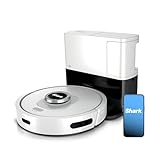
Honestly, the sheer amount of marketing fluff around robot vacuums makes my head spin. You buy one, hoping for a spotless floor with zero effort, only to find it bumping into furniture like a drunk toddler or getting stuck on a shoelace. It’s enough to make you want to throw the whole thing out the window.
Figuring out how to change power level on shark robot vacuum shouldn’t be rocket science, but sometimes it feels like it. The manual is often worse than useless, full of corporate jargon that tells you nothing practical.
I’ve wasted enough time and money on gizmos that promised the moon and delivered dust bunnies. Let’s cut through the noise and get straight to what actually matters with your Shark robot vac’s suction strength.
Adjusting Suction for Different Messes
Look, your Shark robot vacuum isn’t a one-trick pony, even though the marketing might suggest it is. It’s got settings for a reason. Think of it like a car; you wouldn’t drive around town in fifth gear all the time, would you? Similarly, your robot needs different power levels for different jobs.
For everyday dust bunnies and pet hair on hardwood or tile, you probably don’t need the absolute highest setting. Running it on a lower or standard power level is usually sufficient, and it’s a hell of a lot quieter. Plus, you’ll get longer run times, meaning it can clean more of your house on a single charge. I learned this the hard way after my first robot vacuum died halfway through the living room. Turns out, I was just asking too much of it on its ‘Max’ setting when it didn’t need to be.
If you’ve got thick carpets, or if your furry friend has decided to shed a winter coat all over the Persian rug, then cranking it up makes sense. Shark’s higher power modes are designed to really dig into carpet fibers and pull out all that embedded gunk. You can often hear the difference — the motor will sound more strained, and you’ll feel a stronger pull if you put your hand near the intake.
The App: Your Command Center
Honestly, most of the time, you’ll be interacting with your Shark robot vacuum’s power settings through its companion app. It’s usually the most intuitive place to make these adjustments. When you first set up your robot, the app guides you through the basic functions, and changing the suction level is typically right there on the main cleaning screen or within the robot’s settings menu. (See Also: Should I Turning My Shark Robot Vacuum Off )
It’s not always immediately obvious where the option is. Sometimes it’s buried a couple of taps deep. I remember searching for the setting for about fifteen minutes the first time I used my new Shark model, convinced it was missing. Turns out, it was tucked away under a ‘Cleaning Preferences’ submenu that I’d initially skipped over.
You’ll usually see options like ‘Eco,’ ‘Standard,’ ‘Max,’ or sometimes even ‘XL’ or ‘Ultimate Clean’ depending on the model. Each level is pretty self-explanatory, offering a trade-off between cleaning power and battery life. For most folks, the ‘Standard’ setting is your bread and butter for daily cleaning.
What About Physical Buttons?
Some older or simpler Shark robot vacuum models might have physical buttons on the unit itself for basic functions, but fine-tuning power levels usually requires the app. If you’re looking for physical controls, you might only find a ‘Clean’ or ‘Home’ button. Anything more granular typically means you need your smartphone handy.
When to Use Different Power Settings
Here’s the real-world breakdown. You don’t need to run your vacuum on high all the time. That’s like using a sledgehammer to crack a nut. Here’s how I tend to switch things up:
Everyday Cleaning (hard Floors & Low-Pile Carpet)
This is where ‘Eco’ or ‘Standard’ settings shine. You’re dealing with light dust, crumbs, and maybe some stray pet hair. The robot can zip around more quietly and for longer. I’ve found that running on ‘Standard’ for my laminate floors and low-pile rugs gives me a perfect balance. The difference in noise alone is worth it. My cat, Bartholomew, definitely agrees; he doesn’t bolt for the hills when the Shark starts up on its lower setting.
Deep Cleaning (thick Carpets & Heavily Soiled Areas)
When you’ve got plush carpets, or if you’ve had a minor kitchen disaster (think spilled flour or cereal), you’ll want to engage ‘Max’ or even a higher setting if available. This setting really ramps up the suction to pull out grime and debris from deep within the fibers. It sounds like a jet engine preparing for takeoff, and the battery drains noticeably faster, but the results on carpet are usually worth the trade-off. I once spilled an entire bag of glitter – don’t ask – and without the ‘Max’ setting, I’d still be finding sparkly bits months later. (See Also: Is It Best Robot Vacuum With Self Emptying Bin )
Carpet Boost vs. Manual Setting
Some Shark models have an automatic ‘Carpet Boost’ feature. This is designed to detect when the vacuum is on carpet and automatically increase suction. It’s pretty neat, as it means you don’t have to manually switch settings. However, I’ve found that sometimes it’s a bit too aggressive, kicking into high gear even on thinner rugs. In those cases, I prefer to manually set it to ‘Standard’ or even ‘Eco’ on those specific rugs and save the ‘Max’ setting for the really thick stuff.
| Setting | Best For | Battery Life Impact | Noise Level | My Verdict |
|---|---|---|---|---|
| Eco | Light dust, hard floors, quick touch-ups | + Longest runtime | Very Quiet | Great for daily maintenance on hard floors. Not enough for carpets. |
| Standard | General cleaning, low-pile carpets, mixed surfaces | ~ Average runtime | Moderate | Your go-to for most situations. Handles everyday dirt well. |
| Max/XL/Ultimate | Thick carpets, embedded dirt, heavy debris | – Shortest runtime | Loud | Necessary for deep carpet cleaning, but drains battery fast. Use sparingly. |
Troubleshooting Power Issues
Sometimes, even if you think you’ve got the power level set correctly, your Shark might not be performing as expected. The first thing I check is the dustbin. If it’s full, suction power drops dramatically. It’s like trying to breathe through a clogged straw. Emptying it after every couple of runs is a simple habit that makes a huge difference.
Next, check the brushes and filters. Hair, lint, and debris can get tangled around the main brush roll, impeding its ability to pick things up. A clogged brush roll means the vacuum is just pushing dirt around. Cleaning it regularly, often with a small cleaning tool that comes with the vacuum, is a must. I usually spend about five minutes doing this after each major clean. Also, make sure the filter isn’t completely choked with dust. A quick tap on the trash can usually dislodges enough debris, but they do need replacing every few months.
According to Consumer Reports, regular maintenance, including emptying the bin and cleaning the brushes, is the single most important factor in maintaining optimal performance for any robot vacuum, regardless of brand. They’ve tested dozens of models, and the ones that got neglected simply didn’t clean well after a few months, no matter how fancy their advertised features were.
What If It’s Still Weak?
If you’ve emptied the bin, cleaned the brushes, checked the filters, and you’re still getting weak suction, you might have a more significant issue. Sometimes, internal airways can get blocked, or there could be a problem with the motor itself. At that point, it’s probably time to contact Shark customer support or consult your warranty. I had a unit once where the main brush roll housing got a piece of plastic stuck in it, and it took me ages to find it. It wasn’t obvious from the outside.
People Also Ask
How Do I Make My Shark Robot Vacuum Clean Better?
To make your Shark robot vacuum clean better, ensure you perform regular maintenance. This includes emptying the dustbin after each use, cleaning the brush roll to remove tangled hair and debris, and cleaning or replacing the filter as recommended. Also, make sure you’re using the appropriate power setting for the surface you’re cleaning. For carpets, a higher power setting or the auto-boost feature is usually necessary. (See Also: Is It Best Robot Vacuum For Cleaning Large Homes )
Can I Set Different Cleaning Modes on My Shark Robot Vacuum?
Yes, most Shark robot vacuums allow you to set different cleaning modes or power levels, typically through the SharkClean app. These modes usually range from an eco-friendly, lower-suction mode for hard floors to a powerful, high-suction mode for carpets. Some models also have specialized modes for spot cleaning or edge cleaning.
How Often Should I Clean My Shark Robot Vacuum?
You should aim to empty the dustbin after every cleaning cycle or at least every other cycle, depending on the amount of debris collected. The brush roll and filters should be cleaned weekly or bi-weekly, depending on usage and pet hair. The main vacuum filters typically need to be replaced every 2-3 months, though this can vary by model and usage intensity.
What Does the Power Boost Button Do on a Shark Robot Vacuum?
The ‘Power Boost’ or ‘Carpet Boost’ function on a Shark robot vacuum automatically increases the suction power when the vacuum detects it’s on a carpeted surface. This helps to pull out more embedded dirt and debris from carpet fibers. You can usually enable or disable this feature in the SharkClean app settings.
Verdict
So there you have it. Adjusting the power level on your Shark robot vacuum is pretty straightforward once you know where to look, usually in the app. Don’t just let it run on its default setting all the time; tailor it to the mess and the surface.
Use that ‘Max’ setting for deep carpet cleans, but don’t be afraid to dial it back to ‘Standard’ or ‘Eco’ for everyday tasks on hard floors to save battery and your sanity from the noise.
Honestly, a little bit of mindful setting adjustment, combined with keeping the thing clean, will make a world of difference in how well your Shark robot vacuum actually cleans. It’s not magic, it’s just smart use.
Recommended Products