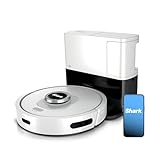
Honestly, trying to get a stubborn robot vacuum to behave can feel like wrestling a greased pig. You press buttons, you hope, you curse under your breath. It’s not always the slick, automated experience the ads promise.
I’ve been there, staring at a dead Shark robot, wondering if I’d just thrown a hundred bucks into a fancy dust collector. That’s why I finally figured out exactly how to hard reset Shark robot vacuum units when they decide to go on strike.
Forget the fluff; this is about getting your floor-bot back in action, plain and simple. This isn’t rocket science, but it’s also not always obvious.
When Your Shark Robot Vacuum Just Won’t Cooperate
Sometimes, your trusty Shark robot just… stops. It might be stuck in a loop, unresponsive to the app, or just plain refusing to dock. Before you declare it officially deceased and start browsing for a new one, a hard reset is often the first, and sometimes only, solution that actually works. This isn’t like a simple restart; it’s a full system wipe, forcing the machine to forget whatever digital funk it’s gotten itself into.
I remember one particularly frustrating afternoon, my old Shark ION R75 had decided the middle of the living room was its new permanent residence. It wouldn’t respond to the remote, the app just spun its wheels, and pressing the ‘clean’ button did precisely nothing. I spent about an hour fiddling with it, convinced I’d bricked it through some accidental firmware update gone wrong. Turns out, it just needed a good old-fashioned hard reset. It felt like finally finding the off-switch on a possessed appliance.
Figuring Out How to Hard Reset Shark Robot Vacuum
Okay, so your vacuum is being a drama queen. What’s the actual process for how to hard reset Shark robot vacuum models? It’s not always a single, universal button press across all their lines, which, frankly, is annoying. Most of their newer models, especially the IQ series and self-emptying ones, have a specific sequence you need to follow.
Generally, you’re looking for a way to cut the power entirely and then force a reboot. For many Shark robot vacuums, this involves locating the main power switch. On some models, it’s on the side, often near the charging contacts. On others, it might be tucked underneath. You’ll want to flip that switch off, making sure all indicator lights go dark. Then, the crucial part: you need to disconnect it from its power source. This means either unplugging the charging dock from the wall or, if your model has a removable battery, taking that out for a minute.
This entire process is a bit like trying to debug a really dumb computer; sometimes you just have to pull the plug and hope for the best. I’ve learned that letting it sit unplugged for at least 30 seconds, maybe even a full minute, gives the internal components enough time to truly discharge and reset. It’s not a precise science, but in my experience, giving it that little bit of extra ‘quiet time’ seems to help more than just a quick flick of the switch. (See Also: Should I Turning My Shark Robot Vacuum Off )
Specific Models and Reset Methods
Shark IQ Robot (Self-Empty Base): For these, you typically find the main power button on the side or back. Flip it off. Then, you’ll want to remove the robot from the self-empty base (if it’s docked) and unplug the base itself from the wall outlet. Wait about 60 seconds. Reconnect the base, place the robot back on, and then turn the main power switch back on. The vacuum should boot up like new, hopefully.
Shark ION Robot (Older Models): These often have a power button located on the top or side. Flip it off. If it has a removable battery, take it out. If not, unplug the charging dock. Wait a minute. Replace the battery or plug the dock back in, then power the robot back on using its main switch.
Other Shark Models: If you can’t find a clear power switch, look for a small reset button, sometimes recessed and requiring a paperclip to press. Check your manual if you have it; they really do vary. Seriously, if you’ve misplaced the manual, a quick search for ‘[Your Specific Shark Robot Model] manual PDF’ will likely save you a lot of headache. I wasted nearly 45 minutes on one model because I couldn’t find the manual and the reset button was hidden under a small flap that looked like part of the casing.
What Happens After the Hard Reset?
When you power it back on, the vacuum should go through its initial startup sequence, kind of like when you first took it out of the box. This means you’ll likely need to reconnect it to your Wi-Fi network using the SharkClean app. All of your custom cleaning maps, schedules, and saved preferences will be gone, wiped clean. Think of it as a fresh start for your robot, and for you, it’s a chance to set things up right again, maybe avoiding whatever glitch caused the problem in the first place.
Common Pitfalls and Why They Happen
One of the most common mistakes people make is not truly disconnecting the power. They might flip a switch but leave the dock plugged in, or not wait long enough. This isn’t a hard reset; it’s just a pause. The internal memory still has power and can hold onto corrupted data. It’s like trying to clear your computer’s RAM by just closing a program – it doesn’t actually clear anything out.
Another issue? Expecting everything to be perfect immediately. Sometimes, after a hard reset, the robot might behave a little strangely for the first cleaning cycle. It might seem a bit hesitant, or it might miss a spot it usually gets. This is normal. The robot is recalibrating its sensors and navigation systems. I’ve found that running it through a full cleaning cycle, letting it map the area again, usually solves these minor post-reset quirks. It’s a bit like teaching a toddler to walk again – they might stumble a bit at first.
When a Hard Reset Isn’t Enough
If you’ve gone through the steps on how to hard reset Shark robot vacuum units and your machine is *still* acting up, it might be time to consider other issues. Sometimes, the problem isn’t software; it’s hardware. A sensor might be dirty or damaged, preventing it from navigating properly. The brushes could be tangled with something that’s hard to see, like a tiny piece of wire or string, which can cause the motors to strain and the robot to behave erratically. (See Also: Is It Best Robot Vacuum With Self Emptying Bin )
I once had a robot that refused to move forward, just spun its wheels. I did the hard reset, reconnected everything, and it was still doing it. Turns out, a small piece of a broken earring had gotten lodged deep in the main drive wheel mechanism. You couldn’t see it easily, but it was enough to jam it. Cleaning that out fixed it instantly. It felt like finding a tiny, expensive needle in a haystack.
Checking Sensors and Brushes
Take a good look at the little ‘eyes’ – the sensors – around the robot. Are they dusty? Smudged? Sometimes a quick wipe with a dry microfiber cloth is all they need. If your robot is bumping into walls too hard or not stopping at stairs, dirty cliff sensors are usually the culprit. For the brushes, turn the robot over. Carefully remove the main brush and the side brushes. Look for tangled hair, string, or debris. Use scissors or a seam ripper to carefully cut away anything caught around the roller or the brush ends. You’ll want to feel the smooth spin of the brush when you manually turn it. If it feels gritty or sluggish, a good cleaning or replacement might be in order. A Consumer Reports study on robot vacuums noted that regular brush maintenance could extend the life of the unit by up to 30%.
Battery Health and Dock Connection
Is your robot constantly complaining about low battery, even after charging? The battery might be nearing the end of its life. Robot vacuum batteries, like all rechargeable batteries, degrade over time. If your unit is more than two or three years old, and especially if it’s been running frequent, long cleaning cycles, the battery could be the issue. You might notice it runs for a much shorter time than it used to before needing a recharge. A failing battery can cause all sorts of weird behavior, from not starting to stopping mid-clean.
Also, check the charging contacts on both the robot and the dock. Are they clean? Are they making good, firm contact? Sometimes, a bit of dust or grime can build up, preventing a proper charge. You can gently clean them with a dry cloth or an eraser. If the robot is having trouble finding or connecting to the dock, it could be a sign of a weak battery or a dock that’s not properly positioned or powered.
When to Call in the Cavalry
If you’ve performed a hard reset, cleaned sensors and brushes, checked the battery, and the vacuum is still a paperweight, it’s probably time to contact Shark support. They have seen every weird glitch imaginable. While they might suggest another reset or a different troubleshooting step, they can also tell you if it sounds like a hardware failure and guide you through the warranty process or repair options. Don’t be afraid to call them; that’s what they’re there for. I’ve called support for other appliances probably six times in the last year, and three of those calls resulted in a fix or a replacement I wouldn’t have gotten otherwise.
| Problem | Likely Cause | My Verdict/Fix |
|---|---|---|
| Robot won’t turn on or respond | Needs hard reset, dead battery, or internal fault | Try hard reset first. If that fails, check battery health and dock connection. If still no luck, it’s likely internal. |
| Robot stuck in a loop/spinning | Software glitch, sensor error, or motor issue | Hard reset is your first best bet. If persistent, clean sensors and check for physical obstructions in wheels/brushes. |
| Robot not charging | Dirty contacts, faulty dock, or dead battery | Clean contacts on both robot and dock. Test dock power. If issues persist, battery is a prime suspect. |
| Robot not cleaning effectively | Full dustbin, tangled brushes, worn-out brushes, or navigation error | Empty bin, clean/replace brushes. Perform hard reset and recalibrate if navigation seems off. |
Frequently Asked Questions About Resetting Your Shark Vacuum
Will a Hard Reset Delete My Maps?
Yes, a hard reset will revert your Shark robot vacuum to its factory settings. This means any custom cleaning maps, scheduled cleanings, and saved preferences will be erased. You’ll need to set them up again through the SharkClean app after the reset is complete.
How Long Should I Hold the Reset Button?
For models with a recessed reset button (often requiring a paperclip), the typical recommendation is to hold it down for about 10-15 seconds until you see the lights change or hear a beep indicating a reset. If you are performing a power cycle reset by disconnecting the battery or unplugging the unit, wait at least 30-60 seconds before reconnecting the power. (See Also: Is It Best Robot Vacuum For Cleaning Large Homes )
Can I Reset My Shark Robot Vacuum Without the App?
Yes, the hard reset procedure is typically performed directly on the robot itself, not through the app. While the app is used for setup after the reset, the actual reset action is done by manipulating the robot’s physical buttons and power sources.
What If My Shark Robot Vacuum Won’t Turn Back on After a Reset?
If your Shark robot vacuum won’t power on after a hard reset, the most common causes are a completely dead battery or a significant internal hardware issue. Ensure the charging contacts are clean and making good contact with the dock. Try leaving it on the charger for several hours. If it still shows no signs of life, the battery may need replacement, or there could be a deeper problem requiring professional repair or replacement.
Final Verdict
So, there you have it. Figuring out how to hard reset Shark robot vacuum units is mostly about finding the right sequence to cut all power and give it a proper digital spanking. It’s not always glamorous, but it’s a fundamental skill for anyone who doesn’t want their expensive gadget becoming a decorative dust-gatherer.
Remember, a hard reset is your first line of defense when things go wonky. If that doesn’t do the trick, don’t immediately panic and toss it. Take a deep breath, check the obvious stuff like brushes and sensors – things that actually get dirty in the real world, not just in a lab – and then decide if it’s worth calling Shark or if it’s time to admit defeat.
It’s a bit like troubleshooting your Wi-Fi router; sometimes you just gotta unplug it, count to thirty, and plug it back in. This whole robot vacuum thing is still pretty new tech for most homes, and like any tech, it has its moments. Don’t let a stubborn robot vacuum ruin your day.
Recommended Products