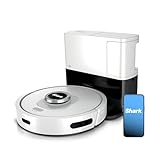
Honestly, I’ve wrestled with this more times than I care to admit. The sheer frustration of a smart device that suddenly decides it’s on vacation from your Wi-Fi is maddening. Especially when you just want it to do its job. Figuring out how to change network on shark robot vacuum shouldn’t feel like cracking the Da Vinci Code.
Remember that time my old bot just… stopped? No connection, no cleaning, just sitting there like a very expensive paperweight. I spent nearly two hours fiddling with the app, rebooting my router for the fifth time, and muttering curses under my breath. That’s when I realized sometimes the simplest solutions are buried under layers of corporate jargon and confusing menus.
This isn’t about selling you a new gadget; it’s about getting the one you have to actually work the way it’s supposed to. Let’s cut through the noise.
Getting Your Shark Bot Back Online
Most of the time, when your Shark robot vacuum loses its Wi-Fi connection, it’s not because the robot itself has spontaneously developed a rebellious streak. Usually, it’s a direct consequence of changes on your home network. Think of it like your robot having a favorite radio station; if that station changes its frequency, your robot can’t tune in anymore. The most common culprit? You changed your Wi-Fi password, or perhaps your internet service provider forced a router update and, voilà, new network name (SSID) and password.
This is where the SharkClean app comes in. It’s your command center, your direct line to convincing your dusty friend that it’s time to rejoin the digital fold. The process itself is surprisingly straightforward once you know where to look, but the app’s navigation can sometimes feel like trying to find a specific sock in a dark laundry room. I’ve had to go through this dance at least three times in the past year alone, mostly due to my own Wi-Fi password resets.
The App Walkthrough: Step-by-Step
First things first: make sure your phone or tablet is connected to the SAME 2.4 GHz Wi-Fi network you want your robot to connect to. Shark robots, and most smart home devices for that matter, are finicky about this. They don’t play nice with 5 GHz networks for initial setup. If you’re unsure, check your router settings or your internet provider’s documentation. Don’t skip this step; trying to connect to a 5 GHz network is like trying to park a truck in a compact car space – it’s just not going to happen. (See Also: Should I Turning My Shark Robot Vacuum Off )
Open the SharkClean app. You’ll want to tap on your robot’s name (if it’s already listed) or find the option to add a new device. Often, you’ll see a small gear icon or a three-dot menu somewhere on the main screen or on your robot’s specific page. This is usually where all the device settings hide. Look for something like ‘Wi-Fi Settings,’ ‘Network Connection,’ or ‘Device Information.’ Tap on that.
Here’s where the magic happens. You should see an option to ‘Change Wi-Fi Network’ or ‘Reconnect to Wi-Fi.’ The app will then prompt you to re-enter your Wi-Fi network name (SSID) and password. Double-check for typos; a single misplaced character here means you’re starting over. Seriously, I’ve spent a solid twenty minutes once just hunting for a typo in my password. It feels like an eternity when you just want your vacuum to get back to work.
Once you’ve entered the correct credentials, the app will attempt to connect your robot to the network. This can take a minute or two. You might see a confirmation message in the app, or the robot itself might give an audible cue. Patience is key here. Sometimes, it takes a second attempt, or you might need to restart the robot itself by holding down the power button for a few seconds. The visual feedback on the robot’s indicator lights can also be helpful, though sometimes as clear as mud.
Troubleshooting When It Just Won’t Connect
Okay, so you’ve followed the steps, triple-checked the password, and your robot still acts like it’s in a digital detox. What now? First, ensure your router is powered on and broadcasting its signal. Sounds obvious, right? But I’ve been in situations where a brief power flicker or an accidental unplugging of the router left all my smart devices stranded. If you’ve recently moved your router or the robot itself, proximity can be an issue. Walls and furniture can interfere with the signal strength, especially for that crucial 2.4 GHz band.
Sometimes, the simplest fix is the most overlooked. Have you tried turning it off and on again? Not just the robot, but your router too. Power cycle both your router and your Shark vacuum. Unplug your router, wait about 30 seconds, plug it back in, and let it fully boot up. Then, do the same for your robot. This clears out any temporary glitches that might be preventing the connection. It’s like giving both devices a fresh start. I once spent an hour troubleshooting a smart plug before realizing my router was just having a bad day. A simple reboot fixed it in seconds. (See Also: Is It Best Robot Vacuum With Self Emptying Bin )
Another common pitfall is router security settings. Some routers have advanced firewalls or MAC address filtering that might be blocking new devices. If you’re technically inclined, you could check your router’s admin panel. However, for most people, this is way more complicated than it needs to be. A quick search on your router manufacturer’s website for ‘how to connect new device’ or ‘MAC filtering’ might offer some clues. Consumer Reports has noted that some advanced router configurations can indeed be a hurdle for setting up smart home gadgets.
If none of that works, consider performing a factory reset on your Shark robot vacuum. This is a last resort because it will erase all your custom settings, cleaning schedules, and Wi-Fi configurations, forcing you to set it up from scratch. Check your robot’s manual for the exact procedure, as it usually involves holding down a specific combination of buttons for a set amount of time. It feels like a nuclear option, but sometimes, a complete reset is the only way to get things back on track.
A Word on Network Names and Passwords
Let’s be blunt: using a ridiculously complex password is great for security, but it’s a pain in the neck for anything that needs to connect automatically. If your password has symbols that look like they belong in a hieroglyphic text, or it’s longer than a grocery list, you’re setting yourself up for failure. Stick to something alphanumeric, reasonably complex, but something you can actually type correctly without a cheat sheet. I personally aim for a password that’s memorable but not obvious, typically around 12-15 characters. It’s a balance between security and sanity.
Similarly, weird characters or spaces in your Wi-Fi network name (SSID) can sometimes cause issues for certain devices. While your phone might handle it fine, your robot’s network chip might not. Keeping your SSID simple – something like ‘MyHomeWiFi’ or ‘SmithFamilyNet’ – is generally a safer bet. Avoid apostrophes, hyphens, or excessive symbols if you’re having persistent connection problems. It’s a small thing, but I’ve seen it cause more headaches than you’d think.
Common Shark Robot Wi-Fi Issues
| Issue | Likely Cause | My Take |
|---|---|---|
| Robot won’t connect to Wi-Fi | Incorrect password, wrong network band (5GHz instead of 2.4GHz), router too far away. | Most often, it’s a simple typo in the password. Check it FIVE times. |
| Connection drops frequently | Weak Wi-Fi signal, interference from other devices, router overload. | Move your router closer, or consider a Wi-Fi extender if your house is large. Cheap extenders can be junk, though. |
| App shows robot offline but it’s on | App glitch, robot lost connection to router, or router itself is offline. | Reboot everything. Seriously. Router first, then the robot. It’s shocking how often this works. |
When to Call in the Cavalry (or the Manual)
If you’ve gone through all these steps and your Shark robot vacuum still refuses to acknowledge your Wi-Fi network, it might be time to consult the official Shark manual for your specific model. They often have model-specific troubleshooting steps that I can’t cover here, as features and button layouts can vary significantly. Alternatively, reaching out to Shark customer support might be your next move. While I personally find manufacturer support can sometimes be a bit scripted, they do have access to specific diagnostic tools and knowledge that can be invaluable. Just be prepared to explain everything you’ve already tried – they’ll ask anyway. (See Also: Is It Best Robot Vacuum For Cleaning Large Homes )
Honestly, the most frustrating part of this whole process is how rarely the instructions in the manual seem to match the actual buttons and menus in the app. It’s like they update one without telling the other. So, if you’re stuck, and the online guides aren’t helping, don’t be afraid to be persistent with their support line. Just remember to have your model number handy.
Verdict
So, you’ve navigated the labyrinth of your router settings and the SharkClean app. Most of the time, how to change network on shark robot vacuum involves a few taps and a correct password. It’s less about complex tech and more about knowing where to look and being patient.
If your robot is still playing hide-and-seek with your Wi-Fi, remember the power cycle trick. It’s the universal IT solution for a reason – it often works. And don’t be afraid to hit that factory reset if all else fails; it’s a pain, but sometimes a clean slate is the only way forward.
The biggest takeaway is that your smart devices are only as smart as the network they’re connected to. Keep your network stable, your password handy, and your 2.4 GHz band ready.
Recommended Products