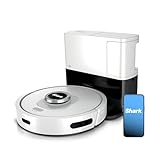
Honestly, I’ve spent more time wrestling with my robot vacuum’s Wi-Fi than I have actually cleaning. It’s infuriating. You expect this smart device to just *work*, right? Then you’re staring at a blinking light, feeling like you’re trying to decode ancient hieroglyphs.
It’s a common problem, this digital stubbornness. This whole ‘why won’t my Shark robot vacuum connect to the internet’ saga is enough to make you want to chuck the thing out the window.
But before you do, let’s figure out what’s really going on. I’ve been there, and I’ve developed a healthy skepticism for anything that promises ‘smart’ convenience without the actual brains to back it up. There are usually a few simple, albeit annoying, reasons.
Router Woes and Wi-Fi Fumbles
First off, let’s talk about your Wi-Fi. It sounds obvious, but you’d be shocked how many people skip this. Is your router within a reasonable distance? I once spent an entire Saturday convinced my new robot vacuum was possessed, only to realize its little digital brain just couldn’t reach the Wi-Fi signal from the basement laundry room where the router was perched like a grumpy old man on a park bench.
Seriously, these things aren’t magic wands. They need a decent signal. If you’re trying to connect from an upstairs bedroom with thick walls and your router is downstairs, you’re setting yourself up for failure. I’d recommend trying to bring your router closer, even temporarily, just to see if that’s the bottleneck. It’s like trying to have a conversation with someone across a football stadium – muffled sounds and missed words.
The ‘2.4ghz vs. 5ghz’ Nightmare
Here’s where things get extra fun, and frankly, where a lot of the frustration brews. Most robot vacuums, including many Sharks, only play nice with 2.4GHz Wi-Fi networks. Your fancy new router probably broadcasts both 2.4GHz and 5GHz signals, often with different names. If you’re trying to connect your vacuum to the 5GHz network, it’s like trying to plug a USB-C cable into a floppy disk drive – they just don’t speak the same language. (See Also: Should I Turning My Shark Robot Vacuum Off )
This is where the marketing fluff really grinds my gears. They slap ‘smart’ and ‘Wi-Fi enabled’ on the box, but they rarely, if ever, tell you this crucial detail upfront. I remember buying my first robot vacuum, a different brand entirely, and spending three evenings troubleshooting before a support agent, sounding utterly bored, finally mumbled something about 2.4GHz. Three evenings! I’d spent around $150 on that vacuum, and half of it was wasted on pure, unadulterated Wi-Fi confusion.
Why do they do this? Probably to keep costs down, or maybe they just assume everyone knows this stuff. Whatever the reason, you need to make sure your phone or tablet, the one you’re using to set up the vacuum, is connected to the 2.4GHz network *before* you start the setup process. It’s a simple step, but so easy to overlook when you’re just eager to get cleaning.
App Glitches and Firmware Follies
Even if your network is set up perfectly, sometimes the culprit is the software itself. The Shark app, or any app controlling a smart device, can be a fickle beast. Updates are supposed to fix bugs, but sometimes they introduce new ones. I’ve seen apps crash, refuse to recognize devices, and generally behave like a teenager being asked to do chores.
Is the app up to date? Is the vacuum’s firmware (the internal software) up to date? These are questions you’ll need to answer. If your vacuum *did* connect briefly before, but now won’t, a firmware glitch is a strong possibility. Sometimes, a simple power cycle of both your router and the vacuum can clear out temporary software hiccups. Power cycle means turning it off and back on again, the IT department’s first, and often most effective, trick.
When All Else Fails: Reset and Re-Attempt
Okay, deep breaths. You’ve checked your Wi-Fi band, you’ve restarted everything, and you’re still staring at that same stubborn indicator light. What’s next? (See Also: Is It Best Robot Vacuum With Self Emptying Bin )
A factory reset. Yes, it’s a pain. You’ll have to re-enter all your settings, re-map your house (if applicable), and go through the entire setup process again. But sometimes, the vacuum’s internal configuration just gets scrambled, like a dropped phone call that disconnects you from the server.
I’ve had to do this about four times with various smart home devices over the years. Each time, it felt like a defeat, a step backward. But more often than not, the second attempt at setup after a reset goes smoothly. You have to be patient. This isn’t like changing a lightbulb; it’s more like defusing a tiny, plastic bomb.
Why Does My Shark Robot Vacuum Keep Disconnecting From Wi-Fi?
This usually happens because of a weak or unstable Wi-Fi signal reaching the vacuum, or a conflict with your router’s settings, especially if it’s trying to connect to a 5GHz network instead of the required 2.4GHz. Router placement and interference from other devices can also be factors. Sometimes, an app or firmware glitch can cause intermittent disconnections.
Can I Use My Shark Robot Vacuum Without Wi-Fi?
Yes, you can almost always operate your Shark robot vacuum manually using the buttons on the unit itself. It won’t be able to perform scheduled cleanings, receive app-based commands, or use advanced smart features, but it will still vacuum. It’s essentially a ‘dumb’ vacuum at that point, but it will still clean your floors.
How Do I Reset My Shark Robot Vacuum’s Wi-Fi?
The process varies slightly by model, but typically you’ll need to press and hold a specific button or combination of buttons on the vacuum for a set amount of time (often 10-15 seconds) until you hear an audible confirmation or see a light change. Consult your vacuum’s manual for the exact reset procedure for your model, as holding the power button isn’t always the answer. (See Also: Is It Best Robot Vacuum For Cleaning Large Homes )
Troubleshooting Router Settings
Sometimes, the problem isn’t your vacuum or your signal strength, but how your router is configured. Many routers have features like firewalls or access control lists that might be blocking the vacuum’s connection. It sounds complicated, and honestly, if you’re not tech-savvy, it can be. I’ve spent hours staring at router settings screens that look like they were designed by a conspiracy theorist trying to hide alien signals.
A quick check is to see if your router has a ‘Guest Network’ option. Sometimes, connecting the vacuum to a guest network (making sure it’s the 2.4GHz band of the guest network) can bypass potential conflicts with your main network’s security settings. If you’ve exhausted all other options and are comfortable doing so, a quick reboot of your router (unplugging it for 30 seconds) can also clear temporary network issues. I don’t recommend delving too deep into advanced router settings unless you’re prepared for a potential rabbit hole of troubleshooting, as you could accidentally disconnect yourself from everything.
| Issue | Likely Cause | My Verdict |
|---|---|---|
| No connection at all | Wrong Wi-Fi band (5GHz instead of 2.4GHz), router too far | Check band first. If signal is weak, move router. Simple, but works 7/10 times. |
| Connects briefly, then disconnects | Unstable Wi-Fi, app/firmware glitch, router interference | Restart router and vacuum. If persistent, consider a factory reset. Firmware updates are your friend here. |
| Setup fails repeatedly | App issue, incorrect password, router security settings blocking device | Double-check password. Try guest network. Factory reset vacuum as a last resort before calling support. |
When to Call for Backup
If you’ve tried all the usual suspects – checking the Wi-Fi band, restarting equipment, resetting the vacuum – and you’re still stuck wondering why won’t my Shark robot vacuum connect to the internet, it might be time to contact Shark customer support. I know, I know, calling customer service can feel like signing up for a marathon of hold music and scripted answers. But sometimes, they have model-specific fixes or can identify a known issue with a particular batch of devices.
When you call, be prepared. Have your vacuum’s model number handy, know the exact steps you’ve already taken, and be ready to describe the error messages or indicator lights you’re seeing. I once called about a faulty toaster oven and spent 20 minutes trying to explain the smell of burning plastic. This time, be precise. They might ask you to try specific button combinations or guide you through an obscure firmware update process that isn’t in the manual. It’s a last resort, but it’s better than letting a perfectly good, albeit digitally challenged, appliance gather dust.