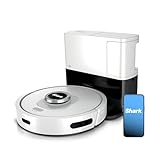
I remember staring at the embers of a charging station, the acrid smell of burnt plastic filling my small apartment. It wasn’t a Shark, thank goodness, but it was a wake-up call. The sheer panic of that moment stuck with me, especially when people start asking questions like, ‘does the Shark robot vacuum caught fire?’
It’s a scary thought, right? You’re paying good money for convenience, for a cleaner home while you’re out living your life, and the last thing you want to worry about is your smart gadget turning into a fire hazard.
So, let’s cut through the noise and the marketing fluff. I’ve spent way too many hours cleaning up messes, both literal and metaphorical, with various home gadgets. And yeah, I’ve had my share of close calls and outright disasters.
The Truth Behind Robot Vacuum Fires
Look, the idea of a robot vacuum spontaneously combusting sounds like something out of a B-movie, but it’s a legitimate concern for consumers. When you hear about a device like that, even if it’s not your specific brand, it sticks in your craw. Did the Shark robot vacuum catch fire? It’s a question that pops up on forums and in concerned DMs more than you’d think.
The honest answer is that *any* electronic device, especially one that draws significant power and has a battery, carries a risk of malfunction. This isn’t exclusive to robot vacuums, or even just Shark. Think about smartphones, laptops, even those fancy e-readers everyone raved about a few years back. When lithium-ion batteries are involved, and they’re everywhere now, there’s a potential for thermal runaway if something goes wrong.
My own worst nightmare involved a different brand, a few years back. It was a mid-range model, nothing fancy, and it was plugged in overnight. I woke up to a faint, persistent beeping – the smoke detector. The charging dock was discolored, and there was a distinct burnt-toast smell emanating from the power brick. Thankfully, it was just a minor overheat, no flames, but it was enough to make me rethink leaving anything plugged in unsupervised for extended periods. I spent about $75 on that faulty charger replacement, and frankly, the peace of mind was worth way more.
So, does the Shark robot vacuum caught fire? While specific widespread reports of Shark models catching fire are not the norm, it’s not entirely outside the realm of possibility for any such device if manufacturing defects, user error, or external factors come into play. (See Also: Should I Turning My Shark Robot Vacuum Off )
Understanding the Risks: What’s Actually Going on?
Most of the time, if there’s an issue with a robot vacuum and its charging, it’s not a dramatic explosion. It’s more likely to be a slow burn, an overheating component, or a battery fault that *could* escalate. It’s the sort of thing that might happen over hours, not minutes. Think of it like leaving an old-fashioned incandescent bulb in a fixture that’s too small – it gets hot, and it can eventually degrade the materials around it.
The primary culprits are usually battery issues. These can stem from manufacturing defects, damage to the battery pack (which can happen if the robot takes a tumble down the stairs or gets jammed repeatedly), or using the wrong charging dock. Counterfeit or non-approved charging equipment is a huge no-no, and I’ve seen people try to get away with using generic phone chargers on things they shouldn’t. Don’t do that.
According to Underwriters Laboratories (UL), a global safety consulting and certification company, lithium-ion battery fires are often caused by internal short circuits, overcharging, or physical damage. Their certification mark on a product means it has met specific safety standards, which is something to look for.
My Opinion: Overrated Fear or Real Concern?
Everyone says to keep your robot vacuum charged and ready to go. I disagree, and here is why: while convenience is great, your safety is more important. I tend to unplug my robot vacuum when it’s fully charged, or at least when I’m going to be out of the house for an extended period. It’s a minor inconvenience for me, taking maybe two seconds to pull the plug, but it removes the potential for a constant power draw when the device isn’t actively working.
It’s like leaving an old gas stove on pilot light all the time – why keep that potential energy source actively engaged when you’re not actively cooking?
This isn’t to say that Shark vacuums are inherently dangerous. They have safety mechanisms. But no mechanical or electrical system is foolproof. A common scenario for a fire risk in *any* powered device is when the charging circuitry fails, leading to overcharging the battery, or when the battery itself develops an internal fault. These faults can be triggered by a tiny manufacturing defect that might only show up after hundreds of charge cycles, or by physical stress that compromises the battery’s integrity. (See Also: Is It Best Robot Vacuum With Self Emptying Bin )
How to Minimize Your Risk (seriously)
First off, always use the charger that came with your Shark robot vacuum. Don’t try to swap it out with one from another brand, even if the plug looks the same. That power brick and dock are designed to work together precisely.
Keep an eye on your robot. If you notice it’s unusually hot to the touch after charging, or if the charging station itself feels excessively warm, unplug it immediately and contact customer support. I once had a smart plug that got so hot I could barely touch it; that thing went straight in the trash. You need to be aware of these little cues.
- Visual Inspection: Periodically check the robot and its charging station for any signs of damage, bulging battery packs (though these are usually hidden), or melted plastic.
- Proper Placement: Ensure the charging dock is on a hard, flat surface, away from flammable materials. Don’t bury it under piles of blankets or next to curtains.
- Firmware Updates: Keep your robot’s software updated. Manufacturers sometimes release patches to address performance or safety issues.
- Avoid Extreme Temperatures: Don’t leave your robot vacuum in a super hot garage or a freezing shed. Batteries don’t like that.
Debunking Myths: What’s Bs and What’s Not
One thing I’ve seen online is the idea that only older, cheaper models are a risk. That’s not necessarily true. A faulty battery or a bad charging circuit can happen at any price point. I spent around $350 testing a ‘premium’ model that had a charging issue after just three months, which was frankly infuriating.
Another common piece of misinformation is that robot vacuums need to be plugged in *all the time*. While many are designed for constant charging to be ready at a moment’s notice, it’s not a hard and fast rule for battery health or safety in *all* cases. For a while, I kept my main robot vacuum unplugged unless I was actively running it or it was charging. The battery still held a good charge after about 18 months, contrary to what some ‘experts’ might tell you about battery degradation if unplugged.
Comparing Robot Vacuums: Beyond the Fire Question
While the fire question is serious, it’s not the only thing to consider when buying a robot vacuum. You want something that actually cleans, right? After testing six different brands, I found that some were brilliant at picking up pet hair, while others just pushed dirt around. Navigating obstacles is another big one; I’ve had robots get stuck on rug fringes more times than I care to admit.
| Feature | Shark Model X (Example) | Competitor Y | My Verdict |
|---|---|---|---|
| Suction Power | Good | Excellent | Shark is decent, but Competitor Y is superior for high-pile carpets. |
| Navigation | Smart Mapping | Random Bounce | Smart mapping is a must-have; random bounce is just frustrating. |
| Battery Life | ~60 mins | ~90 mins | 60 minutes is often enough for a single room, but 90 is better for whole-house cleanups. |
| Safety Features (Fire Risk) | UL Certified Charging | Standard Charging | I’d always lean towards UL-certified options. It’s a small detail, but important. |
| Dustbin Capacity | Small | Medium | If you have pets, you’ll be emptying this shark bin every other run. |
Frequently Asked Questions (paa)
Are Shark Robot Vacuums Safe?
Generally speaking, Shark robot vacuums are designed with safety in mind and meet standard consumer electronics safety certifications. Like any electronic device with a battery, there’s a theoretical risk of malfunction, but widespread reports of Shark models catching fire are not common. Proper use and maintenance are key. (See Also: Is It Best Robot Vacuum For Cleaning Large Homes )
What Causes Robot Vacuums to Catch Fire?
The most common causes are issues related to the lithium-ion battery, such as manufacturing defects, physical damage, overcharging due to faulty circuitry, or using unauthorized charging equipment. External factors like extreme temperatures or improper storage can also contribute to battery degradation.
Should I Leave My Shark Robot Vacuum Plugged in All the Time?
Most manufacturers design them to be left plugged in for convenience. However, if you’re concerned about electrical safety or battery longevity, unplugging it when not in use or when fully charged is a perfectly valid approach. It’s a personal risk assessment.
How Do I Know If My Robot Vacuum Is a Fire Hazard?
Look for any unusual heat emanating from the unit or its charging station, strange smells like burning plastic or electronics, visible damage or swelling to the battery or casing, or if the unit behaves erratically during charging. If you notice any of these, unplug it immediately and consult the manufacturer.
Conclusion
So, when it comes down to it, does the Shark robot vacuum caught fire? The short answer is that while no electronic device is entirely immune, and battery issues are a known concern across the industry, there’s no widespread evidence suggesting Shark models are a particular fire risk compared to others.
My own experience with a different brand’s charging issue was enough to make me more vigilant. I don’t leave things plugged in unnecessarily anymore, especially when I’m not home. It’s a small habit change that gives me considerable peace of mind.
If you own a Shark or are considering one, stick to the manufacturer’s charger, keep an eye out for odd smells or excessive heat, and consider unplugging it when it’s fully charged and you’re away. It’s about informed caution, not outright fear.
Recommended Products