Honestly, the first time I heard someone ask ‘do walkers have trackers?’, I pictured some high-tech, James Bond-esque device built into a baby walker. Turns out, the reality is… different. And probably not what you’re expecting.
Years ago, when my oldest was just learning to get around, I spent a frankly embarrassing amount of money on gadgets that promised to ‘baby-proof’ my entire house. Think motion sensors, door alarms, even a ridiculously overpriced camera system that barely worked in daylight. It was a lot of noise, a lot of flashing lights, and very little actual peace of mind.
So, when the question about trackers on walkers came up, I immediately thought of that phase and the sheer volume of marketing fluff I waded through. The truth is, most standard baby walkers don’t come with GPS trackers built-in, but the conversation around tracking and child safety is way more nuanced than a simple yes or no.
The Real Deal: Do Walkers Have Trackers?
Let’s cut to the chase: The vast majority of baby walkers you’ll find on store shelves today – the ones from Graco, Joovy, Fisher-Price, you name it – do NOT come with integrated GPS tracking devices. There’s no little chip humming away, broadcasting your baby’s location to your phone. If you’re picturing a device that will actively tell you ‘Baby Bob is currently heading towards the kitchen sink,’ you’re likely looking at something that doesn’t exist in the standard walker market.
Think of it like this: a walker’s primary function is to give a baby a bit of mobility and entertainment, usually under direct supervision. Adding a sophisticated tracking system would significantly increase the cost and complexity, and frankly, it’s not a feature most parents expect or need for a device used indoors, often in a single room. The idea of a baby wandering off in a walker is, thankfully, pretty unlikely, given their limited speed and maneuverability.
Why the Confusion? Trackers Are Everywhere Else
So why does this question even come up? Because tracking technology is becoming ubiquitous in other baby gear. You’ve got smart bassinets that monitor sleep, wearable devices that track heart rate and breathing, and even car seats with integrated safety alerts. It’s easy to assume that if tracking is appearing in one area of baby tech, it’ll inevitably pop up everywhere.
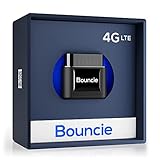
Plus, there’s the whole category of child GPS trackers that *aren’t* built into a specific product but are standalone devices you can attach to clothing, backpacks, or even slip into a pocket. Some parents might be looking for a way to add tracking to a walker themselves, or they might be confusing the walker with other baby products that *do* offer smart features. I remember seeing a marketing email for a ‘smart baby monitor’ that had me convinced it could track my toddler’s every move, only to find out it just sent me alerts when he woke up. Felt like a total rip-off after I’d already clicked ‘buy.’ (See Also: Why Does Victoria Secret Have Trackers In Their Bras )
Honestly, the market for baby tech is a bit of a wild west. Companies are always looking for the next ‘must-have’ feature, and sometimes they add things that sound impressive but don’t actually solve a real problem. A GPS tracker on a standard walker? I’d argue that falls into that category.
My Expensive Mistake: The ‘smart’ Baby Monitor Debacle
Speaking of mistakes, let me tell you about the time I dropped a cool $250 on a ‘smart baby monitor’ that promised to be a game-changer for nap times. This thing had more blinking lights and app features than my own smartphone. It boasted ‘advanced motion detection’ and ‘intelligent sound analysis.’ My assumption was that it would somehow *know* when my baby was truly stirring, not just making random sleepy noises. I imagined it sending me a discrete ping when he was *actually* about to wake up, so I could mentally prepare or sneak in a quick chore. WRONG.
It turns out ‘intelligent sound analysis’ meant it would alert me if he coughed, sneezed, or even rolled over loudly enough. The motion detection was so sensitive that a slight breeze from the window would set it off. I was getting more alerts than if I’d just set up a cheap walkie-talkie system. After about three weeks of constant, mostly useless notifications, I shoved it in a drawer, feeling utterly conned by clever marketing. That $250 could have bought me a really nice weekend away, or at least a month’s supply of decent coffee.
Contrarian Take: Are Trackers Even Necessary for Walkers?
Here’s my unpopular opinion: I don’t think most parents actually *need* a GPS tracker on their baby’s walker. Everyone talks about child safety and wanting to know where your little one is at all times, and I get that. But a walker is typically used indoors, under a watchful eye. The idea of a baby in a walker somehow getting lost in the house, or worse, escaping the house unnoticed, feels like a bit of a stretch. It’s like putting a tracking device on your refrigerator because you’re worried it might wander off.
Instead of focusing on tech that isn’t standard on walkers, maybe we should be looking at the walker itself. Is it sturdy? Are there small parts that could break off? Is it being used on a safe, flat surface away from stairs or hazards? These are the practical, hands-on questions that matter more than whether it has a hidden tracker. The real risk isn’t the walker going rogue; it’s the walker being used improperly or in an unsafe environment.
What About Adding Your Own Tracker?
If you’re still set on tracking, you’re probably thinking about attaching a third-party GPS device. This is where things get a bit more feasible, but also a bit more complicated. You can buy small, standalone GPS trackers meant for kids, pets, or even keys. These devices often have their own subscription fees and require regular charging. Attaching one to a walker isn’t impossible, but you need to consider a few things: (See Also: Why Do Flat Trackers Have Slick Rear Tire )
- Attachment: How will you secure it? Most walkers don’t have obvious loops or attachment points. You might need velcro straps, zip ties, or a small pouch. I once tried to zip-tie a portable charger to my backpack, and it kept snagging on everything. Not ideal for a mobile baby device.
- Durability: Babies are… active. The tracker needs to withstand bumps, drops (if the walker tips or is moved), and general baby-induced chaos.
- Power: These trackers need to be charged, sometimes daily. Are you going to remember to unplug it, charge it, and reattach it every single night?
- False Sense of Security: This is the big one. Relying on a tracker might make you less vigilant. You might think, ‘Oh, it’s tracked, I don’t need to keep an eye on them *every* second,’ which is exactly the kind of thinking that leads to accidents.
The cost can also add up. You’re looking at the initial purchase price of the tracker (often $50-$150) plus a monthly subscription service (typically $10-$30). For a device that you’ll likely only use for a few months before your child outgrows the walker, it’s a significant investment for something that isn’t standard safety equipment.
When Trackers *are* a Thing: Wearables and Smart Devices
While walkers themselves are tracker-free, the broader baby tech industry is definitely leaning into connectivity. You see it with wearable devices for newborns that monitor vital signs, like breathing and sleep patterns. Companies like Owlet have made a name for themselves with smart socks that send real-time data to your phone. These aren’t about tracking location, but about monitoring health metrics when you can’t be right beside the baby.
There are also smart strollers that might have features like integrated charging ports or connectivity with apps, though a full GPS tracker is still rare. Think of it as a spectrum. On one end, you have the basic walker. On the other, you have smart bassinets and health monitors. The walker sits firmly on the basic end.
People Also Ask
Do Baby Walkers Have Alarms?
Most standard baby walkers do not come with built-in alarms. Their primary function is mobility and play, not security. Alarms are more common in baby monitors or security systems designed to alert parents to a child leaving a specific area.
Can You Put a Tracker on a Baby Walker?
Yes, you can attach a separate, third-party GPS tracker to a baby walker. However, this requires careful consideration of how to secure the device, its durability, and the ongoing cost of the tracker’s subscription service and charging requirements.
Are Baby Walkers Safe?
Baby walkers can be safe when used properly and under constant supervision in a hazard-free environment. However, they pose risks such as falls down stairs, burns from reaching hot surfaces, and tipping over. The American Academy of Pediatrics advises against the use of baby walkers due to these risks. It’s crucial to ensure the walker is stable and used on a flat surface. (See Also: Is Th Vivofit 3 Have Timers And Trackers On It )
What Is the Safest Way for a Baby to Move Around?
Experts often recommend stationary activity centers or playpens as safer alternatives to traditional walkers. These allow babies to move and play without the risks associated with wheels and the ability to travel quickly into dangerous areas. Crawling is also a natural and safe way for babies to explore their environment.
The Table: Walker Features – What You Actually Get
| Feature | What It Does | My Verdict |
|---|---|---|
| Wheels | Allows baby to move around | Essential for the ‘walker’ part. Make sure they swivel smoothly. |
| Tray | Holds toys and snacks | Useful, but often gets sticky. Easy to clean is key. |
| Seat | Comfortable place for baby to sit | Look for adjustable height and washable fabric. Crucial for longer use. |
| Brakes/Stoppers | Prevents walker from rolling (on some models) | A good idea, especially for stairs. Not standard on all. |
| Toys/Activities | Keeps baby entertained | Hit or miss. Some are great, others are just noise-makers. |
| Integrated GPS Tracker | Tracks baby’s location | Basically non-existent on standard walkers. Overkill and expensive if added aftermarket. |
The Bottom Line on Trackers and Walkers
When you look at the actual products and the risks involved, the question ‘do walkers have trackers?’ has a pretty straightforward answer: no, not usually. The technology just isn’t built into them, and for good reason. It’s not a core feature, and the added cost and complexity would make them prohibitively expensive for what is often a short-lived baby item.
My advice, based on years of wading through baby gadget hype and making more than a few costly blunders myself, is to focus on the basics. Get a sturdy, well-made walker, use it safely, and supervise your child. If you’re worried about tracking your child’s movements outside the home, that’s a different conversation altogether, and there are dedicated devices for that. But for the walker itself, leave the high-tech dreams to the sci-fi movies.
Final Verdict
So, to directly answer the burning question: do walkers have trackers? In almost all cases, the answer is a firm no. The market hasn’t seen a need for this feature, and frankly, it would probably add unnecessary expense and complexity to an item that serves a simple purpose.
If you’re contemplating adding a separate tracker, weigh the practicalities and costs carefully. I’ve found that sometimes the simplest, lowest-tech solutions are the most reliable, especially when it comes to baby gear. My own expensive foray into ‘smart’ gadgets taught me that lesson the hard way.
Instead of searching for a walker with a built-in tracker, focus your energy on ensuring the walker you choose is safe, stable, and used in an environment where you can keep a close eye on your little explorer. Real-world supervision beats any gadget, every time.
Recommended Products