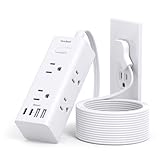
I remember staring at the wall socket, then at the appliance cord, then back at the wall. That 3-foot cord was just too short. It’s a common problem, right? You need a little extra juice, a bit more reach. And that’s where the humble 10-foot extension cord comes in. But before you plug one in and call it a day, a nagging question pops into your head: are 10ft extension cords safe?
I’ve been wrestling with cords, plugs, and the occasional minor electrical mishap for years, mostly out of sheer necessity. Some products have been a total waste of money, while others have genuinely saved the day. Today, we’re cutting through the noise and getting straight to the point about these seemingly simple cables.
When a Little Extra Length Is a Big Deal
Look, nobody wants to live in a world of extension cords snaking everywhere like electrical spaghetti. But let’s be honest, sometimes it’s the only practical solution. You’ve got a bedside lamp that needs to reach the nightstand, a computer setup where the tower is just a bit too far from the surge protector, or that one Christmas decoration that absolutely has to go on the far end of the porch. For these scenarios, a 10-foot extension cord is often the perfect middle ground. It’s long enough to offer real flexibility without being so long that it becomes a tripping hazard or a messy tangle.
The reason they work is pretty straightforward. It’s a conductor – typically copper – wrapped in an insulator, usually PVC or rubber, with a plug on one end and a socket on the other. The gauge of the wire inside is the key factor determining how much current it can safely handle.
Thicker wires (lower gauge numbers, like 14 or 12) can carry more power without getting dangerously hot. A 10-foot cord isn’t inherently more or less safe than a 3-foot or a 25-foot cord; its safety hinges on its construction, its rating, and how you use it. The length itself doesn’t introduce a fundamental safety risk, but it does mean the electricity has a slightly longer journey, which can matter for very high-power devices or if the cord is undersized.
I made the mistake once, years ago, of using a flimsy, thin-gauged cord for a space heater. It was a 10-footer, and I thought, ‘What’s the big deal? It’s just for a few hours.’ Within an hour, the cord was warm to the touch, then hot. I yanked it out, terrified I’d burned my house down. It was a wake-up call. Not all cords are created equal, and underestimating them is a surefire way to invite trouble. It taught me to always check the specifications, especially for appliances that draw a lot of power.
What to Look for (and What to Ignore)
So, how do you tell a good 10-foot extension cord from a dodgy one? It’s not rocket science, but there are definitely some details that matter. First off, the gauge of the wire.
You’ll see numbers like 16/3, 14/3, or 12/3. The first number is the gauge – lower means thicker wire, better capacity.
The ‘3’ means it has three prongs: hot, neutral, and ground. Always go for a 3-prong cord if your appliance has a 3-prong plug. That third prong is your grounding wire, a vital safety feature that can prevent electrical shock if something goes wrong internally with your appliance. I’ve seen people try to jam a 3-prong plug into a 2-prong outlet with an adapter, and frankly, it makes my stomach churn. (See Also: Can Extension Cords Short Out )
Don’t do that.
Next, look for the amperage or wattage rating. This should be printed on the cord itself, usually near the plug. It tells you the maximum load the cord can handle. A typical household outlet provides 15 amps. A cord rated for 10 amps is going to overheat if you try to run something that needs more. For general use with lamps, chargers, and small electronics, a 16-gauge cord rated for around 10-13 amps is usually fine for 10 feet. But if you’re plugging in anything with a heating element – like a space heater, hair dryer, or power tool – you absolutely need a heavier-duty cord, like a 14-gauge or even 12-gauge, rated for at least 15 amps.
The insulation is another thing. It should feel solid, not brittle or flimsy. If it looks like it could crack easily or if there are any nicks or cuts, chuck it. Seriously. It’s not worth the risk. UL (Underwriters Laboratories) listing is also a good sign. It means the product has been tested and meets certain safety standards. It’s not a guarantee against all failure, but it’s a solid indicator that the manufacturer took safety seriously. I’ve stopped buying unlisted cords altogether; the few bucks I save aren’t worth the potential headaches.
Common Mistakes That Make 10ft Cords Dangerous
You know, it’s rarely the cord itself that’s the villain. More often, it’s how we abuse them. One of the biggest no-nos is overloading. This is where that wattage and amperage rating comes into play. Plugging a high-draw appliance like a microwave or a portable air conditioner into a cord that’s not designed for it is a recipe for disaster. The cord heats up, the insulation can melt, and you’ve got a fire hazard on your hands. I saw a neighbor’s garage go up once because they were running too many power tools off a single, undersized extension cord. Ugly stuff.
Another common mistake is running cords under rugs or furniture. This traps heat, and more importantly, it hides potential damage. If the cord gets frayed or pinched under something heavy, you might not notice it until it’s too late. A frayed cord means exposed wires, and exposed wires are a direct path to sparks, shorts, and shocks. Always keep extension cords visible and where they won’t be stepped on or damaged. Tripping hazards aside, physical damage is a major culprit in extension cord incidents.
Damage from kinks, cuts, or even sun exposure can degrade the insulation over time. If a cord looks worn, feels stiff, or has any signs of wear and tear, it’s time to retire it. I’m brutal about this; if a cord looks even a little suspect, it goes straight into the recycling bin. It’s not worth trying to ‘make do.’ Also, never use indoor extension cords outdoors. They aren’t built to withstand moisture, temperature fluctuations, or UV rays, and using them outside can lead to short circuits and electrical fires. Always use cords specifically rated for outdoor use when you’re working or playing outside.
Real-World Use: Where a 10ft Cord Shines
Where do these 10-footers really prove their worth? For me, it’s the home office. My desk is set up in a corner, and the power strip is always just a little too far from where I need it for my monitor, laptop charger, and speakers. A 10-foot cord from the wall to the surge protector solves that problem neatly. It’s long enough that the cables aren’t pulled taut, but not so long that they create a spaghetti mess under the desk. This arrangement, using a 14-gauge cord rated for 15 amps, has been perfectly safe and reliable for years.
Another spot is the living room. We have a nice floor lamp that I love, but the nearest outlet is across the room. Running a cord along the baseboard, secured with cord clips (never tape!), makes it almost invisible and totally safe. It’s not a trip hazard, and it doesn’t look unsightly. It simply allows me to position the lamp where it’s most functional and aesthetically pleasing. For this, a 16-gauge cord is typically more than sufficient, as lamps don’t draw much power. (See Also: Can Extension Cords Be Use With Electric Heaters )
I also find them indispensable for temporary setups. Need to run a fan in a guest room for a few days? Need to plug in a power tool on the other side of the garage for a quick job? A 10-foot cord offers that bit of extra reach without the fuss of a much longer, unwieldy cable. Just make sure, as always, that the cord’s rating matches the appliance’s needs. I’ve got a small collection of 10-footers in various gauges (16, 14, and 12) for different jobs. It’s a small investment that pays off in convenience and safety.
A Few Practical Tips From the Trenches
Here are a few things I’ve learned that might save you some grief. First, always plug the appliance into the extension cord first, and then plug the extension cord into the wall outlet. This order helps prevent accidental sparks at the wall outlet if the appliance is switched on. It’s a small detail, but it’s good practice.
Second, don’t daisy-chain extension cords. That means plugging one extension cord into another. This is a really bad idea. Each connection point adds resistance and heat, and you quickly exceed the safe operating limits of the cords, dramatically increasing the risk of fire. Stick to one cord for the job, no matter how tempting it is to bridge that extra gap.
Third, if you’re using a 10-foot cord for anything that generates heat or uses a lot of power, test it. After plugging it in and turning the appliance on, check the cord, the plugs, and the outlet after about 15-30 minutes. If any part feels more than slightly warm to the touch, unplug it immediately. It’s either overloaded or the cord is too light for the job. My space heater incident? The cord was radiating heat like a stove element. Never ignore that warmth.
Finally, store them properly. Don’t just coil them up loosely and shove them in a box. Coil them neatly, secure them with a Velcro strap or a twist tie, and store them in a dry place, away from direct sunlight and chemicals. Proper storage prevents damage that can compromise their safety over time. Think of them like any other tool; take care of them, and they’ll take care of you.
What the Experts (and Common Sense) Say
Now, I’m not an electrician, but I’ve spent enough time messing with power to know what feels right and what feels wrong. The consensus from electrical safety organizations, like the Electrical Safety Foundation International (ESFI), is that extension cords are safe when used properly. The keywords there are ‘properly’ and ‘extension cords.’ They are not meant for permanent wiring, they are not meant to replace your home’s wiring, and they certainly aren’t meant to be used when damaged or overloaded.
The ESFI emphasizes checking cords for damage, using the correct gauge for the appliance, and avoiding overloading. This all aligns with what I’ve learned through trial and error. A 10-foot extension cord, when chosen correctly for the load it will carry and inspected for damage, is a perfectly safe tool. The danger arises from misuse: using a cord that’s too thin, running it under rugs, or plugging in too many things. It’s about respecting the limitations of the equipment.
Here’s my contrarian take: many people think all extension cords are basically the same, or that a longer cord is inherently less safe. I disagree. A 10-foot cord can be less safe if it’s a cheap, thin-gauge model trying to power a heavy appliance. But a well-made, correctly gauged 10-foot cord is often safer than a much longer, thinner cord that you might end up tripping over or that might fray more easily due to its length and weight. The key isn’t the length, it’s the specification and the application. (See Also: Are Outdoor Extension Cords 10 Or 12 Gauge )
Faq: Are 10ft Extension Cords Safe?
Can a 10ft Extension Cord Start a Fire?
Yes, a 10ft extension cord can start a fire if it is overloaded, damaged, or used improperly. Overloading causes the cord to overheat, melting the insulation and potentially igniting nearby materials. Damaged cords with exposed wires can cause sparks. Using an indoor cord outdoors can also lead to electrical malfunctions and fires.
Are 10ft Extension Cords Safe for Heavy-Duty Appliances?
It depends on the gauge and rating of the 10ft extension cord. Heavy-duty appliances require thicker gauge cords (lower numbers, like 14 or 12) and higher amperage ratings (typically 15 amps or more). A thin-gauge 10ft cord is NOT safe for heavy-duty appliances and could overheat or cause damage.
What Is the Safest Way to Use a 10ft Extension Cord?
The safest way is to make sure the cord is rated for the appliance’s power needs, inspect it for any damage before use, keep it visible and away from foot traffic, never run it under rugs or furniture, and avoid plugging it into another extension cord. Always use it for its intended purpose (indoor/outdoor as rated).
How Do I Know If a 10ft Extension Cord Is Safe?
Look for a UL (Underwriters Laboratories) listing or similar safety certification. Check the gauge and amperage rating printed on the cord to make sure it matches your appliance’s requirements. Inspect the cord for any cuts, nicks, fraying, or brittle insulation. If it looks or feels compromised in any way, it is not safe.
Verdict
So, to wrap it all up, are 10ft extension cords safe? The answer is a resounding ‘yes,’ but with a huge asterisk: if you use them correctly. They’re not magic wires that can handle anything. They are tools with specific limitations, and when you respect those limits, they’re incredibly useful.
My biggest takeaway from years of wrestling with cords is this: don’t be cheap or lazy. Buy a cord with the right gauge for the job, inspect it before every use, and keep it out of harm’s way. If a cord ever feels hot, smells funny, or looks damaged, get rid of it. It’s the simplest and most effective way to stay safe.
Next time you find yourself just a few feet short, grab that 10-foot cord, but remember to check its specs. Is it the right one for the job? If so, plug it in and get on with your life. If not, go get the right one. Your peace of mind, and your home, are worth it.