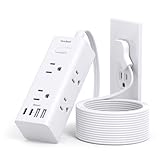
I remember the first time I fried a cheap toaster. It wasn’t a dramatic explosion, just a puff of smoke and a distinct smell of burnt plastic. I’d plugged it into a generic extension cord I’d grabbed from the dollar store, thinking all cords were created equal. Turns out, they’re not, and neither are surge protectors. This whole mess got me wondering: are all extension cords surge protectors?
The short answer, and the one that might save you some grief (and a few appliances), is a resounding no. Thinking they are is a common, and potentially costly, mistake.
We’re going to cut through the confusion and get down to what actually matters when you’re looking to power your gear safely.
Why Your Basic Cord Isn’t Guarding Your Gear
Let’s get this straight right out of the gate: a standard extension cord is just a glorified wire designed to extend the reach of your power outlet. That’s it. It has two main jobs: conduct electricity from the wall to your device, and do so without melting into a puddle of regret. It doesn’t have any special circuitry to ‘clean up’ the power or shield your electronics from the nasty electrical spikes that can happen for all sorts of reasons.
Think of it like this: a regular extension cord is like a plain garden hose. It delivers water, but it doesn’t filter it, regulate pressure, or protect your plants from a sudden gush. A surge protector, on the other hand, is like a fancy hose attachment with a pressure regulator and a built-in filter. It’s built to handle more than just basic delivery.
Why do these spikes happen? Power grids aren’t perfect. Lightning strikes (even miles away can have an effect), power outages and restorations, or even just your refrigerator kicking on can cause a momentary surge of electricity. These aren’t usually enough to trip a breaker, but they can be enough to slowly degrade the sensitive components inside your electronics, leading to premature failure. I learned this the hard way when my expensive printer started acting glitchy after a series of minor power fluctuations. It wasn’t dead, but it was definitely on its way out, and I suspect the constant barrage of tiny, unprotected surges played a big part.
The common advice you’ll hear is to use a surge protector for sensitive electronics. And that’s generally good advice. But the real problem is that many people assume any cord with multiple outlets is a surge protector, or that all extension cords offer some level of protection. They don’t. You have to specifically buy one that is a surge protector. The packaging will say so, and it will have a specific joule rating. Without that, it’s just a cord.
I’ve seen people plug their gaming consoles, home theater systems, and even their laptops into those cheap, multi-outlet power strips that look like they might be surge protectors but aren’t. It’s a gamble, and one I wouldn’t recommend taking with gear you care about. The upfront cost difference between a basic extension cord and a decent surge protector is minimal compared to the cost of replacing a fried piece of equipment.
What Makes a Cord a Surge Protector? The Tech Inside
So, if a regular extension cord is just wire, what gives a surge protector its protective powers? It’s all about the components inside. The key players are Metal Oxide Varistors, often abbreviated as MOVs. These little guys are the unsung heroes of surge protection.
Here’s how they work in layman’s terms: Normally, MOVs act like an open circuit, letting the electricity flow through to your devices without any interference. They’re just sitting there, minding their own business. But when a voltage spike occurs – meaning the electricity tries to surge beyond a safe level – the MOVs instantly change their resistance. They become a short circuit, basically creating a path of least resistance for the excess electricity to flow away from your devices and safely to the ground wire. It’s like a tiny, super-fast electrical dam that opens up only when there’s too much water.
This diversion of excess energy is what prevents it from reaching and damaging your sensitive electronics. The amount of energy a surge protector can absorb and dissipate is measured in joules. The higher the joule rating, the more energy it can handle before it’s depleted and needs to be replaced. A good surge protector for home electronics typically has a rating of at least 1000 joules, with higher ratings being better for more expensive or important equipment.
Another indicator of quality is the clamping voltage. This is the voltage at which the MOV starts to divert excess electricity. Lower is better, as it means the protector kicks in sooner to guard your equipment. You’ll often see ratings like 400V or 500V. This is where the common advice of ‘buy the cheapest you can find’ really falls apart. A $5 extension cord with no MOVs offers zero protection. A $15 surge protector with a decent joule rating and clamping voltage offers tangible protection.
It’s important to understand that surge protectors aren’t invincible. They have a finite lifespan. Each surge they absorb degrades the MOVs slightly. Eventually, they wear out.
Many surge protectors have an indicator light that tells you if they’re still functioning. If that light goes out, or if you’ve experienced a significant electrical event like a close lightning strike, it’s time to replace it, even if it seems to be working. I once had a surge protector where the indicator light just quietly died. (See Also: Can Extension Cords Short Out )
I replaced it, and a few weeks later, a major storm rolled through. I can’t prove it, but I have a strong suspicion that old, dead surge protector would have let a nasty surge through and fried my modem.
Identifying a Real Surge Protector: What to Look For
Okay, so you’ve decided you need actual protection, not just an extension. How do you tell a real surge protector from a regular cord that’s just trying to look fancy? It’s not as complicated as it sounds, but you have to be observant.
First, read the packaging. It will explicitly state that it is a ‘surge protector’ or ‘surge suppressor’. If it just says ‘extension cord’ or ‘power strip’, assume it’s not. Look for the joule rating. As mentioned, aim for at least 1000 joules for most home electronics. The higher the joule rating, the better it can withstand and absorb surges.
Check for an indicator light. Many good surge protectors have a light that signals they are ‘protected’ or ‘grounded’. If this light goes out, it’s a clear sign that the surge protection circuitry has failed, and it’s no longer protecting your devices. Some also have an audible alarm that sounds if the protection fails, which is a nice bonus.
Consider the number of outlets. While not directly related to surge protection quality, a good surge protector will usually have multiple outlets, often with some spaced wider apart to accommodate larger power adapters. This is often a differentiator from basic power strips that might just have a row of identical, closely spaced sockets.
Pay attention to the brand reputation and warranty. Reputable brands often stand behind their products with warranties that might even cover connected equipment if their surge protector fails to protect it. This is a big clue that the manufacturer has confidence in their product’s ability to perform. I’ve seen warranties that promise to reimburse you for damaged electronics, which, while you hope you never need it, offers a lot of peace of mind.
Here’s a little table to help you quickly differentiate. It’s not exhaustive, but it covers the main points I look for:
| Feature | Standard Extension Cord / Power Strip | Surge Protector | My Verdict |
|---|---|---|---|
| Primary Function | Extend power outlet reach | Extend reach AND protect against surges | Protection is the key differentiator |
| Joules Rating | None | Present (aim for 1000+ J) | Higher is generally better |
| Indicator Lights | None | Usually has ‘Protected’/’Grounded’ light | Key for knowing it’s working |
| MOV Technology | Absent | Present | The core of surge protection |
| Cost | Very low ($5-$15) | Moderate ($15-$50+) | Worth the small investment for protection |
| Warranty | None | Often includes connected equipment coverage | Sign of manufacturer confidence |
The common mistake is confusing a power strip with a surge protector. They look similar, both giving you multiple plug-in points, but a power strip alone does nothing for electrical surges. You absolutely need to look for the surge protection specifics.
Common Mistakes and Why They Happen
The biggest, most common mistake is the assumption that all cords that plug into the wall and offer multiple outlets are doing something to protect your gear. This is where the confusion around ‘extension cords’ and ‘surge protectors’ really bites people. They see a cord with several sockets and think, ‘Great, more places to plug things in, and it looks pretty hefty, so it must be good.’ Nope.
Another mistake is thinking surge protectors are a one-time purchase that lasts forever. They wear out. Every surge they divert is like a tiny tax on their protective capacity. If you live in an area with frequent thunderstorms or power grid issues, you’re using up the joules faster. A surge protector that’s five years old and has been through a few storms might be toast, even if it still looks fine and the indicator light hasn’t gone out yet. I’ve heard some people say you should replace them every 2-3 years regardless, which might be overkill for some, but it’s a good reminder that they aren’t immortal.
People also tend to put their surge protectors in the wrong places. They’ll plug a surge protector into another surge protector (this is called ‘daisy-chaining’) or, even worse, plug a surge protector into an extension cord that is plugged into the wall. This massively increases the risk of overheating and fire, and it can also actually degrade the surge protection. The idea is to plug the surge protector directly into the wall outlet whenever possible. If you need more outlets than the wall provides, then you can plug a basic power strip (not another surge protector) into the surge protector. But direct wall connection is always best for the surge protector itself.
Then there’s the budget trap. People see a $10 surge protector and a $30 one and think, ‘What’s the difference?’ The difference is usually the quality and quantity of the MOVs, the joule rating, and the overall build quality. Cheaping out here is like buying the cheapest parachute; you really don’t want to find out it doesn’t work when you need it most.
Finally, there’s the misunderstanding of what a surge protector actually protects against. They are designed to protect against voltage spikes (surges). They are NOT designed to protect against brownouts (sags in voltage), power outages, or electromagnetic interference (EMI/RFI). For those, you might need a different type of device, like an Uninterruptible Power Supply (UPS). A UPS provides battery backup during outages and often includes surge protection as well, making it a more solid solution for important equipment like computers or servers. (See Also: Can Extension Cords Be Use With Electric Heaters )
Real-World Use: Protecting Your Valuables
Let’s talk practical application. Where should you absolutely be using surge protection, and where might you be able to get away with a basic cord?
Must-Have Surge Protection:
Computers and Laptops: These are packed with sensitive processors and memory. A single surge can corrupt data, damage the motherboard, or fry the power supply. I always have my work laptop and desktop plugged into a good surge protector. It’s not just for the hardware; it’s for the data on them too.
Home Entertainment Systems: TVs, game consoles, Blu-ray players, soundbars – these are often expensive and contain delicate electronics. A surge can ruin your expensive flat-screen in an instant. I learned this after a lightning strike that took out my neighbor’s TV and nearly my own. Thankfully, mine was on a surge protector.
Networking Equipment: Modems, routers, Wi-Fi extenders. These are the gateways to your digital life. A surge here can cause internet outages, slow speeds, and damage that requires replacing multiple devices.
Kitchen Appliances with Digital Displays/Controls: Think modern microwaves, fancy coffee makers, or even some toasters with digital settings. The circuit boards inside are just as vulnerable as those in your computer. My sister’s smart fridge had its main control board fried by a surge, costing a fortune to replace.
Where a Basic Extension Cord Might Suffice (with caution):
Basic Lamps: A simple incandescent lamp without any electronic controls is unlikely to be significantly harmed by minor surges. However, if it’s an LED lamp with a driver, or a smart bulb, it’s better to protect it.
Power Tools (some): For very basic, corded drills or saws without any electronic speed control, a standard heavy-duty extension cord might be acceptable, provided it’s properly rated for the tool’s amperage. However, for more complex tools with variable speed or digital displays, surge protection is wise.
Fans: Standard electric fans without remote controls or digital timers are generally less sensitive. But again, if it has fancy electronics, protect it.
The Overrated Advice:
Everyone says you need to buy the most expensive surge protector you can find. I disagree. While quality matters, you don’t need to spend $100 on a surge protector for a simple lamp. What you do need is a reputable brand with a decent joule rating (1000+ J is a good baseline) and a functioning indicator light. Spending more doesn’t always equate to significantly better protection for everyday electronics; it often means more outlets, higher joule ratings for industrial use, or advanced features like network protection that you might not need.
It’s about finding the right balance for your specific needs and budget, rather than just blindly buying the cheapest or most expensive option. My go-to surge protectors for general home use are usually in the $20-$40 range from well-known brands. (See Also: Are Outdoor Extension Cords 10 Or 12 Gauge )
A Few Practical Tips for Peace of Mind
Beyond just buying the right gear, there are a few extra steps you can take to make sure your electronics are as safe as possible. It’s not just about the initial purchase; it’s about ongoing vigilance.
1. Inspect Regularly: Get in the habit of looking at your extension cords and surge protectors. Are the cords frayed? Are the plugs bent? Is the plastic casing cracked? Any visible damage means it’s time to replace it immediately. Fire hazards are no joke.
2. Don’t Overload: This is important. Each extension cord and surge protector has a maximum wattage or amperage rating. Exceeding this can cause overheating, melting, and fires. Check the device’s label and the appliance you’re plugging in. A heavy-duty cord is needed for high-draw items like space heaters or power tools. Never plug a high-wattage appliance into a lightweight cord.
3. Wall Outlet First: As I mentioned before, whenever possible, plug your surge protector directly into a wall outlet. Avoid plugging it into another extension cord or power strip. If you need more outlets, plug a basic, non-surge-protected power strip into the surge protector’s outlets, not the other way around.
4. Test the Indicator Lights: Make it a habit to glance at your surge protectors every few weeks. Does the ‘protected’ light still shine bright? If it’s off or flickering, the protection is gone, and it’s time for a replacement. Don’t wait for an incident to discover it’s not working.
5. Consider a UPS for Important Gear: For anything you absolutely cannot afford to lose power to – like a home server, or if you rely on your computer for work and a sudden shutdown is catastrophic – invest in an Uninterruptible Power Supply (UPS). These provide battery backup during outages and typically include surge protection, offering a much higher level of security.
6. Know When to Upgrade: If you’re still using those ancient, beige power strips from the 90s, it’s probably time for an upgrade. Technology advances, and so does the quality of surge protection. Plus, older units might be degraded and less effective.
These small habits can go a long way in protecting your investment in electronics. It’s not just about the joules; it’s about a responsible approach to electricity in your home.
Frequently Asked Questions About Extension Cords and Surge Protectors
Can You Plug a Surge Protector Into an Extension Cord?
It is generally not recommended to plug a surge protector into an extension cord. Doing so can create a fire hazard due to overheating, and it can also degrade the surge protection capabilities of the device. It’s always best to plug a surge protector directly into a wall outlet. If you need more outlets, you can plug a basic, non-surge-protected power strip into the surge protector.
What Happens If You Plug a Regular Extension Cord Into a Surge Protector?
Plugging a regular extension cord into a surge protector is generally acceptable, as long as the extension cord is properly rated for the devices you’re plugging into it. The surge protector will still offer its protection to the devices plugged into the extension cord. However, remember that the extension cord itself doesn’t add any surge protection. Make sure the extension cord is heavy-duty enough for the total amperage draw.
Do I Need a Surge Protector for My Refrigerator?
Yes, it is highly recommended to use a surge protector for your refrigerator, especially modern ones with digital controls and complex electronics. A power surge can damage the sensitive components within the refrigerator’s control board, leading to costly repairs or premature replacement. Look for a surge protector specifically rated for appliances with higher amperage requirements.
How Often Should Surge Protectors Be Replaced?
Surge protectors have a limited lifespan and degrade over time with each surge they absorb. While there’s no single hard rule, a common recommendation is to replace them every 2 to 5 years, or sooner if you live in an area with frequent electrical storms or power fluctuations. Always check for an indicator light that signals the protection is still active; if it’s off, replace it immediately.
Conclusion
So, to put it plainly, no, not all extension cords are surge protectors. A standard extension cord is just a conduit for power, offering zero protection against the electrical spikes that can silently damage your expensive gadgets. You have to specifically buy a surge protector, and then you have to make sure it’s still working.
Don’t fall into the trap of thinking a fancy-looking power strip offers protection. Check for the joule rating, the indicator lights, and buy from reputable brands. It’s a small investment that can save you a massive headache and a lot of money down the line. When in doubt, err on the side of protection.
Now go check your cords and power strips. Are all extension cords surge protectors in your house? You might be surprised.