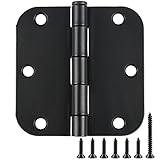
So, you’re driving down the highway, feeling pretty good about your rig, and then you see it – a trailer door flapping wildly, held on by sheer stubbornness and maybe a prayer. It makes you wonder, what’s the deal with these things? Are broken trailer door hinges a dot violation? I’ve seen it all, from trailers looking like they just survived a tornado to perfectly maintained fleets. The truth is, that loose hinge isn’t just an eyesore; it’s a potential ticket waiting to happen, and way more dangerous than most people realize.
Let’s cut to the chase. If you’re hauling anything for commercial purposes, or even just want to avoid a hefty fine and a seriously dangerous situation, this is something you need to pay attention to. It’s not about whether your trailer looks pretty; it’s about safety and compliance.
Why That Flapping Door Isn’t Just Annoying
Look, I’ve been around the block a few times, and let me tell you, trailer maintenance is one of those things that people either obsess over or completely ignore. There’s not much middle ground. I’ve personally seen trailers where the doors looked like they were about to detach and sail off into traffic. It’s a visceral reaction, that feeling of dread when you see something that fundamentally looks unsafe.
The Federal Motor Carrier Safety Administration (FMCSA) has regulations for a reason. When a trailer door hinge is broken, it’s not just a minor cosmetic issue. It’s a sign that a important component is failing. Imagine that door, or even a piece of it, coming loose at 70 mph. It could cause an accident, damage other vehicles, or even worse. This is precisely why are broken trailer door hinges a dot violation is a question that needs a firm answer, and that answer is a resounding ‘yes,’ especially if you’re operating commercially.
The FMCSA’s rules, found in their Federal Motor Carrier Safety Regulations (FMCSRs), cover vehicle condition. Specifically, Part 396, titled ‘Inspection, Repair, and Maintenance,’ is where you’ll find the nitty-gritty. While it might not explicitly state ‘broken hinge’ in bold letters, it covers the ‘condition and maintenance of all parts and accessories.’ A broken hinge absolutely falls under this umbrella. Think of it like this: if a brake line is frayed, it’s a violation. A broken hinge is no different in principle – it’s a failure of a safety-important component.
I remember one time, hauling a load of equipment to a construction site, I noticed one of the side cargo doors on my trailer was sagging. It wasn’t completely broken, but the lower hinge was clearly stressed, looking like it was about to give way.
I had a pre-trip inspection coming up the next day, and I thought, ‘Maybe it’ll hold.’ Big mistake.
The inspector pointed it out immediately. He said, ‘That’s a potential for cargo loss and a safety hazard.
You can’t roll like this.’ He wasn’t going to let me leave the yard until it was fixed. That was a good, albeit embarrassing, lesson.
It cost me a few hours and a small repair fee, but it could have cost me a lot more if it had failed on the road.
The common advice from folks who just want to get by is often to ‘just weld it’ or ‘use a heavy-duty strap.’ While a temporary fix might seem like a good idea, it’s rarely a long-term solution and can still be flagged. DOT inspectors are looking for proper repair and maintenance, not makeshift solutions. They want to see that the part is either repaired correctly or replaced with a functioning, safe component.
The bottom line is that trailers are subjected to incredible stress. Vibrations, road shock, the weight of cargo, and constant opening and closing all take their toll. Hinges are designed to withstand this, but like any mechanical part, they can wear out or break. When they do, ignoring it is just asking for trouble. The cost of a timely repair is pennies compared to the potential fines, downtime, and accident costs.
So, before you even think about rolling out, do a thorough walk-around. Check those hinges. Are they bent? Cracked? Loose? Is the door hanging unevenly? These are all red flags. It’s not just about passing an inspection; it’s about the safety of everyone on the road, including yourself.
What Inspectors Actually Look For
When a DOT inspector hops out to do their thing, they’re not just looking for shiny new trucks. They’re looking for functional safety. It’s a systematic process, and they’re trained to spot potential hazards. For trailer doors, they’re not going to spend an hour meticulously examining every single screw, but they are going to notice obvious defects. This is where those broken hinges become a problem.
The primary concern for an inspector is, as I said, safety. A broken or severely damaged hinge means the door isn’t secured properly. This can lead to several issues: (See Also: A Box Without Hinges Key )
- Cargo Loss: If the door can’t be latched or secured, cargo can spill out onto the roadway. This is a massive safety hazard, creating debris that other vehicles have to swerve around.
- Door Detachment: In extreme cases, a broken hinge could lead to the entire door detaching from the trailer. This is catastrophic and can cause severe accidents.
- Reduced Structural Integrity: The doors and their mounting points contribute to the trailer’s overall structural integrity. A failure here can compromise the trailer’s ability to withstand operational stresses.
The FMCSA’s Appendix G, which outlines the North American Standard Out-of-Service Criteria, is the inspector’s bible. While it’s a detailed document, the essence is clear: if a component is damaged to the point where it compromises safety or is likely to fail, it’s grounds for being placed out of service. For hinges, the criteria often involve significant damage like cracks, bends, or missing fasteners that prevent the door from operating and securing properly.
I recall a situation where I was pulled over for a random roadside inspection. The officer walked around my trailer, and I was a bit nervous because I’d been meaning to fix a slight sag on one of the barn doors.
He noticed it. He didn’t need to see a full rupture; the fact that it was visibly uneven and the hinge looked stressed was enough for him to take a closer look.
He asked me to open and close the door. The slight grinding and resistance were more than enough for him. He pointed to the lower hinge and said, ‘That’s going to fail.
You’re not going anywhere until that’s fixed.’ It wasn’t a huge violation, but it was enough to ground me until I got it repaired at an on-site mechanic.
It’s not about having a perfect trailer, but it is about having a functional and safe one. Inspectors are looking for things that are obviously wrong. A hinge that’s completely snapped in half? That’s an instant no-go. A hinge that’s bent and causing the door to scrape the ground? Also a problem. Missing bolts or rivets that hold the hinge to the trailer frame or door? Definitely a violation.
The key takeaway here is that inspectors are trained to identify potential failures. They don’t have to wait for the part to completely break to issue a citation or place the vehicle out of service. If a component is in a condition that suggests it is about to fail or is already compromised, that’s enough. So, when you’re asking are broken trailer door hinges a dot violation, understand that ‘broken’ can mean anything from ‘hanging by a thread’ to ‘visibly deformed and stressed.’ Don’t gamble with it.
Common Mistakes People Make (and How to Avoid Them)
You’d be surprised how many people just wing it when it comes to trailer maintenance, especially smaller operators or those who don’t haul daily. They see a little rust, a slight sag, or a bit of play in a hinge and think, ‘Ah, it’s fine.’ This is the quickest way to turn a minor issue into a major headache. I’ve been guilty of this myself, thinking I could push it just a little bit longer.
One of the biggest mistakes is the ‘out of sight, out of mind’ approach. If a hinge is on the side of the trailer that you don’t typically look at, or if it’s obscured by something, you might not even realize it’s damaged until it’s too late. Regular, thorough inspections are a must. This isn’t just for DOT compliance; it’s for your own peace of mind and safety.
Another common error is using the wrong fix. People try to patch things up with duct tape, zip ties, or just plain old welding without properly assessing the damage or using the right materials. While a skilled welder can do wonders, a quick, shoddy weld on a stressed hinge might hold for a little while, but it’s unlikely to pass a professional inspection and could fail under load. I once saw a guy try to ‘fix’ a broken hinge by drilling a hole through the trailer frame and the hinge itself and putting a massive bolt through it. It looked ridiculous and probably wasn’t structurally sound for the long haul. It certainly wouldn’t have passed any serious inspection.
Here’s a simple table of common mistakes and what you should do instead:
| Common Mistake | Why It’s Wrong | The Right Way | Verdict |
|---|---|---|---|
| Ignoring minor damage (rust, slight sag) | Small issues can quickly become big failures under stress. | Regularly inspect all hinges for cracks, bends, corrosion, and looseness. Address even minor wear. | Major Hazard |
| Using makeshift repairs (tape, zip ties, improper welding) | These are temporary at best and often not structurally sound or compliant. | Replace damaged hinges with OEM or equivalent quality parts. If welding is necessary, make sure it’s done by a professional with proper materials. | High Risk |
| Skipping pre-trip and post-trip inspections | You miss potential problems before they become important or lead to a violation. | Perform thorough inspections of the entire trailer, paying close attention to doors and their hardware, before every trip. | Key Practice |
| Assuming hinges are all the same | Different doors and trailers have different weight and stress requirements. | Use hinges designed for the specific type and weight of your trailer door. Consult your trailer manual or a professional. | Important Detail |
People also tend to forget about the fasteners. Hinges are held on by bolts, rivets, or screws. If those are loose, missing, or corroded, the hinge itself might be fine, but the connection point is compromised. This is another easy one to miss if you’re not being thorough. I learned this the hard way when a trailer door started to pull away from the frame because the rivets holding the hinge were shot. The hinge itself was okay, but the mounting point failed. It took me a good hour on the side of the road to replace those rivets and secure the door properly.
The contrarian view? Some might say, ‘Oh, the DOT is just looking for reasons to fine you. A little wobble isn’t going to hurt anyone.’ I completely disagree. It’s not about nitpicking; it’s about preventing accidents. I’ve seen what happens when cargo spills out, or when a part of a vehicle breaks loose at highway speeds. It’s chaos, and it can be deadly. The cost of a proper repair is nothing compared to the cost of an accident or a major violation.
So, the best advice is simple: be proactive. Don’t wait for a problem to become a crisis. Inspect, maintain, and repair. It’s the only way to be sure that are broken trailer door hinges a dot violation doesn’t become your reality. (See Also: Are Integrated Washing Machine Door Hinges Standard )
Real-World Implications of Broken Hinges
Let’s talk about what actually happens when you ignore those broken hinges. It’s not just about a potential fine, though that’s a big one. The real-world implications can be far more severe, impacting your business, your livelihood, and even the safety of others.
First and foremost, there’s the financial hit. A DOT inspection can result in a violation, which might mean:
- Fines: These can range from a few hundred dollars to significantly more, depending on the severity of the violation and your company’s safety record.
- Out-of-Service Orders: If the violation is severe enough, the inspector can place your vehicle out of service. This means you can’t move the truck or trailer until the issue is corrected. This leads to costly downtime. Imagine losing a day or more of work because of a simple hinge repair. That lost revenue adds up fast.
- Increased Insurance Premiums: A history of safety violations, especially those related to vehicle maintenance, can lead to higher insurance rates. Over time, this is a significant financial burden.
- Damage to Reputation: If your company is known for having poorly maintained equipment, it can damage your reputation with clients and potential clients. No one wants to entrust their valuable cargo to a company that can’t even keep its trailer doors shut.
Beyond the direct financial and reputational costs, there’s the risk of accidents. I had a buddy, a small-time hauler, who had a side door on his trailer start to come loose. The hinge was cracking. He figured he’d get it fixed after the next load.
Well, on the highway, the door swung open just enough for some loose gravel from his load to spill out. A car behind him swerved to avoid it, overcorrected, and ended up in a ditch. Thankfully, no one was seriously hurt, but the damage to the car was extensive, and the lawsuit that followed nearly bankrupted him. His trailer door hinge was the root cause, and the cost of that ‘little’ repair he postponed was astronomical compared to fixing it beforehand.
This is why the question are broken trailer door hinges a dot violation is so important. It’s not just about a piece of metal; it’s about preventing a cascade of negative consequences. A properly functioning door makes sure that your cargo stays where it’s supposed to be. It protects other road users from debris or falling objects. It maintains the aerodynamic efficiency of your rig, potentially saving you fuel costs. Conversely, a failing hinge does the opposite.
Consider the structural integrity aspect too. Trailers are designed to withstand significant forces. The doors, when closed and latched, contribute to this. A broken hinge can put undue stress on the trailer frame, potentially leading to more extensive and expensive damage down the line. What starts as a $50 hinge replacement could snowball into a much larger repair bill if the frame is compromised.
I’ve also seen situations where a damaged hinge causes the door to sag so much that it scrapes the ground. This not only wears out the door and the pavement but can also create a dangerous situation if the door snags on something or causes a vehicle to lose control. It’s a domino effect, and the first domino is often a simple, overlooked maintenance item like a hinge.
So, when you’re assessing the condition of your trailer, don’t just glance at the tires and the lights. Get down and dirty. Check those hinges. Look for cracks, bends, rust, and looseness. Listen for unusual noises when opening and closing the doors. A small investment in preventative maintenance can save you a mountain of trouble down the road.
Practical Tips for Trailer Door Hinge Maintenance
Alright, let’s get practical. We’ve established that broken hinges are a problem, and avoiding them requires vigilance. But what does that vigilance actually look like day-to-day? Here are some straightforward tips that I’ve picked up over the years, things that actually work without costing a fortune or requiring a degree in engineering.
First off, the most important thing is regular inspection. This isn’t just about the weekly wash. I make it a point to do a quick visual check every single time I hook up to the trailer, and definitely before any long haul. I’m looking for obvious signs of stress: are the hinges bent? Is there any visible cracking or deep corrosion? Is the door hanging evenly, or does it sag on one side? A simple glance might not catch everything, but it will catch the glaring issues.
Next, keep them clean and lubricated. Dirt, salt, and grime are the enemies of moving parts. I use a good quality lubricant – not just WD-40, which is more of a water displacer, but a heavier-duty grease or spray designed for metal-on-metal contact. I spray it into the hinge joints, wipe away any excess, and open and close the door a few times to work it in. This helps prevent rust and makes them operate more smoothly, reducing wear and tear. I do this at least seasonally, or more often if I’m operating in harsh conditions like coastal areas or during winter salt season.
When you do need to replace a hinge, don’t cheap out. I’ve learned the hard way that the cheapest parts often fail first and cost more in the long run.
Make sure you’re getting hinges that are rated for the size and weight of your trailer door. Barn doors on a dry van have different requirements than a small ramp door on an open utility trailer. Check your trailer manufacturer’s recommendations or consult with a reputable trailer parts supplier. I once bought a generic set of hinges for a side door, and they bent within six months.
Since then, I always look for heavy-duty, purpose-built hinges. They might cost a bit more upfront, say an extra $30-$50 per hinge, but they last. (See Also: Are Hinges Wheeels )
If you’re dealing with a door that’s sagging or binding, investigate the mounting points. It’s not always the hinge itself that’s the problem. The bolts or rivets holding the hinge to the trailer frame or the door can loosen, shear, or corrode. Make sure these are all present, tight, and in good condition. I carry a small toolkit with me that includes sockets, wrenches, and a rivet gun with spare rivets, just in case I find a loose fastener during my checks.
Here’s a quick process for a more in-depth check:
- Visual Inspection: Walk around the entire trailer. Look at each hinge. Check for cracks, bends, signs of excessive wear, or corrosion.
- Door Alignment Check: Open and close the door slowly. Does it bind? Does it scrape the ground? Does it hang evenly? Uneven hanging is a strong indicator of hinge or mounting point issues.
- Fastener Check: Examine all bolts, nuts, and rivets securing the hinges. Are any missing, loose, or damaged? Tighten or replace as needed.
- Lubrication: Apply a suitable lubricant to all hinge points. Work the door back and forth to distribute it.
- Test Operation: With the door closed, make sure it latches securely and without excessive force. If it’s difficult to latch, there might be a hinge alignment issue.
If you notice significant damage, like a cracked hinge body or a severely bent hinge pin, don’t try to patch it. Replace the entire hinge unit. It’s safer and usually more cost-effective than dealing with a failure on the road. For heavy-duty trailers, consider heavy-duty strap hinges or continuously welded hinges if your door design allows for them, as they distribute stress more evenly.
And if you’re ever in doubt, don’t hesitate to consult a professional. A good trailer repair shop can quickly assess the condition of your hinges and recommend the best course of action. They might charge a diagnostic fee, maybe $75-$100, but it can save you from making an expensive mistake or overlooking a important safety flaw.
The Final Word on Trailer Door Hinges and Compliance
So, let’s circle back to the initial question: are broken trailer door hinges a dot violation? The answer is a definitive yes, especially in the context of commercial operations regulated by the FMCSA. It’s not a gray area; it’s a clear-cut maintenance and safety issue that inspectors will look for. Ignoring damaged hinges is a gamble with potentially severe consequences, ranging from expensive fines and vehicle downtime to dangerous accidents.
The responsibility falls squarely on the owner or operator to make sure their equipment is in safe working condition. This means performing regular, thorough inspections, performing necessary maintenance like cleaning and lubrication, and replacing damaged parts promptly with appropriate, high-quality components. It’s about more than just passing an inspection; it’s about making sure the integrity of your trailer, the security of your cargo, and the safety of everyone on the road.
Don’t let a small, fixable problem turn into a major headache. Proactive maintenance isn’t just good practice; it’s a fundamental requirement for responsible hauling. Think of it as an investment in your business and your safety. A well-maintained trailer is a reliable trailer, and that’s what keeps you on the road and earning.
What Are the Penalties for a Broken Trailer Door Hinge Violation?
The penalties can vary depending on the severity of the damage, the type of operation (commercial vs. personal), and the jurisdiction. For commercial vehicles, a broken trailer door hinge is typically considered a maintenance violation. This can result in fines, an out-of-service order for the vehicle until it’s repaired, and points on your company’s safety record, which can lead to higher insurance premiums and increased scrutiny from the DOT.
Can I Be Stopped by Dot for a Sagging Trailer Door?
Yes, absolutely. A sagging trailer door is a visible sign of potential hinge or mounting point failure. DOT officers are trained to spot these kinds of defects during roadside inspections. If a door is sagging significantly, it indicates that the hinges are not functioning correctly, which compromises safety and can lead to an out-of-service order.
How Often Should I Inspect My Trailer Door Hinges?
You should inspect your trailer door hinges regularly. A quick visual check should be part of your pre-trip inspection before every journey. A more thorough inspection, including checking for lubrication and fastener tightness, should be done at least seasonally or after operating in harsh conditions. If you notice any issues, address them immediately.
What If Only One Hinge Is Broken?
Even if only one hinge is broken, it can still be a DOT violation, especially for commercial carriers. A single broken hinge can put excessive stress on the remaining hinges and the trailer door itself, increasing the risk of failure and cargo loss. It’s important to address any broken hinge, regardless of how many others appear to be intact.
Final Verdict
So, there you have it. Broken trailer door hinges aren’t just a nuisance; they’re a genuine safety hazard and a clear DOT violation for anyone hauling commercially. The cost of a proper repair or replacement is minuscule compared to the potential fines, downtime, and the unimaginable risk of an accident caused by a door or cargo failure on the highway.
My advice? Don’t be that person who waits for a roadside inspection to find out their trailer doors are falling apart. Make it a habit to do a quick, honest walk-around every single time you hit the road. Check those hinges, look for cracks, make sure everything is tight. It’s the least you can do for your own safety and the safety of everyone else out there.
If you’re unsure about the condition of your trailer’s hinges or need advice on the best replacement parts, don’t hesitate to talk to a trusted trailer mechanic. They see this stuff every day and can guide you. Keeping your rig in top shape is just part of the job, and it’s the smart way to do business.