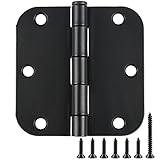
I bought my first house a few years back, and let me tell you, the previous owner had a thing for cheap, flimsy hardware. Every single door hinge on the place looked like it had been dipped in disappointment. The paint was peeling, they squeaked like a dying mouse, and one even just… fell apart. It made me wonder, what’s the deal with hardware that’s supposed to last forever? Specifically, I started asking myself, are door hinges brass?
It’s a simple question, but the answer isn’t always straightforward, and a lot of what you read online is pure marketing fluff. Let’s cut through the noise.
What’s the Deal with Brass Hinges Anyway?
Okay, so you’re looking at hinges, and you see words like “solid brass,” “brass plated,” “brass antique,” and your brain starts to melt. What does it all mean for your actual doors? My own journey started with a frankly embarrassing moment where I replaced a hinge with one that looked identical, only to have it sag within a month. Turns out, “brass-colored” is not the same as “made of brass.” This whole mess taught me that understanding the material is key to not wasting your hard-earned cash.
Brass itself is an alloy, mostly copper and zinc. The ratio matters. Higher copper content often means better corrosion resistance and a warmer color. But when we talk about door hinges, the term “brass” can be a bit of a shell game.
You’ve got solid brass, which is the real deal – it’s brass all the way through. Then you have brass-plated, which is usually steel or another metal underneath with a thin layer of brass electroplated on top. This looks nice initially, but that plating can wear off, scratch, or even corrode, revealing the less attractive metal beneath. I learned this the hard way when a “brass” hinge on my bathroom door started showing rusty spots after a particularly humid summer.
Ugh.
There’s also “brass-coated” or “brass-finished,” which are often just painted or lacquered metal to look like brass. These are usually the cheapest options and the first to look cheap when the finish chips. Honestly, for anything other than decorative, non-functional applications, I’d steer clear. The visual appeal of brass is undeniable – that warm, rich glow adds a touch of class. But if the underlying material can’t handle the weight and movement of a door, the looks don’t matter much.
So, when you see “solid brass,” that’s generally what you want for durability and long-term appearance, especially for exterior doors or heavier interior doors. For lighter interior doors where appearance is the main driver and the hinge isn’t bearing much load, a good quality brass-plated hinge might suffice, but I’d still be wary of the longevity. I once installed a set of admittedly beautiful brass-plated hinges on a lightweight closet door, and while they looked great for about two years, the constant opening and closing started to wear down the plating near the pin. It wasn’t catastrophic, but it was a visible reminder of the compromise.
Debunking the ‘brass Is Best’ Myth
Alright, let’s talk brass. Everyone online seems to tout solid brass hinges as the ultimate, life-changing upgrade for any door. And yeah, they can be great. They look fantastic, they’re resistant to rust and corrosion, and they feel substantial. But here’s my contrarian take: solid brass hinges are often overkill and way too expensive for 90% of the doors in your house.
Why? Because the common advice is to swap out every single hinge for solid brass. That’s a ridiculous expense for interior doors that don’t see heavy use or carry massive weight. Think about it – your average interior bedroom or closet door?
It’s not a vault door. It’s usually made of hollow-core composite or light solid wood. (See Also: A Box Without Hinges Key )
The hinges on these don’t need to support hundreds of pounds or withstand salty sea air. What they do need is to move smoothly and not sag. For these applications, a good quality steel hinge, properly installed and perhaps coated with a durable finish (like satin nickel, oil-rubbed bronze, or even a nice powder coat), will perform just as well and last for ages, for a fraction of the cost.
I spent a small fortune on solid brass hinges for my upstairs hallway when I first moved in, thinking I was making the ultimate quality upgrade. They looked great, sure, but the doors themselves were basic hollow-core. The real improvement, the one that stopped the squeaks and made the doors feel more solid, came from simply making sure the hinges were properly aligned and lubricated.
The brass was just… expensive decoration.
The myth that only brass is durable is just that – a myth perpetuated by manufacturers pushing their higher-margin products. High-quality steel hinges, especially stainless steel or those with solid coatings like zinc or nickel plating, are incredibly durable and corrosion-resistant.
They can handle the load and the movement of most doors just fine. The key isn’t just the material, but the quality of construction: the thickness of the metal, the smoothness of the pin mechanism, and the precision of the barrel. A well-made steel hinge will outperform a poorly made solid brass one any day of the week.
So, before you go bankrupt buying brass for every door, ask yourself: does this door really need it? Usually, the answer is no. You’re paying a premium for material properties that aren’t even being tested by the door’s actual function.
When Brass Actually Makes Sense
Now, don’t get me wrong. There are absolutely situations where brass hinges are not just a good idea, but the only sensible choice. If you’re living in a coastal environment, for instance, the salt in the air is a brutal enemy to most metals. Standard steel hinges will rust and corrode with alarming speed, leaving unsightly stains and eventually compromising their structural integrity.
Solid brass, with its high copper content, has excellent natural resistance to corrosion. I have a friend who lives right on the beach, and his exterior doors, which are constantly battered by sea spray, need solid brass hinges. Anything else he tried just turned into a rusty mess within a year or two. He learned this after a costly experiment with powder-coated steel that failed miserably against the ocean air.
Another scenario where brass shines is for very heavy doors. Think solid wood interior doors, exterior entry doors made of thick timber, or even custom-built statement doors. These doors put a significant strain on their hinges.
While high-quality steel hinges can also handle this, solid brass offers a combination of strength, weight, and aesthetic appeal that’s hard to beat. The weight of the brass itself adds to the sense of quality and stability. I remember installing a massive, solid oak front door at a client’s place, and the contractor insisted on solid brass strap hinges. They looked incredible and felt rock-solid, completely justifying the cost for that specific application. (See Also: Are Integrated Washing Machine Door Hinges Standard )
The heft was palpable, and they’ve held up perfectly for the past five years.
Finally, let’s talk aesthetics, because sometimes, you just want it to look right. If you’re going for a specific historical look – like Victorian, Edwardian, or certain rustic styles – solid brass hinges (or very high-quality reproductions with a genuine brass finish) are often the only way to achieve that authentic feel. The warm, antique patina that brass can develop over time is part of its charm and can tie a whole room together. Trying to fake that look with painted hinges just looks… fake.
For a truly high-end renovation or a period-specific restoration, the investment in solid brass hardware can make a significant difference to the overall authenticity and perceived value of the property. It’s about the detail, and for some projects, those brass details are a must.
Brass Hinge Material Breakdown
| Type | Material | Pros | Cons | Verdict |
|---|---|---|---|---|
| Solid Brass | Brass (Copper & Zinc Alloy) | Excellent corrosion resistance, durable, beautiful aged patina, feels premium | Expensive, can be softer than steel (less so for quality hardware) | Best for coastal areas, heavy doors, and high-end/historic aesthetics. Overkill for most interior doors. |
| Brass Plated | Steel or other metal core with thin brass plating | Looks like brass at a lower cost, widely available | Plating can wear off/scratch, less corrosion resistant than solid brass, can look cheap when damaged | Okay for light-duty interior doors where appearance is most important and budget is tight, but expect limited lifespan. |
| Brass Finished/Coated | Steel or other metal with paint/lacquer to mimic brass | Cheapest option, wide variety of colors/finishes | Finish easily chips/scratches, no real brass benefits, can look very cheap quickly | Avoid for functional doors. Only suitable for purely decorative, non-moving applications. |
Installation & Maintenance: Beyond the Material
So, you’ve decided brass is the way to go for your specific needs, or maybe you’re sticking with a high-quality steel. Great. Now, what? Because I’ve seen expensive hinges fail prematurely not because of the material, but because of shoddy installation. It’s like buying a Ferrari and then letting your kid drive it with bald tires. Pointless.
First, the screws. People often skimp here, using whatever old screws they have lying around. Big mistake. Use the screws that come with the hinges, or high-quality, appropriately sized screws. For heavier doors, you might even need longer screws that go into the studs behind the door frame for maximum support. I once had a door start to sag because the original screws were too short and just chewing up the drywall. Replacing them with longer, sturdier screws that bit into the wood frame made an immediate, noticeable difference. It’s the foundation of good hinge performance.
Next, alignment. Hinges need to be perfectly aligned for the door to swing smoothly and close without binding. This means the mortise (the recess in the door and frame where the hinge leaf sits) needs to be the right depth, and the hinge leaves need to be flush with the surface. If a hinge leaf sits proud, it will bind the door. If the mortise is too deep, the door will sag. It sounds simple, but getting it perfect can take patience and a good chisel. I spent about three hours on one particularly stubborn door, constantly adjusting the mortise depth by fractions of a millimeter. The result? A door that now swings like a dream.
Maintenance is also key. Even solid brass hinges can benefit from occasional cleaning and lubrication. Dust and grime can build up in the barrel and on the pin, leading to squeaks and stiffness.
A little bit of graphite powder or a light machine oil applied to the pin can work wonders. For brass, using a good brass cleaner will keep that shine. If you’ve got a living brass finish, avoid harsh chemicals that will strip the patina you might actually want.
For steel hinges, a quick wipe-down and a dab of lubricant every year or two is usually all they need to keep them happy. Don’t wait for them to start screaming at you with a squeak; a little preventative care goes a long way.
DIY Hinge Alignment Guide
- Assess the Sag: Open and close the door slowly. Does it scrape the floor or the frame? Is there a visible gap on one side?
- Check Screw Tightness: Make sure all hinge screws are snug. If they feel loose, they might be stripped.
- Mortise Depth Check: Remove the hinge. Is the hinge leaf flush with the door/frame edge when reinstalled? If not, carefully chisel out more wood or shim the mortise with thin cardboard or veneer.
- Pin Alignment: Make sure the hinge pin is fully seated. Sometimes, tapping it gently with a hammer can help.
- Lubricate: Apply a small amount of graphite powder or light oil to the hinge pin. Work the door back and forth to distribute.
- Test and Adjust: Repeat opening and closing. Make fine adjustments as needed.
Common Mistakes and What to Avoid
I’ve made my fair share of mistakes when it comes to door hardware, and I’m sure I’ll make more. But hopefully, sharing them can save you some pain and money. The biggest blunder I see people make, and one I’ve certainly fallen for, is confusing appearance with substance. Just because a hinge looks nice and shiny doesn’t mean it’s built to last or perform well. (See Also: Are Hinges Wheeels )
One of the most common traps is buying cheap, “decorative” hinges from big box stores that are often brass-plated steel or even just painted plastic meant to look like brass. They’re dirt cheap, they look okay in the package, but they are built for very light use – think a tiny cabinet door.
Stick them on a standard interior door, and you’ll be lucky if they last a year before the plating wears off or the pin becomes loose, leading to sag. I once bought a pack of these for a set of pantry doors.
Within six months, they were visibly tarnished and the doors were already starting to droop. It was a perfect example of “buy cheap, buy twice.” The initial saving was wiped out by the hassle and cost of replacement.
Another mistake is going overboard with the “solid brass” obsession. As I’ve said, for most interior doors, it’s unnecessary and a huge waste of money. You’re paying a premium for corrosion resistance you don’t need and strength the door doesn’t demand. It’s like buying a race car engine for your grocery getter – overkill. Focus your budget on quality where it counts: exterior doors, heavy interior doors, and high-traffic areas. For standard interior doors, a good quality steel hinge with a durable finish is usually the smart choice.
Over-tightening screws is another classic error. While you want screws to be snug, cranking down on them too hard, especially in softer wood, can strip the screw hole or even crack the wood. This compromises the hinge’s ability to support the door and can lead to sagging or binding. Always use the right screwdriver and apply firm but controlled pressure. If a screw keeps turning without tightening, the hole is likely stripped, and you’ll need to repair it, perhaps with wood filler or a dowel, before re-inserting the screw.
Finally, don’t ignore the finish. Different finishes offer different levels of durability and maintenance. A highly polished brass, while beautiful, can show fingerprints and scratches easily. A brushed or satin finish can hide minor blemishes better. If you’re going for a specific look, make sure the finish is applied well. Some cheap finishes can chip or flake off, ruining the aesthetic and potentially exposing the base metal to corrosion.
Common Hinge Mistakes to Avoid
- Buying purely decorative hinges for functional doors.
- Overspending on solid brass for low-stress interior doors.
- Using incorrect or low-quality screws.
- Over-tightening screws, stripping holes, or cracking wood.
- Ignoring hinge alignment during installation.
- Choosing a finish that requires excessive maintenance for your lifestyle.
Verdict
So, are door hinges brass? Sometimes, yes, and for specific reasons. But the blanket statement that all hinges should be brass is a fallacy I’ve fallen for myself, and it’s an expensive one. For most of my interior doors, I’ve found that a good quality steel hinge with a decent finish does the job perfectly, saving me a significant chunk of change.
The real takeaway is to assess your needs. Is it an exterior door facing the elements? Is it a heavy, solid wood beast that needs serious support? Or is it just a lightweight interior door that needs to open and close without embarrassing squeaks? Your answer will guide you to the right material and finish, saving you from both premature failure and unnecessary expense.
Next time you’re staring at a wall of hinge options, remember this: function and quality of construction often trump material hype. Choose wisely, install properly, and your doors will thank you.