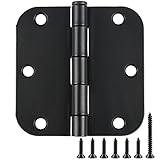
I remember the first time I tried to replace a squeaky door hinge. I grabbed what looked like a decent hinge at the hardware store, thinking any old metal would do. Turns out, ‘any old metal’ can mean a whole lot of squeaking, rusting, and general annoyance down the line. So, the question ‘are door hinges made of brass’ is more than just curiosity; it’s about understanding what you’re actually buying. Brass hinges have a reputation, and for good reason, but the reality isn’t always as simple as ‘brass is best’.
I’ve spent my fair share of weekends wrestling with hardware that just didn’t cut it. Wasted money, bruised knuckles, and doors that sagged like a bad toupee – I’ve been there. That’s why I want to cut through the noise and give you the straight dope on door hinges, especially when brass is on the table. Forget the fancy marketing; let’s talk about what works and what’s just a pretty face.
Brass Hinges: More Than Just a Pretty Finish
Look, nobody wants a door that groans like a medieval torture device every time it opens. And let’s be honest, a lot of people associate brass with quality, especially for something like door hardware. So, when you’re staring at a wall of shiny metal, you’re probably asking yourself, ‘are door hinges made of brass,’ and more importantly, ‘should they be?’ The simple answer is yes, they can be, and often are, made of brass. But here’s the kicker: not all brass is created equal, and not all hinges that look brass actually are.
You’ll see hinges described as solid brass, brass-plated, or even made of materials that just have a brass-like coating. Solid brass is the real deal. It’s an alloy, usually copper and zinc, and it’s naturally corrosion-resistant. This means it won’t rust like cheap steel or iron, which is a massive win, especially if you’re putting them on exterior doors or in humid bathrooms. I once installed a cheap, plated hinge on an old shed door. Within a year, the plating flaked off, exposing rusty metal that looked like it had a bad case of acne. It was embarrassing and, more importantly, the hinge started sticking.
The weight and feel of a solid brass hinge are different. They feel substantial.
When you’re picking one up, give it a heft. If it feels too light, it’s probably not solid brass.
It might be hollow or, worse, made of steel with a brass-colored coating. That coating looks good for a while, but it’s often the first thing to go, leaving you with a hinge that’s both ugly and functionally compromised. For interior doors, especially those that get a lot of use, solid brass offers durability and a smooth operation that cheaper alternatives just can’t match.
It’s about longevity. You pay a bit more upfront, but you avoid the headache of replacing them a few years down the line. That’s the kind of value I appreciate.
The Real Deal: Solid Brass vs. Everything Else
Okay, so we’ve established that ‘brass’ can mean a few different things. When you’re shopping, you need to be sharp. The most common confusion is between solid brass and what’s often called ‘brass-plated’ or ‘brass-coated’. I’ve fallen for this trap before, thinking I was getting a bargain on brass hinges, only to realize I’d bought glorified steel. It’s a classic case of style over substance. (See Also: A Box Without Hinges Key )
Solid brass hinges are made from an alloy of copper and zinc. The most common type used for hardware is architectural bronze, which is a type of brass. It’s naturally resistant to corrosion, which is why it’s often used in humid environments or outdoors. I once had to replace hinges on a bathroom door that were constantly exposed to steam. The cheap ones rusted through in less than two years. Swapping them for solid brass felt like a minor miracle; no more rust spots, no more sticking.
Brass-plated hinges have a thin layer of brass applied over a base metal, usually steel. They look like brass, and they’re cheaper, which is why they’re so popular. The problem is that plating can scratch, chip, or wear away over time, exposing the base metal underneath. Once that happens, you’re back to square one: rust, corrosion, and a hinge that doesn’t perform. I learned this the hard way with a set of decorative interior door hinges. They looked great for about a year, then the edges started to show a dull grey where the plating had worn off from my kids bumping into the door. It looked terrible, and I ended up having to replace them anyway.
Then there are ‘lacquered brass’ hinges. These are usually solid brass that have been coated with a clear lacquer to protect the finish and prevent tarnishing. This is a good option if you like the bright, shiny look of brass and want it to stay that way. The downside is that the lacquer can eventually wear off, especially in high-traffic areas or if you clean them with harsh chemicals. If you’re going for a more natural, antique brass look, you might opt for unlacquered solid brass, which will develop a patina over time. It’s a matter of personal taste, but knowing what you’re buying is key.
When Does Brass Make Sense (and When It Doesn’t)
So, are door hinges made of brass the be-all and end-all? Not exactly. There are times when brass is overkill, and times when it’s an absolute lifesaver. I’m all about using the right tool for the job, and that applies to hardware too. You wouldn’t use a sledgehammer to crack a walnut, right?
For interior doors in a standard, dry environment – like a bedroom or a living room that doesn’t get blasted with humidity – solid brass hinges are often more than you need. Honestly, good quality steel hinges, properly finished and lubricated, will serve you perfectly well for decades. I’ve got original steel hinges on my 1950s house that still work like a charm, and they’ve never seen a spec of brass. The common advice is that brass is the best for all doors, and I think that’s just plain wrong. It’s a great material, but sometimes you’re paying extra for benefits you don’t actually need.
Where brass really shines, and where I’d absolutely recommend it, is in high-moisture areas or for exterior doors. Think bathrooms, kitchens, laundry rooms, or any door that’s exposed to the elements. The natural corrosion resistance of solid brass prevents rust and staining. I’ve seen the damage rust can do – ugly brown streaks running down a nice painted door, or a hinge seizing up completely.
For an exterior door, especially one on a coastal property where salt air is an issue, solid brass is almost a no-brainer. It’s an investment in preventing future problems. I replaced the hinges on my front door with solid brass a few years back, and even with the sea air, they look as good as the day I put them on.
Another area where brass is a good choice is for heavier doors. Solid brass hinges are typically more solid and can handle the weight better than thinner, plated steel hinges. If you have a solid wood door or a door with glass inserts, the extra strength of brass can be a real advantage. It helps prevent sagging and keeps the door operating smoothly for longer. So, while you don’t need brass for every single door in your house, for important applications or in challenging environments, it’s definitely worth considering. (See Also: Are Integrated Washing Machine Door Hinges Standard )
Common Mistakes When Buying Door Hinges
You’d think buying a hinge would be straightforward, but oh boy, have I seen people (myself included) mess it up. It usually comes down to either getting ripped off by misleading marketing or just not knowing what to look for. Let’s avoid those common pitfalls.
The biggest mistake is assuming ‘brass’ means solid brass. As we’ve talked about, brass-plated hinges are everywhere, and they’re designed to look like the real deal at a lower price point. If the price seems too good to be true for what looks like a solid brass hinge, it probably is. Always check the product description. Look for terms like ‘solid brass,’ ‘solid brass construction,’ or ‘architectural bronze.’ If it just says ‘brass finish,’ ‘brass-colored,’ or ‘brass-plated,’ steer clear if you want long-term durability.
Another mistake is not considering the finish. Hinges come in all sorts of finishes: polished brass, antique brass, brushed brass, oil-rubbed bronze (which often has brass components), and more.
Some finishes, like polished brass, might be lacquered to prevent tarnishing. If you don’t want to deal with the maintenance of polished brass, an antique brass or brushed brass finish might be better.
They often have a more forgiving patina and don’t show fingerprints as readily. I made the mistake of getting super high-gloss polished brass hinges for my study door. They looked amazing for about a week, but every touch left a smudge, and keeping them clean was a constant battle.
I ended up swapping them for brushed brass, which still looks elegant but is way easier to live with.
Don’t forget about the screw holes. Most hinges have either round-top or square-top corners. You need to match the hinge to your door and frame. Also, consider the pin. Some hinge pins are fixed, while others are removable. Removable pins can be a security feature, allowing you to lift the door off its hinges when it’s closed (useful for security or if you need to get a large piece of furniture through a doorway). Finally, pay attention to the weight rating of the hinge, especially for heavy doors. While brass is strong, some hinges are designed for lighter duty than others. Always check the manufacturer’s specifications if you have a particularly heavy door.
Comparing Hinges: A Practical Guide
Choosing the right hinge can feel like navigating a minefield, but a good comparison table can help clear things up. I’ve put together a quick rundown of what to look for, with my own two cents thrown in. Remember, this is based on years of hands-on experience, not just what the marketing flyers say. (See Also: Are Hinges Wheeels )
| Feature | Solid Brass | Brass-Plated Steel | Other Metals (e.g., Steel, Stainless Steel) |
|---|---|---|---|
| Corrosion Resistance | Excellent (natural) | Poor (plating wears off) | Varies. Stainless steel is excellent; coated steel is fair. |
| Durability/Strength | Very Good to Excellent (depending on thickness) | Good (base metal is strong, but plating is weak point) | Good to Excellent (especially stainless steel) |
| Appearance | Varies by finish (polished, antique, etc.); develops patina if unlacquered. | Looks like brass initially; can look cheap when plating wears. | Wide range of finishes; can be painted or coated. |
| Price | High | Medium | Low to Medium |
| Best Use Cases | Exterior doors, high-moisture areas (bathrooms, kitchens), heavy doors, where longevity is most important. | Low-traffic interior doors where appearance is prioritized over long-term performance; budget projects. | General interior doors in dry environments, utility doors, where cost is a primary factor. Stainless is good for coastal or industrial. |
| My Verdict | Worth the splurge for important applications and where rust is a concern. Don’t overpay for it on every interior door. | Avoid for anything beyond decorative, low-use doors. Mostly a trap for the unwary. | Reliable workhorses for most interior needs. Don’t discount good quality steel or stainless. |
When I’m picking hinges, I’m always thinking about the environment the door is in. For my main bathroom door, which gets steamy, I went with solid brass, even though it cost about $15 more per hinge than good steel. It’s been three years, and they still look perfect, no signs of rust or pitting. For the closet doors in the hallway, standard steel hinges were absolutely fine. I paid around $5 a hinge and they operate smoothly. It’s about not wasting money on features you won’t benefit from.
Faq: Your Burning Hinge Questions Answered
Are Brass Door Hinges Worth the Extra Cost?
For exterior doors or doors in high-moisture areas like bathrooms and kitchens, yes, solid brass hinges are often worth the extra cost. Their natural resistance to corrosion prevents rust and staining, which can ruin both the hinge and the door over time. For standard interior doors in dry environments, high-quality steel hinges are usually sufficient and a more cost-effective choice.
Can You Paint Brass Door Hinges?
You can paint brass door hinges, but it’s not always recommended if you want a durable finish. For best results, you’ll need to properly clean and prime the brass first, as paint doesn’t adhere well to smooth metal surfaces. If the hinges are lacquered, you’ll need to remove the lacquer. Often, a painted finish will chip or scratch over time, revealing the brass underneath, which can look messy.
How Do I Know If a Hinge Is Solid Brass or Plated?
The best way is to check the product description or packaging for terms like ‘solid brass’ or ‘solid brass construction.’ If it only says ‘brass finish’ or ‘brass-plated,’ it’s not solid. You can also try tapping the hinge; solid brass will have a deeper tone, while plated steel will sound more metallic or hollow. Additionally, solid brass hinges will feel heavier and more substantial than their plated counterparts.
What’s the Difference Between Lacquered and Unlacquered Brass Hinges?
Lacquered brass hinges have a clear protective coating applied to prevent tarnishing and maintain a bright, shiny appearance. This finish is good if you want the classic polished brass look and don’t want to deal with maintenance. Unlacquered brass hinges will naturally oxidize and develop a patina over time, giving them a richer, more antique look. This patina can be appealing but also means the hinge will darken and change color.
Are Stainless Steel Hinges a Good Alternative to Brass?
Yes, stainless steel hinges are an excellent alternative, especially in very harsh environments like coastal areas with salt spray, or industrial settings. They offer superior corrosion resistance to most types of brass and are very durable. While they may not have the same aesthetic appeal as polished brass for some, they are a highly practical and long-lasting choice for demanding applications.
Final Thoughts
So, to circle back to the initial question: are door hinges made of brass? Yes, they absolutely can be, and solid brass hinges offer some serious advantages, particularly in terms of longevity and corrosion resistance. But don’t be fooled by the shine of brass-plated imposters. For most interior doors in average homes, good quality steel hinges are perfectly adequate, and you can save your money for areas where brass truly makes a difference.
My advice is to be a smart shopper. Understand what you’re buying. If you’re looking for a hinge that will last through thick and thin, and especially if it’s going on an exterior door or in a steamy bathroom, solid brass is a solid choice. Just make sure it’s solid brass, not just pretending to be.
Next time you’re replacing a hinge, take a moment. Feel the weight. Read the description. A few extra dollars spent on the right material can save you a lot of headaches and a lot of money in the long run. It’s about making informed decisions for your home, not just grabbing the shiniest object on the shelf.