I’ve got this ridiculous tangle of cords behind my workbench that makes me want to cry. For years, I’ve been trying to figure out how to power a couple of things simultaneously without running a whole new circuit. Enter the double male plug adapter. On paper, it sounds like a dream: plug one into the wall, and suddenly you have two outlets where there was one. But is it actually a good idea? I’ve seen some questionable setups over the years, and frankly, the question of ‘are double male plugs extension cords safe?’ has kept me up at night more than once.
I remember a buddy’s garage where he had three of these daisy-chained together to power a fan, a radio, and some Christmas lights. It looked like a spaghetti monster, and frankly, it was terrifying. We’re talking about shoving more power through one existing outlet than it was ever designed to handle. It’s a recipe for disaster if you’re not careful.
The Real Deal on Double Male Plugs: What They Are and How They Work (sort Of)
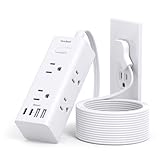
Alright, let’s get down to brass tacks. A double male plug adapter, sometimes called a duplex plug or a pig-tail adapter, is basically a short piece of cord with a male plug on both ends. You plug one end into a wall receptacle or an existing extension cord, and the other end has a female receptacle (or sometimes two) where you can plug in your devices. The idea is simple: more power outlets, instantly. Sounds great, right? Well, hold your horses.
The problem isn’t usually with the adapter itself, assuming it’s manufactured to decent standards and isn’t frayed or damaged. Most of these adapters are designed to split the load of one outlet into two.
Where things go south fast is when people forget the golden rule of electricity: amps add up. Every device you plug in draws a certain amount of amperage. That wall outlet has a maximum amperage rating, usually 15 or 20 amps. Your extension cord also has a gauge and a maximum amperage rating.
If you overload that single point of entry with too many power-hungry devices, you’re asking for trouble. Think melted plastic, tripped breakers, and in the worst-case scenario, a fire. I learned this the hard way trying to run my old shop vac and a bench grinder off a single outlet using one of these adapters. The lights dimmed, the grinder sputtered, and I could feel the plastic adapter getting uncomfortably warm.
That was my cue to unplug everything and reassess.
It’s like trying to cram too many people into a tiny elevator. Eventually, something’s gotta give, and it’s usually not pretty. The adapter is just a conduit; it doesn’t create more power. It simply reroutes what’s already there. The real danger lies in exceeding the capacity of the wiring behind the wall, the circuit breaker, or the extension cord you’re plugging into.
For light-duty stuff, like plugging in a phone charger and a small lamp, it’s generally fine. But if you’re looking to power a space heater, a microwave, and a toaster oven simultaneously through one of these, you’re playing with fire. Literally. The common advice to ‘always check the wattage’ is good, but it’s often not enough if you don’t understand how circuit loads work. You have to consider the combined draw of everything on that entire circuit, not just what’s plugged into that one outlet. This is where many folks get tripped up.
When “more Is Better” Becomes Dangerously Wrong
This is where I see most people go completely off the rails. They see a double male plug adapter and think, “Awesome! Another outlet!” They then proceed to plug in devices that, individually, might be fine, but together, they’re a recipe for a tripped breaker or worse. I’ve seen people plug power strips into these adapters, and then plug more power strips into those. It’s a cascade of bad decisions waiting to happen. It’s the electrical equivalent of stacking dominoes, except instead of a satisfying topple, you get sparks and smoke.
My own idiot moment involved trying to run a couple of tools in my basement workshop. I had a drill charging, a portable dust collector, and a band saw. I thought, “No problem, I’ll just use this double male plug adapter on the main outlet down there.” Within five minutes of firing up the band saw, poof, the breaker tripped.
Annoying, but fine. The next time, I tried to be smarter. I unplugged the drill charger. (See Also: Can Extension Cords Short Out )
The band saw ran for maybe ten minutes before the adapter itself started to feel warm to the touch. I yanked everything out, unplugged the adapter, and went to plug the band saw directly into the wall. It worked perfectly. The adapter, it turned out, was the weak link, and it was getting overloaded trying to split the load for the saw and the dust collector.
It wasn’t designed for that kind of sustained, high-draw usage.
The common advice is often to only use these for low-draw items. That’s decent advice, but ‘low-draw’ is subjective and depends entirely on your home’s wiring. A 15-amp circuit can only handle so much. If you have a bunch of things already running on that same circuit – say, your refrigerator, your microwave, and your coffee maker are all on the same breaker – adding even a moderate load through an adapter can push it over the edge. It’s not just about the plug; it’s about the entire pathway the electricity takes from the breaker box to your device.
A contrarian opinion? While many preach caution, I’d say the real problem isn’t the adapter itself as much as the user’s ignorance of their home’s electrical capacity. If you actually understood your breaker panel and the typical load of your appliances, a double male plug adapter could be used safely for specific, well-planned purposes. But most people don’t, and that’s why they’re often seen as dangerous. It’s a tool that requires knowledge, and many lack it.
What to Look for: Building a Safer Setup
If you absolutely must use a double male plug adapter, or any kind of splitter, the quality of the product matters. Don’t grab the cheapest thing you can find at the dollar store. Look for adapters that are UL Listed or ETL Certified. This means they’ve been tested by an independent safety organization and meet certain safety standards. It’s not a guarantee against misuse, but it’s a baseline of quality you shouldn’t skip.
Pay attention to the gauge of the cord. Thicker wires (lower gauge number) can handle more current safely. For any adapter that you’ll be using for more than just a tiny load, a 14-gauge cord is preferable to a 16-gauge. Also, check the receptacle ratings. Most standard household outlets are rated for 15 amps. If the adapter has multiple receptacles, make sure the total draw doesn’t exceed the rating of the original outlet or extension cord it’s plugged into. It’s easy to get confused by the numbers, but at its core, it’s about not asking more than the wire can handle.
The condition of the adapter is also most important. Inspect it for any nicks, cuts, or exposed wires. The plugs should be firm and not loose. If you see any discoloration or melting around the plug or receptacle, toss it immediately. Don’t try to fix it. The risks are far too high.
Here’s a quick rundown of what I look for:
| Feature | What to Look For | My Verdict |
|---|---|---|
| Certification | UL Listed or ETL Certified | A must for peace of mind. |
| Cord Gauge | 14-gauge or thicker (lower number) | Better for higher loads, less heat. |
| Receptacle Type | Standard 15A grounded outlets | Avoid anything unusual unless you know why. |
| Build Quality | Sturdy construction, no loose parts | Feels solid, won’t easily break. |
| Condition | Pristine, no damage whatsoever | If it’s damaged, it’s trash. |
Basically, you want a product that feels substantial, is properly certified, and has a cord thick enough to handle whatever you reasonably intend to plug into it. But remember, ‘reasonable’ is the key word here.
Real-World Use: When and Where They (might) Work
So, when are double male plugs extension cords safe? In my experience, they’re best suited for temporary, low-power situations. Think about plugging in a phone charger and a small desk lamp for a short period. Or powering a fan and a radio in a workshop where you’re not running any heavy machinery simultaneously. These are scenarios where the combined amperage draw is well within the limits of the original outlet and extension cord.
I’ve found them useful for setting up temporary holiday decorations. Instead of running multiple extension cords across the yard, I might use one to power a couple of strings of LED lights on a single outdoor-rated outlet. LED lights are incredibly efficient, so the power draw is minimal. It’s about choosing the right tool for the right job, and understanding the job’s requirements. (See Also: Can Extension Cords Be Use With Electric Heaters )
A scenario where I wouldn’t touch them with a ten-foot pole is in a kitchen. Kitchen outlets are notorious for being on circuits that get overloaded with microwaves, toasters, coffee makers, blenders, and the like. Adding a splitter here is asking for a tripped breaker at best, and a potential fire hazard at worst. Similarly, I’d avoid them for anything that draws a lot of heat, like space heaters, hair dryers, or power tools that have a high continuous draw. These devices are power hogs, and they deserve their own dedicated outlet or a heavy-duty extension cord that can handle their load without any adapters.
Here’s a little personal story: I had a job site once where I needed to power a small laptop and a cordless drill charger. The only outlet available was already powering a couple of LED work lights. I grabbed a decent-quality, UL-listed double male plug adapter and plugged in my laptop charger and the drill charger. It worked fine for the whole day. The combined draw was very low. The lights stayed on, the laptop charged, and the drill topped up. This was a situation where the adapter was appropriate – temporary, low-draw devices, and I knew the existing circuit wasn’t already burdened.
The key takeaway here is context. They aren’t inherently evil devices, but they are incredibly easy to misuse. They offer convenience, but that convenience comes with a responsibility to understand the electrical load you’re creating.
Common Mistakes That Turn Safety Into a Hazard
The biggest mistake, hands down, is the ‘daisy-chaining’ or ‘piggybacking’ of adapters and power strips. I’ve seen people plug a triple-tap into a double male plug adapter, and then plug a power strip into that. This creates multiple connection points, each of which can be a potential failure point, and dramatically increases the risk of overloading the original circuit. It’s like building a tower of Jenga blocks – eventually, it’s going to fall. Each connection adds resistance and potential for heat buildup.
Another common mistake is assuming that because an outlet or extension cord looks capable, it is. Many older homes have wiring that simply isn’t up to modern electrical demands. Plugging a high-draw appliance into an adapter on an old, undersized circuit is a recipe for disaster. The adapter might be rated for 15 amps, but if the wiring behind the wall can only safely handle 10 amps, you’re in trouble. Always err on the side of caution and assume the worst if you’re unsure about the wiring’s age or capacity.
Using indoor-rated adapters outdoors or in damp locations is another huge no-no. Electricity and water do not mix. These adapters, unless specifically designed and rated for outdoor use (usually indicated by a green dot or ‘Wet Location’ rating), are not protected against moisture ingress, which can lead to shorts, shocks, and fires. Even in a garage, where there might be dust or occasional spills, an indoor adapter is not ideal if there’s any risk of moisture.
Overlooking the condition of the existing extension cord is also a frequent oversight. If you plug a double male adapter into a frayed, old, or undersized extension cord, you’re just amplifying the problem. The extension cord itself is a potential weak point. Always inspect the extension cord first. If it looks suspect, replace it before you even think about adding an adapter.
Finally, there’s the simple act of plugging in something that’s too powerful. People see a double male plug adapter and think they can now power two high-wattage devices. This is fundamentally misunderstanding how power works. The adapter doesn’t magically increase the capacity of the circuit. It just splits the existing capacity, and often introduces more resistance. It’s a classic case of ‘wishful thinking’ leading to dangerous outcomes.
Practical Tips for Safer Electrical Connections
If you’re going to use any kind of plug adapter or splitter, here are a few practical tips that have saved me headaches (and potential fires):
- Know Your Loads: Before plugging anything in, add up the wattage or amperage of all the devices you intend to use. You can usually find this information on the device’s label or in its manual. Then, find out the amperage rating of the outlet or extension cord you’re plugging into. For most standard household circuits, this is 15 amps. Don’t exceed about 80% of that rating for continuous use (so, around 12 amps on a 15-amp circuit).
- Inspect Everything: Always, always, always inspect the adapter, the extension cord, and the wall outlet before use. Look for any signs of damage, fraying, discoloration, or loose connections. If anything looks off, don’t use it.
- Use Certified Products: Stick to adapters that are UL Listed or ETL Certified. This is your first line of defense against shoddy manufacturing.
- Think About Cord Gauge: For anything more than a very light load, opt for adapters with thicker cords (lower gauge number). This means they can handle more current with less heat buildup.
- Limit Connections: Avoid daisy-chaining multiple adapters or power strips. One adapter is often pushing it; more than that is generally a bad idea.
- Consider the Environment: If you’re using it outdoors or in a damp area, make sure it’s specifically rated for that environment.
- Prioritize Dedicated Circuits: For high-draw appliances like space heaters, microwaves, or power tools, the safest bet is always to plug them directly into a wall outlet on a dedicated circuit, or at least a circuit that you know can handle the load without other devices running.
- When in Doubt, Don’t: This is the golden rule of electrical safety. If you’re unsure whether a setup is safe, it probably isn’t. It’s better to be safe and inconvenience yourself slightly than to risk damage or injury.
I learned this the hard way about five years ago. I needed to power a small pump for a water feature in my yard.
The nearest outlet was a standard outdoor outlet on the side of my house. I used a decent adapter to plug in the pump and a string of low-wattage LED lights. Everything worked fine for a couple of weeks. (See Also: Are Outdoor Extension Cords 10 Or 12 Gauge )
Then, one evening, I heard a faint sizzling sound. I ran outside, and the adapter was smoking! The pump was still running, but the lights had gone out.
I unplugged it immediately. Turns out, the pump drew more power than I expected, and combined with the lights, it overloaded the adapter, causing it to overheat and melt. I replaced the adapter with a heavy-duty outdoor-rated extension cord that ran directly from a different, more solid outlet, and I’ve been much more diligent about checking the power requirements ever since. The $10 adapter cost me a potential fire.
Not worth it.
Frequently Asked Questions About Double Male Plugs
Can I Plug a Space Heater Into a Double Male Plug Adapter?
Absolutely not, under almost all circumstances. Space heaters are notorious power-hogs and can draw 1500 watts or more. Plugging one into an adapter, especially if anything else is on that circuit, is an extremely high risk for overloading the wiring, tripping breakers, or causing a fire. Dedicated circuits are a must for these appliances.
Are Double Male Plugs Extension Cords Safe for Charging Electronics?
Generally, yes, for charging typical electronics like phones, laptops, and tablets. These devices draw relatively low power. However, avoid plugging multiple high-draw chargers or other appliances into the same adapter simultaneously. Always check the combined wattage or amperage to make sure you’re not exceeding the capacity of the original outlet or extension cord.
What’s the Difference Between a Double Male Plug Adapter and a Power Strip?
A double male plug adapter typically has one male plug on one end and one or two female receptacles on the other, effectively splitting one outlet into two. A power strip usually has a longer cord with multiple female receptacles, allowing you to plug in several devices at once. Both can be used to increase the number of available outlets, but the safety considerations regarding load capacity are similar for both.
Can I Plug an Extension Cord Into Another Extension Cord with a Double Male Plug Adapter?
No, this is called ‘daisy-chaining’ and is extremely dangerous. You should never plug an extension cord into another extension cord, nor should you plug multiple adapters together. Each connection point increases resistance and the risk of overheating and fire. Use the longest extension cord you need, or an adapter only once to an existing outlet or cord.
Are Ul Listed Adapters Truly Safe?
UL Listed or ETL Certified adapters have met specific safety standards set by independent testing laboratories. This means they are less likely to have manufacturing defects that could cause hazards. However, certification does not make them immune to misuse. You can still overload a certified adapter and create a dangerous situation by plugging in too many or too powerful devices. Safety relies on both a good product and safe usage.
Verdict
So, to circle back to the big question: are double male plugs extension cords safe? My honest take is they’re a tool that can be used safely, but only under very specific, limited circumstances. Think low-power, temporary needs, and always with a clear understanding of your electrical system’s capacity. They are not a substitute for proper wiring or a solution for overloaded circuits.
I’ve learned to be far more important about where and how I use them. If I can run a second, appropriate-gauge extension cord to an outlet that can handle the load, I will. It might be a bit more effort, but the peace of mind is worth it. The convenience they offer is tempting, but the potential downsides are significant.
My advice? Use them sparingly, use them wisely, and if you have any doubt whatsoever about your setup, err on the side of caution. Unplug it, find a better solution, or consider consulting an electrician. It’s better to spend a little extra time or money than to risk your home and safety.