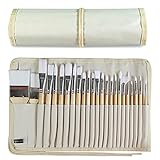
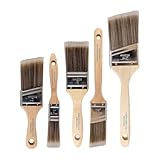
I remember staring at a wall of paintbrushes, each one looking more intimidating than the last. Some were skinny and delicate, others looked like they could paint a fence in one go. And the prices! I swear some of those tiny, fancy brushes cost more than my first car. So, I did what any sensible (and slightly broke) person would do: I wondered, what’s the deal? Are expensive paint brushes made of horsehair, and is that what justifies the sky-high price tags?
Honestly, for years, I just grabbed whatever was on sale. Then came the inevitable frustration – streaks, uneven coverage, and brushes that shed like a cheap wool sweater. It was maddening. I felt like I was wasting more time and money trying to fix bad paint jobs than if I’d just bought the good stuff from the start.
So, let’s cut through the BS. If you’ve ever felt lost in the brush aisle, wondering if you’re paying for hype or for genuinely better tools, then you’re in the right place. We’re going to talk about the real reasons behind brush costs, and yes, we’re diving deep into whether those fancy hog bristles are actually horsehair.
The Horsehair Hype: What’s Really in Your Brush?
Look, when you’re staring down a $50 brush that’s barely bigger than your thumb, you start questioning everything. Is it gold-plated? Does it have a tiny unicorn living inside that whispers painting secrets to you? Or is it just… hair? The answer, thankfully, is less magical and more practical, though still a bit of a head-scratcher for newcomers. So, are expensive paint brushes made of horsehair? Sometimes, yes. But it’s not as simple as a blanket ‘yes’ or ‘no’.
The truth is, natural bristles have been the gold standard for artists for centuries, and for good reason. Horsehair, specifically, is highly regarded for its softness and elasticity. It’s not as stiff as, say, hog bristles (which are also natural and very popular), but it has a beautiful spring to it that allows for smooth, controlled application, especially with oil-based paints. It can hold a lot of paint, and it releases it evenly, which is key for avoiding those dreaded brush strokes that scream ‘amateur’.
However, the ‘expensive’ label doesn’t automatically mean pure horsehair. High-end brushes can be made from a variety of high-quality natural fibers, or a blend of natural and synthetic fibers, all engineered for specific purposes. The craftsmanship in shaping the brush head, the ferrule (that metal bit holding the bristles), and the handle all contribute to the price. A well-made brush feels balanced in your hand, the bristles are securely set, and it’s designed to perform a specific task flawlessly. That level of precision and material selection costs money.
My own journey into the world of good brushes was a slow, painful, and expensive one. I’d buy these ‘artist-quality’ synthetic brushes that promised the world, only to have them splay out after a few uses, leaving terrible lines. Then I splurged on a set of what was advertised as ‘premium natural fiber’ brushes. They weren’t exclusively horsehair, but they had a blend that included hog and some other animal hairs. The difference was night and day. I felt like I was actually painting, not wrestling with a tool. That set cost me about $150, and while I still cringe a little at the initial outlay, I’ve used them countless times since.
So, while horsehair can be a component of pricey brushes, it’s the combination of material quality, expert construction, and intended use that dictates the cost. Don’t assume every expensive brush is packed with horsehair; instead, look at the overall quality and what the brush is designed to do.
Hog Bristles vs. Horsehair: The Nitty-Gritty
Alright, let’s talk about the two big players in the natural bristle game: hog bristles and horsehair. They both get a lot of love from artists, but they’re not interchangeable. Understanding their differences is key to not blowing your budget on the wrong tool for the job.
Hog bristles are generally stiffer and more solid. They have a natural flag or split at the tip, which is like a tiny little brush on the end of the bristle. This ‘flagging’ allows the brush to hold a lot of paint and create textured, visible brush strokes. Think impasto painting, or applying thick layers of oil paint where you want that texture to show. They’re durable and can handle thicker mediums and a lot of scrubbing. Because they’re so common and relatively easy to source, brushes made purely of high-quality hog bristles can sometimes be less expensive than those made with fine horsehair, though premium hog bristle brushes can still be quite pricey.
Horsehair, on the other hand, is softer and more flexible. It doesn’t have the same aggressive flagging as hog bristles. This makes horsehair brushes excellent for smoother applications, blending, and finer details. They’re fantastic for watercolors, acrylics (when you want less drag), and even for oil painting when you’re aiming for a super smooth finish without visible strokes. The softness means they can glide across the surface, picking up and laying down color with incredible control. Because high-quality horsehair can be more difficult to source in uniform lengths and fineness, brushes made from it, especially those using the finest grades, often command a higher price.
I once bought a brush that was advertised as ‘natural bristle’ and it was supposed to be for oils. It cost me around $30, which was a big deal for me back then. Turns out, it was mostly coarse hog bristle. It was okay for laying down a base coat, but for any kind of blending or detail work, it was just too rough. It left these scratchy marks that I’d then have to go back and fix with a smaller, finer brush. It taught me that ‘natural bristle’ is a broad term, and you need to know what kind of natural bristle you’re getting.
Here’s a little rundown to keep it straight: (See Also: Are Citadel Paint Brushes Good )
| Bristle Type | Texture/Feel | Best For | Common Mediums | Price Tendency (Premium) |
|---|---|---|---|---|
| Hog Bristle | Stiff, strong, textured | Thick paint, impasto, visible strokes, durability | Oils, heavy body acrylics | Moderate to High |
| Horsehair | Soft, flexible, smooth | Blending, fine lines, smooth finishes, delicate work | Watercolors, acrylics, thinned oils | High to Very High |
So, while both are natural, their distinct properties mean they excel at different tasks. If you’re aiming for those buttery smooth oil finishes or delicate watercolor washes, horsehair or a blend designed for that smoothness is likely what you’re after. If you’re building texture and want a brush that can really push paint around, hog bristles are your friend.
Synthetics vs. Naturals: Is Horsehair Always Better?
This is where I tend to get a little spicy, because the ‘natural is always best’ mantra gets pushed way too hard. Is horsehair amazing? Yes. Is it always the right choice? Absolutely not. And honestly, some of the best brushes I own now are synthetic, and they cost a fraction of what a comparable natural hair brush would set you back.
For years, the art world idolized natural bristles. They were what the Old Masters used, right? And there’s truth to that. Natural hairs, like horsehair, badger, sable, and hog, have microscopic scales that help them hold pigment and release it smoothly. They also tend to have a natural taper or split (flagging) at the tip, which can be great for certain applications. However, natural bristles can be inconsistent. They can absorb water (or solvents), leading to changes in stiffness and shape. They can also degrade over time, become brittle, or even harbor bacteria if not cleaned properly. And, of course, there’s the ethical sourcing aspect, which is a concern for many.
Synthetic brushes, on the other hand, have come an incredibly long way. Modern synthetics are engineered to mimic the best qualities of natural hairs. They can be designed for different levels of stiffness, softness, and paint-holding capacity. They are incredibly durable, resistant to solvents and water, and much easier to clean. A good synthetic brush will maintain its shape, won’t shed excessively, and will offer consistent performance, use after use. Plus, they are generally much more affordable. I spent about $80 on a set of premium synthetic brushes a few years back, and they’ve held up better than some of the $30 natural brushes I’ve bought since.
So, when are synthetics the better choice? For acrylics, especially heavy body acrylics, synthetics are often superior.
They can handle the thick paint without getting bogged down, and they clean up much more easily than natural bristles, which can be a nightmare with acrylics once they start to dry. For watercolor, while sable is king for ultra-fine detail and flow, high-quality synthetics can mimic its properties very well and are far more forgiving and less expensive.
For oils, it’s a bit more of a debate. Many artists still prefer natural bristles for the traditional feel and texture they offer, particularly hog bristles.
But for artists who want a smooth finish without the fuss of maintaining natural hairs, or who are working with larger canvases and need durability, high-end synthetics are a fantastic option.
My contrarian opinion? Everyone raves about sable for watercolors, and yes, it’s beautiful. But I’ve found that a really good quality synthetic round brush, costing maybe $15 instead of $60, performs 90% as well for 90% of my watercolor needs. I can get vibrant washes and decent detail. The extra 10% of luxury and precision that sable offers just isn’t worth the price for my personal use. If I were painting museum-quality miniatures, maybe. But for my everyday painting? Synthetics win on practicality and value.
How to Spot a Quality Brush (horsehair or Not)
Okay, so we’ve established that ‘expensive’ doesn’t automatically mean ‘horsehair,’ and ‘natural’ doesn’t always trump ‘synthetic.’ So, how do you actually tell if a brush is worth your hard-earned cash, whether it’s supposed to be horsehair or something else?
First, feel the weight and balance. A good brush should feel comfortable and balanced in your hand. It shouldn’t feel too top-heavy (where the ferrule and bristles are) or too light and flimsy. Pick it up and move it around. Does it feel like an extension of your arm, or like a cheap stick?
Second, inspect the bristles. Are they uniform in length and thickness, or is there a chaotic mess? For natural bristles, look for consistency in color and texture, unless it’s a brush specifically designed with mixed lengths for texture. Gently bend the bristles. Do they snap back into place cleanly, or do they bend and stay bent, or feel limp? For horsehair, you’re looking for a smooth, consistent flex. For hog bristles, you want to see that natural ‘flagging’ – the fine splits at the tips. If the bristles feel rough or look like they’ve been roughly cut, that’s a bad sign. (See Also: Are Snap Paint Brushes Good )
Third, check the ferrule. This is the metal part that holds the bristles to the handle. It should be smooth, without rough edges or gaps. It should be securely crimped onto the handle, meaning the bristles won’t easily come loose or fall out. A loose ferrule is a deal-breaker. I once bought a brush where the ferrule was already loose, and the bristles started shedding immediately. Total waste of about $20.
Fourth, consider the shape and intended use. Is the brush designed for a specific task? A round brush for detail, a flat brush for broad strokes, a fan brush for blending? A brush that claims to do everything usually does nothing well. Look at the tip: is it sharp and precise (good for fine lines), or is it soft and spreadable (good for blending)?
Finally, read reviews and look for reputable brands. While I’m suspicious of marketing hype, some brands consistently produce quality tools. Look for reviews from actual users, not just sponsored content. See what people say about durability, shedding, and performance. For example, Rosemary & Co. Brushes is a brand that consistently gets high marks from artists for quality and value, and they are very transparent about the materials they use.
When you’re looking at brushes advertised as horsehair, especially at higher price points, pay attention to the specific type of horsehair mentioned, if any. Sometimes it’s just labeled ‘horsehair,’ but premium brushes might specify ‘fine horsehair’ or mention the grade. A good brushmaker will be proud of their materials and construction, and they’ll offer details that justify the price.
Common Mistakes People Make When Buying Brushes
I’ve made pretty much all of them, so trust me, I know the struggle. Buying paint brushes can feel like navigating a minefield, especially when you’re starting out or trying to upgrade. Here are the classic blunders I see folks (myself included) fall into:
1. Buying the cheapest set you can find. This is the most common mistake, and I guarantee it’ll cost you more in the long run. Those super-cheap brushes are often made with low-quality bristles that shed, splay, and hold paint poorly. You’ll spend hours trying to fix the mess they make, and you’ll end up needing to replace them far sooner than you would have invested in a few decent ones upfront. I once bought a $15 multipack of ‘artist brushes’ from a big box store, and they were practically useless after two projects.
2. Assuming ‘natural’ is always superior. As we’ve touched on, this isn’t true. While high-quality natural bristles like horsehair are fantastic, there are also terrible natural brushes out there. Conversely, some of the best, most durable, and easy-to-clean brushes are synthetic. Don’t dismiss synthetics out of hand; research them for your specific medium.
3. Not considering the medium. A brush perfect for thick oil paints will likely be a disaster for delicate watercolor. Natural hog bristles are great for pushing thick oils, but they’ll soak up water and become unusable for thin washes. Horsehair is too soft for heavy impasto. Always match your brush to the paint you’re using and the effect you want to achieve. I learned this the hard way trying to use my good blending brushes for heavy acrylic texture work – I ruined a couple of them.
4. Believing the marketing hype. Brands can be really good at making even mediocre products sound revolutionary. Look beyond buzzwords like ‘artist-grade’ or ‘professional.’ Examine the actual materials, construction, and intended use. If a brush costs $100 and claims to be ‘revolutionary,’ ask yourself why. Is it a rare hair? Is it a unique construction? Or is it just branding?
5. Over-cleaning or under-cleaning. This is huge for brush longevity. For oil paints, you need to clean with solvents and then soap and water. For acrylics, clean thoroughly with soap and water before the paint dries. Letting paint harden in the bristles is a death sentence for any brush, natural or synthetic. I’ve been guilty of ‘quick rinses’ that ended up costing me brushes because I didn’t get all the paint out.
6. Buying too many brushes at once. Unless you’re starting from scratch and truly need a variety, it’s often better to invest in a few high-quality brushes that you know you’ll use. A good round, a good flat, and maybe a small detail brush can get you surprisingly far. You can always expand your collection as you discover your specific needs and preferences.
Real-World Use Cases: When Horsehair Shines
So, where does horsehair actually earn its keep? When you’re painting and you reach for a brush and think, ‘Ah, this is what they were talking about,’ that’s often thanks to well-chosen natural fibers. Horsehair, in particular, finds its sweet spot in several applications where its unique properties make a tangible difference. (See Also: Are Taklon Brushes Good For Acrylic Paint )
For oil painting, especially when you’re aiming for a smooth, blended finish, horsehair is a dream. If you want to achieve those soft transitions between colors, like in a portrait or a landscape sky, a good horsehair brush can glide across the canvas, laying down paint with minimal drag and fewer visible strokes. It’s excellent for scumbling (applying a thin layer of broken color over another layer) and glazing techniques where you want to build up subtle layers of color. While hog bristles are great for texture, horsehair is the go-to for that refined, polished look.
In watercolor, while sable is often lauded for its ability to hold a large amount of water and pigment and its incredibly fine point, high-quality horsehair brushes offer a fantastic alternative, especially for artists who are mindful of cost or ethical sourcing. Horsehair brushes can hold a good amount of water, release it smoothly, and offer excellent control for washes and detailed work. They don’t have the same super-fine point as the best sable, but they offer a lovely softness and flow that’s ideal for many watercolor styles. I’ve found them particularly good for backgrounds or larger washes where I want a soft edge.
For acrylics, horsehair isn’t always the first choice, especially for heavy body acrylics, as the fibers can be too soft to effectively move thick paint. However, for artists working with fluid acrylics or using acrylics in a more painterly, watercolor-like style, horsehair can be quite effective. Its softness allows for smooth blending and delicate application without the harshness that some synthetics can impart.
Beyond painting, fine horsehair is also used in cosmetic brushes. Think high-end makeup brushes. The softness and gentle feel of horsehair make it ideal for applying powders, blush, and eyeshadow without irritating the skin. It picks up powder well and distributes it evenly, giving a natural finish. If you’ve ever used a makeup brush that felt incredibly soft and luxurious, it might very well have been horsehair.
Interestingly, even in traditional crafts, horsehair has found a place. For example, in bookbinding, fine horsehair is used for sewing signatures (the folded sections of paper that make up a book). Its strength and flexibility make it ideal for this delicate work. It’s also used in some musical instrument bows (like violins and cellos), though that’s a very specialized application requiring particular qualities of hair.
The key takeaway is that horsehair excels when softness, flexibility, and smooth paint or pigment release are most important. It’s not about brute force or heavy texture; it’s about finesse and control. While you might pay more for brushes specifically made from fine horsehair, the performance difference in these specific applications can be well worth the investment for artists seeking that particular quality of finish.
Faq: Your Burning Brush Questions Answered
Are Expensive Paint Brushes Made of Horsehair?
Not all expensive paint brushes are made of horsehair, but high-quality horsehair is often a component in premium brushes, especially those designed for smooth application in oil and watercolor painting. The cost of an expensive brush is influenced by the quality of the hair (whether it’s horsehair, sable, badger, or fine hog bristle), the craftsmanship in its construction (ferrule, handle, shape), and its intended artistic purpose. Many high-end synthetic brushes also command high prices due to their advanced design and performance characteristics.
What Is the Best Type of Hair for Paint Brushes?
The ‘best’ type of hair depends entirely on the medium and the desired effect. For oil painting and textured work, stiff hog bristles are excellent. For smooth blending and delicate work in oils or watercolors, softer horsehair or sable are preferred. For acrylics, durable synthetics often perform best. There isn’t a single ‘best’ hair; it’s about matching the bristle material to the paint and the technique.
Why Are Some Paint Brushes So Expensive?
Paint brushes are expensive for several reasons: the rarity and quality of the natural hair used (like sable or fine horsehair), the meticulous craftsmanship involved in shaping and setting the bristles, the durability and balance of the ferrule and handle, and the specialized design for specific artistic techniques. High-end synthetic brushes can also be expensive due to advanced material science and manufacturing processes that mimic natural hair properties.
What Animal Hair Is Best for Watercolor Brushes?
Traditionally, Siberian Kolinsky sable has been considered the gold standard for watercolor brushes due to its ability to hold a large amount of water, its springiness, and its fine point. However, high-quality synthetic brushes are now very close competitors in performance and are much more affordable and ethical. Fine horsehair can also be a good option for softer washes and blending in watercolors.
Verdict
So, are expensive paint brushes made of horsehair? Sometimes, and it’s a quality marker. But it’s not the whole story. The real value lies in the combination of excellent materials, skilled craftsmanship, and a design that perfectly suits your artistic needs, whether that’s horsehair, hog bristle, or even a latest synthetic. Don’t get blinded by the price tag or the type of hair alone.
My advice? Start with a few good-quality brushes that are appropriate for your primary medium and technique. Don’t be afraid to experiment with both natural and synthetic options. You might be surprised at what works best for you, and it might not always be the most expensive, or the one made from horsehair.
Next time you’re in an art supply store, pick up a few brushes. Feel their weight, bend the bristles, inspect the ferrule. Ask yourself what you’ll be using them for. Trust your instincts and your hands. Happy painting!