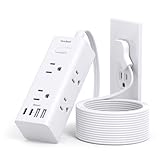
I’ve spent more time than I care to admit wrestling with power strips and extension cords behind my TV setup. You know the drill: that tangled mess of black wires that looks like a digital spaghetti monster has taken up permanent residence. It’s easy to just grab whatever cord is closest when you need to plug in a new gaming console or a soundbar, but have you ever stopped to wonder if, you know, are extension cords safe with TVs? I did, especially after a close call involving a suspiciously warm cord and a power surge that almost fried my expensive new OLED. Let’s cut through the noise and talk about what actually matters.
The truth is, most people just plug things in and forget about it. We assume because it’s a cord, it’s all the same. But like anything electrical, there are nuances, and some common practices are basically asking for trouble. I’ve learned this the hard way, sometimes with minor annoyances, and other times with the very real dread of something going wrong.
The Real Deal on Powering Your Entertainment Center
Look, your TV and all its fancy accessories – soundbars, streaming devices, gaming consoles, Blu-ray players – they all draw power. When your wall outlets are already maxed out (which, let’s be honest, they usually are behind a modern entertainment center), an extension cord or a power strip becomes the go-to solution. But here’s the kicker: not all extension cords are created equal, and your TV setup isn’t just any old lamp. We’re talking about electronics that can be sensitive to power fluctuations and are often expensive to replace. So, when you’re asking ‘are extension cords safe with tvs,’ the real question is, are you using the right extension cord safely?
My first real “uh oh” moment happened about five years ago. I was setting up a new home theater system, complete with a beefy AV receiver, a massive TV, and a PlayStation 5. The wall outlet behind the TV cabinet was already powering a smart TV hub and a small lamp.
Naturally, I needed more juice. I grabbed an old, thin, white extension cord I’d been using for Christmas lights years ago. It felt a bit flimsy, but hey, it worked, right?
Wrong. A few weeks later, I noticed the plastic on the extension cord near the plug felt… warm. Not hot, but definitely warmer than it should be.
I unplugged everything, my heart pounding, and replaced it with a heavy-duty cord. That little experience taught me a massive lesson: gauge matters. A cord designed for a low-wattage item is a ticking time bomb for high-draw electronics. Power draw is a simple concept but often overlooked in the rush to get everything plugged in.
My gaming console alone can pull a significant amount of power, and combining that with the TV and soundbar meant that flimsy cord was working overtime, generating heat.
It’s not just about preventing fires, though that’s obviously the main concern. Using an inadequate extension cord can also lead to voltage drops, which can cause your electronics to perform poorly. I’ve had instances where my Wi-Fi router, plugged into a chain of questionable cords, would intermittently drop connection, and I blamed the router or the ISP. Turns out, it was a voltage issue caused by an overloaded, undersized extension cord.
The common advice to just “use a surge protector” is good, but it’s incomplete. A surge protector is useless if the cord itself can’t handle the load.
You need a cord that’s appropriately rated for the total amperage your devices will draw. Think of it like trying to shove a whole pizza through a straw – it’s not going to work, and you’re going to make a mess.
What to Look for: The Devil Is in the Details
When you’re staring down a wall of extension cords at the hardware store, it’s easy to get overwhelmed. They all look pretty similar, right? Wrong. The key differences are usually in the gauge of the wire (thickness) and the rating in amps or watts.
For powering a TV and its associated electronics, you absolutely need a heavy-duty extension cord. I always look for cords rated for at least 13 amps, and preferably 15 amps, which is the standard for most household circuits. This usually means the wire gauge will be thicker, often indicated by a lower AWG (American Wire Gauge) number. A 14-gauge or 12-gauge cord is generally what you want for anything pulling a decent amount of power, like your entertainment center.
Thicker wires mean less resistance, less heat buildup, and a safer connection.
Another thing to obsess over is the construction of the cord itself. Are the plugs sturdy? Does the casing feel solid, or can you easily dent it with your thumbnail? I’ve had cheap cords where the prongs on the plug bent or broke off after only a few uses.
That’s a massive safety hazard. You want cords with solid, well-molded plugs and a thick, durable outer jacket. (See Also: Can Extension Cords Short Out )
Avoid cords that are cracked, frayed, or show any signs of wear and tear. Inspect them closely. The physical integrity of the cord is just as important as its electrical rating.
I once bought a set of really cheap, colorful cords online that looked great. Within six months, the insulation started to crack, and one of the plugs became loose. That was a hard lesson: sometimes you really do get what you pay for, and with electrical safety, paying a little more upfront can save you a lot of headaches, and potentially a lot of damage, down the line.
Don’t forget about the receptacle end – the part where you plug in your devices. If it’s a simple extension cord, it’s just one socket. If you’re using a power strip, make sure it’s not overloaded. Each outlet on a power strip has a limit, and the strip itself has a total wattage limit.
Always check the manufacturer’s specifications. A common mistake is plugging in too many high-draw devices into a single power strip. For a TV setup, I usually opt for a good quality surge protector power strip that has enough outlets for everything, but I’m still mindful of the total load. The surge protection is a nice bonus, but the primary concern is the cord’s ability to handle the power safely.
Here’s a quick comparison I’ve put together based on my own experiences and what I look for:
| Cord Type | Gauge (AWG) | Amperage Rating (Typical) | Best For | My Verdict |
|---|---|---|---|---|
| Light-Duty Indoor | 18-16 | 10-13 Amps | Lamps, small electronics | Avoid for TVs/high-draw items |
| Medium-Duty Indoor | 16-14 | 13-15 Amps | Computers, small appliances | Okay for a single, low-power TV; borderline for complex setups |
| Heavy-Duty Indoor | 14-12 | 15 Amps | TVs, game consoles, AV equipment, power tools | Recommended for entertainment centers |
| Outdoor/Heavy-Duty Outdoor | 12-10 | 15-20 Amps | Heavy tools, appliances, outdoor use | Overkill for indoor TVs, but excellent quality if needed |
Common Mistakes That Put Your TV at Risk
So, what are the biggest blunders people make when trying to figure out if extension cords are safe with TVs? The most prevalent one, hands down, is using the wrong cord for the job. I’ve seen people use those thin, white cords meant for a desk lamp to power a massive 75-inch TV and a surround sound system.
It’s like trying to carry water in a sieve. These cords have a very low amperage rating, meaning they can’t handle the amount of electrical current needed by powerful electronics. When the cord struggles to deliver the required power, it heats up.
This is a fire hazard, plain and simple. I once saw a neighbor’s attic light up because of a cheap extension cord powering a dehumidifier – the cord melted and sparked. It was a terrifying sight, and a stark reminder of the risks involved.
Another massive mistake is overloading extension cords and power strips. People seem to think that because a power strip has six or eight outlets, they can plug anything and everything into it.
That’s not how it works. Every outlet, and the strip as a whole, has a maximum wattage or amperage limit. If you plug in your TV, your gaming console, your soundbar, your streaming box, and maybe even a small fan or a desk lamp into one strip, you could easily exceed its capacity.
This overheating can damage the electronics plugged into it, degrade the cord over time, and, you guessed it, start a fire. I learned this the hard way when my old PC setup kept crashing randomly. I traced it back to a power strip that was visibly warm to the touch and humming slightly.
Once I split the devices across two different, appropriately rated power strips, the crashing stopped. It was a clear indication of an overloaded circuit.
Running cords under carpets or rugs is another big no-no. I see this all the time. People want to hide the wires for a cleaner look, so they snake extension cords under rugs. This is incredibly dangerous.
First, it can damage the cord’s insulation over time as it’s compressed and rubbed. Any damage to the insulation can expose the wires, leading to short circuits and fires.
Second, if the cord overheats, the carpet acts as an insulator, trapping the heat and making the fire risk even higher. You can’t see the cord, so you wouldn’t know if it’s overheating until it’s too late. (See Also: Can Extension Cords Be Use With Electric Heaters )
My rule of thumb: cords should always be visible and accessible. If you need to hide them, use cord covers designed for that purpose that sit on top of the floor or are designed to be run through walls safely (though that’s a job for a professional).
Never, ever run them under rugs or furniture where they can be pinched, damaged, or hidden from view while overheating.
Practical Tips for Safe TV Powering
When it comes to making sure your TV setup is safe, I’ve found that a few practical habits go a long way. The first, and most important, is to aim to plug your TV and primary entertainment devices directly into the wall outlets whenever possible. This eliminates the extension cord as a point of failure for the main power draw. If you absolutely must use an extension cord for your TV, make it a heavy-duty, grounded cord with a 3-prong plug, rated for at least 15 amps.
This is a must. Look for a cord with a thick, durable jacket and solid, well-molded plugs. When I’m shopping, I usually pick up the cord and give it a good feel; if it feels flimsy or the plastic is too soft, I put it back.
For all the ancillary devices – the gaming consoles, the streaming boxes, the external hard drives, maybe even a modest soundbar – a good quality surge protector power strip is your best friend. But again, don’t overload it.
I try to group devices by their power needs. My gaming consoles and high-end AV receiver get a dedicated strip, and I might use another for less power-hungry items like a smart TV hub or an external Blu-ray player. It’s about distributing the load and making sure no single strip is struggling. I also regularly check the cords and strips for any signs of damage, kinks, or overheating.
If a cord feels warm, or if there’s any strange smell, I unplug everything immediately and replace the suspect cord. This isn’t a “set it and forget it” situation.
Think of it as routine maintenance for your electronics’ lifeline.
Cable management is also a safety feature. While not directly about the cord’s rating, keeping your cables organized prevents them from being pinched, tripped over, or damaged. Use Velcro ties, cord sleeves, or cable raceways.
This not only makes your setup look neater but also protects the cords from accidental damage that could lead to a fire. I used to have a massive bird’s nest of wires behind my TV, and it was a nightmare.
Once I organized it, I found that the individual cords were less likely to be tugged or kinked. It’s a small effort that pays off in both aesthetics and safety. My rule of thumb is to always have enough slack so cords aren’t stretched, but not so much that they create a tripping hazard or get tangled with other cables.
Can You Use Extension Cords with Tvs? The Verdict
So, to directly answer the burning question: are extension cords safe with TVs? Yes, but with significant caveats.
It’s not an automatic “no,” but it’s also not an automatic “yes.” The safety hinges entirely on the type of extension cord you use and how you use it. Using a thin, light-duty cord to power a modern, power-hungry television or an entire entertainment system is a recipe for disaster.
These cords are not designed to handle the amperage required, leading to overheating, potential fire hazards, and damage to your expensive electronics. My personal experience with a warming cord behind my TV was a wake-up call. I learned that the hard way. The temptation to grab the cheapest or most readily available cord is strong, but it’s a gamble that’s rarely worth the risk.
Investing in a heavy-duty, properly rated cord is the absolute minimum requirement. (See Also: Are Outdoor Extension Cords 10 Or 12 Gauge )
When I set up my current entertainment system, I made sure the main TV was plugged directly into a dedicated wall outlet. For everything else – the PlayStation, the soundbar, the Apple TV, the external hard drive for media – I use a high-quality surge protector power strip. This strip is rated for 15 amps and has sturdy outlets. I spread out the devices so that no single outlet on the strip is overloaded.
I also periodically check the strip and the cords for any signs of heat or damage. It’s about being proactive. I’ve seen photos online of melted power strips and extension cords, and it’s genuinely frightening.
These aren’t rare occurrences; they happen when people push the limits of their electrical setup. The common advice to just use a surge protector is good, but it’s only half the story. The cord itself, whether it’s part of the surge protector or a standalone extension cord, needs to be solid enough.
The temptation to run cords under rugs or behind furniture without proper cord management is also a major pitfall. This practice can damage the cord’s insulation and trap heat, significantly increasing the risk of a fire. It also makes it impossible to monitor the cord for overheating.
Always make sure cords are visible and protected from physical damage. If you need to hide them for aesthetic reasons, use proper cord management solutions like raceways or covers.
My philosophy now is that electrical safety isn’t an afterthought; it’s a foundational part of setting up any electronic device, especially something as central as your TV. It’s about respecting the power you’re dealing with. Using the wrong equipment, or using it carelessly, can have severe consequences, from fried electronics to a house fire.
Therefore, when asking if extension cords are safe with TVs, the answer is: only if you treat them with the respect they deserve by using the right ones and using them correctly.
Frequently Asked Questions About Extension Cords and Tvs
Can I Use a Regular Extension Cord with My TV?
You can, but it’s generally not recommended for modern, power-hungry TVs and their accessories. You need to make sure the extension cord is heavy-duty, properly grounded, and rated for at least 15 amps. Thin, light-duty cords are a fire hazard and can damage your electronics by not providing sufficient power. Always check the cord’s gauge and amp rating.
Is It Safe to Plug My TV Into a Power Strip?
Yes, it is safe to plug your TV into a power strip, provided the power strip is a good quality surge protector and is not overloaded. A surge protector offers protection against power spikes, which is beneficial for sensitive electronics like TVs. Make sure the total wattage or amperage draw of all devices plugged into the power strip does not exceed its capacity. Distribute devices across multiple strips if necessary.
What Is the Difference Between an Extension Cord and a Power Strip?
An extension cord is basically a flexible electrical cable with a plug on one end and a socket on the other, used to extend the reach of an electrical outlet. A power strip is a type of extension cord that has multiple sockets, allowing you to plug in several devices from a single outlet. Many power strips also include surge protection.
How Do I Know If My Extension Cord Is Too Small for My TV?
If the extension cord feels warm or hot to the touch, smells like burning plastic, or if the plug prongs bend easily, it’s likely too small or of poor quality. A cord that is too small for the electrical load will struggle to deliver sufficient power, leading to overheating and potential damage or fire hazards. Always use a cord rated for the total amperage your devices require.
Verdict
So, there you have it. The short answer to ‘are extension cords safe with tvs’ is yes, but only if you’re smart about it. I’ve learned that skimping on power cords is one of the riskiest moves you can make in your home. It’s not about being paranoid; it’s about being practical and understanding the basic requirements for safely powering your electronics.
My advice? Ditch those flimsy, old cords. Invest in a couple of good quality, heavy-duty, 15-amp extension cords or surge protectors. Treat them like the important piece of equipment they are. And for the love of all that is electrically sound, do not run them under carpets. Visible, protected, and correctly rated – those are the golden rules.
Next time you’re expanding your entertainment setup, take an extra five minutes to check your cords. It’s a small effort that could prevent a massive headache, or worse. What’s one device you’ve noticed is a real power hog in your setup?