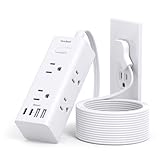
I remember staring at the wall, a tangled mess of standard round extension cords snaking everywhere behind my entertainment center. It looked like a spaghetti monster decided to throw a party. Then I saw them: flat extension cords, sleek and almost invisible. My first thought was, ‘Finally, a solution to the visual nightmare!’ But then the nagging question popped into my head: are flat extension cords safe?
I’ve wasted enough money on gadgets that look cool but fail spectacularly. So, I dug in, tested a few, and talked to people who actually know their stuff (and a few who just like to complain). Let’s cut through the marketing fluff.
Why Flat Extension Cords Seem Like a Genius Idea (and Sometimes Are)
Look, the appeal of a flat extension cord is obvious. They hug the wall, slip under carpets or furniture without creating a noticeable hump, and generally make your living space look less like a construction site.
I’ve got a corner in my workshop where I used to trip over a standard cord at least once a week. Switching to a flat one there felt like a genuine upgrade. It’s not just about looks, either.
Think about those awkward spaces where a thick, round cord just won’t fit. Underneath a heavy bookshelf, behind a narrow TV stand, or along a baseboard – this is where the flat design shines. It’s about utility and aesthetics working together, which is a rare win in the world of home electronics.
The technology behind them isn’t some alien science. Most flat cords use a series of thin, insulated wires laid side-by-side and then encased in a flexible, flat outer jacket. This construction allows them to be much thinner than traditional cords, which are basically round bundles of wires. The key benefit is reduced bulk. Instead of a cylindrical shape that protrudes significantly, a flat cord lies nearly flush against a surface. This means less of a tripping hazard and a cleaner look. Some even have adhesive backing for more permanent placement, though I’m always a bit wary of anything that sticks to my walls permanently.
I remember buying my first one, a cheap, no-name brand from an online marketplace. It was supposed to be super thin and flexible. It was thin, alright, but it also felt flimsy. I plugged in my modest desk lamp and a laptop charger, and for a few weeks, it was fine. Then, one day, I noticed the jacket was slightly warped near the plug. A little unnerving, to say the least. That initial disappointment taught me that not all flat cords are created equal, and price isn’t always an indicator of quality. It’s like buying a wallet; you can get a super-thin one that tears after a month, or a well-made slim one that lasts for years.
What to Actually Look for: Beyond the Flatness
So, if you’re convinced a flat cord is the way to go, what should you be scrutinizing? First off, gauge rating. This is a must. Look for the amperage (A) or wattage (W) rating printed on the cord or its packaging.
A standard household outlet usually provides 15 amps. If you plan to plug in power-hungry devices like a space heater, a vacuum cleaner, or multiple electronics at once, you’ll need a cord rated for at least 10 amps, and ideally 13 or 15 amps. Undersized cords are a fire hazard, plain and simple.
I once saw a coworker’s standard round cord start to melt because it was being used for a tool that drew way more power than the cord was designed for. A flat cord, especially a lower-quality one, could be even more susceptible to overheating if its internal wiring isn’t sufficient for the load.
Next, consider the material and construction. Does the outer jacket feel durable, or like it could tear if you looked at it wrong? Look for cords made from materials like PVC or TPE, which are generally flexible and resilient.
The wire gauge (AWG – American Wire Gauge) is also important. A lower AWG number means thicker wire, which can handle more current and heat. For most general home use, 16 AWG is usually sufficient, but for heavier loads, you might want to look for 14 AWG or even 12 AWG if available in a flat design. Many cheaper flat cords opt for thinner wires to keep the profile low, which can be a real problem down the line. (See Also: Can Extension Cords Short Out )
Inspect the plug and receptacle ends too. They should be solid, well-formed, and fit snugly. Loose connections can generate heat and lead to failure.
I’ve learned to be skeptical of cords that promise the world for a few bucks. My rule of thumb now? If it feels too flimsy or the price seems too good to be true, it probably is.
I once bought a set of three flat cords for less than $20. They looked okay initially, but within six months, two of them had developed kinks that made them stiff and one started to make a faint buzzing sound when under load.
That’s a red flag. For safety-important items like power cords, I’d rather spend an extra $10-$20 on something from a reputable brand that clearly states its specifications than risk a fire or damaging my electronics.
Look for certifications like UL (Underwriters Laboratories) or ETL (Intertek). These are independent safety certifications that indicate the product has met certain safety standards. It’s not a guarantee of perfection, but it’s a much better starting point.
| Feature | What to Look For | Why It Matters | My Verdict |
|---|---|---|---|
| Amp/Watt Rating | 13A or 1500W (minimum for most uses) | Prevents overheating and fire risk. | A must. Don’t guess. |
| Wire Gauge (AWG) | 16 AWG (general), 14 AWG (heavier loads) | Thicker wire handles more current safely. | Lower AWG is better if available. |
| Jacket Material | PVC, TPE | Flexibility, durability, resistance to kinks. | Avoid anything too stiff or brittle. |
| Plug/Receptacle | Solid, snug fit | Makes sure good connection, reduces heat. | Test it before you commit. |
| Certifications | UL, ETL | Indicates safety testing. | Highly recommended. |
Common Mistakes That Turn Flat Cords Into Hazards
One of the biggest mistakes people make is thinking that because a cord is flat, it’s automatically less of a hazard. This is patently false. The primary dangers with any extension cord – round or flat – are overloading, damage, and improper use. Overloading happens when you plug in more devices than the cord is rated to handle.
Even a heavy-duty flat cord can overheat and melt if you try to power a 1500-watt space heater and a high-powered computer through it simultaneously if it’s only rated for, say, 10 amps. The thinness of a flat cord can sometimes trick people into thinking it can handle more, or that it’s more durable than it actually is. It’s still just wires carrying electricity; pushing too much through them is dangerous regardless of the cord’s shape.
Damage is another huge culprit. Because flat cords are designed to be flexible and often run along baseboards or under rugs, they are more susceptible to being pinched, cut, or worn down by furniture.
I’ve seen people run them under the wheels of office chairs, which is a recipe for disaster. The constant pressure and friction can easily damage the outer jacket and, more critically, the insulation around the internal wires. A nicked or frayed wire is a direct path for electricity to escape, creating a serious shock or fire hazard. I made this mistake myself early on; I had a flat cord running along a wall where a door sometimes swung open too wide.
Eventually, the constant flexing and rubbing at the hinge point wore through the jacket. Thankfully, I noticed it before anything bad happened, but it was a stark reminder that even the ‘invisible’ cords need to be treated with respect and inspected regularly.
Another common error is burying them too deeply or in places with poor ventilation. While the point is to hide them, you don’t want to completely encase them in insulation or stack heavy items directly on top of them, especially where they connect to devices or other cords. This traps heat, and any heat build-up can degrade the cord over time, making it more prone to failure. (See Also: Can Extension Cords Be Use With Electric Heaters )
People also tend to forget about them once they’re installed. You wouldn’t leave a frayed lamp cord lying around, but a flat cord tucked under a rug can be out of sight and out of mind until a problem develops. Regular visual inspections are key. Check for any signs of wear, cuts, kinks, or discoloration, particularly around the plugs and where the cord might be stressed.
Real-World Use: Where Flat Cords Shine (and Where They Don’t)
I’ve found flat extension cords to be surprisingly useful in a few specific scenarios. The most obvious is cable management for home entertainment systems. Running a flat cord behind the TV and along the wall to the nearest outlet makes a world of difference compared to a bundle of bulky black cords.
It genuinely tidies up the space. Similarly, under a desk or along a workstation, they can help maintain a cleaner look, especially if you have multiple devices. I used one to power my outdoor string lights on my patio, running it along the edge of the deck.
The flat profile meant it didn’t create a tripping hazard, and it blended in much better than a standard cord would have.
However, they are not a panacea. For heavy-duty applications, like powering tools in a workshop or running temporary power for construction, I’d stick to solid, round cords designed for that kind of abuse. The thinness that makes flat cords appealing also makes them inherently less durable against physical stress. I tried using a flat cord for my electric grill on the deck once.
It worked, but I was constantly worried about someone stepping on it or it getting snagged. The thicker, more rugged round cords are built to withstand a lot more wear and tear, which is key when you’re dealing with outdoor elements or a high-demand tool.
They also tend to have better strain relief on the plugs, which is important when you’re plugging and unplugging frequently.
Another place I’d be hesitant is for permanent installations that might be subject to movement or heat. For instance, behind a radiator or a stove, where heat can be significant and the cord might be jostled, a properly rated, often thicker, round cord is usually the safer bet.
My contrarian opinion here? Everyone talks about how flat cords are great for hiding. And they are.
But sometimes, that ‘hiding’ leads to them being neglected. A standard round cord, while uglier, is often more visible and therefore more likely to be noticed if it starts to fray or get damaged.
So, while the aesthetic benefit is undeniable, don’t let it blind you to the potential for damage that comes with a less obtrusive design. It’s a trade-off, and you need to be mindful of it. (See Also: Are Outdoor Extension Cords 10 Or 12 Gauge )
Can Flat Extension Cords Be Safe? The Long and Short of It
The question of are flat extension cords safe boils down to a few core principles that apply to all electrical cords, regardless of shape. Yes, they can be safe, but only if you choose the right one and use it correctly. It’s not just about the flatness; it’s about the underlying electrical engineering and how you treat the product. A high-quality flat cord, properly rated for the load you intend to put on it, and kept in good condition, is perfectly safe for its intended use. This usually means light to moderate use for powering things like lamps, chargers, small appliances, and entertainment electronics where aesthetics are a concern.
The key is to avoid the pitfalls. Don’t overload them. Inspect them regularly for damage, especially in areas where they might be pinched, kinked, or stepped on. Make sure they have the necessary safety certifications like UL or ETL.
If a cord feels cheap, flimsy, or the specifications are unclear, walk away. There are plenty of reputable brands that offer flat extension cords that meet safety standards. I found after some trial and error that brands like Etekcity and Amazon Basics often provide a decent balance of price, quality, and safety for general household use.
For more demanding tasks, or if you have doubts, it’s always better to err on the side of caution and opt for a heavy-duty, round cord. Think of the flat cord as a specialized tool for specific jobs, not a universal replacement for all your power needs. It’s about matching the tool to the task, and understanding the limitations as well as the benefits.
Frequently Asked Questions About Flat Extension Cords
Can I Run a Flat Extension Cord Under a Rug?
Yes, you can, but you need to be very careful. Make sure the cord is specifically designed for this purpose and is not kinked or damaged. Running cords under rugs can obscure damage, making them a hidden hazard. Regularly check the cord for signs of wear, especially in high-traffic areas. It’s generally safer to run cords along walls or behind furniture where they are less likely to be compressed or abraded.
Are Flat Extension Cords Good for Heavy-Duty Use?
Generally, no. While some heavy-duty flat cords exist, the thin profile often means they are not as solid as their round counterparts. Heavy-duty applications, like power tools or high-wattage appliances, typically require thicker wiring and more durable insulation found in traditional round extension cords. Overloading a flat cord, even if it appears sturdy, can lead to overheating and fire risks.
How Do I Know If a Flat Extension Cord Is Overloaded?
An overloaded flat extension cord (or any extension cord) may become warm to the touch, emit a burning smell, or the plug may feel hot. The circuit breaker connected to the outlet may also trip. If you notice any of these signs, immediately unplug the cord and any devices connected to it. Check the wattage of your devices and the cord’s rating to make sure they are compatible. Never plug more devices into an extension cord than its rated capacity can safely handle.
What Is the Main Advantage of Flat Extension Cords?
The primary advantage of flat extension cords is their slim profile, which allows them to be easily concealed along walls, under carpets, or behind furniture, significantly improving aesthetics and reducing tripping hazards compared to bulky, round cords. They are ideal for home entertainment setups, home offices, and anywhere a cleaner look is desired without sacrificing power access.
Conclusion
So, are flat extension cords safe? The short answer is yes, when used appropriately. They’re fantastic for making your living space look less like a wiring disaster zone, and I’ve certainly found them indispensable for my home theater setup and keeping my desk tidy. But like any electrical product, they require a bit of common sense.
Don’t buy the cheapest option you find. Invest in a reputable brand, check the ratings, and inspect them regularly. If you’re powering something that draws a lot of juice, or if the cord is going to be in a high-stress environment, just stick with a good old-fashioned round cord. There’s no shame in that game.
Ultimately, the safety of your flat extension cords, or any cord for that matter, depends on your vigilance. Keep an eye on them, use them for what they’re designed for, and you’ll be just fine.